
Guide
03/04/2026
The best restaurants in the Dubai Mall – a guide for 2026
Copy link

TwoContinents
25 February 2026

Wondering where Dubai's wealth comes from and how it's possible that in just a few decades the city has become one of the most important economic centers in the world? Discover the key factors that make the Emirati metropolis attract investors, tourists and entrepreneurs, while constantly strengthening its position on the international stage.
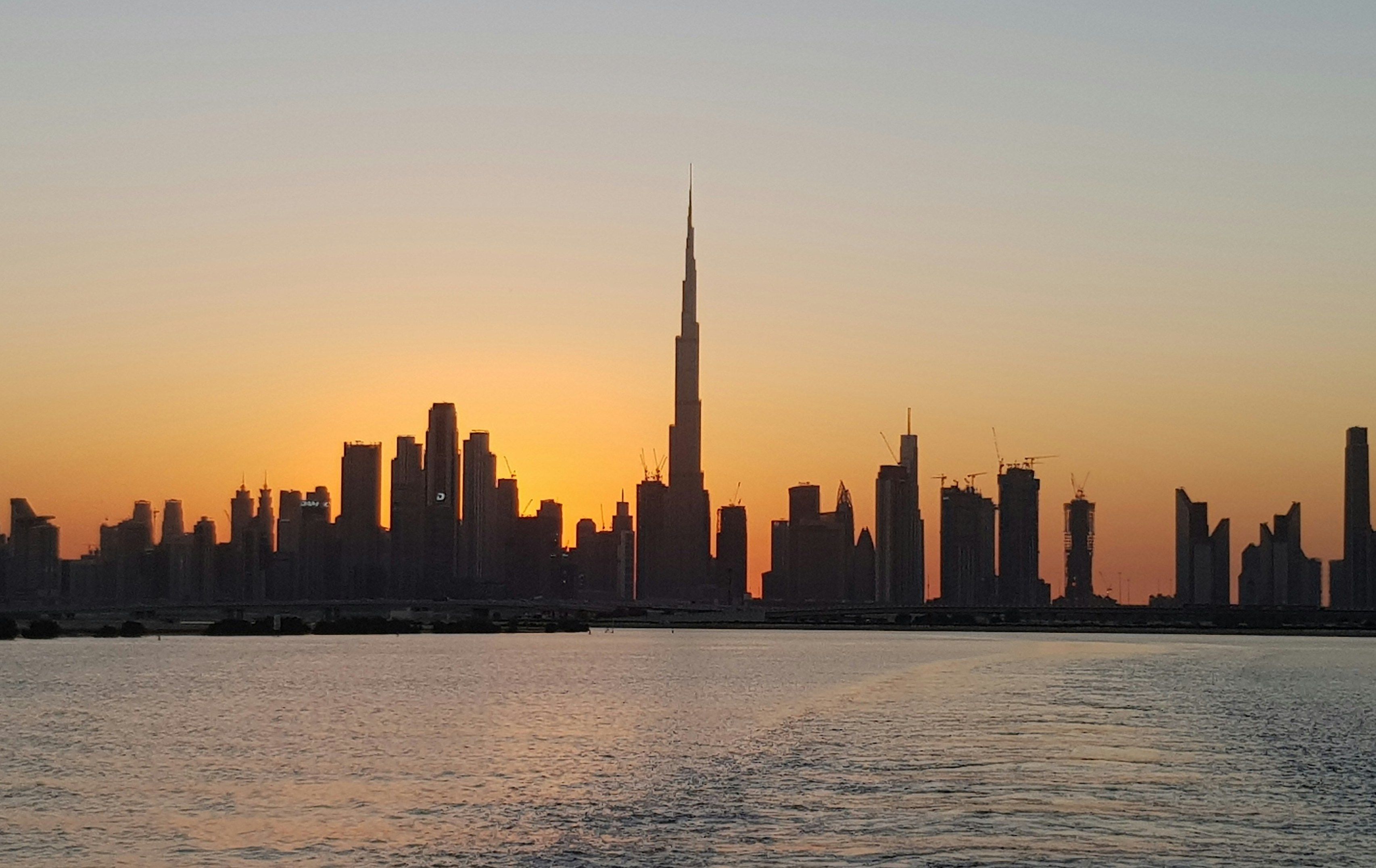
The wealth of Dubai has fascinated people around the world for years. Many people ask themselves, what makes Dubai rich, given that it is widely believed that it does not have the same oil reserves as some of the other emirates. It turns out that the city's strength lies not only in Dubai's oil reserves, but also in a number of diverse economic sectors, ranging from tourism and finance to real estate. This transformation was driven by visionary leadership with a clear strategy for development and adaptation to global trends. Below, we explain how Dubai became one of the richest cities in the world and why this metropolis can continue to count on further growth in the coming years.
The discovery of oil in 1966 had a key impact on the economy of Dubai in the United Arab Emirates. Initially, the impact of oil on Dubai's economy seemed crucial. Revenues from oil production enabled investments in infrastructure, education, and new economic ventures, as well as investments in key infrastructure such as modern airports, ports, and roads, which were essential for future development. However, unlike Abu Dhabi, which is much richer in oil, Dubai realized that the reasons for Dubai's wealth must come from more than just the exploitation of raw materials.
How does Dubai make money from tourism? It is certainly one of the most important pillars of Dubai's wealth. The city offers not only sunny weather all year round, but also luxury hotels, outstanding restaurants, and innovative tourist attractions.
The result? Tourism generates huge revenues for the budget and stimulates the development of related sectors such as trade, catering, and the events industry.

The second pillar driving Dubai's economy is the financial sector. The question of why Dubai is considered a financial center can be answered by several factors:
All these elements mean that what drives Dubai's growth is not only tourism and real estate, but also a stable financial base ready to handle global transactions.
Is Dubai wealth 2026 just a promotional slogan? Definitely not. The emirate's authorities are guided by the idea of continuous development and modernization:
Are you planning a trip to Dubai and want to experience true luxury? Or maybe you are looking for a unique property in one of the most dynamically developing cities in the world? Check out the Two Continents website, where you will find not only a wide range of tourist attractions, but also significant real estate investment opportunities that will allow you to experience the best of this extraordinary emirate!
How did Dubai become one of the wealthiest cities in the world?
Dubai’s growth stems from strategic reinvestment of oil profits into infrastructure and services, followed by economic diversification into finance, real estate, and tourism. Business-friendly policies and bold investment decisions helped transform the emirate into a global financial and commercial powerhouse.
Why is Dubai considered a financial hub?
Dubai offers tax advantages, free economic zones, and no personal income tax. Institutions like Dubai International Financial Centre (DIFC) attract global banks and investment funds, reinforcing the city’s reputation as an international financial hub.
How does tourism contribute to Dubai’s wealth?
Dubai’s extensive range of attractions—including luxury hotels, massive shopping malls, and world-class events—drives significant revenue. Additionally, related industries like retail, hospitality, and transportation benefit from the city’s booming tourism sector.
Dubai’s wealth is the result of a well-planned economic strategy that began with reinvesting oil profits into infrastructure. Through consistent diversification and strong support for key sectors like tourism, finance, and real estate, the city has become one of the most attractive business and travel destinations in the world.
The "Dubai Wealth 2026" vision is not just a marketing slogan but a real strategy for future growth, ensuring Dubai remains a global leader in innovation, luxury, and economic stability.
See other news
03/04/2026
The best restaurants in the Dubai Mall – a guide for 2026

03/04/2026
Top 10 Free Attractions in Dubai – What is worth Seeing for free?

03/04/2026
A guide to Ramadan in Dubai – everything you need to know

02/04/2026
Uber has partnered with Wrocław Airport
02/04/2026
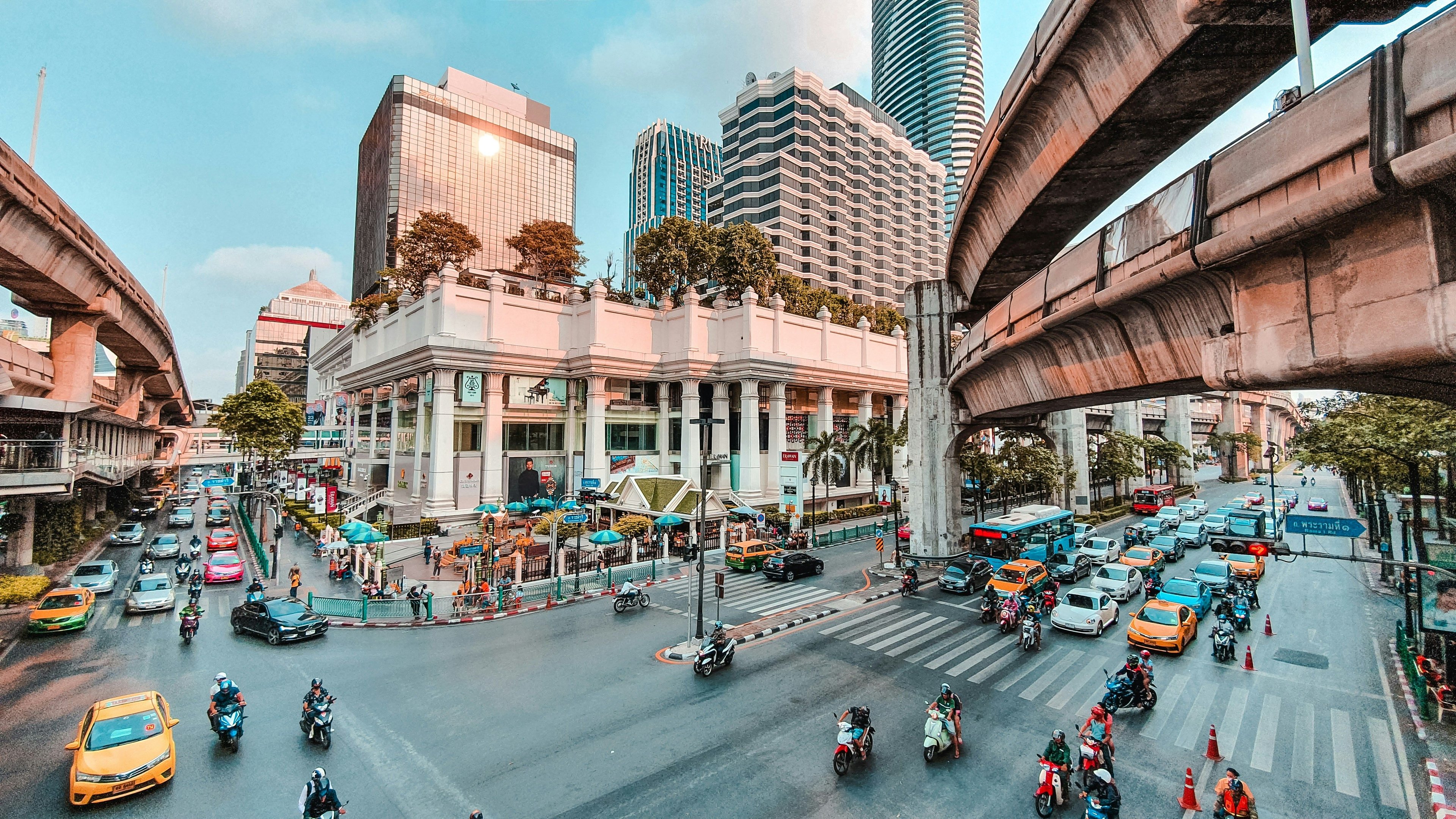
LOT’s route from Warsaw to Bangkok will launch earlier than planned
31/03/2026
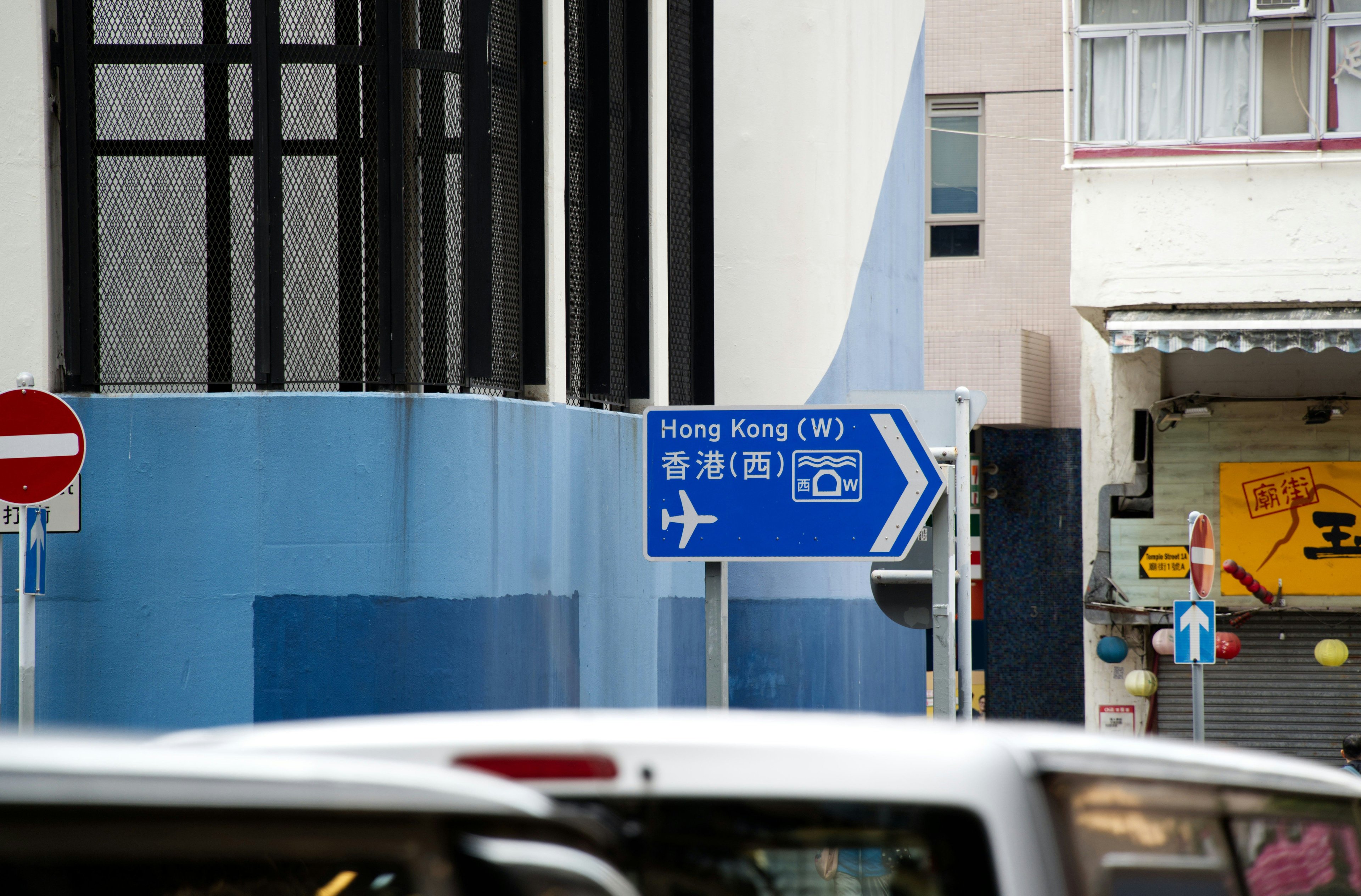
Are you flying via or to Hong Kong? Remember the new border regulations

30/03/2026
Żabka is coming to airports
30/03/2026
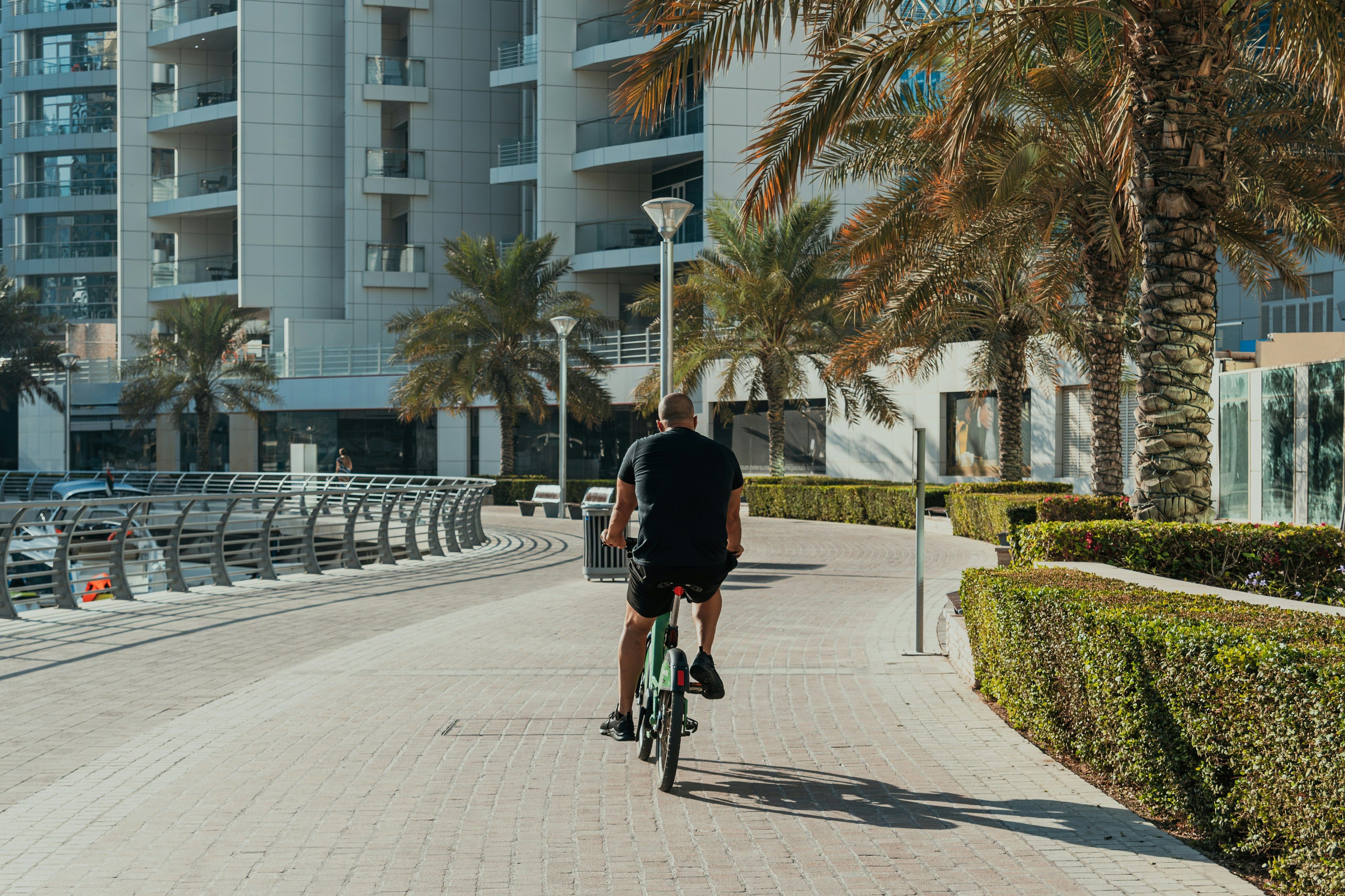
New bike paths are being built in Dubai
30/03/2026
The UAE saw a steady pace of new real estate project development in March 2026
30/03/2026
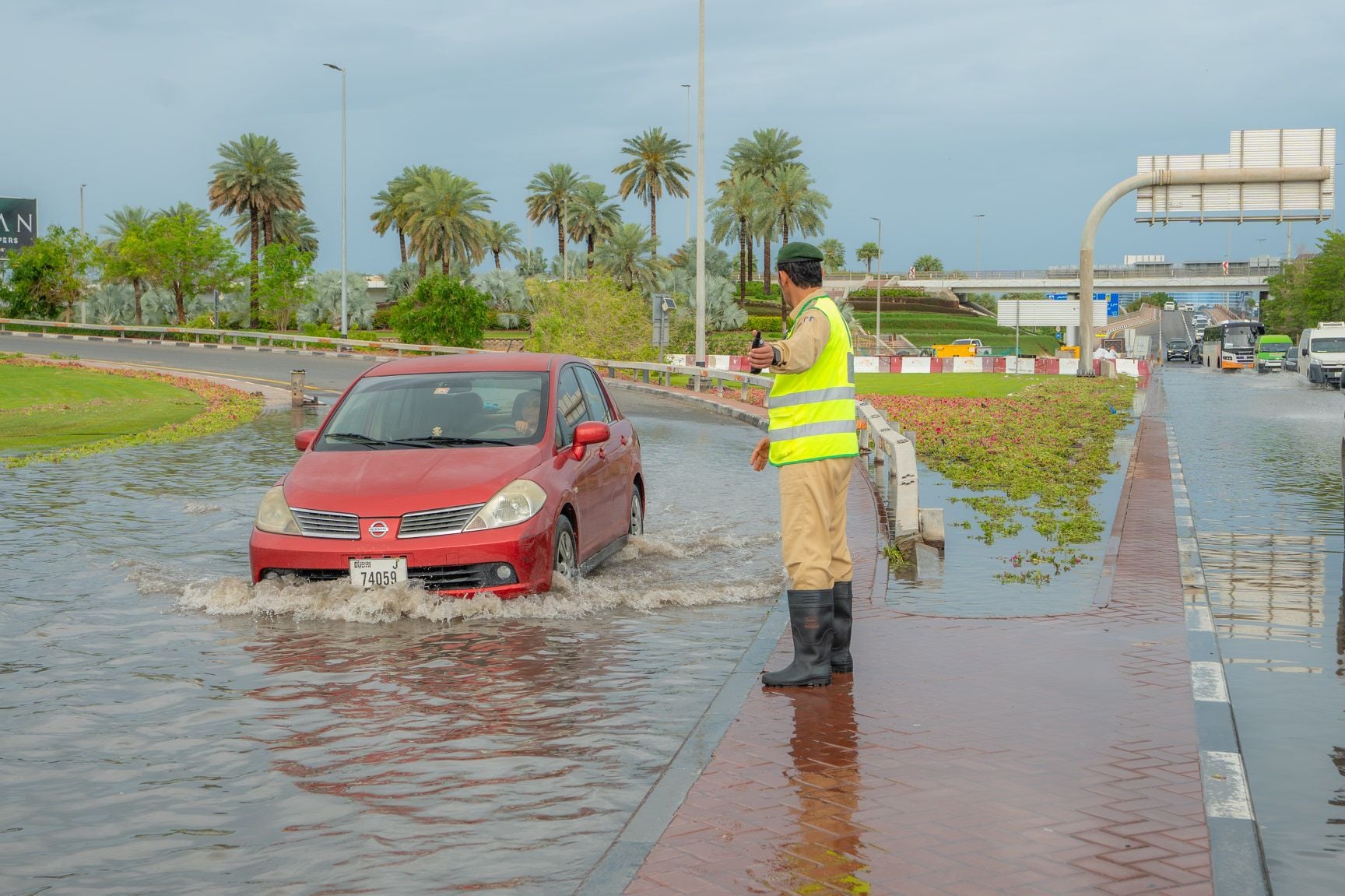
Dubai Police responded to approximately 50,000 calls in less than 10 seconds during a violent storm