
Guide
16/06/2026
How to beat the heat in Dubai 2026 and have fun?
Copy link

Ewelina Winiarczyk
26 May 2026
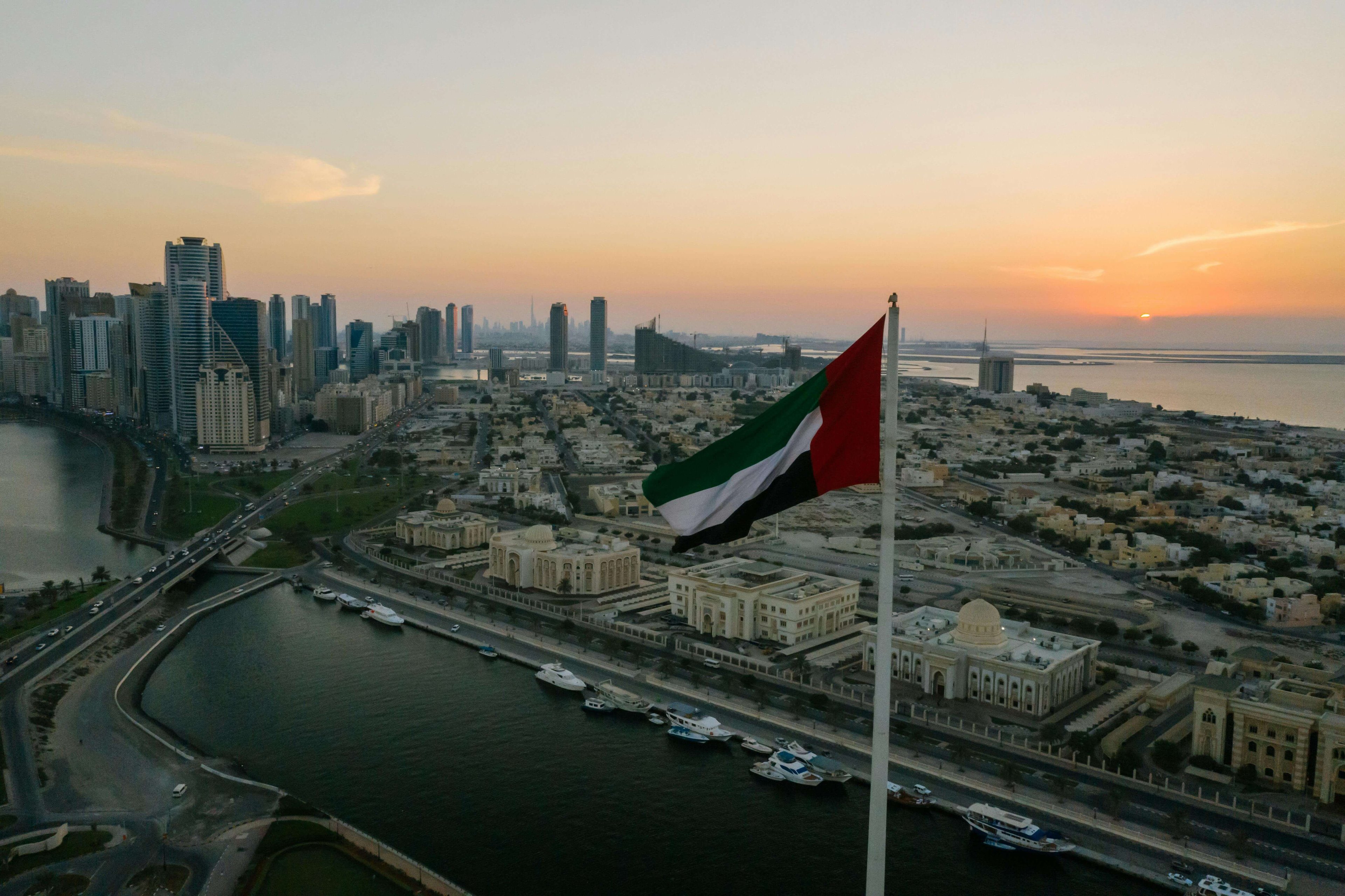
For years, the United Arab Emirates has been among the world’s most popular tourist destinations. For many people, it symbolizes luxury, impressive architecture, and dynamic economic growth. At the same time, it is a country with strong Arab traditions, where modernity meets centuries-old desert culture. If you’re planning a trip to this region, it’s worth learning the most important practical information about the UAE beforehand, which will help you better prepare for your trip and avoid unnecessary surprises.
The United Arab Emirates is a federation of seven emirates located on the Arabian Peninsula on the Persian Gulf. It comprises Abu Dhabi, Dubai, Sharjah, Ajman, Umm Al Quwain, Ras Al Khaimah, and Fujairah. The country was established in 1971 following the end of British protectorate rule and has been developing at an extremely rapid pace ever since. The capital of the country is Abu Dhabi, which is also the largest and wealthiest emirate.
Although Arabic is the official language, English is widely used in everyday life. This is due to the fact that a large portion of the country’s population consists of foreigners. It is estimated that over 80 percent of the population consists of expatriates who work in the Emirates across various sectors of the economy. This makes the UAE one of the most international societies in the world.
The country is famous for its modern infrastructure, some of the largest airports in the world, and impressive architectural projects. It is here that you’ll find the world’s tallest building, as well as numerous artificial islands and luxury resorts.
When planning a trip to the Emirates, it’s worth checking the current entry requirements in advance. For tourists from many countries, including Poland, the procedure is relatively simple. In most cases, you don’t need to apply for a visa before your trip, as it is issued free of charge at the airport upon arrival.
Immigration regulations are also very important when traveling. Your passport must be valid for at least six months from the date of your planned entry into the country. Tourists can typically stay in the Emirates for up to 90 days within a 180-day period. Those planning a longer stay, work, or studies must apply for the appropriate residence visa, most often sponsored by an employer or educational institution.
Dubai and Abu Dhabi are the two most frequently visited emirates. Dubai is famous for its modern architecture, luxury hotels, and massive shopping malls. Abu Dhabi, on the other hand, is the country’s capital and home to the most important government institutions as well as impressive cultural and religious landmarks.
One of the things definitely worth considering before your trip is the climate in the Emirates. The country is located in a desert climate zone, which means very high temperatures for most of the year and little rainfall.
The most comfortable time to travel is from October to April. During this period, daytime temperatures typically range from 24 to 30 degrees Celsius, and evenings are warm. This is when most outdoor events, festivals, and sporting events take place.
In summer, temperatures can exceed even 45 degrees Celsius. High humidity, especially in coastal cities, makes the heat feel very intense. Despite this, life in the cities functions normally, as nearly all buildings, modes of transportation, and shopping centers are air-conditioned.
The United Arab Emirates is a Muslim country, so many aspects of daily life are tied to tradition and religion. At the same time, Dubai and Abu Dhabi are among the most open and cosmopolitan cities in the Middle East.
However, it is recommended to exercise some restraint in public spaces. This applies primarily to clothing, which should be relatively modest in public places, especially in mosques or government offices. Women are not required to wear traditional Arab attire, but shoulders and knees should be covered in more conservative settings.
Ramadan - the holy month in the Muslim calendar - is also an important part of the culture. During this period, fasting is observed during the day, which is why in the past, eating and drinking in public places was restricted. Currently, regulations in tourist cities are more flexible, but it is still advisable to show respect for local customs.
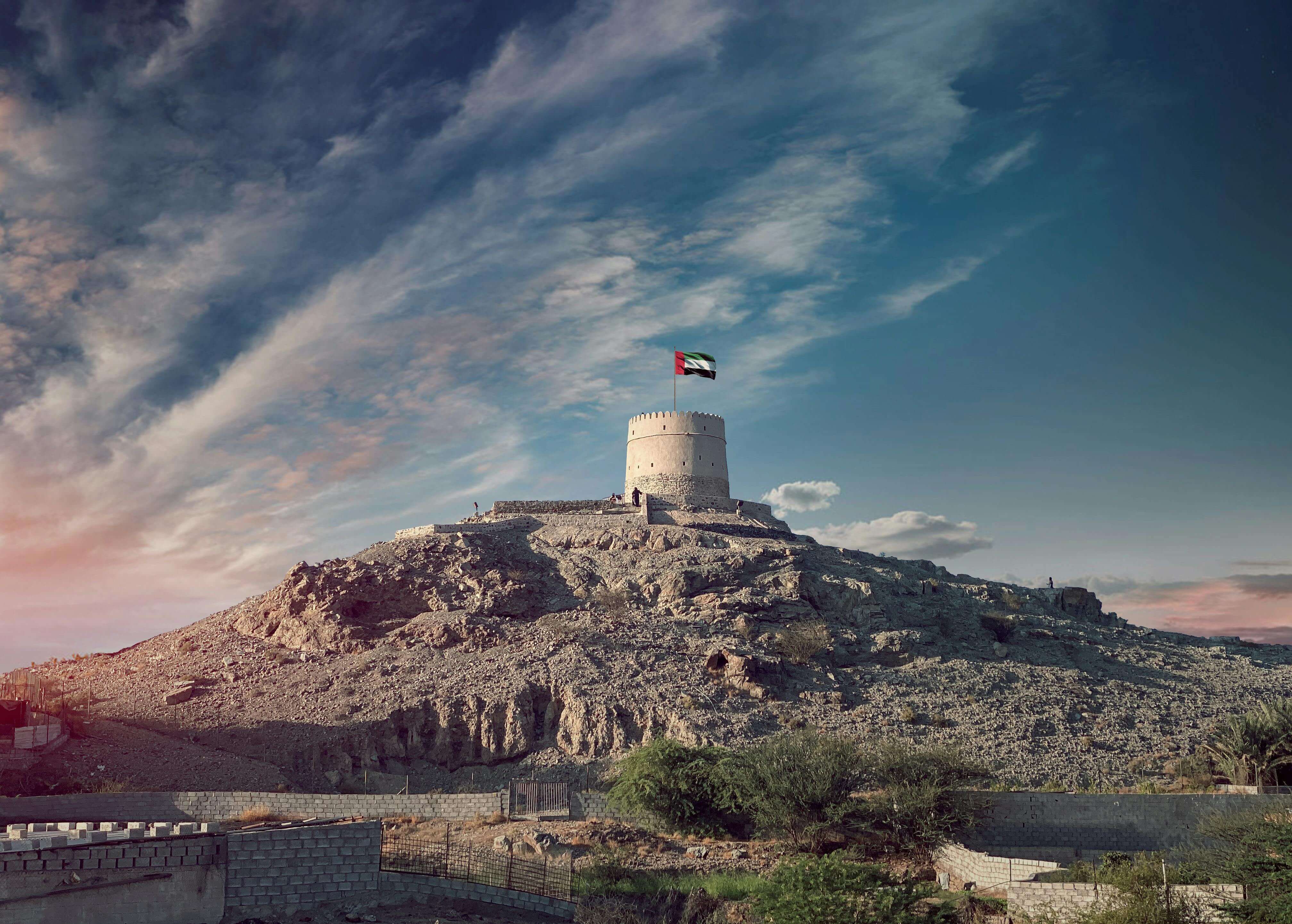
One of the reasons the Emirates are so popular among tourists and residents is the very high level of safety. Crime in the country is relatively low, and its cities are among the safest in the world.
Strict laws and a zero-tolerance approach to lawbreaking play a major role here. Safety and the law are taken very seriously in the Emirates, so it’s important to follow local rules. Laws regarding drugs, insulting religion, or disrespecting state authorities are particularly strict.
It is also worth remembering that certain behaviors considered normal in Europe, such as public displays of affection, may be viewed negatively in the Emirates.
The country’s official currency is the Emirati dirham, abbreviated as AED. The dirham’s exchange rate has been pegged to the U.S. dollar for years, ensuring financial stability. In practice, this means that prices in the Emirates are relatively predictable.
When it comes to currency and prices in Dubai, the city offers a wide range of options, from very luxurious restaurants and hotels to more affordable choices for tourists traveling on a tighter budget. In many neighborhoods, you can find affordable restaurants serving Indian, Pakistani, or Arabic cuisine.
Credit cards are widely accepted, and ATMs can be found in virtually every shopping mall or hotel.
The transportation infrastructure in the Emirates is among the most modern in the world.
The main modes of transport:
The Dubai Metro is one of the most modern metro systems in the world and largely serves the city’s most important districts.
Roads in the Emirates are of very high quality, and traveling between the emirates, e.g., from Dubai to Abu Dhabi, takes about 1.5 hours.
The Emirates offer an incredibly wide range of tourist attractions - from futuristic cities to desert landscapes. In Dubai, the world’s tallest building, Burj Khalifa, is hugely popular; from its observation decks, you can admire an impressive panorama of the city and the desert stretching to the horizon.
One of the most recognizable attractions is also the artificial island Palm Jumeirah, home to luxury hotels, private apartments, and numerous restaurants overlooking the Persian Gulf. In Abu Dhabi, it is worth visiting the impressive Sheikh Zayed Grand Mosque, which is one of the largest and most beautiful mosques in the world. Its monumental architecture, white marble, and richly decorated interiors attract tourists from all over the globe.
Also very popular among visitors are yacht cruises in Dubai, which allow you to see the city from a completely different perspective. During such a trip, you can admire the panorama of the modern Dubai Marina district, the luxury hotels on Palm Jumeirah, and the famous Burj Al Arab hotel. Cruises often take place at sunset, making this one of the most unique experiences for many tourists during their stay in the Emirates.
Desert tours are also very popular. Safaris in off-road vehicles across the golden dunes, camel rides, and dinners in traditional Bedouin camps allow you to see a completely different side of the Emirates and experience the atmosphere of ancient Arab culture.
1. Are Dubai and Abu Dhabi safe for tourists?
Dubai and Abu Dhabi are among the safest cities in the world, and the crime rate there is very low. Tourists can feel safe both during the day and at night, provided they follow local laws and cultural norms.
2. Are there special regulations for tourists in the UAE?
In the United Arab Emirates, there are certain regulations that tourists should also follow. These include, among other things, a ban on drug possession, restrictions on alcohol consumption limited to designated areas, and the need to respect local culture and religion. It is also important to dress appropriately in public places and to be aware of the ban on photographing certain government and military buildings.
3. How to prepare for living or working in the UAE?
To prepare for living or working in the UAE, it’s a good idea to check visa requirements in advance, find an employer willing to sponsor your visa, and familiarize yourself with the cost of living. It’s also helpful to learn the basic cultural norms and laws in the Emirates.
4. What are the key facts about the climate and geography of the Emirates?
The United Arab Emirates is located on the Arabian Peninsula on the Persian Gulf and is largely covered by desert. The country has a hot, desert climate with very high temperatures in the summer, which often exceed 40°C, and milder winters. Rainfall is rare and occurs mainly during the winter months.
See other news
16/06/2026
How to beat the heat in Dubai 2026 and have fun?

16/06/2026
Holidays in Dubai in August 2026 - is it too hot?

16/06/2026
What is the weather in Dubai in July 2026?
15/06/2026
Poland’s largest hotel has finally opened
15/06/2026
Construction of the Sagrada Família’s tallest tower has been completed
15/06/2026
Beach umbrellas have been banned at Punta Molentis beach in Sardinia
15/06/2026
Enter Air’s largest summer season ever
15/06/2026
Kyrgyzstan has been removed from the EU’s “blacklist”
15/06/2026
Airport tax in Belgium on the rise

14/06/2026
Dubai Outlet Mall - What to Buy at the Outlet in Dubai?