
Guide
16/06/2026
How to beat the heat in Dubai 2026 and have fun?
Copy link

Ewelina Winiarczyk
22 January 2026
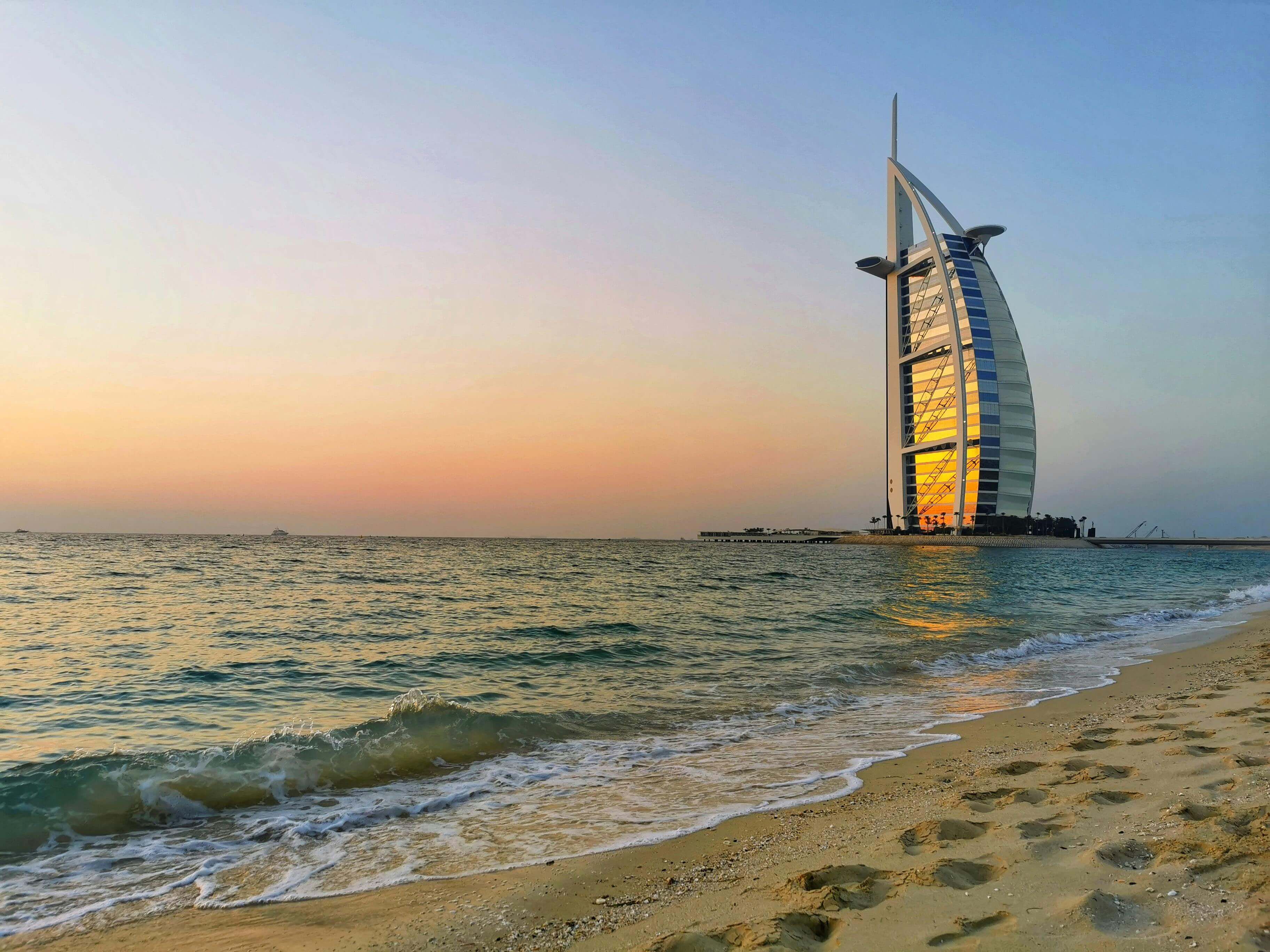
The United Arab Emirates has been attracting tourists for years with its sunshine, modern architecture, and exotic climate. However, before you plan your trip, it is worth understanding what the weather is like in the UAE throughout the year and what to expect in each month. The weather in the Emirates has a huge impact on the comfort of sightseeing, sunbathing, and outdoor activities, especially for people who are not used to the heat.
The United Arab Emirates is located in a dry tropical climate zone, which means that the weather is desert-like. It is characterized by a very high number of hours of sunshine, minimal rainfall, and significant temperature differences between day and night. Sun and high temperatures are the norm - even in winter, the days remain bright and warm.
During the day, temperatures remain high for most of the year, while at night they can drop significantly, especially in the coldest winter months. The climate of the UAE means that sunny weather prevails for most of the year, and cloud cover is rare. This makes the region attractive to tourists looking for warmth and stable weather almost all year round.
The best time to travel to the United Arab Emirates is between November and March. During this period, temperatures are pleasant and weather conditions are favorable for both exploring modern cities and relaxing outdoors.
Winter in the UAE brings average daytime temperatures of around 22-26°C, which for many tourists means comfortable warmth without oppressive heat. It is the perfect time for walks around Dubai, visiting historical sites, relaxing on the beach, or trips to the desert, when the weather allows you to take full advantage of the region's attractions.
The hottest period of the year lasts from June to September. High temperatures of over 40°C are the norm, and high humidity from the Persian Gulf further increases the perceived temperature.
Especially in summer, the humidity can be very high, which can cause a feeling of stuffiness. In the afternoon, it becomes difficult to be outside, so life moves to air-conditioned spaces. Shopping malls, hotels, and restaurants provide comfort even during the hot summer.
For those unaccustomed to the heat, summer can be a challenge, but at the same time it is a period of lower prices and less tourist traffic.
Rainfall in the United Arab Emirates is very rare and irregular. The country lies in a dry tropical climate zone, which is why cloudless skies and high temperatures prevail for most of the year. Rain mainly occurs during the winter months and in transitional periods, most often from December to March, but even then it is short-lived, passing showers that quickly subside. Sometimes it rains only a few times a year, and its intensity rarely affects the daily lives of residents or tourists. For this reason, rainfall is not a significant factor when planning a trip and usually does not interfere with sightseeing or leisure activities.
Air humidity is much more important for the comfort of your stay. In winter, its level is relatively low or moderate, which, combined with milder temperatures, makes the conditions most favorable for tourists. In summer, however, humidity rises rapidly, especially in coastal areas, reaching very high values. High air humidity combined with extreme temperatures causes the body to tire more quickly and the heat to become much more noticeable. The natural cooling of the body through sweat evaporation is impeded, which can cause shortness of breath, fatigue, and reduced comfort when outdoors.
The tourist season in the United Arab Emirates is closely dependent on weather conditions, which greatly affect the comfort of sightseeing and relaxation. November to March is the high tourist season, considered the best time to travel to this region.
During this period, temperatures are moderate, usually ranging between 20-30°C, and humidity remains relatively low. Sunny days and cloudless skies prevail, which is conducive to planning various forms of active recreation.
In winter and early spring, the weather conditions are ideal for outdoor activities such as sunbathing, seaside walks, water sports, and cruises. It is also a great time to explore modern cities such as Dubai and Abu Dhabi, visit historical sites and markets, and take part in sightseeing tours. No wonder that during this period the number of tourists is the highest, and the prices of accommodation and attractions reach their peak.
Summer, which lasts from June to September, is the low tourist season. Extremely high temperatures, often exceeding 40°C, combined with high humidity, make it difficult to stay outside for long periods of time. These conditions deter some tourists, especially those who prefer active sightseeing. At the same time, this is a period when you can take advantage of more attractive prices for accommodation, flights, and promotional offers in hotels and shopping centers. Thanks to its modern infrastructure and air-conditioned interiors, the United Arab Emirates remains a year-round destination, although the nature of summer vacations differs significantly from that of the winter season.
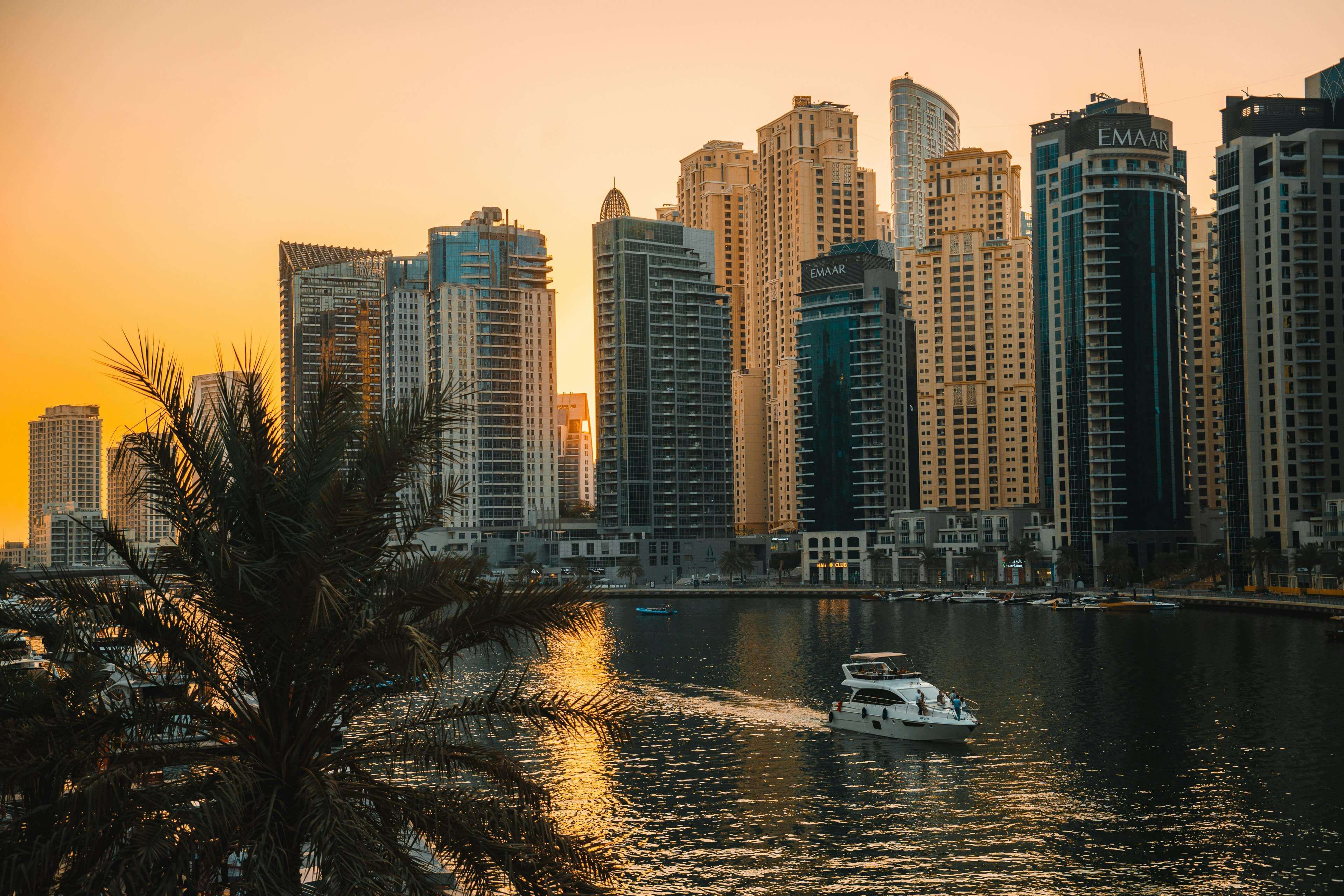
January - February: the coolest months of the year. The average daytime temperature is around 22-25°C, while at night it drops to 14-16°C. Conditions are very comfortable for both sightseeing and outdoor activities.
March-April: the hot spring period. Temperatures gradually rise, averaging 28-33°C during the day and around 18-22°C at night. These are still very good months for sightseeing and sunbathing, although the sun is becoming more intense.
May: a preview of the hot summer. Daytime temperatures reach 32-38°C, and at night they remain around 23-26°C. Humidity begins to rise, which gradually reduces the comfort of being outdoors.
June - August: the hottest months of the year. Average daytime temperatures are 37-44°C, and at night they rarely fall below 28-32°C. High humidity and intense sunlight significantly limit outdoor activities and encourage relaxation in air-conditioned interiors.
September: still very hot, but conditions are gradually improving. Daytime temperatures are around 34-40°C, and at night 26-29°C. Humidity is slowly decreasing, heralding the approaching tourist season.
October: a transitional month with increasingly comfortable weather. Daytime temperatures range from 30-36°C, dropping to 22-25°C at night. This is a good time for sightseeing and outdoor activities.
November - December: an excellent time to travel to the UAE. Average daytime temperatures are 24-31°C, and at night around 17-21°C. Sunny days predominate, and conditions are ideal for both sightseeing and beach relaxation.
Water temperature: The average water temperature in the Persian Gulf is around 22-24°C in winter and 30-32°C in summer, making sunbathing and swimming possible all year round.
The weather in Dubai and other Arab emirates significantly affects the daily lifestyle of residents and how tourists spend their time.
In summer, due to the very high temperatures and high humidity, the day starts early, and most activities are planned for the morning or late evening when the heat is less intense. During the day, life mainly takes place in air-conditioned interiors - shopping malls, hotels, and restaurants.
In winter, however, the weather conditions are much milder, which is conducive to active outdoor recreation. It is the perfect time for walks on Palm Jumeirah, relaxing on the beach, and sightseeing. The pleasant temperatures also encourage sports and numerous outdoor activities.
The large number of sunny days per year and the almost complete absence of rainfall make the United Arab Emirates a particularly attractive destination for lovers of warm and stable weather, seeking sunshine at any time of the year.
1. What are the temperatures in Dubai in summer?
Summer in Dubai is very hot, with daytime temperatures often reaching 40 to 45°C, especially in July and August. In addition, high humidity makes the temperature feel even higher and can be very tiring, especially in the afternoon. Nights are warm, with temperatures rarely falling below 30°C.
2. Does it rain in the United Arab Emirates?
Yes, it does rain in the United Arab Emirates, but it is rare and irregular. It most often occurs in winter or during the transition period and is short-lived and intermittent.
3. What is winter like in Abu Dhabi?
Winter in Abu Dhabi is mild and very pleasant, with daytime temperatures usually ranging from 22 to 26°C and evenings and nights dropping to around 14-18°C. This is a period of sunny weather, with low humidity and occasional rainfall, ideal for sightseeing and outdoor activities.
4. Does the weather affect the tourist season in the UAE?
Yes, the weather has a huge impact on the tourist season in the UAE. The high season is from November to March, when temperatures are pleasant and humidity is low, which is conducive to sightseeing and sunbathing. In contrast, during the hot summer months, high temperatures and humidity cause a decline in the number of tourists, despite lower accommodation prices.
See other news
16/06/2026
How to beat the heat in Dubai 2026 and have fun?

16/06/2026
Holidays in Dubai in August 2026 - is it too hot?

16/06/2026
What is the weather in Dubai in July 2026?
15/06/2026
Poland’s largest hotel has finally opened

15/06/2026
Construction of the Sagrada Família’s tallest tower has been completed
15/06/2026
Beach umbrellas have been banned at Punta Molentis beach in Sardinia
15/06/2026
Enter Air’s largest summer season ever

15/06/2026
Kyrgyzstan has been removed from the EU’s “blacklist”

15/06/2026
Airport tax in Belgium on the rise

14/06/2026
Dubai Outlet Mall - What to Buy at the Outlet in Dubai?