
News
05/02/2026
LOT restores domestic connection from Krakow to Gdańsk
Copy link

Bartosz Jaglarz
5 February 2026
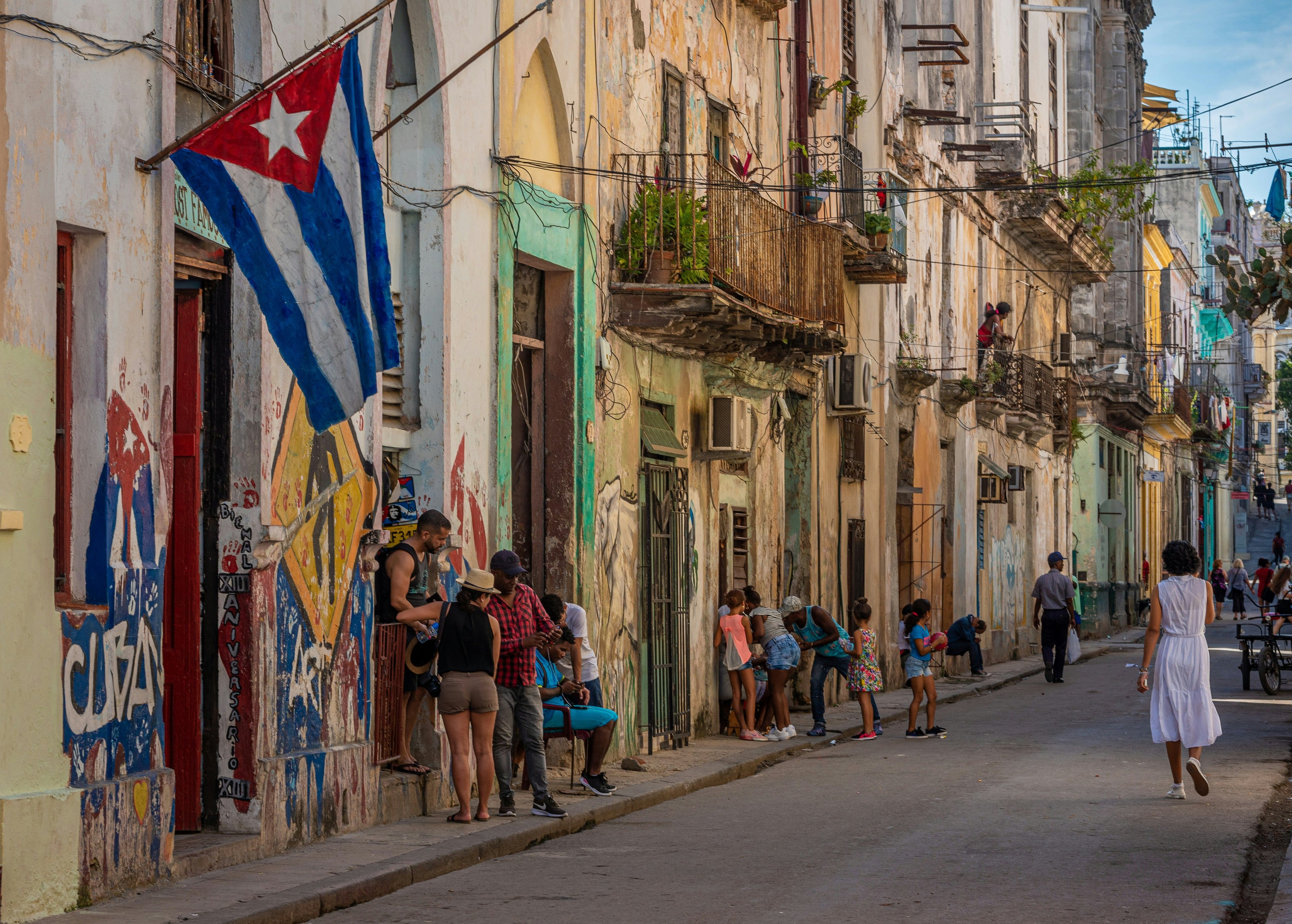
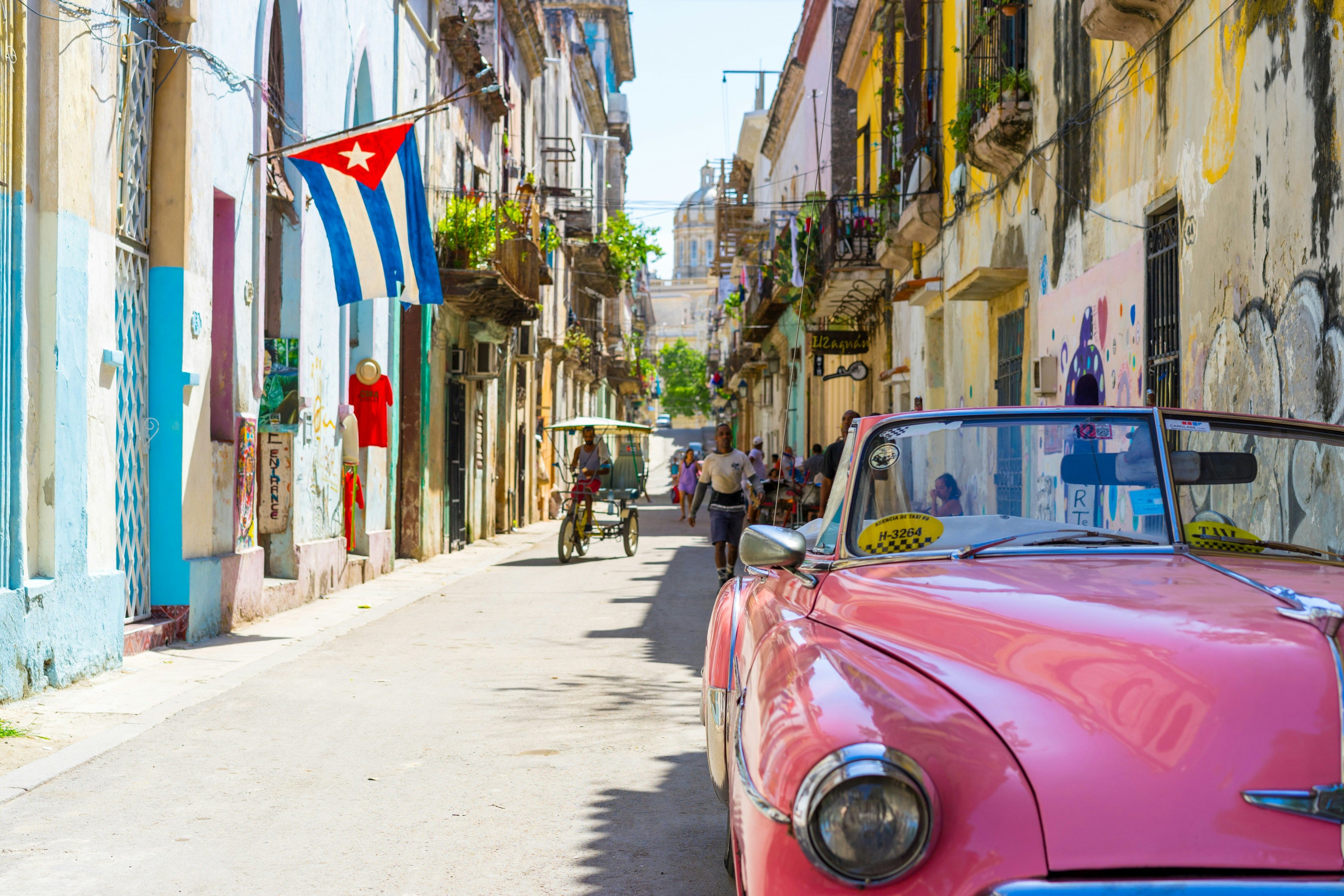
The rhythm of Cuban music, majestic beaches and colourful streets of Havana attract tourists like a magnet. However, the incredible atmosphere is accompanied by reports of danger on the island for travellers. Is Cuba safe for tourists? Is there anything to worry about before leaving on holiday, and what do you need to prepare for? Cuba tourist safety – find out more in our guide.
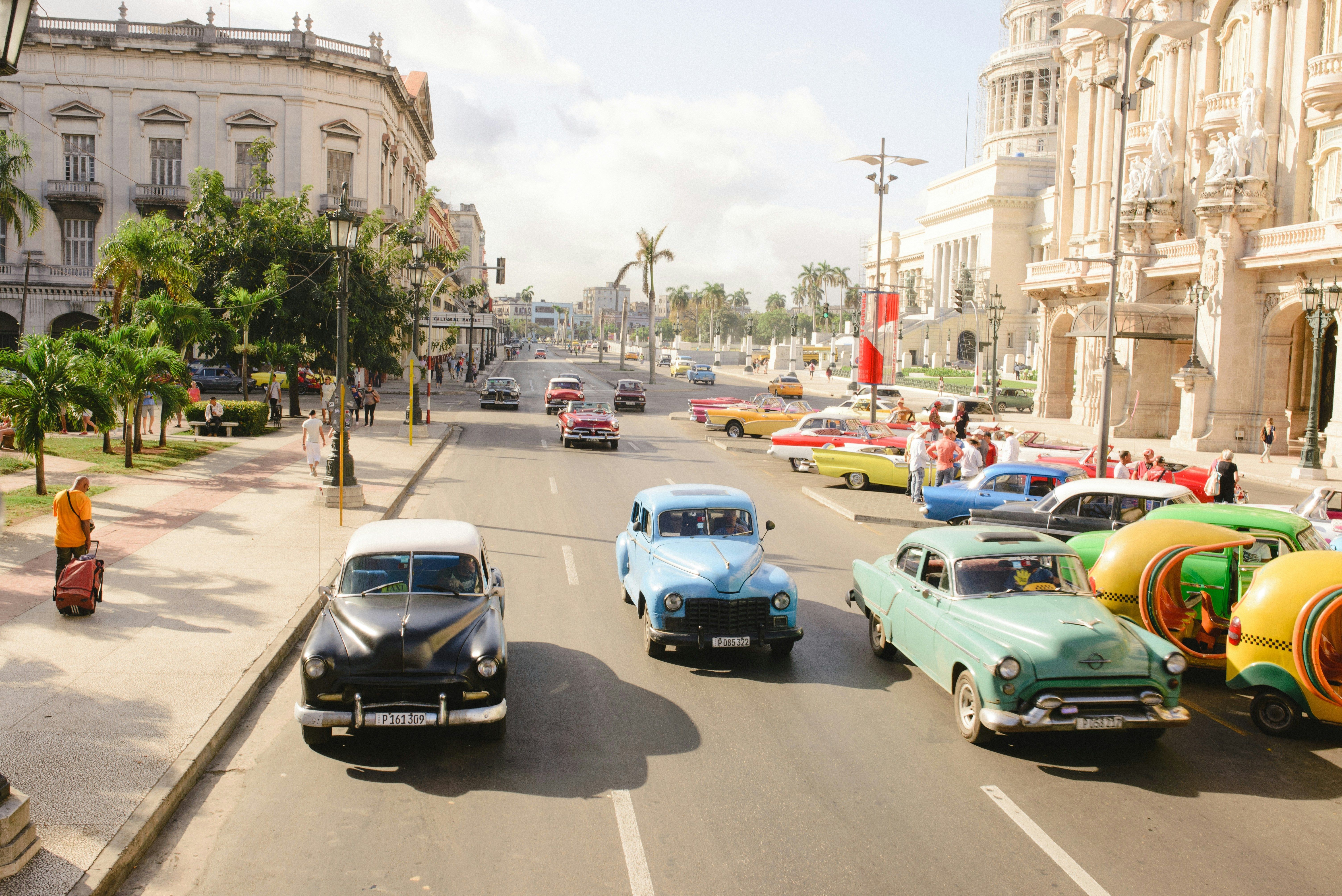
Cuba attracts visitors like a magnet with its unique atmosphere, colourful houses and vintage cars. It is a fascinating destination offering paradise beaches, the smell of cigars and hot salsa rhythms that take you back in time. The island is considered one of the safest countries in the Caribbean and Latin America. Tourism is the foundation of the local economy, which is why visitors are generally treated in a privileged manner, as a commodity that fuels the economy. On the streets of popular resorts, you will often encounter tourist police ensuring peace and order. Despite the specific political system and economic crisis, the locals are usually very hospitable and helpful. Cuba is the perfect place for an exotic adventure full of history and authentic culture. Is there anything to be afraid of and is there any risk of crime in Cuba? Do all the assurances about safety correspond to reality? Read on!
Tourist threats Cuba – most tourists feel comfortable on the island, and serious organised crime is rare here. The capital offers safe neighbourhoods in Havana, such as Habana Vieja, Vedado and Miramar, where you can walk freely and tourists can feel at ease. Trinidad is a charming colonial city where life flows slowly and safety is high. Cienfuegos, known as the ‘Paris of Cuba’, delights with its peaceful atmosphere and the respect of its inhabitants towards visitors. Varadero, on the other hand, is an almost completely isolated world of resorts with its own security and a very low crime rate. In the western part of the island, you will find the Viñales Valley, which is considered one of the most friendly and safe agricultural regions. However, you must remember that the current economic crisis may increase petty crime, such as pickpocketing.
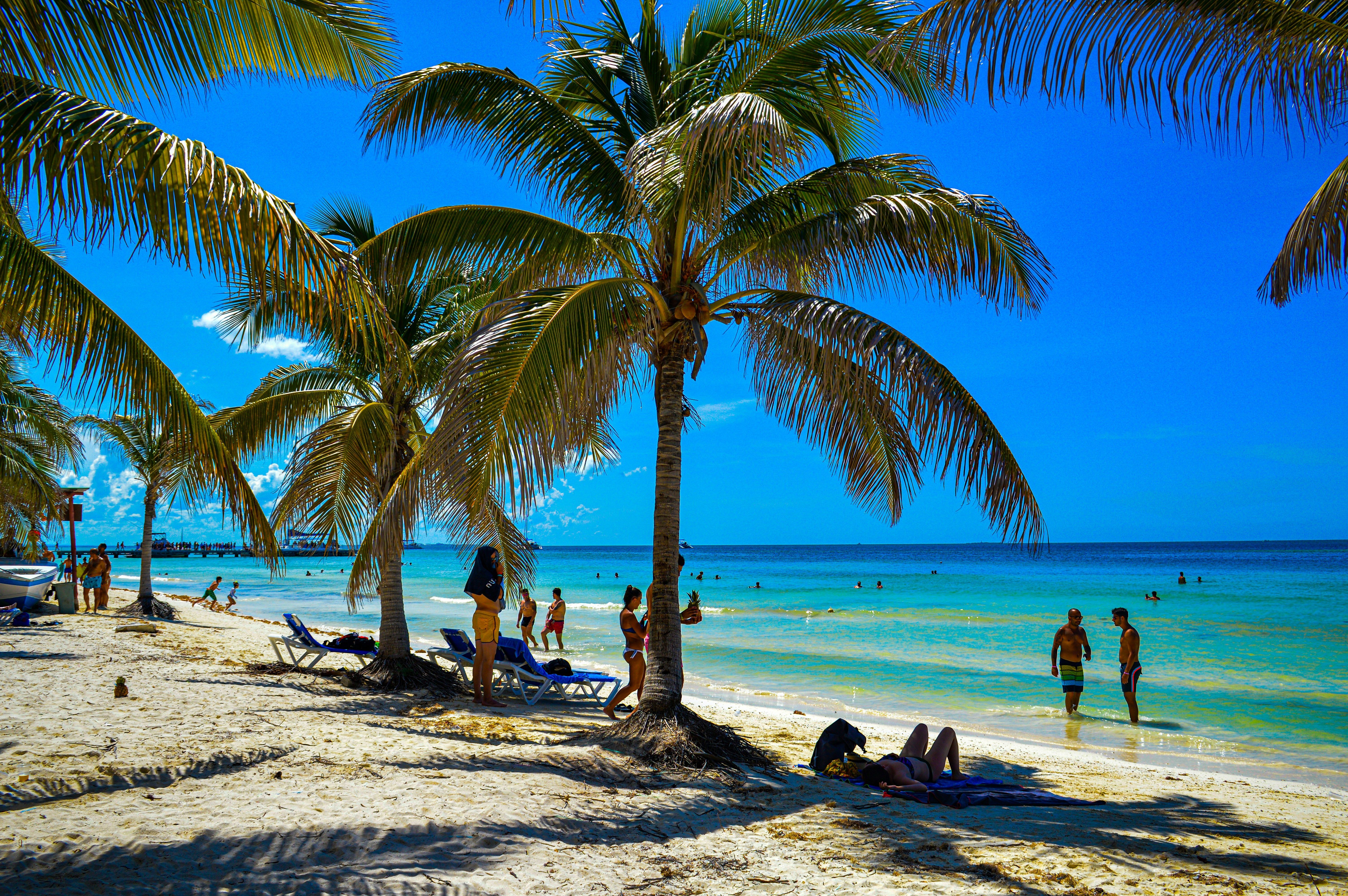
As in any country, there are areas where crime in Cuba is higher and it is better to avoid these places as a tourist. What are these places? It is worth avoiding certain parts of large cities, such as the Centro Habana and Regla districts in the capital, where the infrastructure is damaged and there is a lack of lighting, which can be a problem without local connections or knowledge of the language. You should absolutely avoid photographing military zones and border areas near the Guantanamo base. The province of Guantanamo can be difficult for individual tourists due to the terrible condition of the roads and limited access to medical facilities. The Cienaga de Zapata area can be risky during the rainy season due to flooding and disappearing mobile phone coverage. Some outskirts of resorts are often overrun by so-called jineteros, who try to rip off tourists with inflated prices for cigars or transport. It is also better not to venture into poorly lit streets outside the strict tourist centres after sunset.
A safe holiday in Cuba is pretty much a given. It is a wonderful island, full of cheerful locals who, despite their difficult history, remain optimistic and, to the rhythm of samba and cigar smoke, sip rum in bars in the evening and enjoy life. However, warnings for tourists in Cuba are always useful! What precautions should you take in Cuba? What should you be prepared for?
Cuba is considered a safe destination even for women travelling alone. The locals are open-minded, which makes it easy to socialise and find help in case of unforeseen difficulties. Staying in private homes, or casas particulares, allows you to integrate with local families, who become a natural source of support. Despite the general safety, solo travellers should maintain standard vigilance and trust their intuition when dealing with strangers. It is recommended to avoid walking alone in deserted areas at night and to use official tourist transport.
When it comes to tourism and safety, Cuba is quite a specific topic when it comes to solo travel. Cuba is considered a safe destination even for women travelling alone. The locals are considered open-minded, which makes it easier to socialise and find help in case of unforeseen difficulties. Activities such as staying in private homes, or casas particulares, allow you to integrate with local families, who become a natural source of support.
Despite the general safety, solo travellers should maintain standard vigilance and trust their intuition when dealing with strangers. You may encounter opinions that Cuba is not so safe, which is sometimes unfortunately true. Therefore, when travelling solo, it is important to keep in mind that it is better to be careful and know Spanish/have a Spanish translator to avoid misunderstandings. It is also recommended to avoid walking alone in deserted areas at night and to use official public transport without first finding out how it works.
Are you looking for other guides about Cuba? We invite you to read our other articles: what to see in Cuba, when is the best time to fly to Cuba, how long is the flight to Cuba and how much can a holiday in Cuba cost. We also encourage you to familiarise yourself with our offer of trips to Dubai and attractions in Dubai/accommodation in Dubai, which are our speciality!
Unfortunately, we too often associate safety only with common crime, weather hazards or other dangers we are familiar with. We forget about health, which can often ruin a holiday. The biggest health problem for visitors to Cuba is tap water, which should not be drunk under any circumstances. Bottled water should be used even for brushing your teeth to avoid serious food poisoning and parasites. Of course, in highly rated hotels, the water should be fine for some of the activities described above, but it is better not to take any risks.
The island has mosquito-borne diseases such as dengue, Zika and Oropouche virus. It is therefore necessary for tourists to use strong repellents and sleep in rooms with mosquito nets or air conditioning. Cuban healthcare suffers from a severe shortage of medicines, so a well-equipped first aid kit is essential. You must remember this! It is worth taking extra medication with you in case you can share it with the locals. They suffer from a huge shortage of medicines and even a small gift from tourists can save lives. Also, remember that tourists use paid international clinics, and travel insurance is a requirement for entry.
In Havana, petty crime such as pickpocketing, luggage and phone theft is most common, especially in crowded tourist areas and markets. There are also reports of scams and the risk of mugging after dark, especially in poorly lit areas outside the city centre.
To stay safe while on holiday in Cuba, only use official yellow taxis, avoid travelling after dark and keep your valuables in the hotel safe. Drink only bottled water, avoid tap ice and use DEET repellents to protect yourself from mosquito-borne diseases such as dengue and Zika.
Tourists in Cuba may fall victim to pickpockets, scams and severe shortages of electricity, fuel and basic goods. Mosquito-borne diseases such as dengue fever and stomach problems resulting from drinking tap water also pose a significant risk.
See other news
05/02/2026
LOT restores domestic connection from Krakow to Gdańsk

05/02/2026
PKP Intercity connection to Croatia returns. Slovenia and Italy as options
05/02/2026
Cuba – what is worth seeing?
05/02/2026
When to fly to Cuba?
05/02/2026
How long is the flight to Cuba?
05/02/2026
How much does a holiday in Cuba cost?
05/02/2026
Is Cuba safe?
05/02/2026
There will be more Wizz Air flights from Poland to Cyprus
05/02/2026
Icelandair will launch a connection from Gdańsk to Iceland!
03/02/2026
Gdańsk Airport to lift liquids limit in hand luggage as early as July