
News
11/06/2026
Vietnam introduces a mandatory pre-arrival health declaration
Copy link

Bartosz Jaglarz
22 January 2026
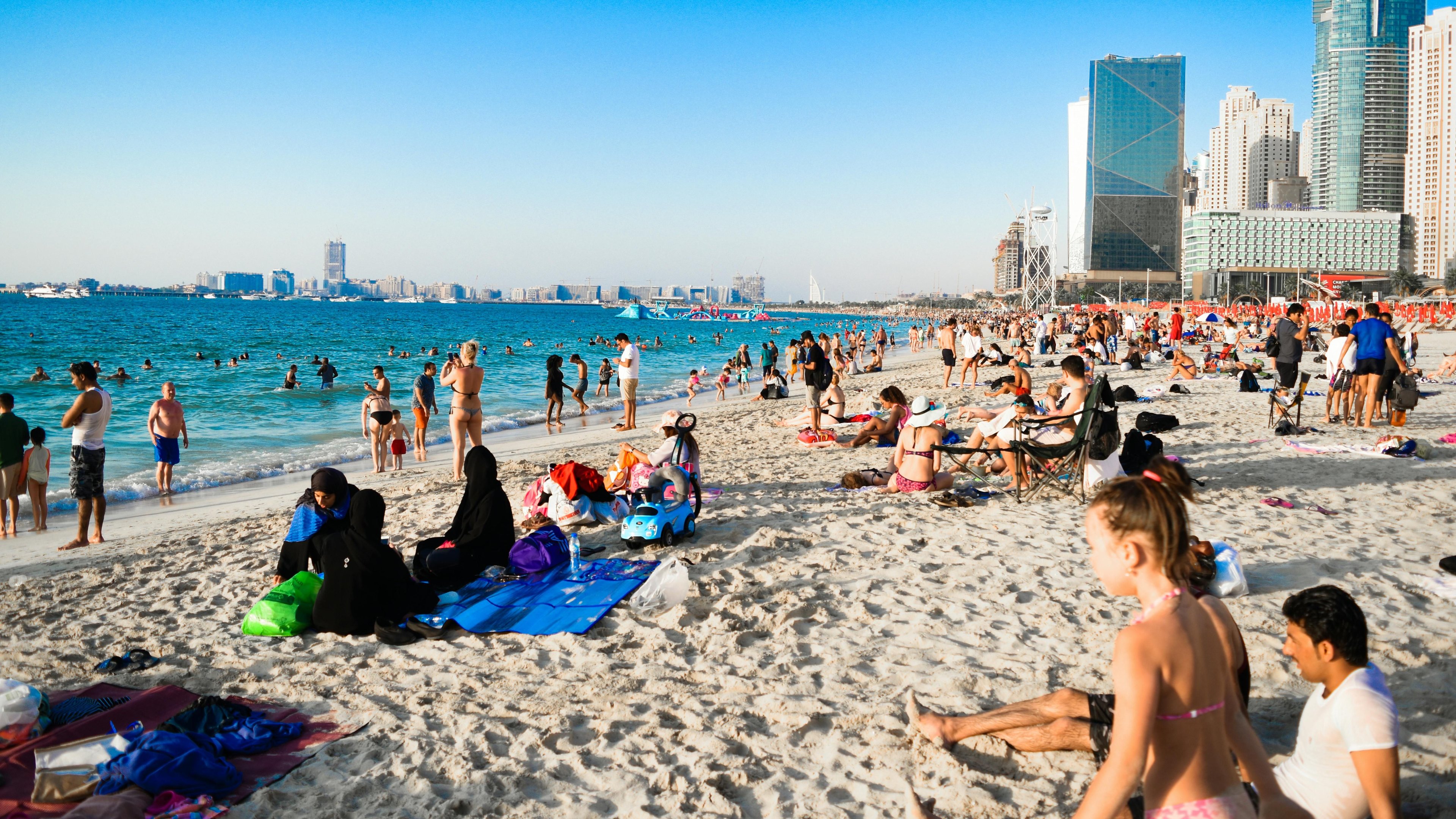
Today, the United Arab Emirates is a modern nation that owes its success to the hard work of the local population and millions of visitors from around the world. How many people live in the UAE? What is the demographic structure of the United Arab Emirates? Find out more before you go on holiday to Dubai.
The United Arab Emirates is one of the most fascinating places in the world. This country combines Arab traditions and Middle Eastern influences with cultures from every corner of the earth. The beauty of the desert, the wildness of the Al Hajar Mountains and the best attractions in the United Arab Emirates are a magnet for tourists. It's hardly surprising! The art of Abu Dhabi, the modernity of Dubai and the beautiful dunes of the desert Sharjah can enchant anyone. However, behind this tourist success are people, more specifically migrants and citizens of the UAE. Let's get to know them better.
How many people live in the United Arab Emirates? Data for 2025 shows that the United Arab Emirates has a population of 11.3 to 11.5 million. This is the estimated but accurate population of the UAE for 2025/2026, with a forecast for further growth in 2026. Are you interested in other data and information about the United Arab Emirates? Check out our articles:
The population of the Emirates, which currently stands at around 11.5 million, is of course divided among individual cities. When you go on a trip to Dubai, you can expect crowds, but in Fujairah, there will be far fewer tourists and residents. The demographics of Dubai and Abu Dhabi clearly show that these are the cities with the largest number of residents and visitors. Let's take a look at the list of the population of the United Arab Emirates by city:

What is the demographic structure of the UAE? The ethnic and religious composition of the UAE is unique on a global scale, but typical of similar countries on the Arabian Peninsula, such as Qatar, Oman or Kuwait. There is a big difference between Emiratis and expatriates, and the cities in the United Arab Emirates were built mainly by foreign workers in the UAE, who are highly valued and appreciated at every turn. So what percentage of the UAE's population are Emiratis and what percentage are expatriates?
UAE: 1.31 million citizens, which translates to 11.50%. India: 4 million citizens, which translates to 37.96%. Pakistan: 1.90 million citizens, which translates to 16.72%. Bangladesh: 840,000 citizens, which translates to 7.38%. Philippines: 780,000 citizens, which translates to 6.89%. Iran: 540,000 citizens, which translates to 4.72%. Egypt: 480,000 citizens, which translates to 4.23%. Nepal: 360,000 citizens, which translates to 3.15%. Sri Lanka: 360,000 citizens, which translates to 3.15%. China: 250,000 citizens, which translates to 2.16%. Rest: 250,000 citizens, which translates to 2.16%.
Planning a holiday in the Middle East? Book attractions in Dubai and accommodation in Dubai in one convenient place at the best prices – on the Two Continents website.
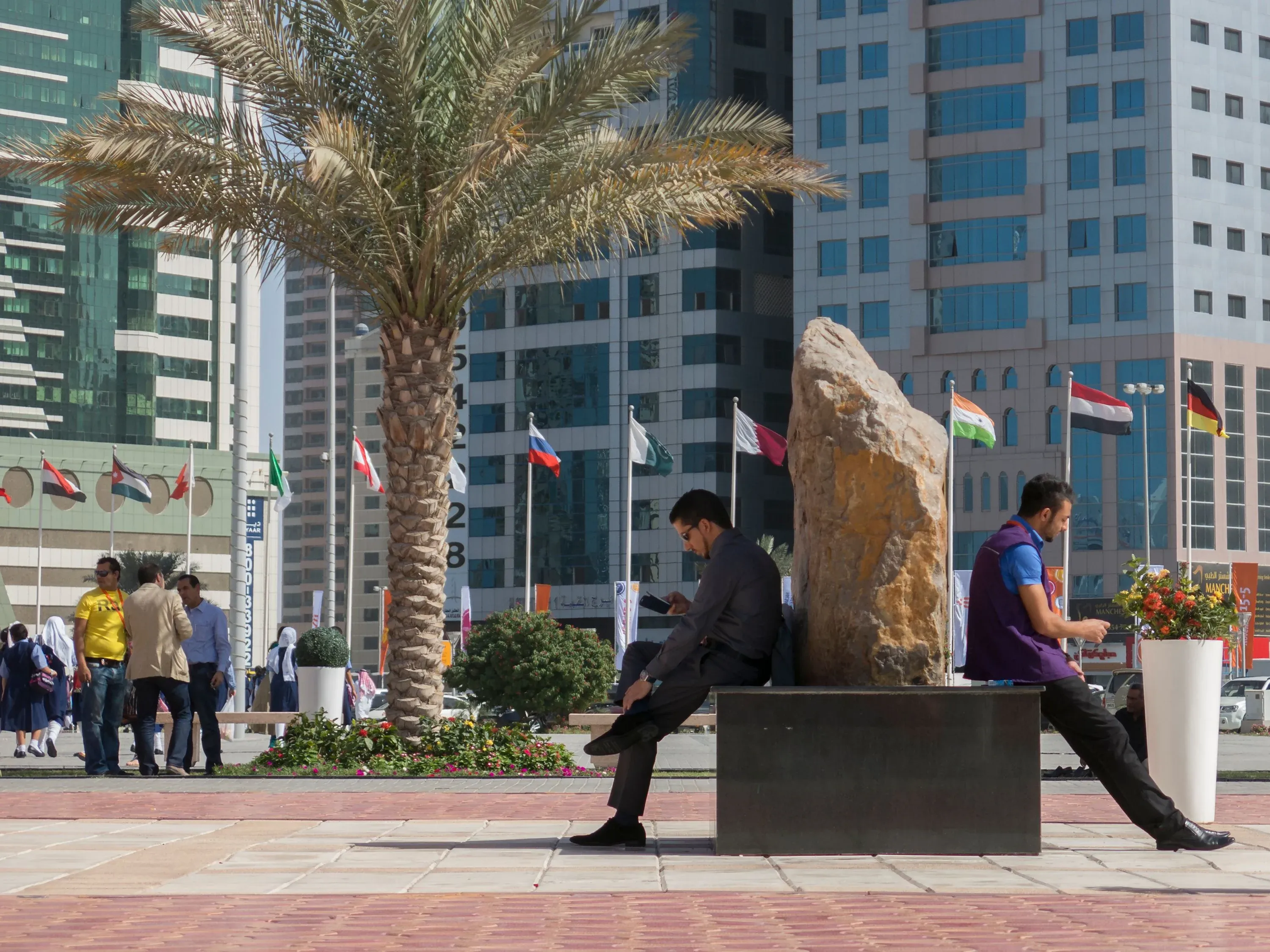
In the United Arab Emirates, there are 7.24 million men and 4.11 million women, which gives 63.80% men and 36.20% women. Statistics show a much greater predominance of men in the UAE, which is due to the nature of gainful employment for migrants, where the vast majority are men. Is the UAE's population growing faster than in other countries in the region? It is difficult to answer this question, but the birth rate in the United Arab Emirates is not high, as in other countries in the region.
The United Arab Emirates is home to a significant majority of migrants compared to Emiratis, with Emirati citizens constituting a minority (approximately 10-20% of the population, depending on the data source). The total population of the UAE exceeds 11 million, with migrants from over 200 countries (mainly India and Pakistan) making up the majority, creating a cultural melting pot.
The emirates of Dubai and Abu Dhabi have the largest populations in the United Arab Emirates, together accounting for more than two-thirds of the country's total population, with Dubai being the largest, followed by Abu Dhabi, and Sharjah being the third largest in terms of population.
The United Arab Emirates is dominated by foreigners, with the largest groups being residents of South Asia (Indians, Pakistanis, Bengalis) and Southeast Asia (Filipinos), alongside minorities from Arab countries (Egypt, Syria, Yemen) and the West. The Emirati nationals are a minority, accounting for about 20% of the population.
See other news
11/06/2026
Vietnam introduces a mandatory pre-arrival health declaration
11/06/2026
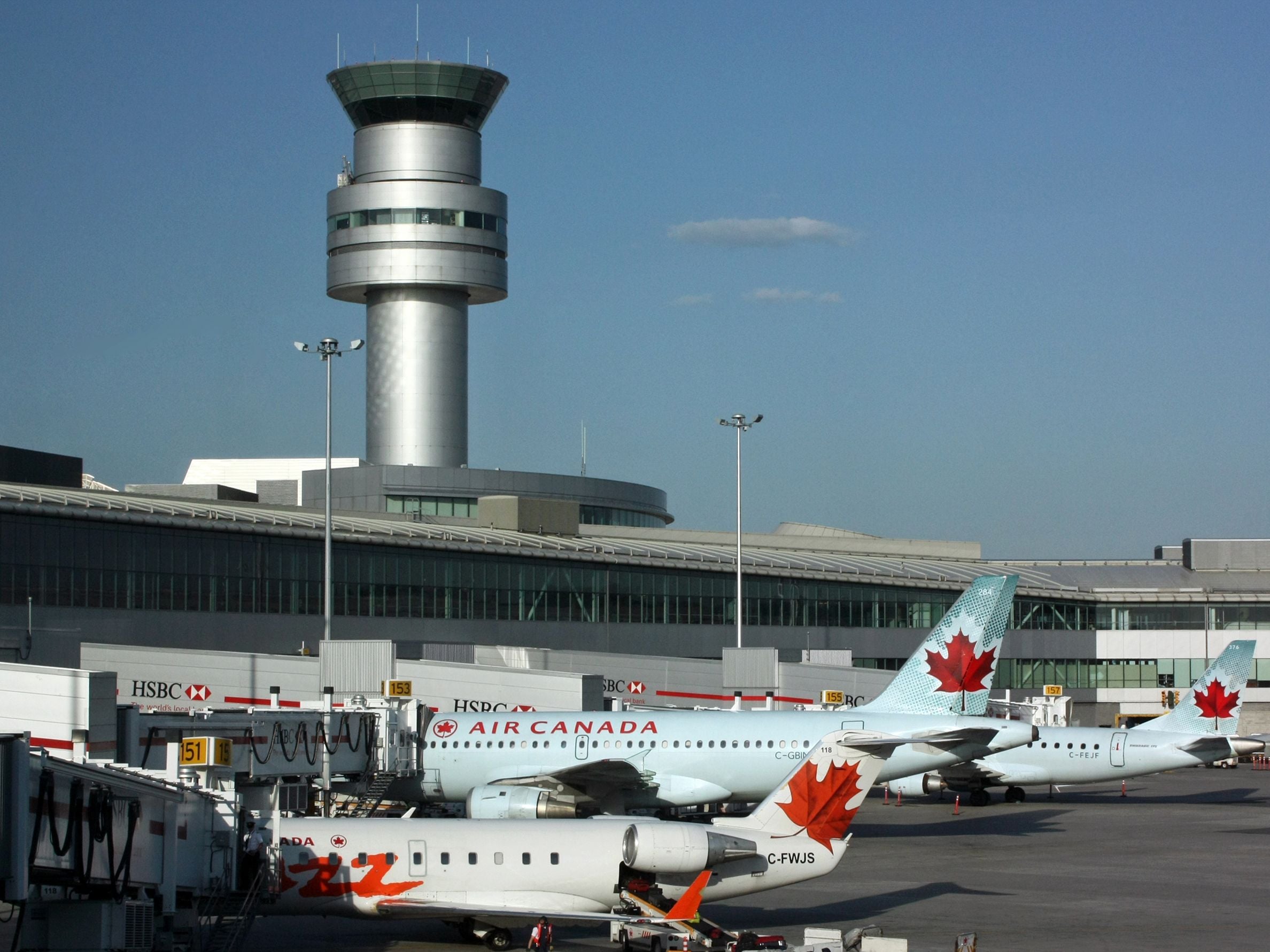
A massive luggage scandal at Canadian airports. Drug smuggling in the background

10/06/2026
The ‘Airport Dragon’ sculpture has been erected outside Kraków Airport

10/06/2026
Krakow Airport has unveiled its new mascot – Krakuś
10/06/2026
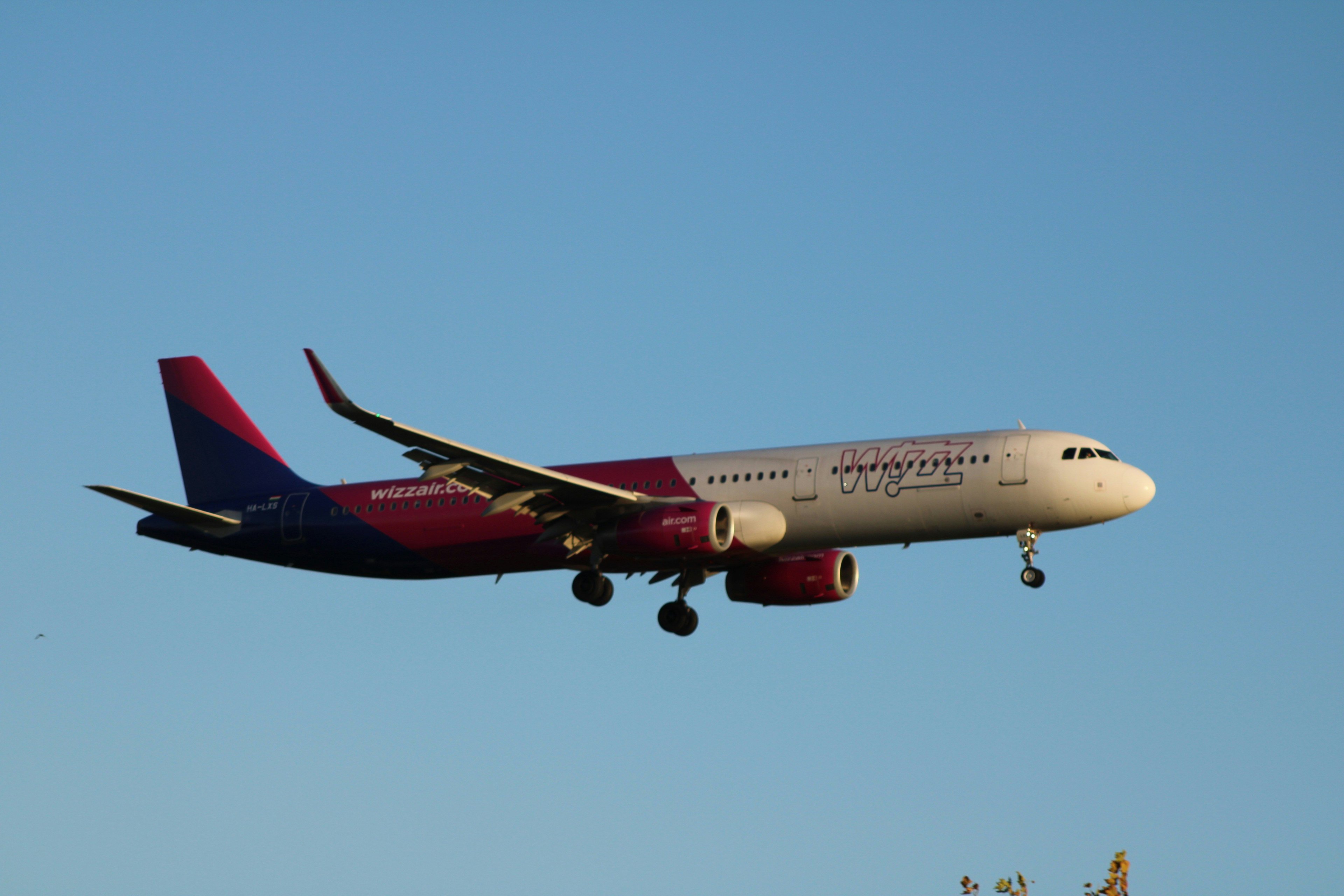
Wizz Air introduces Starlink Wi-Fi on their planes
10/06/2026
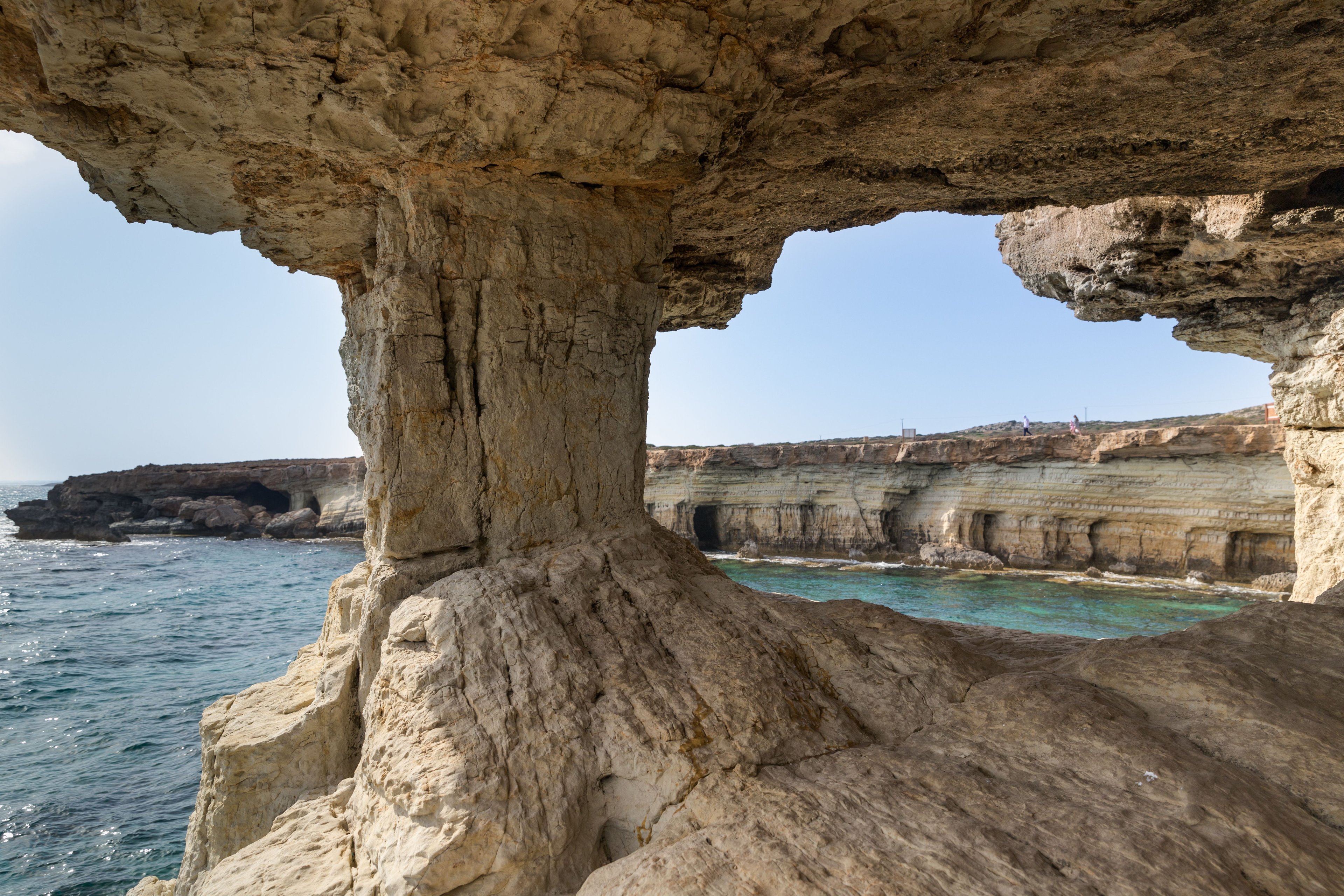
Cyprus’s famous Sea Caves will no longer be open to tourists
10/06/2026
Wizz Air to increase the number of flights from Radom to Cyprus

09/06/2026
airBaltic cancels its route from Warsaw to Riga
09/06/2026
Air Arabia finally resumes flights to Poland
07/06/2026
Eid in Dubai: Traditions, Celebrations and Unique Festive Attractions