
News
15/06/2026
Poland’s largest hotel has finally opened
Copy link

Ewelina Winiarczyk
26 May 2026
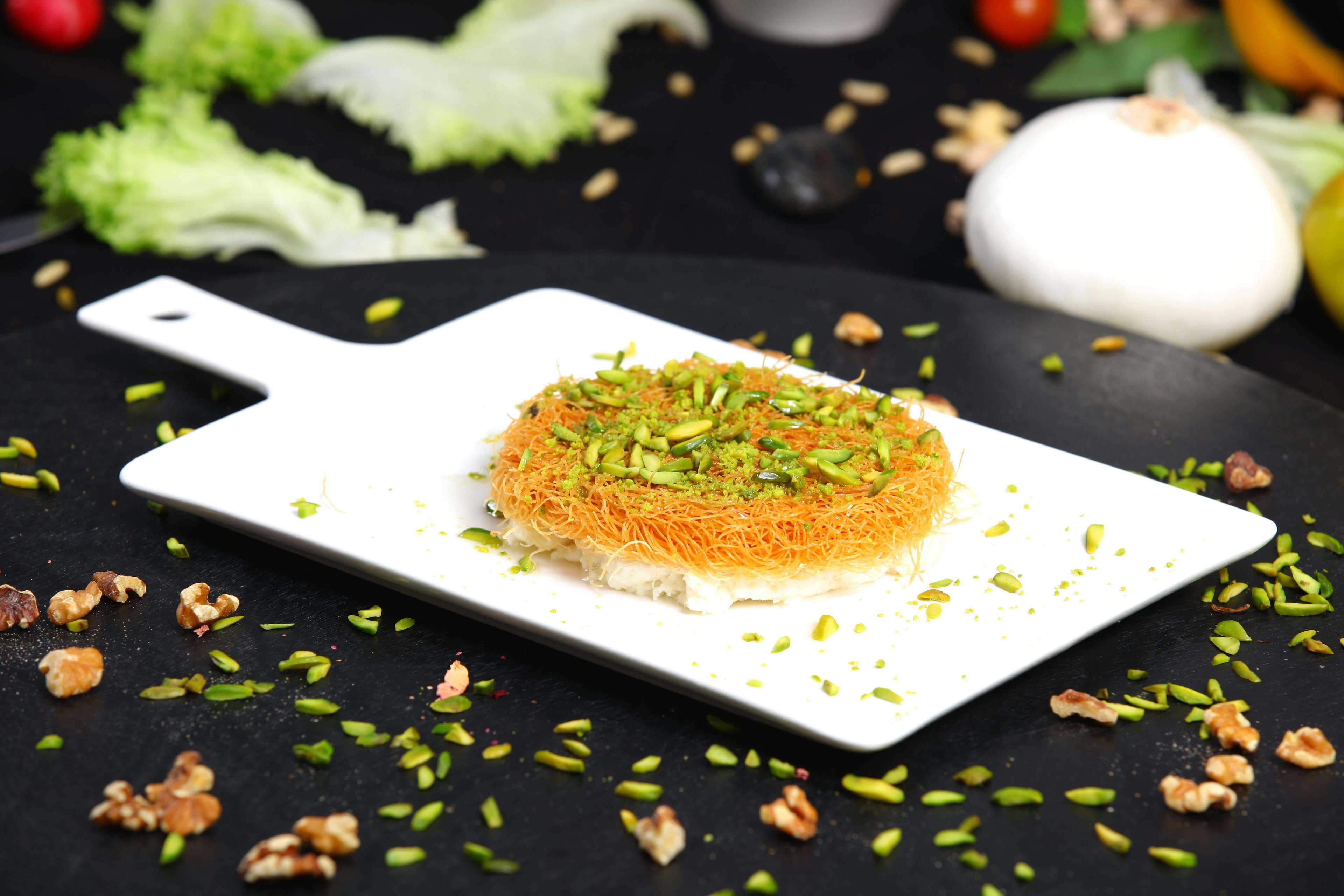
Middle Eastern desserts have something mesmerizing about them - a combination of crunch, sweetness, aroma, and a richness of flavors. But no Middle Eastern dessert inspires such delight as Kunafa (knafeh) - golden, stringy pastry layered with cheese, drizzled with fragrant sugar syrup infused with rose water or orange blossom. It is a traditional Middle Eastern dessert that cannot be mistaken for any other.
For many, their first encounter with this specialty is a true culinary revelation. What is kunafa? It is an Arab dessert originating from the Levant, particularly popular in Palestine, Lebanon, Egypt, and Turkey. Classic Nablus knafeh (named after the city of Nablus in Palestine) is considered the original model for all modern versions. It is a Palestinian dessert that has won the hearts of food lovers around the world - from Amman to Dubai and Paris.
Traditional kunafa consists of thin pastry resembling kataifi (fine, thin strands of phyllo dough), soaked in melted butter, layered with stretchy cheese, and baked until golden brown. After removing it from an oven preheated to about 180-190°C, the hot pastry is drizzled with cold syrup made from 1 cup of sugar, 1 cup of water, lemon juice, and a tablespoon of rose water. As the syrup thickens slightly, it soaks into the layers of the pastry, creating an incredible combination of crispiness, sweetness, and creamy tenderness.
All knafeh pastries are based on a few key elements. The ingredient list is short, but each one is crucial to the final result. Here are the most important ingredients:
To be honest, the secret to this dessert lies not only in the proportions but also in the temperature.
Hot kunafa is drizzled with cold syrup to preserve the crispy top and chewy interior. The dish is often served with a dollop of cream or a scoop of ice cream, and the top is garnished with chopped pistachios to highlight the sweetness and oriental character of the dessert.
If you’re wondering where to eat kunafa in Dubai, the capital of culinary extravagance has plenty to offer.
Whether you choose a café in Deira or a luxury spot at Dubai Marina - kunafa tastes exceptional everywhere. It’s best to order it hot, straight out of the oven, to enjoy its golden top and soft center.
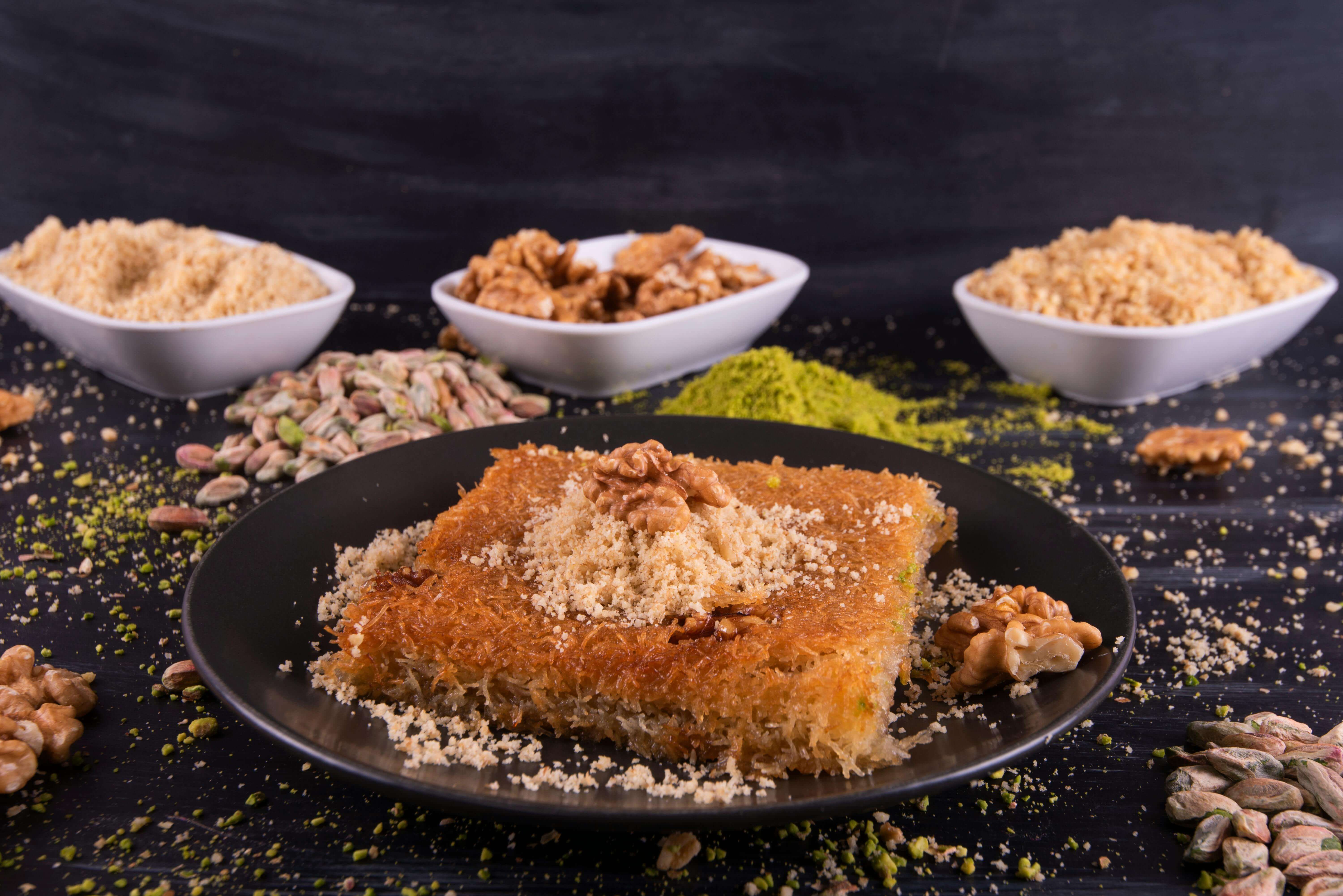
The topic of baklava versus kunafa often comes up in conversations about Arab cuisine. Both desserts share certain similarities - filo pastry, sugar syrup, and aromatic fillings but they differ in texture and flavor.
In other words, baklava is pure sweetness and crunch, while kunafa is an unexpected harmony of cheese and rosewater syrup.
There are many versions of the recipe: the Palestinian knafeh recipe differs slightly from those of Egypt or Turkey. Here is a simplified method to make this Middle Eastern dessert yourself at home:
It’s important not to pour the syrup over the entire kunafa right away. Leave some aside so everyone can add an extra serving of sweetness to their plate. It tastes great after it cools, though it’s best served while still slightly warm.
Kunafa is more than just a dessert; it’s history, emotion, and tradition encapsulated in every bite. This hot dessert symbolizes Middle Eastern hospitality: it’s served during Ramadan, family celebrations, or simply with afternoon coffee. It strikes a balance between sweetness, the aroma of rose water, and the creaminess of cheese.
So if you’re planning a trip to the Emirates, be sure to check out where to eat kunafa - and if you’re staying home, grab a knafeh recipe, preheat the oven, and let the scent of rose syrup and melted butter fill your entire kitchen.
1. How much does kunafa cost in Dubai?
The price of kunafa in Dubai depends on the location; at local pastry shops like Firas Sweets or Al Baba Sweets, a serving usually costs between 10 and 25 AED. In upscale restaurants and hotels, such as those in the Dubai Mall or Dubai Marina, you’ll pay as much as 40-60 AED for kunafa, depending on the toppings and presentation style.
2. Is kunafa vegan?
Traditional kunafa is not vegan because it contains butter and cheese or cream. The classic version uses dairy products, which excludes a plant-based diet. However, there are vegan versions where dairy ingredients are replaced with, for example, vegetable oil and plant-based cheeses.
3. Is kunafa sweet?
Yes, kunafa is definitely sweet. After baking, it is soaked in aromatic sugar syrup, often with the addition of rose or orange water, which gives it an intense, dessert-like flavor.
See other news
15/06/2026
Poland’s largest hotel has finally opened

15/06/2026
Construction of the Sagrada Família’s tallest tower has been completed

15/06/2026
Beach umbrellas have been banned at Punta Molentis beach in Sardinia

15/06/2026
Enter Air’s largest summer season ever

15/06/2026
Kyrgyzstan has been removed from the EU’s “blacklist”

15/06/2026
Airport tax in Belgium on the rise

14/06/2026
Dubai Outlet Mall - What to Buy at the Outlet in Dubai?
14/06/2026
Arabian perfumes - alternatives to well-known fragrances

12/06/2026
Electronic declaration now mandatory at further airports in Vietnam

12/06/2026
The Beliansky Express train returns from Muszyna to Poprad