News
11/06/2026
Vietnam introduces a mandatory pre-arrival health declaration
Copy link

Bartosz Jaglarz
4 January 2026
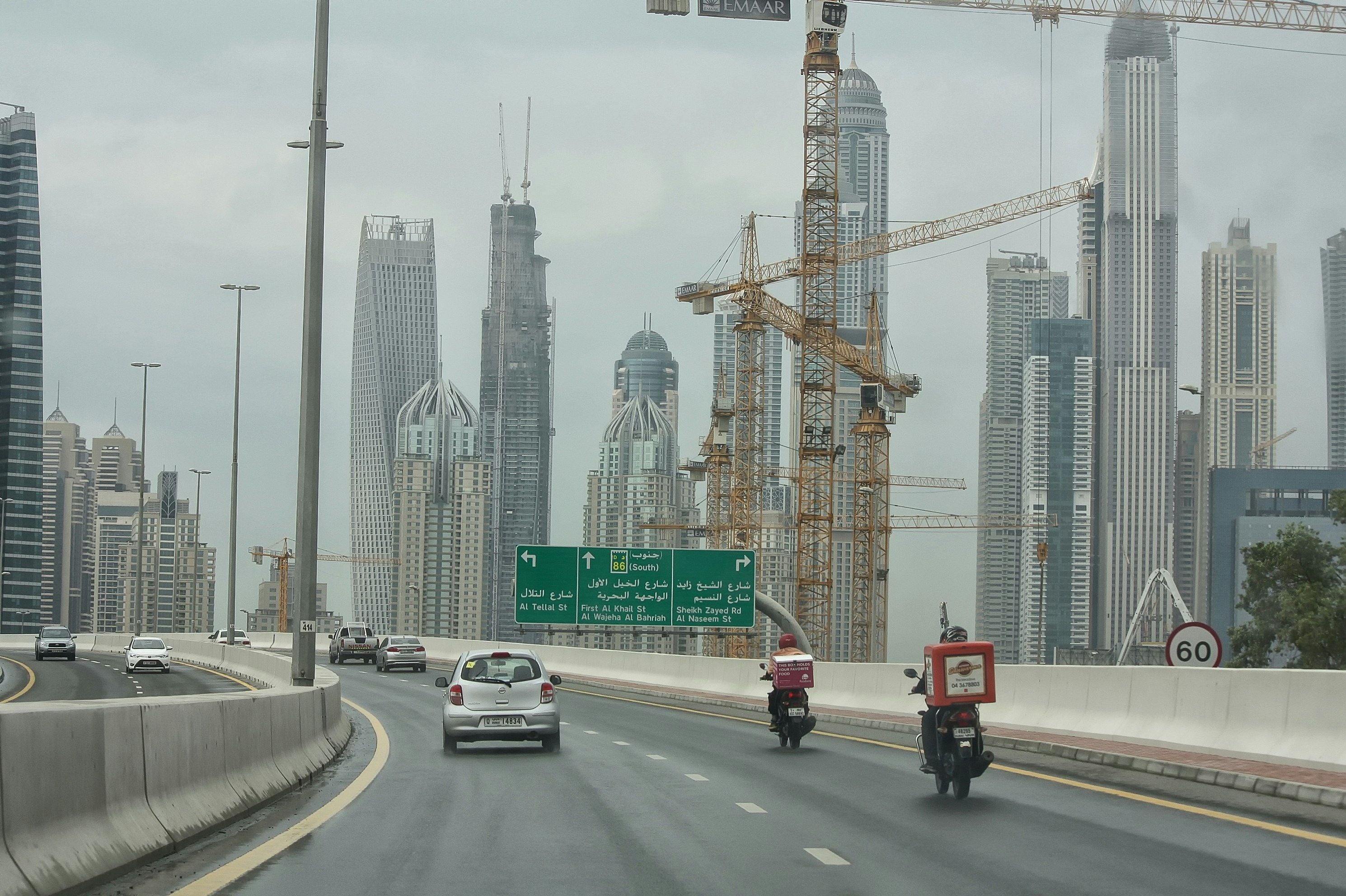
Dubai's economy has come a long way since the 1970s and its first profits from oil production to becoming one of the world's leaders in trade, business, and tourism. Dubai's GDP has not always grown steadily, but its dynamics are proof of the city's multi-vector development and wise management. Explore the historical changes in Dubai's GDP and learn more about the city's economic history.
Dubai's economic growth analysis – before skyscrapers rose in the desert, Dubai was a small port whose inhabitants were engaged in fishing, maritime trade, and pearl diving. You can read more about the history of Dubai in the article How and when was Dubai founded? Facts about the largest city in the UAE. The key moment that started the UAE's economic transformation was the discovery of oil deposits in the 1960s. The first export of this raw material in 1969 fueled rapid development, laying the foundations for a modern society. Although oil had a decisive impact on Dubai's economy at that time, local rulers quickly realized that this resource was finite and began to envision a city without significant oil revenues. As early as the 1970s, Dubai began to build its brand as a financial center by opening the world's first Islamic bank.
At that time, the Dubai brand was just beginning to develop, but today you can enjoy attractions in Dubai and all the entertainment the city has to offer with a proven brand – Two Continents. In addition to attractions, you can book accommodation in Dubai in private apartments with a view of the city, purchase trip packages to Dubai, and read useful articles before your trip, such as the Dubai Guide with a sightseeing plan.
However, the real breakthrough came later. Dubai's economic development since the 1990s has focused on the strategic decision to transform the emirate into a world-class tourist destination. Considering Dubai's economic growth, analysis shows that this momentum accelerated even further after 2000. What contributed to this? First and foremost, huge investments in infrastructure, such as artificial islands, including Palm Jumeirah and the world's tallest building, the Burj Khalifa. Another important step was the introduction of a law in 2002 allowing foreigners to own real estate, which attracted foreign capital. Dubai became a “construction site of the world,” and its economic development began to drive the financial and real estate sectors, supported by numerous special economic zones (known as Free Zones).
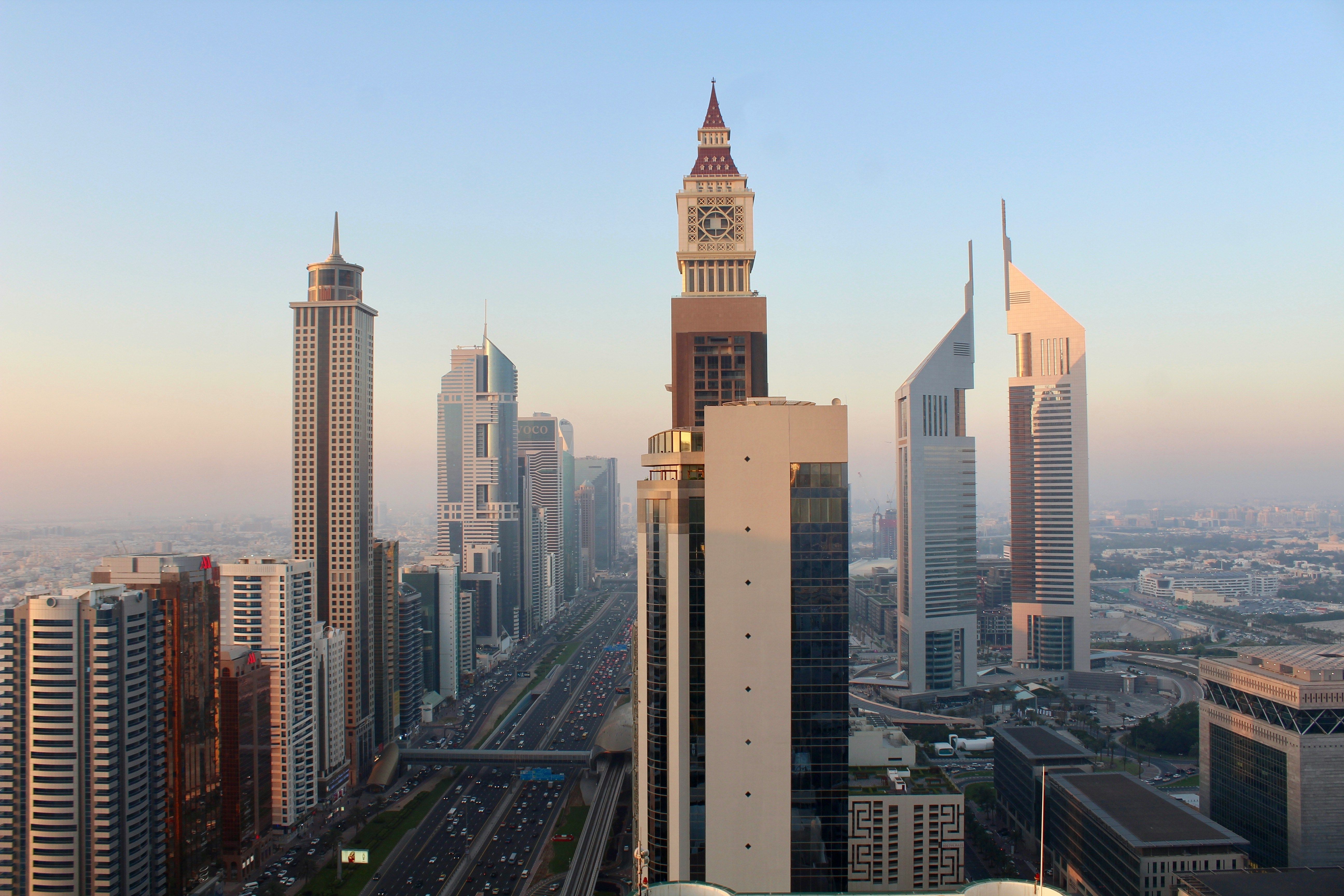
Many tourists still associate the wealth of the Emirates exclusively with oil wells, but Dubai's macroeconomic data paint a completely different picture. Historical changes in Dubai's GDP have led to a situation where economic diversification has become a reality. While oil once accounted for 50% of the emirate's GDP, today its share is less than 5%, and according to some sources, even less than 1%. Currently, the foundations are trade, logistics, financial services, and tourism. Dubai has become one of the world's largest centers for diamond and gold trading. The city has consciously reduced its dependence on raw materials in favor of modern services and technologies, which, looking at Dubai's GDP statistics and data, makes it more resistant to fluctuations in the price of a barrel of oil on global markets. Dubai is a perfect example of how the UAE's economic transformation can influence countries in the region and set global trends.
How has Dubai's GDP changed in recent years? Dubai's GDP, which is part of the larger UAE economy, has shown strong growth in recent years, rebounding from the pandemic-related decline (2020), with a projected stable growth of 3-5% per year, driven by non-oil sectors such as services, construction, finance, tourism, and trade. What were the stages of Dubai's economic development? If we wanted to divide it up, we could divide it as follows: its beginnings as a settlement and center of pearl trade (until the 1930s), crisis and sudden enrichment thanks to oil (1960s), followed by strategic diversification beyond oil (since the 1970s) through investments in trade, tourism, finance, and real estate, which transformed it into a global center of services and innovation. To get to know the city better, read the guide to Dubai's districts.
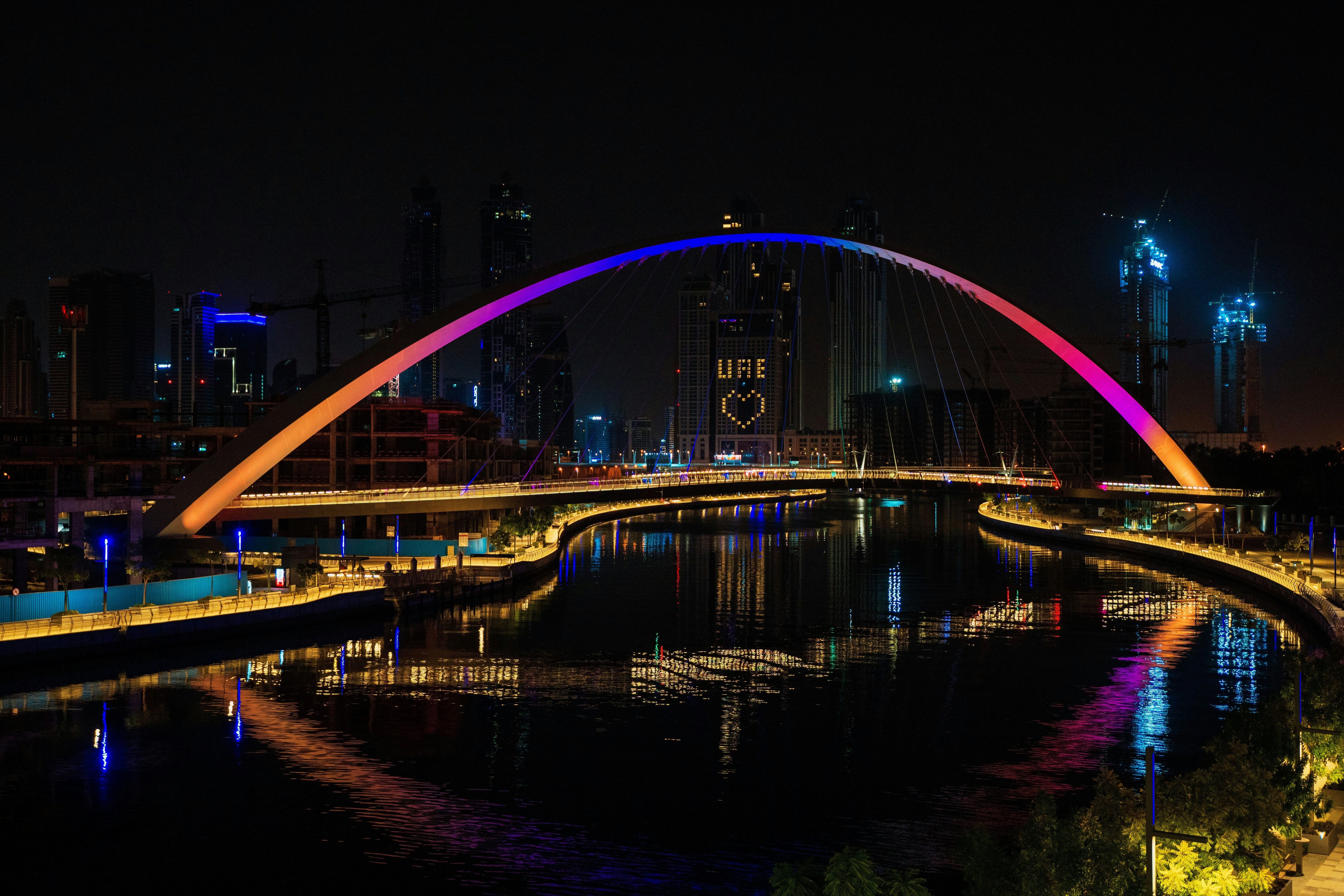
When analyzing how Dubai's GDP has changed over the years, it is impossible to ignore 2020. Lockdowns and the suspension of air traffic hit the city's strongest links – tourism and transport. How did the pandemic affect Dubai's GDP? It was estimated that many companies might not survive the crisis, and global events such as Expo 2020 had to be postponed. Despite this, the emirate demonstrated tremendous agility and wise management. Thanks to the rapid opening of borders and the introduction of business facilitation measures (e.g., the removal of the requirement to have a local partner in many sectors), Dubai's economy quickly rebounded. By 2023, Dubai's GDP had reached approximately AED 429 billion, and the first half of 2025 saw a further 4.4% increase, reaching AED 241 billion.
Read also: Why does Dubai attract foreign investors?
According to the latest available data, Dubai's GDP in the first half of 2025 was AED 241 billion (approximately USD 65.6 billion), an increase of 4.4% compared to the previous year. In the second quarter of 2025 alone, GDP reached AED 122 billion. For comparison, Dubai's total GDP for 2023 was AED 429 billion.
Wholesale and retail trade has the largest contribution to the economy, accounting for 23.8% of GDP in the first half of 2025. Financial and insurance services (12.5%), transport and logistics (approx. 12%), real estate (8.2%), and construction (6.7%) also occupy very strong positions.
Dubai is the second largest emirate in the UAE economy. Although Abu Dhabi has the largest oil reserves and generates the highest revenues from this source, Dubai accounts for about one-third of the country's total GDP. However, Dubai dominates the region as a leader in trade, tourism, and modern financial services. Historical changes in Dubai's GDP have always established Dubai as one of the two leaders of the UAE, alongside Abu Dhabi.
See other news
11/06/2026
Vietnam introduces a mandatory pre-arrival health declaration
11/06/2026
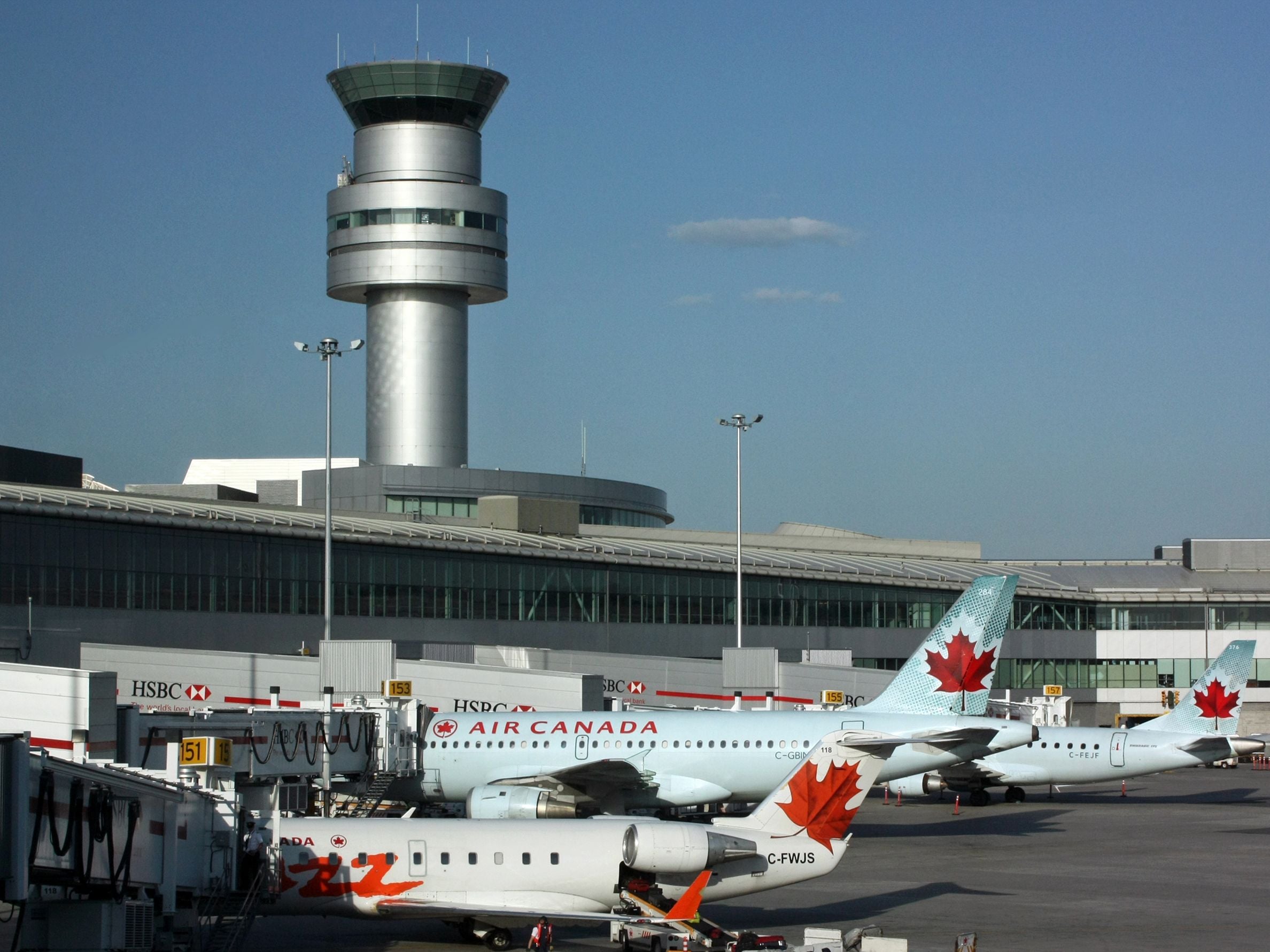
A massive luggage scandal at Canadian airports. Drug smuggling in the background
10/06/2026
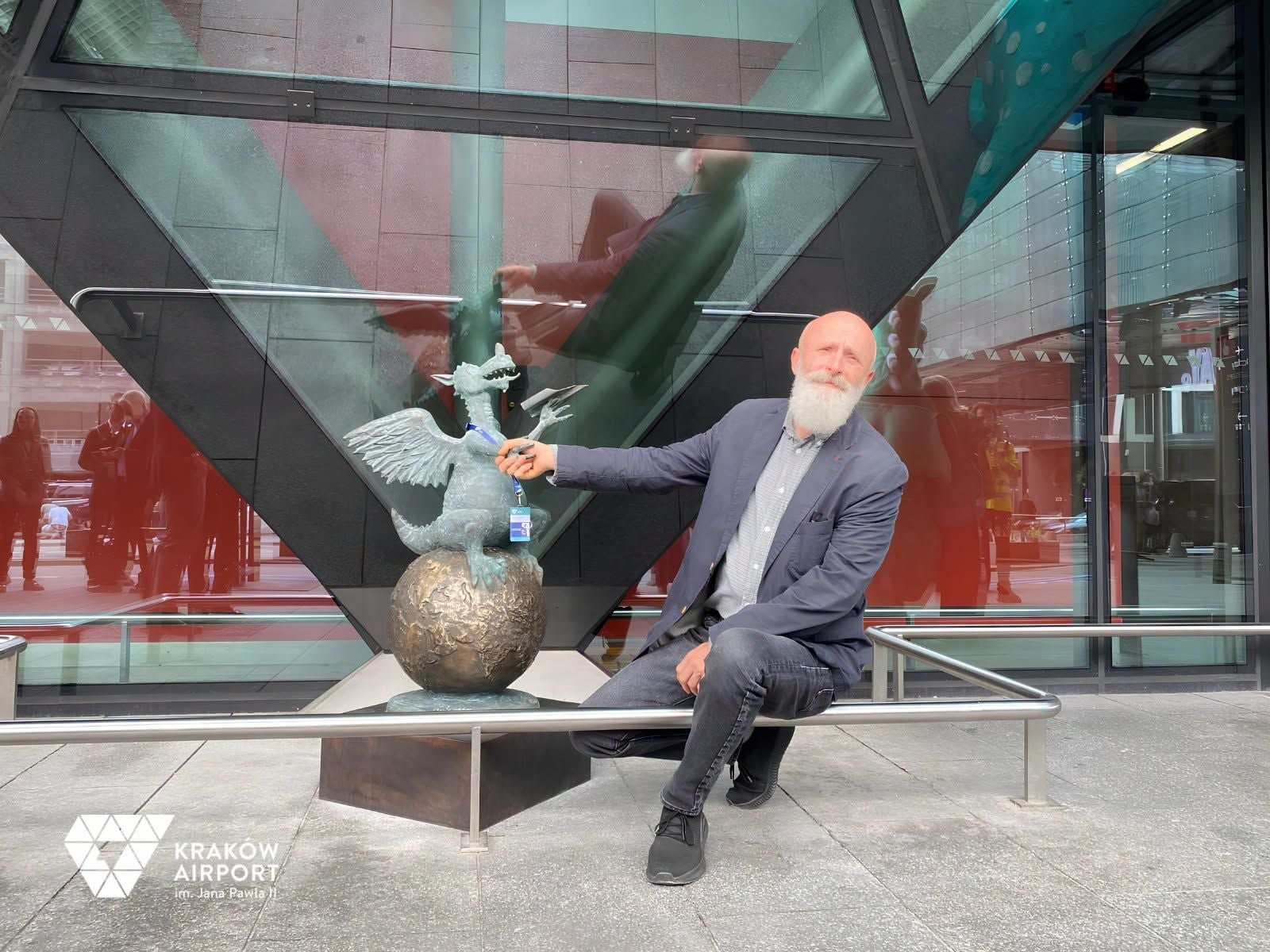
The ‘Airport Dragon’ sculpture has been erected outside Kraków Airport
10/06/2026
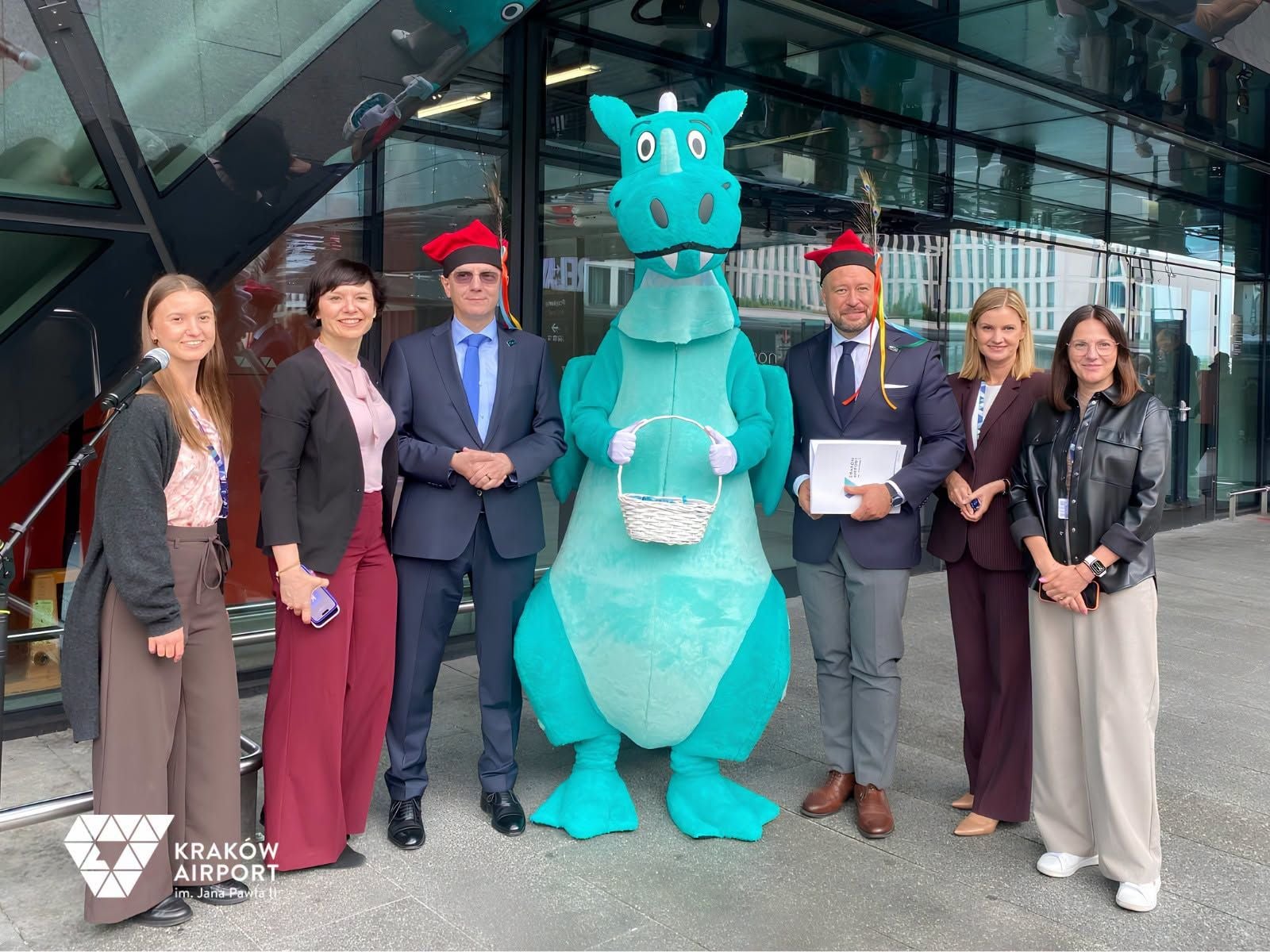
Krakow Airport has unveiled its new mascot – Krakuś
10/06/2026
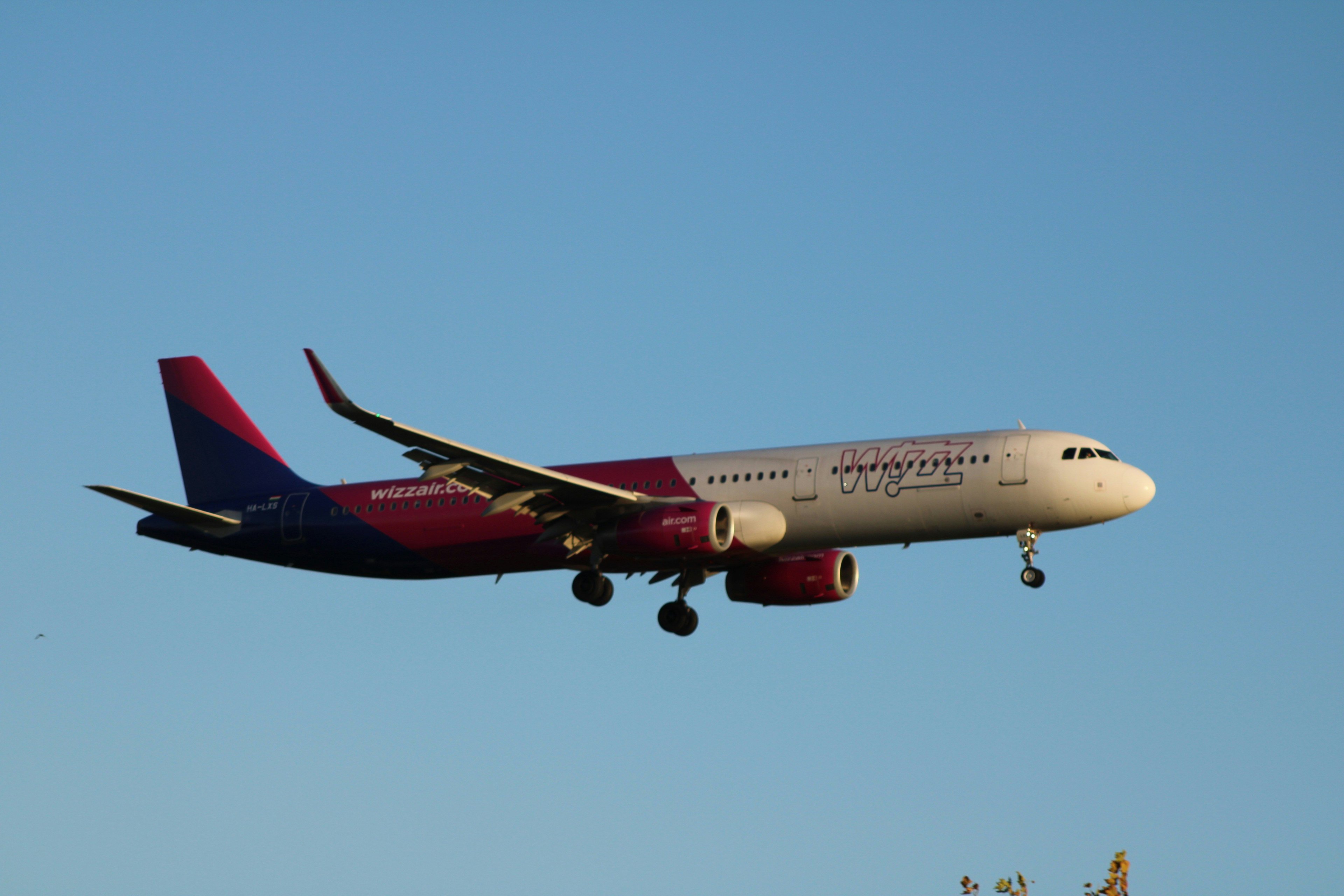
Wizz Air introduces Starlink Wi-Fi on their planes
10/06/2026
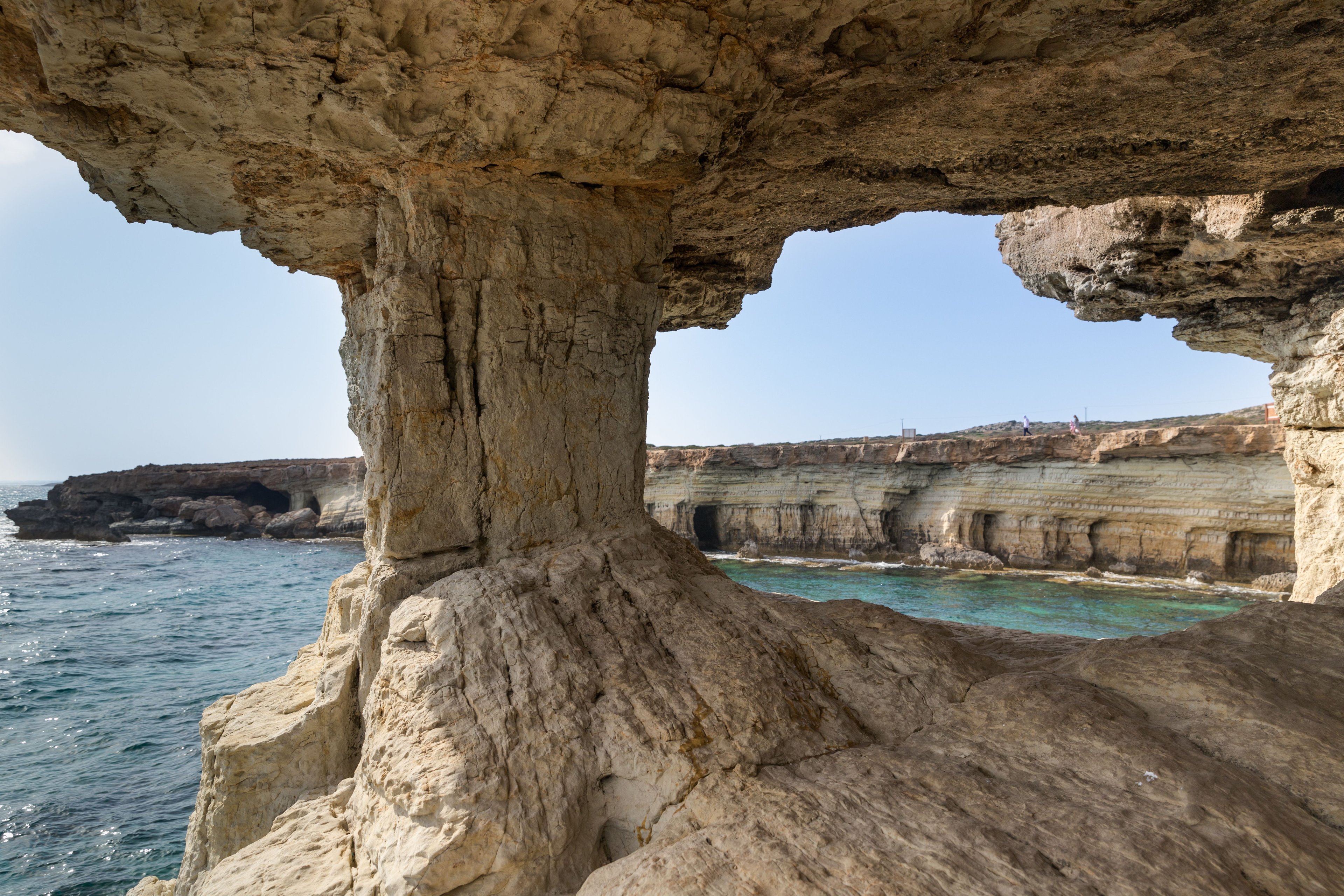
Cyprus’s famous Sea Caves will no longer be open to tourists
10/06/2026
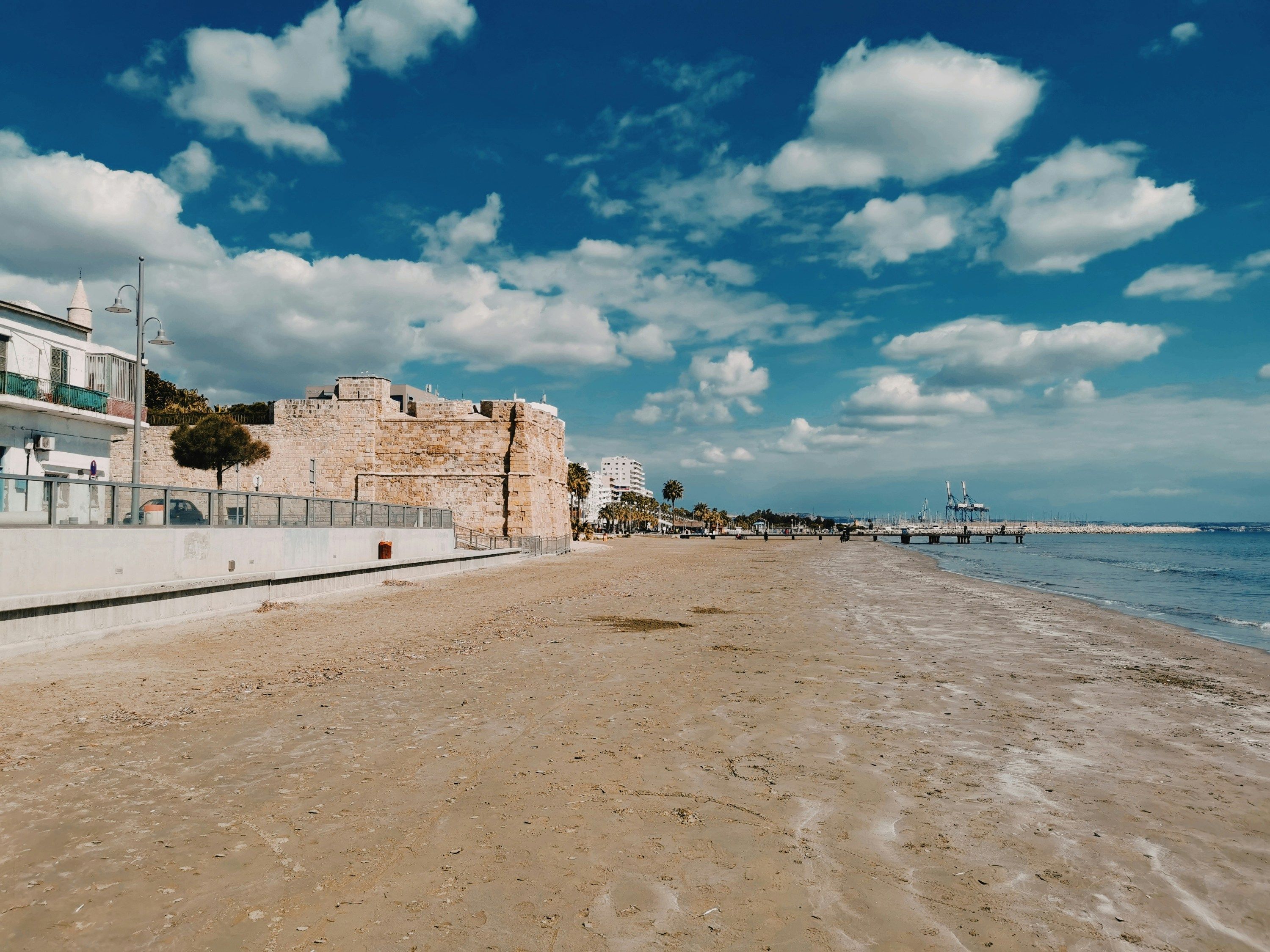
Wizz Air to increase the number of flights from Radom to Cyprus
09/06/2026
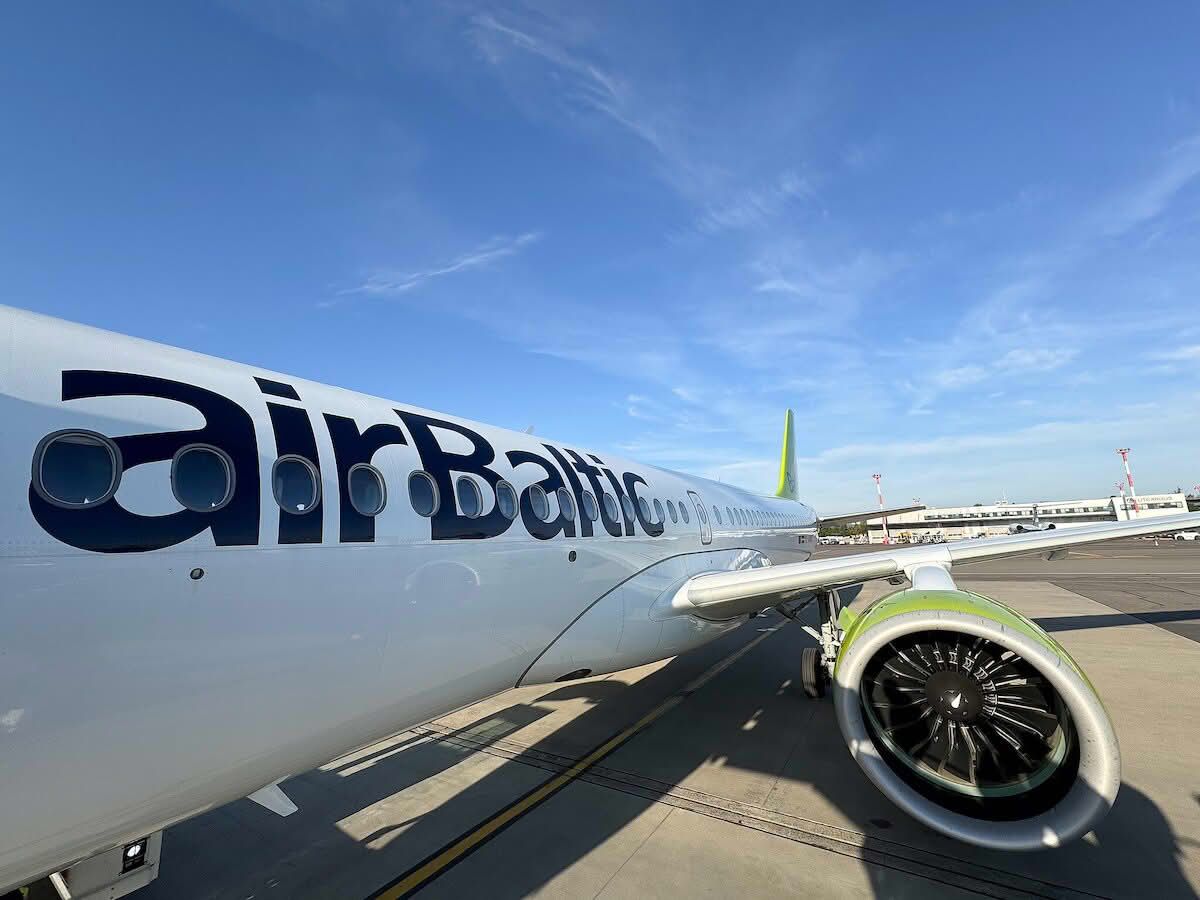
airBaltic cancels its route from Warsaw to Riga
09/06/2026
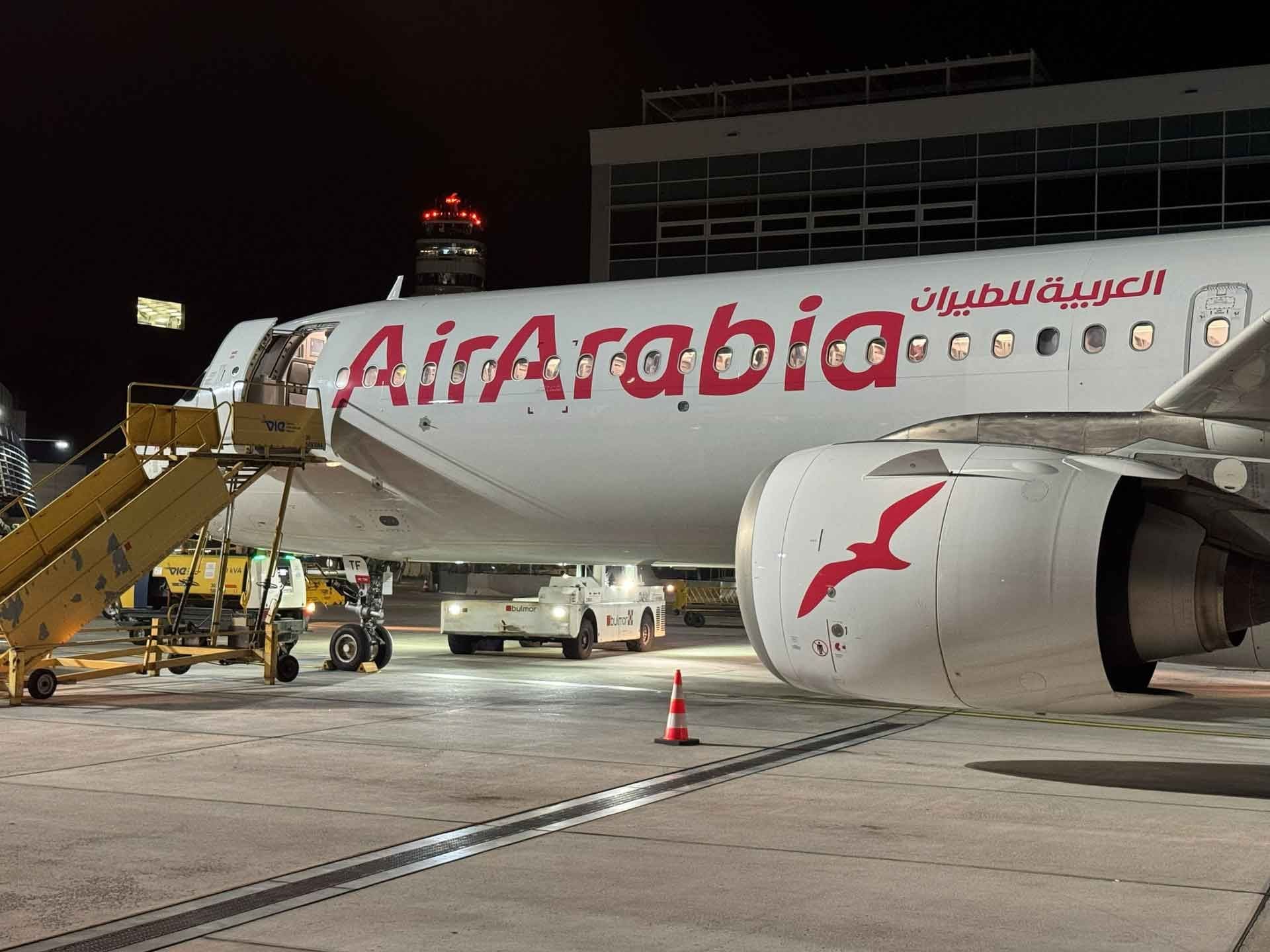
Air Arabia finally resumes flights to Poland
07/06/2026
Eid in Dubai: Traditions, Celebrations and Unique Festive Attractions