Guide
26/06/2026
The History of the Formation of the United Arab Emirates
Copy link

Ewelina Winiarczyk
26 May 2026
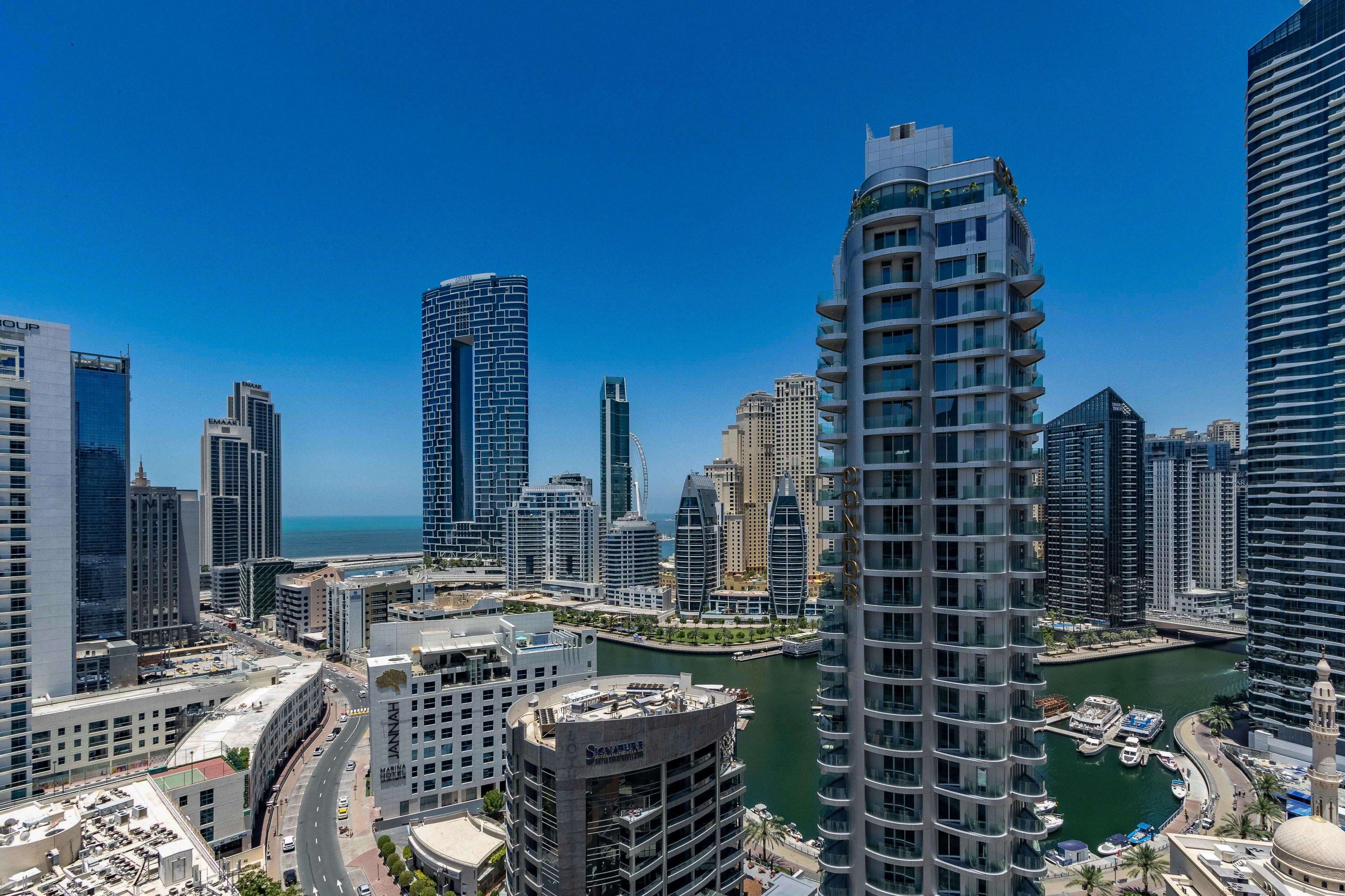
Just a few years ago, many people viewed Dubai solely as a tourist destination. Today, it is one of the world’s most important investment hubs, particularly when it comes to real estate. However, 2026 has brought new challenges - tensions in the Middle East, reports of incidents such as Iranian drones, and temporary airspace closures are leading investors to ask one key question: is investing in real estate in Dubai during the 2026 crisis still worthwhile?
In recent months, the topic of “investing in Dubai versus the geopolitical situation” has come up in nearly every conversation with investors. Conflict in the region, reports of drones, and the first attacks naturally raise concerns, especially among investors from around the world.
However, it is worth looking at the facts. The real estate market in Dubai has been built on solid foundations for years - economic diversification, an influx of tourists, the absence of income tax, and stable politics. This means that even in the face of tensions, Dubai remains perceived as an oasis of stability in the region.
Interestingly, following the initial attacks and reports of drone-related incidents, there was no sharp drop in real estate prices. In practice, the market’s reaction was moderate. Experts emphasize that the conflict has largely not translated into a collapse in sales or transaction volume.
This shows one thing: the Dubai real estate market itself is more resilient than many expected.
This question keeps coming back like a boomerang: does the crisis actually lower apartment prices in Dubai, or does it merely temporarily stall them?
The answer is not clear-cut, because the Dubai real estate market has been operating according to its own dynamics for years. Much depends on the investor’s perspective and the strategy they choose - short-term speculation or long-term portfolio building.
On the one hand, it is difficult to ignore the risks. Geopolitical tensions in the region, the possibility of an economic slowdown, or general uncertainty in global markets can affect investor sentiment. In a more pessimistic scenario, some capital, especially less experienced investors, may withdraw from the market or put purchasing decisions on hold. This, in turn, could lead to a temporary cooling of demand and, in some segments, even price corrections.
On the other hand, Dubai has proven time and again that it can emerge from crises unscathed. What’s more, it is precisely at such moments that the best investment opportunities arise. Capital fleeing from more unstable regions of the world often flows to places perceived as relatively safe and predictable. Despite tensions, Dubai continues to build its position as a global business, financial, and logistics hub, which attracts both individual and institutional investors.
The issue of investment security is also significant, particularly when it comes to the off-plan segment. The market is much more regulated today than it was just a dozen or so years ago. Projects developed by reputable developers, such as Emaar Properties, Damac Properties, and Sobha Realty, are covered by an escrow account system. This means that investors’ funds are secured and released in stages as construction progresses, which significantly reduces risk.
In practice, this means that even during periods of heightened uncertainty, capital does not disappear from the market at all; it merely shifts direction. Investors are becoming more selective, focusing on premium projects, prime locations, and developers with an established reputation. It is precisely these segments that often remain the most resilient to fluctuations and recover momentum the fastest after a temporary slowdown.
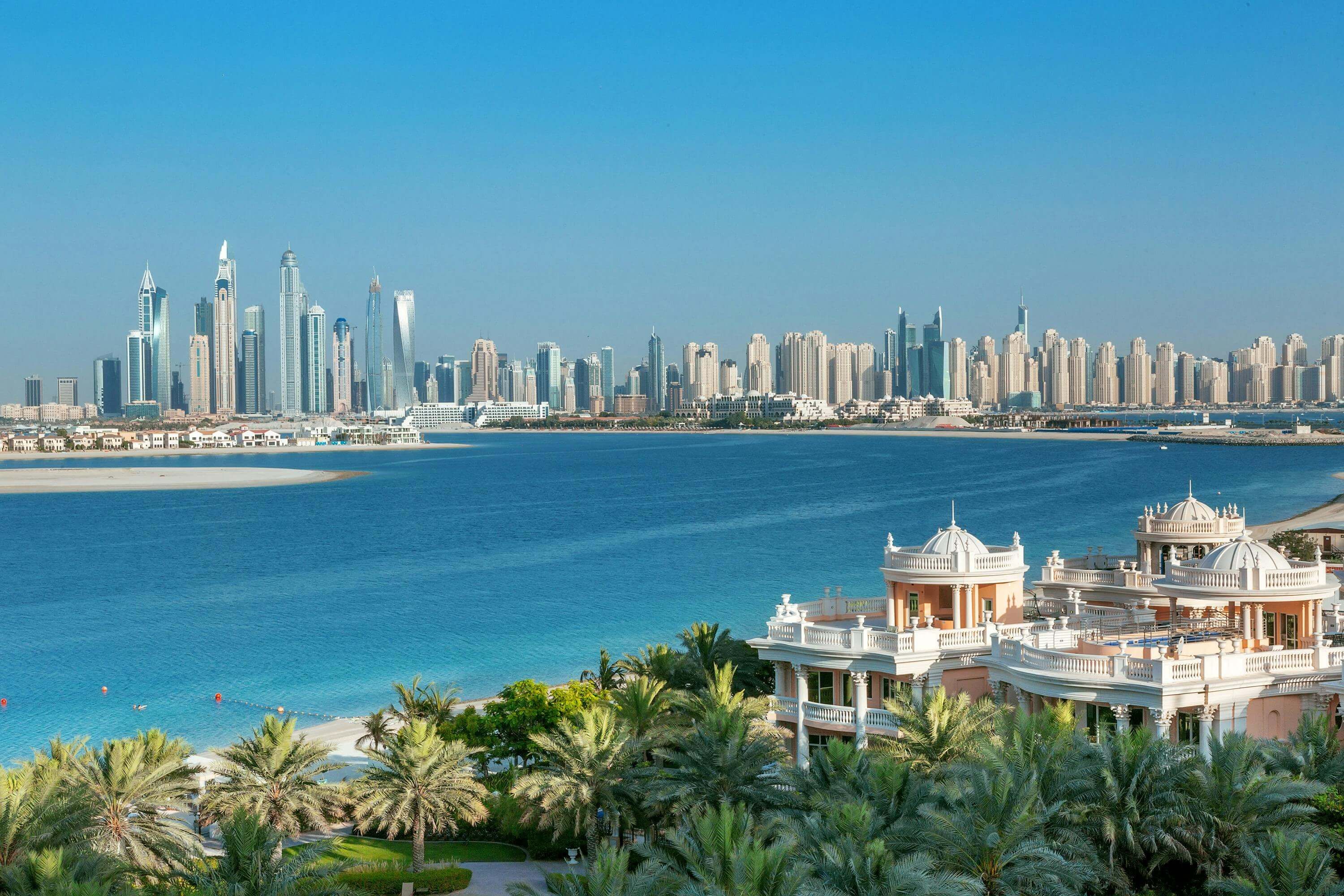
An analysis of data for March and April 2026 clearly shows that the current boom has not suddenly come to a halt, although the growth rate has begun to stabilize.
According to data published by the Dubai Land Department, the number of transactions in April remained high. Sales volume remains significant, though a slight slowdown is noticeable in some segments.
As for real estate prices:
The phrase “Sobha, Emaar, Damac prices April 2026” frequently appears in analyses, and indeed, prices for new units offered by these developers remain stable, and in select projects have even increased.
The total transaction value in the first months of 2026 shows that the market continues to attract investors, despite global tensions.
Looking more broadly at the real estate market in the United Arab Emirates, several clear trends can be observed that will shape its direction in the coming years and simultaneously influence investors’ decisions.
First - supply. A large number of new developments are scheduled for completion in the coming period. This is the result of intense activity by developers in recent years, who have been responding to growing demand following the pandemic.
A greater number of available apartments may naturally affect the market, not so much by causing price drops as by stabilizing their growth. In practice, this means more choice for buyers and more competitive conditions, especially in the mid-range real estate segment.
Second - tourism and the influx of new residents. Dubai shows no signs of slowing down as a global travel and business hub. More and more people are choosing not only to visit the city but also to settle here, whether permanently or through a “dual living” arrangement. Visa programs, favorable tax regulations, and a high quality of life attract professionals, entrepreneurs, and investors from around the world. This directly translates into growing demand for rentals and, consequently, the attractiveness of investments in terms of passive income.
Thirdly - banks and financing. The global economic situation influences lending policies, so greater caution from financial institutions can be expected. This does not, however, mean the market is closing. On the contrary, the banking system in the UAE remains stable, and access to financing, though more selective, continues to support both local and foreign investors. For many people, this means the need for better preparation: a larger down payment or a more thoughtful purchasing strategy.
Experts’ forecasts remain moderately optimistic. They indicate that the current situation may lead to a temporary slowdown in market growth, particularly in less prestigious locations or for lower-quality projects. However, there are no signs suggesting a deep collapse. Instead, a scenario of a healthy correction and stabilization is more likely, which, paradoxically, could create a more solid foundation for further, more sustainable development of the real estate market in the region.
Dubai real estate and the 2026 crisis is a topic that stirs emotions - and rightly so. On one hand, there is a real risk associated with the conflict in the region; on the other, there are strong market fundamentals that have repeatedly proven their resilience in recent years.
Dubai is not isolated from global events, but its unique position: the absence of income tax, political stability, developed infrastructure, and capital inflows - ensures it remains one of the world’s most important investment markets.
Is it worth investing? In practice, it all comes down to strategy. For some, the current situation means risk. For others, it’s an opportunity that comes along only once every few years.
1. Given the crisis in 2026, is investing in Dubai real estate the right time to buy?
Much depends on your strategy and approach to risk. The current geopolitical situation may cause uncertainty, but at the same time it creates investment opportunities, especially with well-chosen projects and locations.
2. Does the conflict in the Middle East have a real impact on the real estate market in Dubai?
There is an impact, but it is largely limited. The market is reacting more stably than might have been expected, and Dubai continues to maintain its image as a safe investment hub in the region.
3. Will real estate prices in Dubai fall in 2026?
There is no sign of a sharp drop in real estate prices. Some segments are stabilizing or seeing minor corrections, while the best projects and locations continue to maintain high values.
4. Are off-plan investments in Dubai safe during a crisis?
Yes, provided you choose a reputable developer and a project covered by an escrow account. Such solutions significantly increase investment security even in more challenging market conditions.
5. What are the forecasts for the Dubai real estate market for the coming months of 2026?
Experts predict a possible slowdown in growth momentum, but not a market collapse. Key factors will be the further development of the geopolitical situation and the continued influx of investors from around the world.
See other news
26/06/2026
The History of the Formation of the United Arab Emirates
25/06/2026
Turkish Airlines reintroduces premium economy class
25/06/2026
Syrian Air resumes flights to the European Union

24/06/2026
Meet Ski Dubai, or the ski slope in Dubai

24/06/2026
Deira Perfume Souk guide: where to find the best fragrances?

24/06/2026
Visiting Dubai with a child – what are the best attractions to choose?
24/06/2026
Abu Dhabi – the best attractions. TOP 30 places worth seeing in the UAE capital

24/06/2026
Mezze – what it is and how to order Arabic starters
24/06/2026
Hatta – a mountain retreat from the heat in the Emirate of Dubai

23/06/2026
KidZania Dubai – a career-themed town for children