Guide
01/03/2026
Dubai Mall – area
Copy link

Ewelina Winiarczyk
12 December 2025
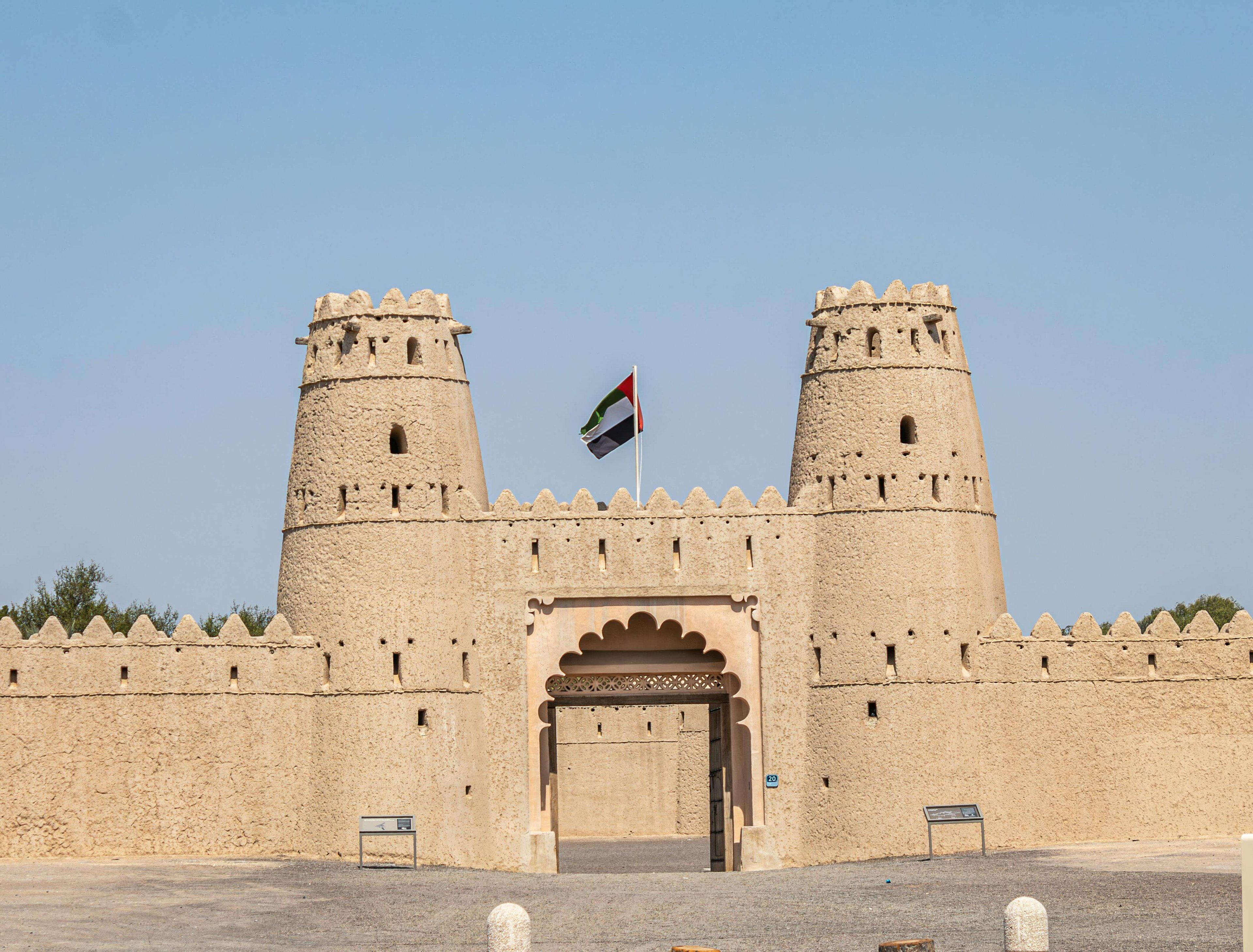
Abu Dhabi, the capital of the United Arab Emirates, is a place where modernity and tradition meet in one area. Although the emirate is famous for its futuristic structures, luxury hotels, modern museums, and attractions on Yas Island, it is equally impressive for its rich history. It is here, on the border between the desert and the mountains, that the most valuable treasures, inscribed on the UNESCO World Heritage List, have been preserved.
The Jebel Hafeet region, located at the foot of the impressive mountain of the same name, is famous for its more than 500 tombs built around 3000 BC.
These ancient tombs are among the oldest known funerary structures in the United Arab Emirates. Their simplicity and austerity testify to the ancient customs of the communities inhabiting the desert - a civilization that, despite harsh conditions, was able to create permanent burial sites and develop on poor soil.
Hili is one of the most valuable archaeological sites in the Emirates. It is here that traces of advanced agriculture and monumental buildings from the Bronze Age have been discovered. The most impressive is the so-called Hili Grand Tomb – a huge, circular structure with intricate decorations.
The park also contains traces of settlements and tools used by ancient communities. History buffs will find numerous artifacts here, from pottery to irrigation systems.
Hili is also an excellent example of how the region's inhabitants coped with the desert climate by developing complex irrigation methods that allowed early agricultural villages to flourish.
This is a place that delights archaeologists from all over the world. Located northeast of Al Ain, the site consists of the remains of settlements as well as unique structures used for water storage. The region was located on one of the most important caravan routes, which in ancient times connected oases and enabled the exchange of goods. Caravans transported dates, honey, spices, and salt here.
The most picturesque element of the UNESCO listing. The Al Ain Oasis is a natural system of date palms, water channels, and traditional farms that still function today as a living example of ancient farming methods.
The oasis is a real contrast to the desert landscapes. It is a green oasis that for centuries has provided shelter not only for people but also for animals traveling through the region.
A walk in the shade of palm trees is a relaxing experience that allows you to feel the tranquility of the ancient Bedouin culture.
Each of the UNESCO sites is a different element of the ancient civilization of the Emirates. They are united by history, culture, and impressive engineering achievements.
1. Jebel Hafeet Tombs
In addition to the tombs themselves, it is worth going to the top of Jebel Hafeet, which offers a panoramic view of the entire region. It is an ideal place for taking photos and relaxing in the shade of the rocks. There are also thermal springs and small parks nearby.
2. Hili Archaeological Park
This is a great destination for families – the area is well marked, and the reconstructions of buildings allow you to imagine life thousands of years ago.
There are information boards in many places that explain the significance of individual discoveries.
3. Al Ain Oasis
It is also worth visiting the information center, which tells about the falaj system. A walk through the oasis is a great opportunity to see what traditional agriculture looks like and to take a break from the heat.
4. Bidaa Bint Saud
Although this place is less touristy, it is ideal for those who appreciate peace and quiet and unique landscapes. It is here that you will best understand how caravans and farming communities used to function.
Abu Dhabi is full of places that, although not formally part of UNESCO, perfectly complement a tour of cultural heritage.
This white and cream-colored fortress is the oldest building in the city. It once served as the seat of rulers and guardians of water sources, and today it is one of the most important monuments. Inside, there is a modern museum where you can learn about the history of Abu Dhabi from tribal times to the present day.
It is not only the seat of the highest authorities, but also a place that delights with its architecture and details. One of the largest libraries in the region, golden domes, and evening light shows make a huge impression.
The largest spiritual attraction in the Emirates - open to tourists, full of light, marble, and masterpieces of craftsmanship. It houses one of the largest carpets in the world, and the columns are decorated with mother-of-pearl inlays.
Saadiyat Island is home to an architectural gem - a museum that combines Eastern and Western art. The dome creates a “rain of light” effect, letting sunlight through in an almost magical way. It is a must-see for art lovers.
Yes, all UNESCO sites are suitable for visiting without a guide, which means you can explore them at your own pace. However, if you want to learn more about the history and broader cultural context, it is worth considering working with a local guide, booking a themed tour, or visiting local educational centers. Some sites also have multimedia kiosks, models, and videos that explain the functioning of ancient irrigation systems and the daily life of oasis dwellers in an accessible way. Independent sightseeing is also ideal for families with children, as all areas are safe, well-marked, and adapted to the needs of tourists.
Yas Island and Ferrari World: This is an icon of modern entertainment - here you will find Ferrari World, the famous park with the fastest roller coaster in the world. The amusement park offers attractions for children and adults, and the entire island of Yas also has golf courses, restaurants, and diving centers.
Nature reserves and beaches: Abu Dhabi has many natural attractions, including:
City center - the modern face of the emirate: Skyscrapers, shopping malls, squares, and luxury buildings contrast with the UNESCO heritage sites. Here you will feel the pulse of the modern emirate, which at the same time cherishes its history, culture, and tradition.
1. Why are these sites in Abu Dhabi protected by UNESCO?
Sites in Abu Dhabi, especially those in Al Ain, are protected by UNESCO because they are unique testimonies to the oldest civilizations on the Arabian Peninsula - from Bronze Age tombs to advanced falaj irrigation systems. Their exceptional historical and cultural value demonstrates the development of early desert communities and the innovation that made life possible in such a challenging environment. Thanks to UNESCO protection, these key elements of history can survive for future generations.
2. Where are the UNESCO sites in Abu Dhabi?
UNESCO sites in Abu Dhabi are mainly located in the city of Al Ain, which lies in the eastern part of the emirate, close to the border with Oman. This is where the oases, archaeological sites, Jebel Hafeet tombs, and areas of the former caravan route inscribed on the UNESCO World Heritage List are located.
3. What UNESCO cultural attractions does Abu Dhabi offer?
Abu Dhabi offers UNESCO cultural attractions primarily in Al Ain, where there are oases with traditional falaj systems, the ancient tombs of Jebel Hafeet, and the archaeological sites of Hili and Bidaa Bint Saud. These sites showcase the development of the region's oldest communities, their agriculture, trade, and innovative water harvesting techniques. It is a unique opportunity to see authentic heritage dating back thousands of years in a natural landscape setting.
4. How important is UNESCO heritage for tourism in Abu Dhabi?
UNESCO heritage is of great importance to tourism in Abu Dhabi as it attracts travelers interested in history, culture, and authentic experiences beyond the modern cityscape. Thanks to the unique archaeological sites and oases of Al Ain, the emirate is gaining an image as a place that combines futuristic development with deep, ancient roots.
See other news
01/03/2026
Dubai Mall – area
01/03/2026
Burj Khalifa – which floor to go to?
01/03/2026
United Arab Emirates - a guide for tourists
28/02/2026
No more expensive internet in the Balkans? EU roaming on the way!
28/02/2026
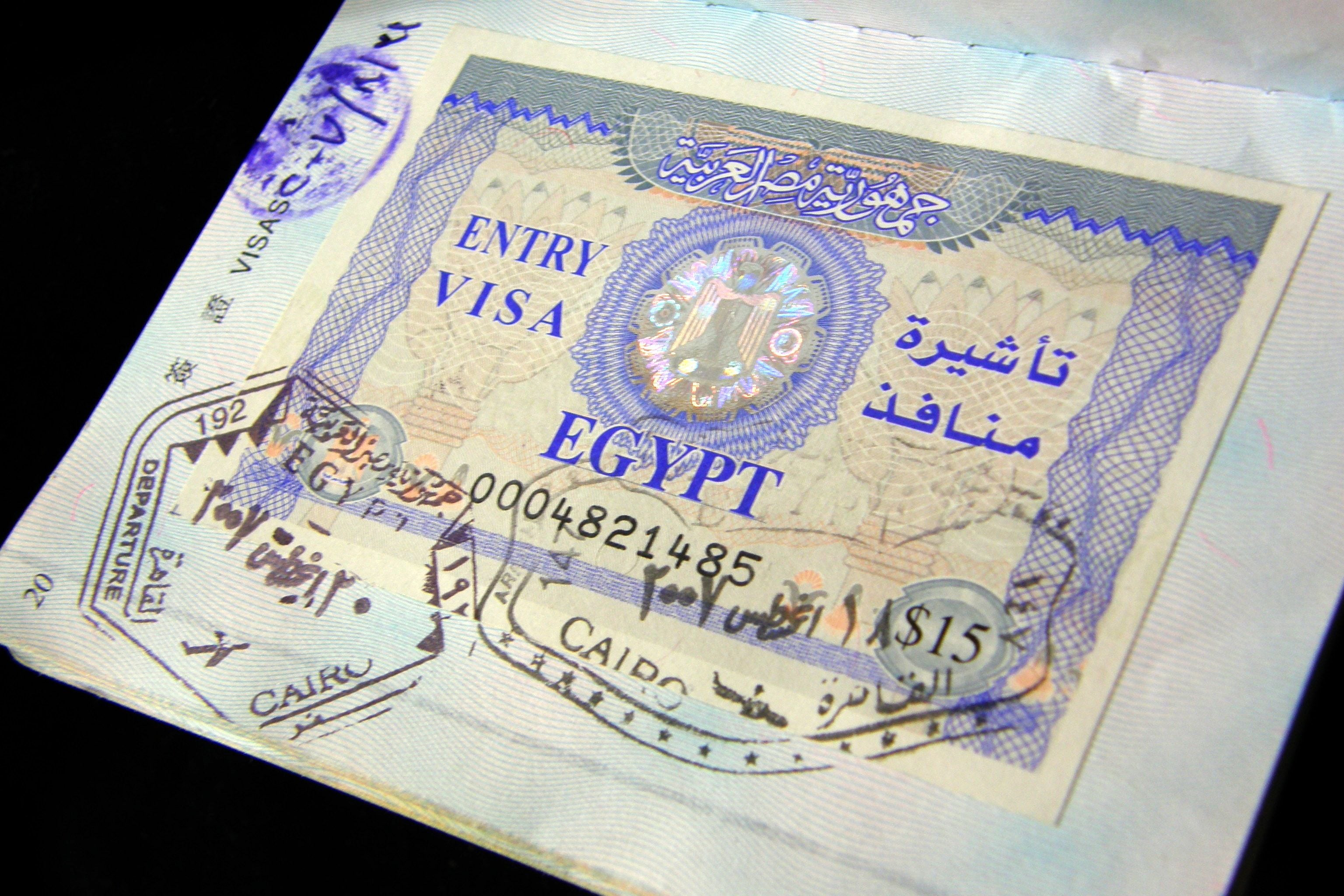
From March visas to Egypt will be $5 more expensive

28/02/2026
Krakow finally obtains environmental approval for the construction of a new runway
28/02/2026
Corendon Airlines will fly from Warsaw and Katowice to Hurghada
28/02/2026
Wizz Air has announced the launch of a new route from Warsaw to Zadar

26/02/2026
Making money from short-term rentals in Dubai
26/02/2026
No more travelling around Iran on your own