
News
01/05/2026
Palm Beach Airport is to be renamed President Donald J. Trump International Airport
Copy link

TwoContinents
14 December 2025
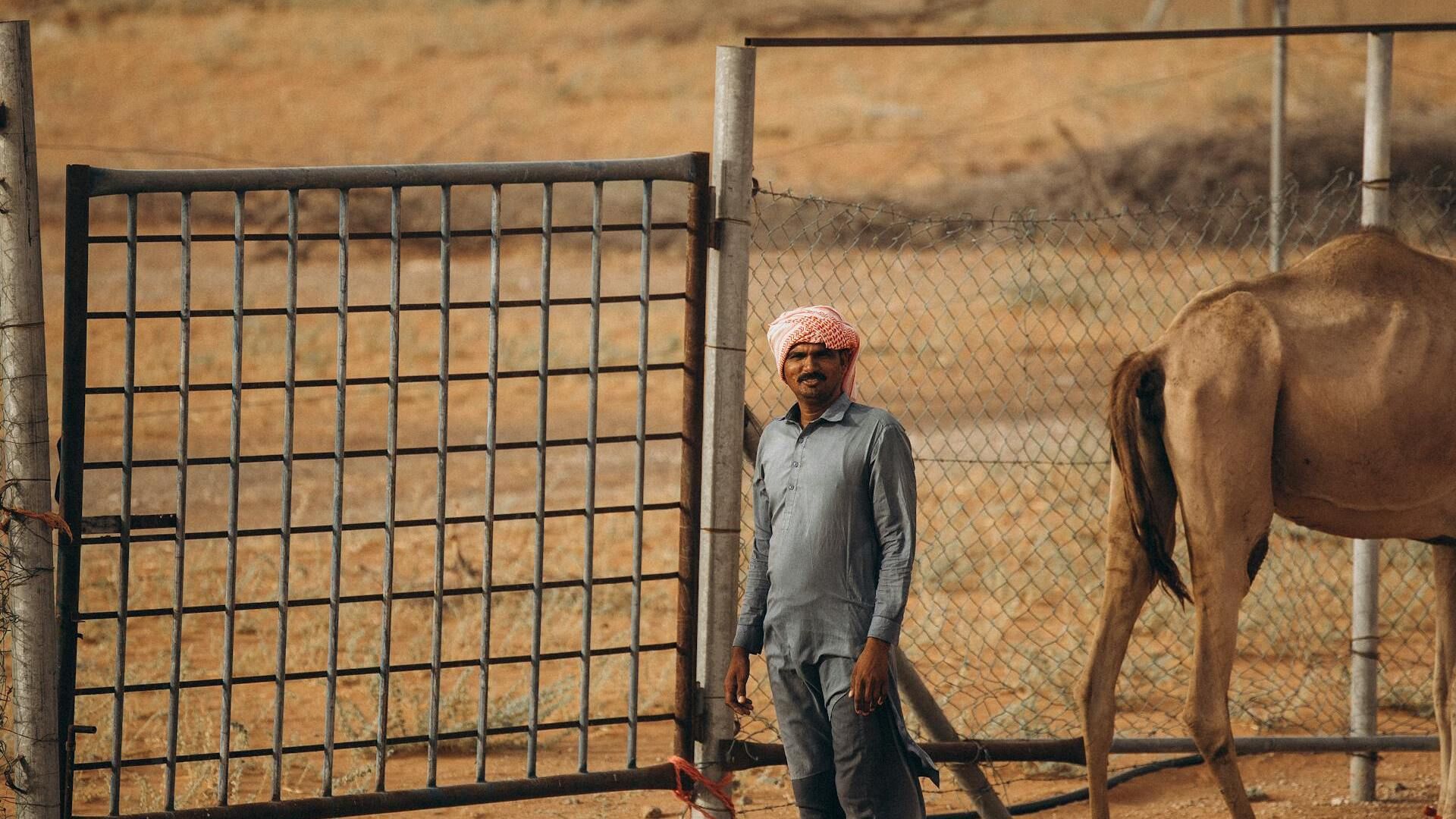
When planning a trip to the United Arab Emirates, it is worth knowing that this country has a fascinating history dating back to the Bronze Age. Although UNESCO sites in the UAE are not as widely known as modern buildings, they are tangible evidence of the existence of ancient civilisations. The UAE's world heritage is the key to understanding the cultural heritage of the Emirates. We invite you to discover this historical aspect of the country. Find out why cultural tourism in the UAE is gaining in importance and what to see in the UAE from the UNESCO list during your next trip.
The only cultural site in the UAE to be included on the World Heritage List in the UAE is the Al Ain archaeological site. It includes a number of Neolithic settlements, tombs and ingenious irrigation systems (falaj). This inscription, made in 2011, confirms that the region has been a key point on trade routes and a centre of settlement since the 4th millennium BC.
The Al Ain area, located in the capital of the UAE, is the historical cradle of the nation and bears witness to the long-term presence of humans in this area. The complex of sites, which is the central element of the UNESCO sites in the UAE, includes the Al Ain Oasis, the Hili Archaeological Park and Bidaa Bint Saud. Where are the UNESCO sites in the UAE located? All these complexes are located in the Al Ain region and are significant in that they document the evolution of desert-dwelling societies, especially during the Bronze Age (Umm an-Nar culture, 2600-2000 BC). The tombs in Hili Park are a unique example of the monumental architecture of that time.
Hili Archaeological Park and the Bidaa Bint Saud site are among the most valuable testimonies to the prehistory of the Al Ain oasis, showing the development of settlement from the Neolithic to the Iron Age. The desert landscape is home to a unique cultural landscape, with preserved monumental tombs, ancient villages, irrigation systems, and even stone towers and remains of fortresses guarding the old caravan routes. Discoveries such as rock art, elaborate wells and falaj channels show how communities living in harmony with the harsh natural environment were able to create advanced infrastructure and develop agriculture in one of the most challenging environments in the world.
The protection of monuments in the UAE is a priority, as these sites are unique examples of human adaptation to the harsh desert climate. A key element is the falaj irrigation systems – traditional underground water channels that have been in use for thousands of years. It is these water networks that have allowed the creation of a vast oasis and made the region strategically important. Preserving the Emirates' significant historical sites for future generations, including the falaj systems, is crucial to the country's identity and heritage.
You can read more about UNESCO in Dubai here.
UNESCO sites in the UAE are a much broader category than just physical objects. The Emirates also actively promote the intangible cultural heritage of the Emirates, which is also included in the organisation's lists. The most important intangible entries include falconry, which is a symbol of Bedouin tradition, the technique of date palm cultivation (Nakhla), which is the basis of agriculture in oases, and traditional performing arts (Al-Ayyala, stick dance).
These entries testify to the rich culture and history of the UAE, focusing on knowledge, skills and practices passed down from generation to generation. UNESCO's recognition of these elements significantly strengthens cultural tourism in the UAE. Tourists have a unique opportunity to experience authentic customs, from participating in falconry demonstrations to observing traditional farming techniques, which allows for a deeper understanding of the desert lifestyle. Promoting these elements is an integral part of the country's strategy to preserve its identity.
The UAE's cultural and historical attractions listed by UNESCO provide a fascinating counterpoint to modernity. What cultural attractions does UNESCO offer in the Emirates? In addition to historical sites, the country allows visitors to immerse themselves in living traditions. Tourists have the unique opportunity to participate in events promoting intangible heritage, such as falconry shows, which is the hunting art of the Bedouins and a symbol of their identity, or traditional Al-Ayyala dances. This is of fundamental importance for cultural tourism in the Emirates
When planning a trip to historical regions, it is worth knowing what to see in the UAE from the UNESCO World Heritage List. First and foremost, it is worth visiting the majestic Al Jahili Fort in Al Ain, one of the largest defensive forts in the country, built of sun-dried brick, and the extensive Hili Archaeological Park, which allow you to directly explore the significant historical sites of the Emirates.
The sites in Al Ain are perfectly prepared for independent exploration, offering modern visitor centres, detailed historical exhibitions and marked trails. Many of the sites that are UNESCO-protected monuments of the Emirates are accessible free of charge or for a nominal fee, making sightseeing affordable for every traveller.
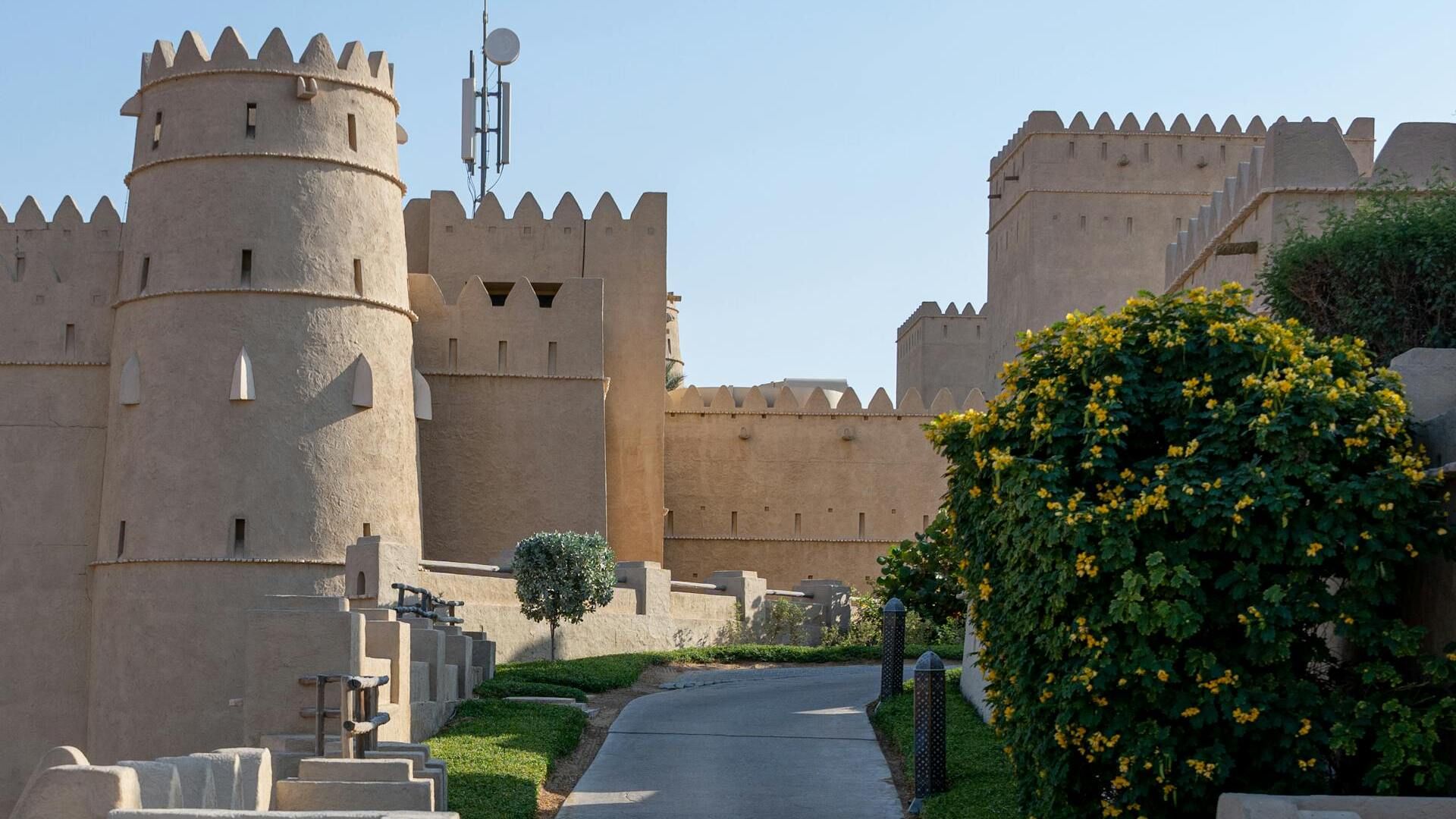
The presence of these historical treasures significantly enriches the country's image. This attracts travellers interested in authentic heritage, helping to build a more complete picture of the Emirates. The listings raise the country's prestige and promote the protection of monuments in the UAE in the wider public consciousness.
And if you want to learn more about unique places on the UAE map, check out the guide to the Grand Mosque of Abu Dhabi.
Although the list of cultural sites is short, their significance is enormous. If you are planning a trip to the UAE and want to see these historical treasures, be sure to include them in your itinerary alongside places such as Dubai attractions. To fully and comfortably enjoy your sightseeing opportunities, choose the right accommodation in Dubai or Abu Dhabi. For more useful information and travel tips, visit TwoContinents.
The only cultural site listed as a World Heritage Site in the UAE is the Al Ain Oasis archaeological site (in Abu Dhabi), which includes Neolithic settlements and falaj irrigation systems.
They are protected because they are unique examples of human adaptation to the desert climate and testify to the continuity of settlement since the Bronze Age, which is part of the preservation of historical monuments in the UAE.
Yes, the Emirates' UNESCO-protected monuments (especially the sites in Al Ain) are well prepared for independent exploration, offering information centres and marked trails.
It is very important because it enriches the country's offer, attracting tourists interested in the culture and history of the UAE, and not just its modernity.
See other news
01/05/2026
Palm Beach Airport is to be renamed President Donald J. Trump International Airport

01/05/2026
The Lufthansa route from Wrocław to Munich resumes on 1 June

29/04/2026
New details on Dubai’s Gold Metro Line

29/04/2026
Emirates' management expects the airline to recover quickly following the regional conflict

29/04/2026
A new mode of transportation is coming to Dubai

28/04/2026
AirBaltic to launch flights from Poznan to Gran Canaria

28/04/2026
Lufthansa has closed its airline, Lufthansa Cityline

28/04/2026
Where did Poles most frequently fly to in 2025? London tops the list, Dubai in the TOP 20

28/04/2026
Eindhoven Airport will be closed for almost six months

28/04/2026
From today, Lufthansa is selling tickets in the Economy Basic fare, which does not include hand luggage