
Guide
24/06/2026
Meet Ski Dubai, or the ski slope in Dubai
Copy link

TwoContinents
25 February 2026
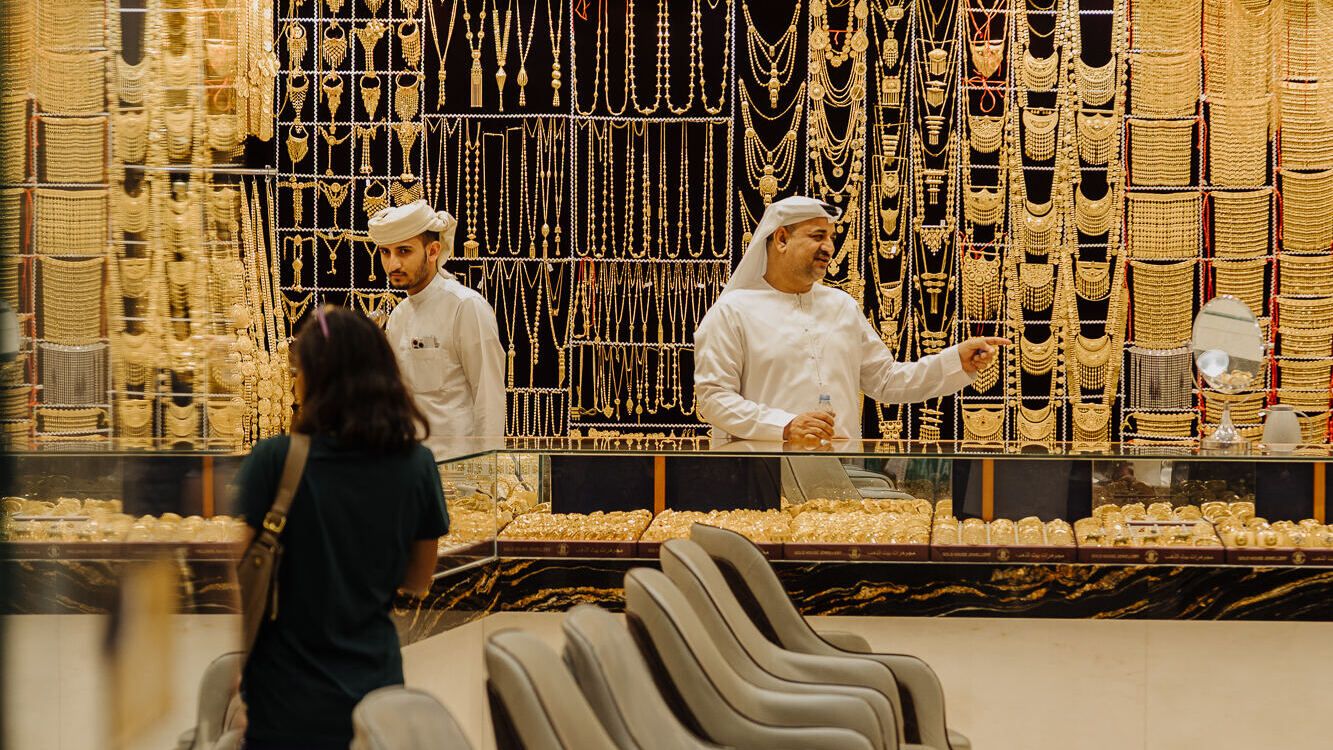
When travelling to the Middle East, it is impossible to avoid contact with the local language, which is alive and well on the streets of the metropolis. If you are wondering what Yalla means, you have hit the nail on the head – it is the most commonly heard word in the Persian Gulf region. Understanding it is the first step to feeling the rhythm of life. So discover how every Arab uses this phrase to set the pace for their daily activities.
Let's start with the basics: what does Yalla mean in Arabic? Literally translated, the term comes from a combination of the words ‘Ya’ and ‘Allah’, but in modern usage it has completely lost its original religious context. Currently, Yalla is most accurately translated into English as ‘let's go’, ‘hurry up’ or simply ‘come on’. It is difficult to find a perfect equivalent in English.
The meaning of the word Yalla in Arab culture is extremely broad. It acts as a kind of catalyst for action. When you hear Yalla in Arabic, you can be sure that your interlocutor wants to set the pace for the current situation. It is an energetic call to motivate movement, decision-making or the end of a protracted conversation.
Greetings play a special role in Arab tradition, and apart from the word Yalla, Marhaba is also frequently used. What does it mean and when is this word used?
Many tourists ask: how is the word Yalla used in conversation? The possibilities are almost endless, as it is one of the most flexible phrases. In everyday life, you will encounter Yalla in taxis, at the market or when meeting friends, hearing it almost every day throughout the day. Here are some examples of how Yalla is used in sentences:
However, it is important to remember your relationship with the person you are talking to. It is essentially a colloquial phrase. While it is perfectly acceptable among friends, in more formal circumstances it is better to use more subdued language and a classic ‘thank you’ instead of a cheerful exclamation.
A common dilemma is whether this word means a specific action. Yalla as ‘faster’ is the most common interpretation when someone is waiting for us. However, in social situations, it more often simply means ‘let's go’. In what situations do Arabs say Yalla? In almost every situation – from hurrying children on their way to school to encouraging them to eat together.
The word has permeated almost all dialects, becoming part of the category: popular Arabic expressions Yalla. If you plan to visit the popular attractions of Dubai, you will hear it hundreds of times. It is so popular that it has even permeated song lyrics and pop culture around the world.
Check out other basic Arabic phrases for tourists in Dubai.
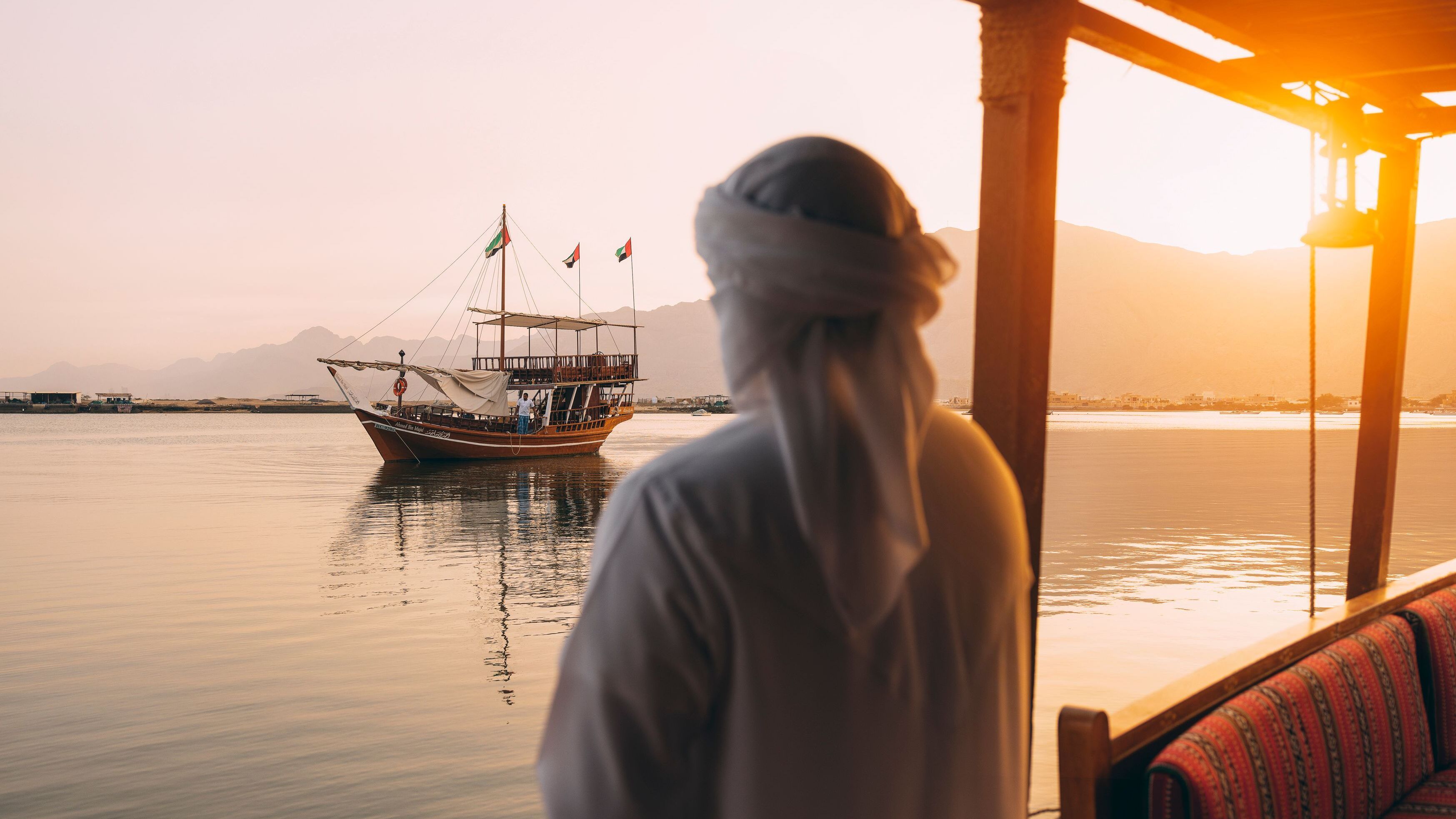
It is worth noting that yalla is one of the first words that foreigners learn when they visit the Middle East, but its history goes back much further. Thanks to its versatility and short form, it has found its way into most local dialects and even into colloquial speech in countries such as Greece, Turkey and Israel. Interestingly, the phrase has also become popular in Western Europe – the French language has adapted it into youth slang as an expression of encouragement to join in an activity. This shows that regardless of what language you use on a daily basis, this short exclamation is understandable in all geographical locations.
When you learn the basics of communication in the Emirates, you will quickly notice that this word functions in an interesting combination with gestures and tone of voice. It is often heard at the very end of a conversation, when the interlocutors are leaving, throwing in a quick ‘bye’ and adding an energetic encouragement to move. What's more, in Dubai you'll hear it from speakers of other languages who use the phrase as a natural connector in a sentence, drawing the attention of those around them to the need for swift action. This cross-cultural career of a single word is the best proof of how much Arabic influences global communication.
Is Yalla a popular word in Dubai and the UAE? Without a doubt. As a cosmopolitan melting pot, the city has adopted everyday expressions in Dubai as a common denominator for expats and locals alike. Even if you don't know Arabic, using this one word will make you feel more confident in the Arab world.
When planning your stay and looking for suitable accommodation in Dubai, it is worth checking out the guides on Two Continents, which introduce you to the local savoir-vivre. Knowing how to translate Yalla into English and when to use it will help you avoid minor misunderstandings and make it easier to establish relationships with the locals. Arabic is a language full of emotion, and this short word perfectly captures the dynamics of life in the Middle East.
The word means both at the same time. Depending on the context, it can be an invitation to go out together (‘let's go’) or an exhortation (“faster”, ‘come on’) when someone wants to set the pace for a given situation.
The closest English equivalents are ‘come on,’ ‘let's go,’ ‘let's get moving’ or the colloquial ‘come on.’ There is no single rigid translation because the word expresses a general intention to take action.
Generally speaking, no. It is a very colloquial and informal expression. While it is acceptable in the office among colleagues, it is better to avoid it in official business or official relationships or in conversations with people of high status, so as not to come across as too direct.
See other news
24/06/2026
Meet Ski Dubai, or the ski slope in Dubai
24/06/2026
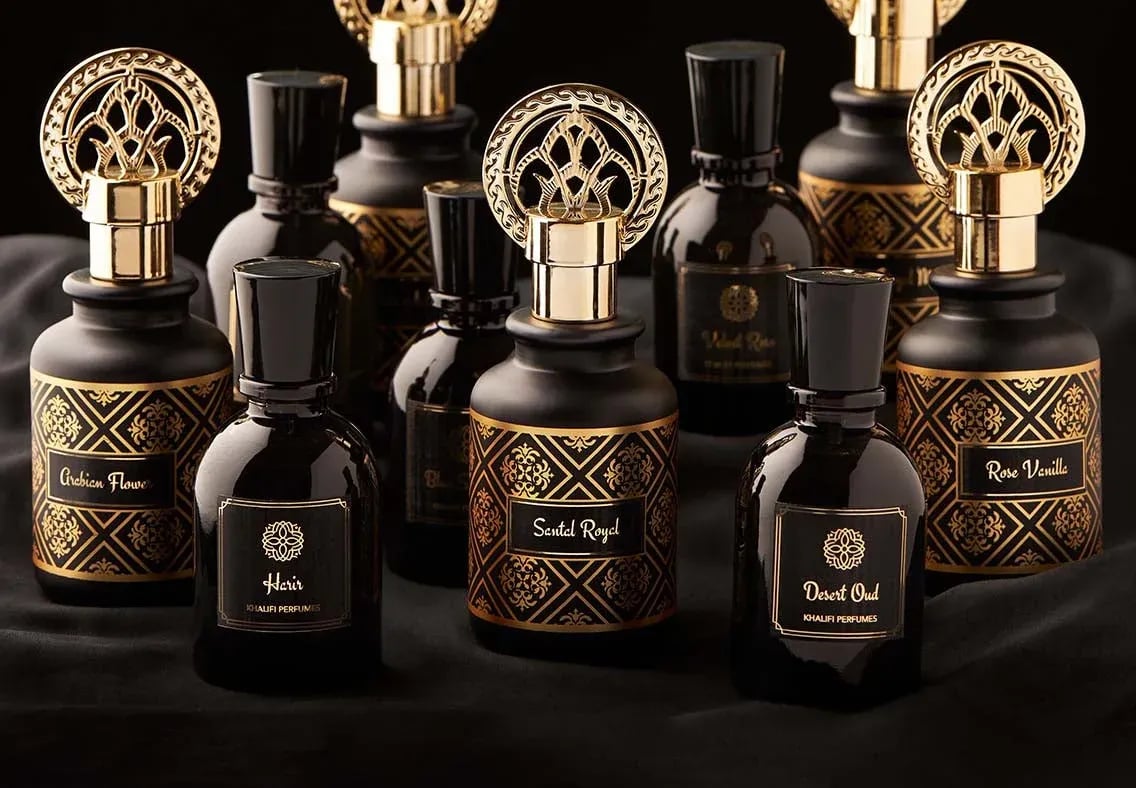
Deira Perfume Souk guide: where to find the best fragrances?

24/06/2026
Visiting Dubai with a child – what are the best attractions to choose?
24/06/2026
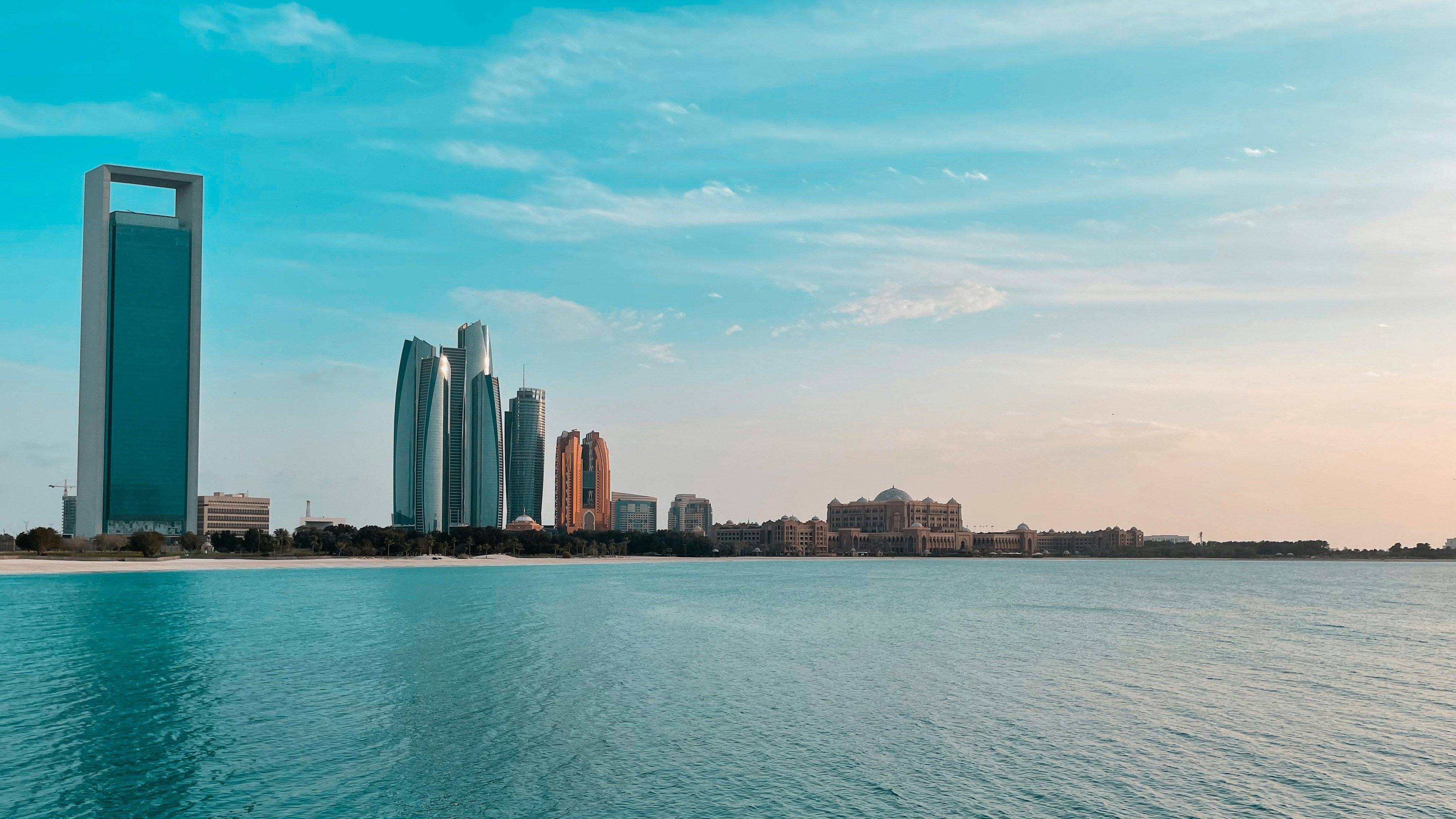
Abu Dhabi – the best attractions. TOP 30 places worth seeing in the UAE capital
24/06/2026
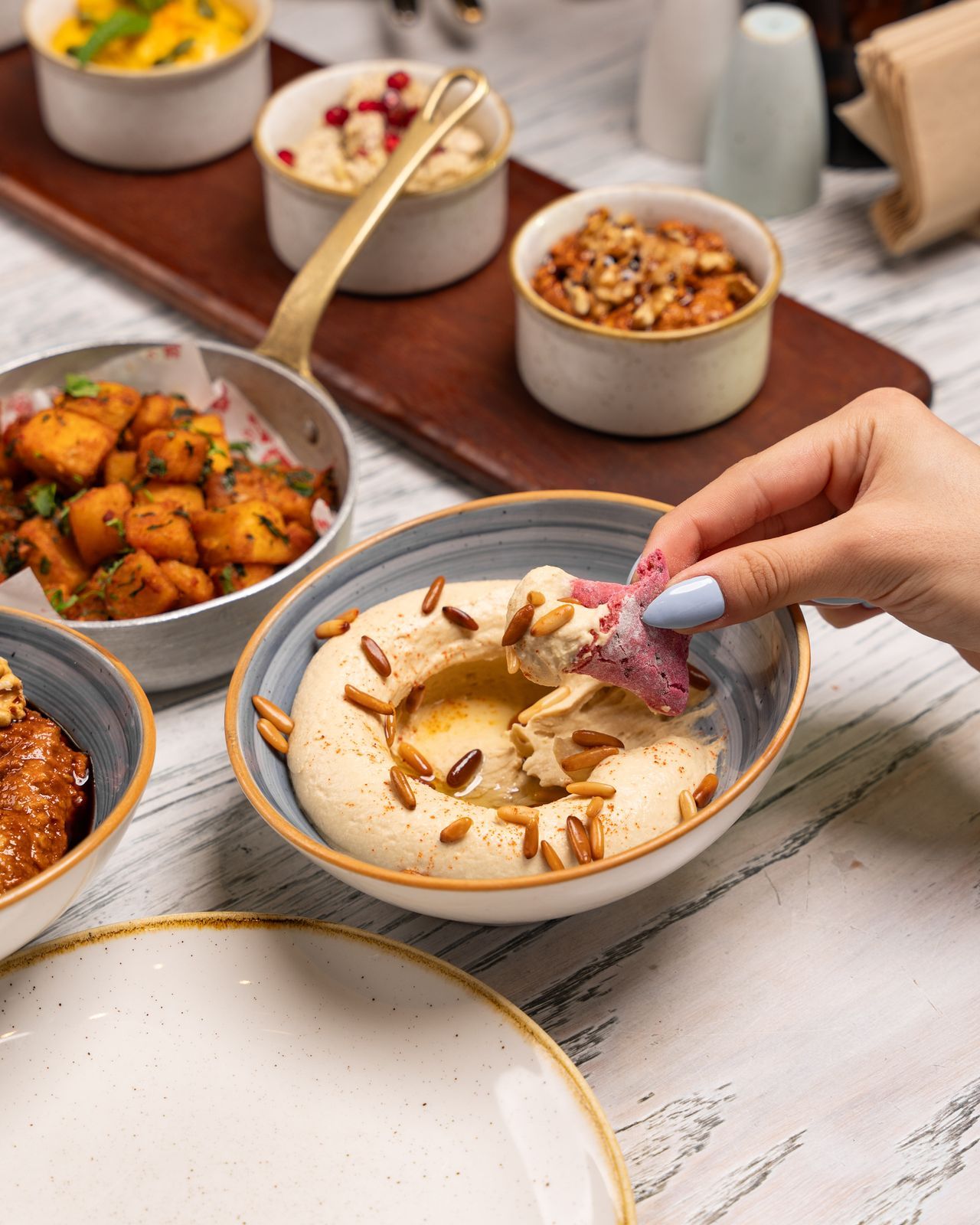
Mezze – what it is and how to order Arabic starters
24/06/2026
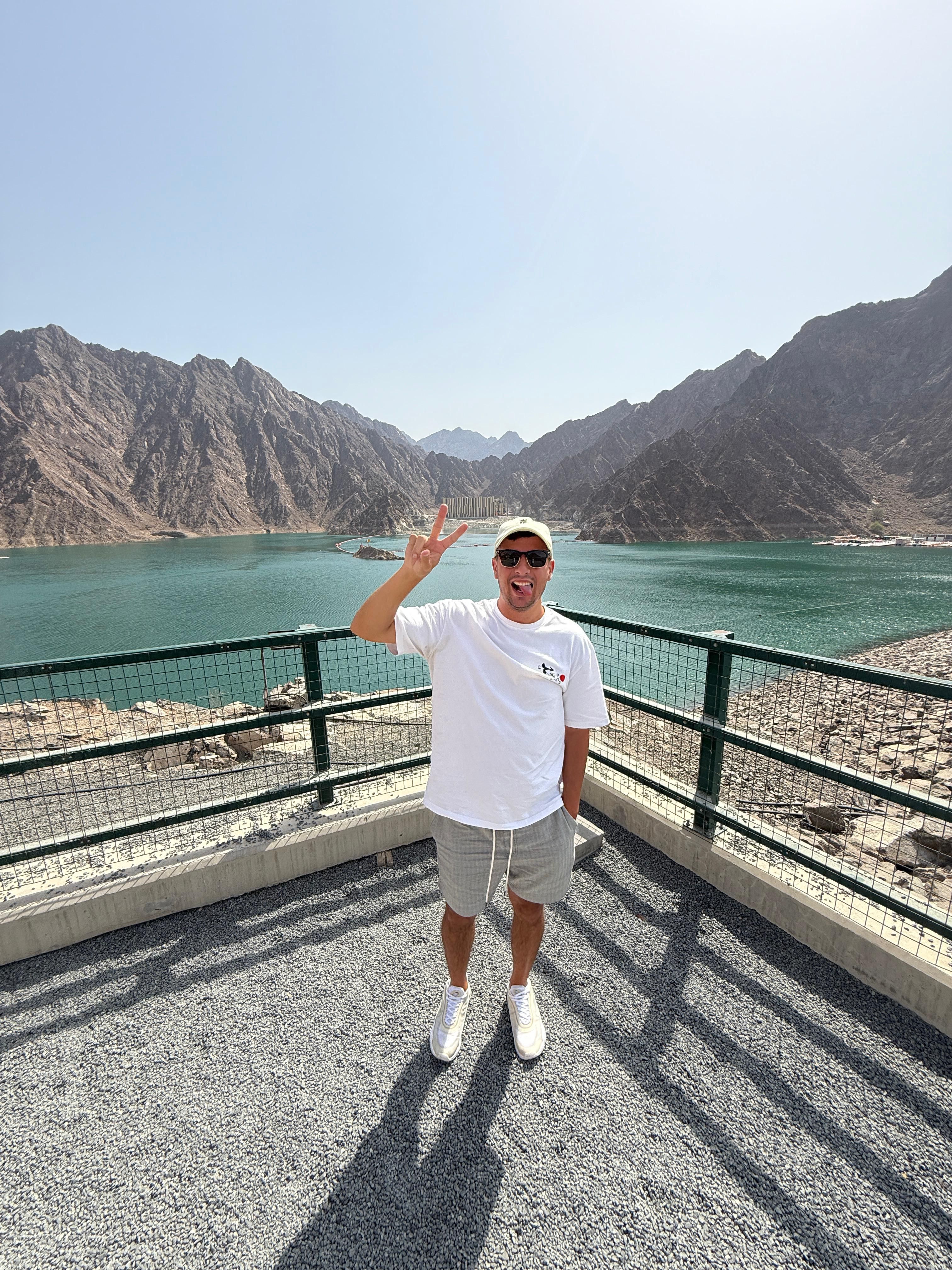
Hatta – a mountain retreat from the heat in the Emirate of Dubai

23/06/2026
KidZania Dubai – a career-themed town for children
23/06/2026
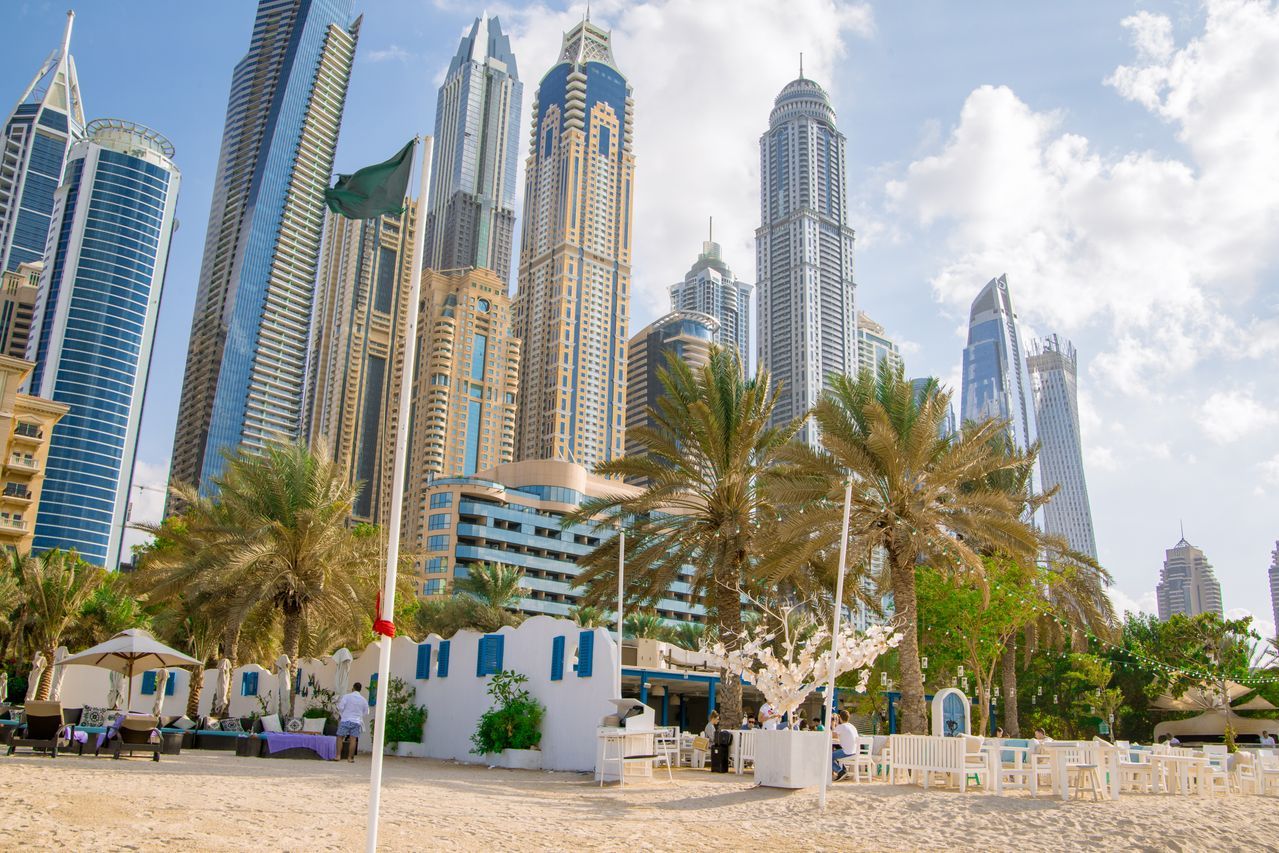
Dubai in summer – is it worth visiting in June, July and August?
23/06/2026
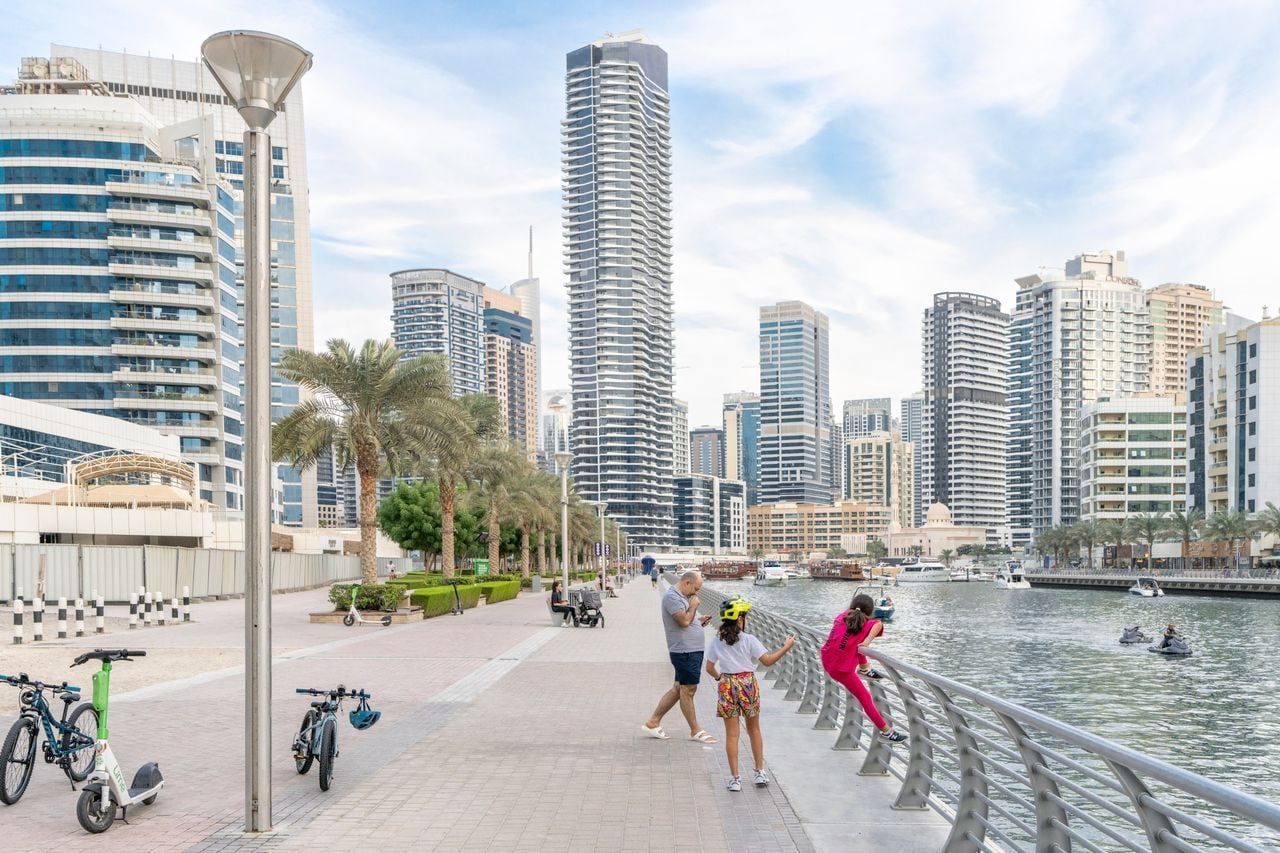
Dubai Marina Walk – a waterfront promenade
23/06/2026
Armaf – a review of the Arabic perfume brand