
Guide
24/06/2026
Meet Ski Dubai, or the ski slope in Dubai
Copy link

Bartosz Jaglarz
7 May 2026
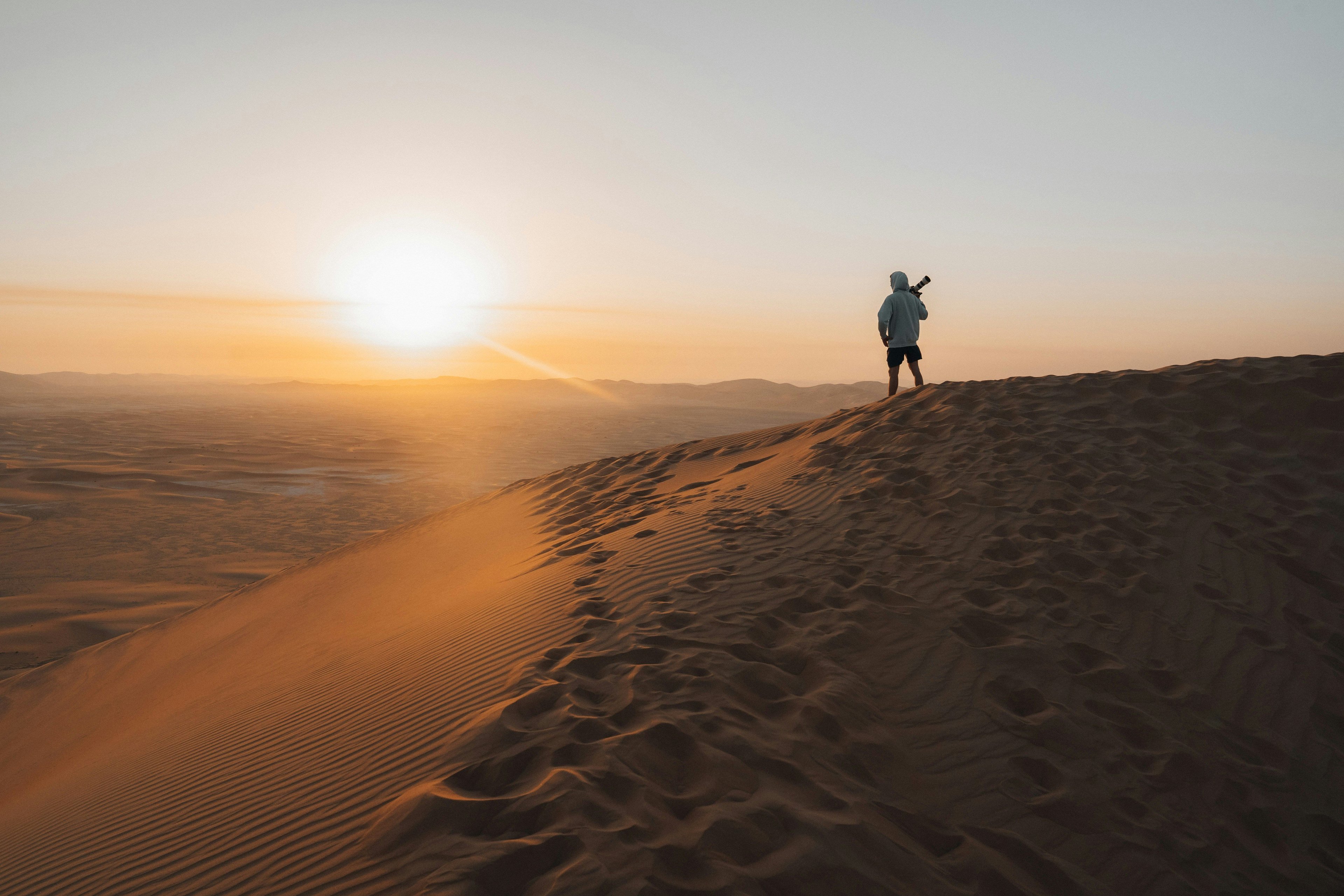
The United Arab Emirates is a country with a unique administrative division on a global scale. It consists of emirates, Islamic equivalents of duchies, forming a common federation of member states. Discover the most interesting facts about the emirates of the United Arab Emirates.
The state structure of the UAE is an interesting topic and something that is definitely worth learning about before travelling to Dubai. People all over the world know Dubai and dream of enjoying its famous attractions, such as climbing to the top of the Burj Khalifa or shopping in the world's largest shopping centre, the Dubai Mall. Many people have also heard of Abu Dhabi, the capital of the UAE, known for the Sheikh Zayed Grand Mosque and for being the cultural and political centre of the country. Some have also heard about the traffic jams in Sharjah and the beautiful nature in Ras Al-Khaimah, but the United Arab Emirates is more than just these cities – it is also much larger administrative units with the same names, often with different characteristics, histories and even laws.
How many emirates make up the United Arab Emirates? The United Arab Emirates consists of seven emirates, which have formed a federal state independent since 2 December 1971. Each emirate is headed by a ruler, or Emir, and the President of the UAE is the Emir of Abu Dhabi, while the Vice-President and Prime Minister is the Emir of Dubai. Interestingly, two other emirates, which are currently independent states, were to become part of the UAE, and one emirate belonging to the UAE was not to belong to this federation! Which emirates and countries are we talking about? I won't reveal that to you, but I wrote about it in an article on the history of Dubai. In general, the UAE is such an interesting country that it is worth reading more interesting facts about the United Arab Emirates.
So which emirates are currently part of the UAE? The United Arab Emirates is a federation of seven emirates named: Abu Dhabi, Dubai, Sharjah, Ras Al-Khaimah, Fujairah, Umm al-Quiwan, Ajman. As part of the United Arab Emirates, each of these emirates has a common military, national economy and foreign policy, but they may differ in terms of law (e.g. Sharia law is in force in Sharjah, but not in Dubai and Abu Dhabi), the characteristics of the local economy, investments, type of development and many other issues. You can travel freely between the emirates, and the UAE is connected by a network of modern and convenient motorways.
Now that we have gone through the administrative division of the Emirates, it is time to take a closer look at each of the emirates. They are unique and have more differences than may appear at first glance. Here is a list of the UAE emirates:
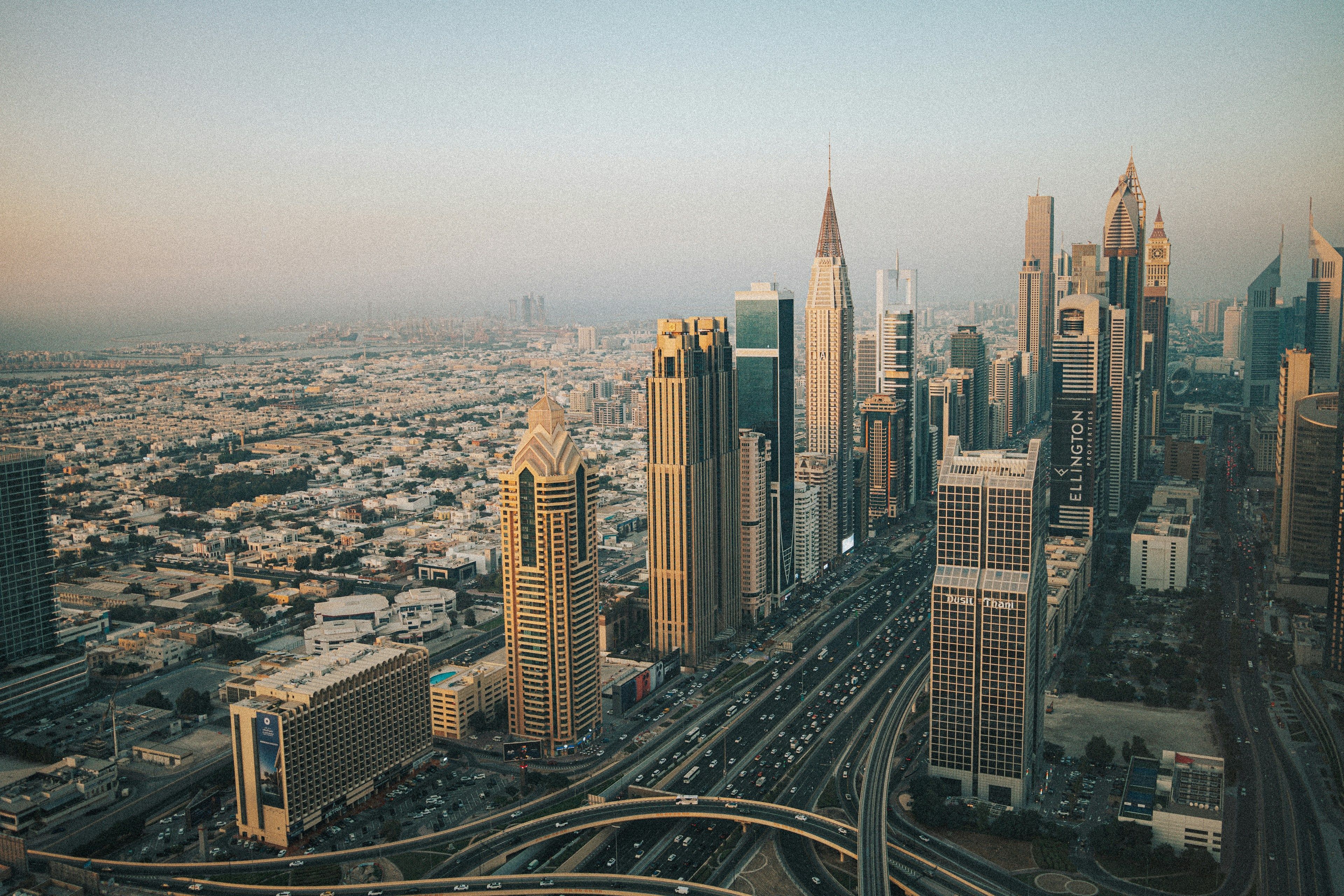
Dubai, although much smaller in area than the capital, has become a global icon and synonymous with luxury, attracting worldwide attention as the region's first megacity. When planning your trip, don't miss a visit to the world's tallest building, the Burj Khalifa, or shopping in the gigantic Dubai Mall, where the amazing Aquarium and Underwater Zoo await you. Families with children will certainly appreciate attractions such as Legoland, Motiongate and the water fun at Atlantis Aquaventure. For those who want to feel the wind in their hair, a yacht cruise in Dubai is the perfect option. The history of the city is inextricably linked to Dubai Creek, the former centre of pearl fishing, which you can now visit on tours of Old Dubai. Dubai is also the gateway to the desert, where the Desert Safari is an unforgettable experience, and to the mountainous enclave of Hatta, ideal for trekking and kayaking enthusiasts. This emirate never ceases to amaze with its grandeur, offering gems such as the Museum of the Future and the largest observation wheel, Ain Dubai.
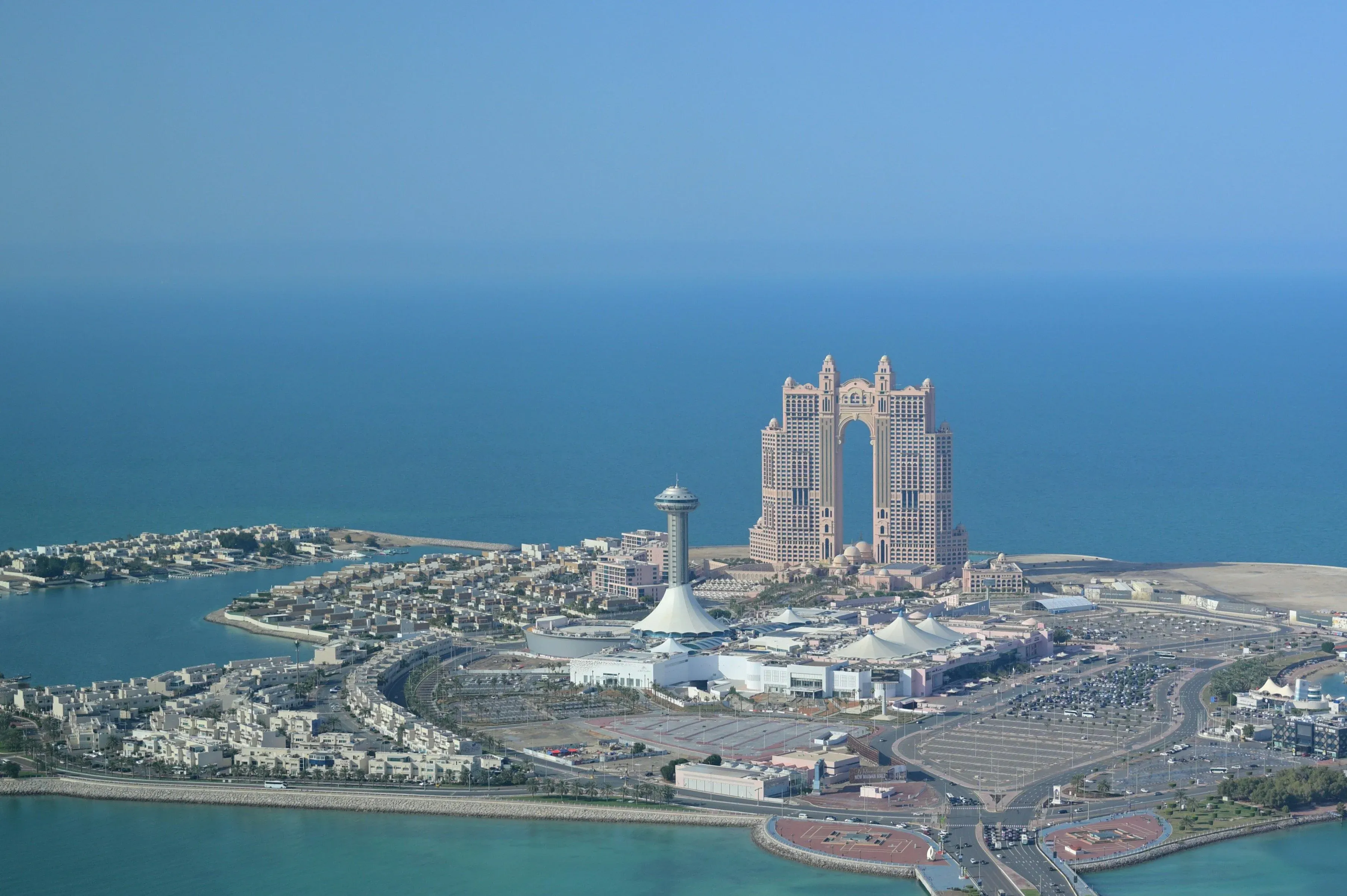
Abu Dhabi is the largest emirate, occupying approximately 84-87% of the country's total area, serving as the federal capital and political centre of the state. It is the seat of the UAE government and emir. It is here that modernity meets tradition in its most spectacular form, as evidenced by the dazzling Sheikh Zayed Grand Mosque and the cultural gem that is the Louvre Abu Dhabi. Thrill seekers should visit Yas Island, home to the Ferrari World Abu Dhabi theme park. The emirate's nature is equally impressive, offering both the Mangrove National Park and the mighty dunes of the Liwa Oasis, reaching over 300 metres in height. If you are looking for inclusiveness and tranquillity, you will be delighted by the Abrahamic Family House, which combines a mosque, a church and a synagogue on one site. The emirate is also famous for its luxury, offering accommodation at the Emirates Palace Hotel, and for the excitement of sport during the annual Formula 1 races. You can go on a guided tour of Abu Dhabi with Two Continents.
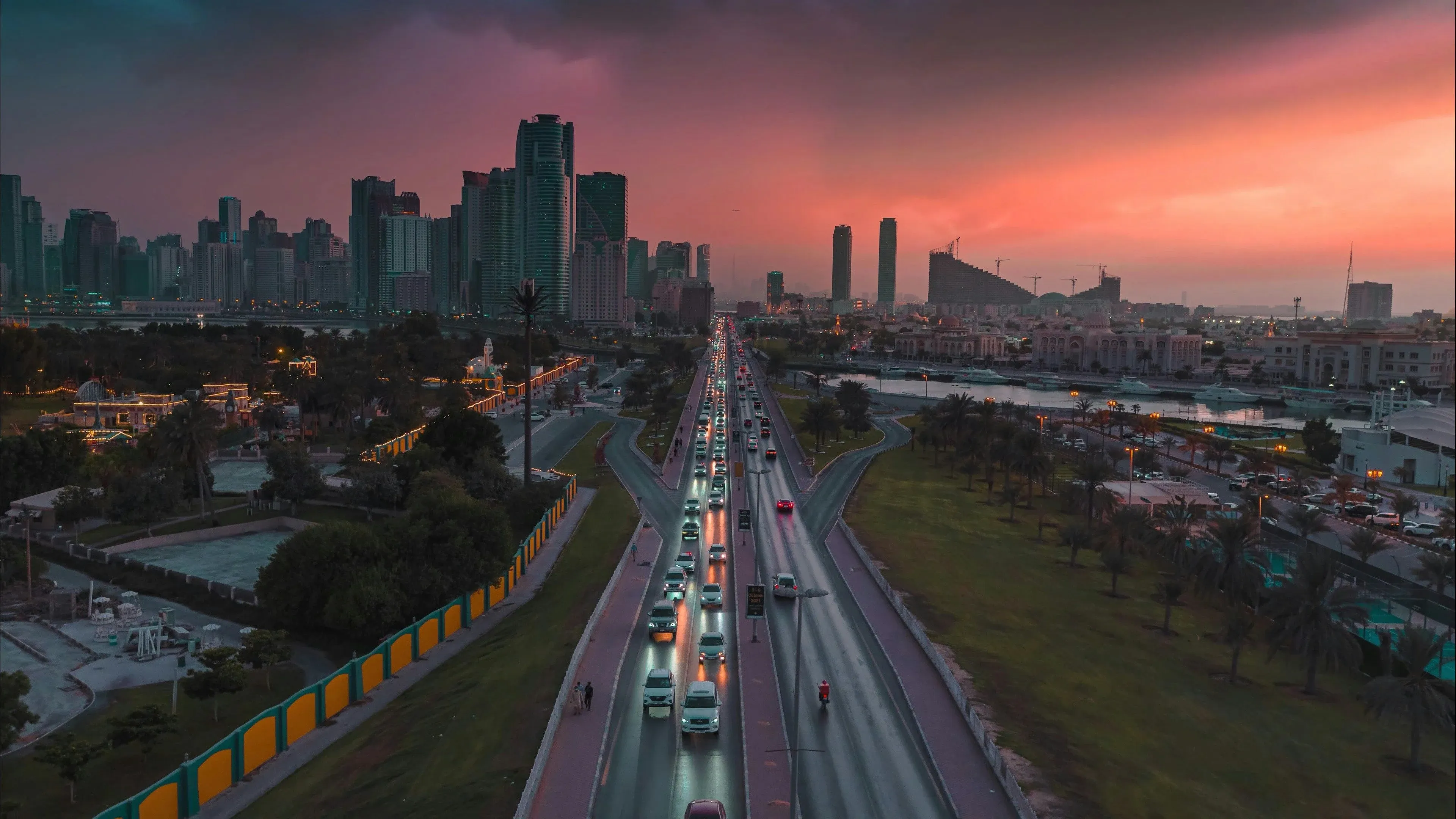
Sharjah is recognised as the cultural capital of the UAE, as confirmed by numerous titles awarded by UNESCO, and is the heart of Arab heritage and art. It is the most conservative emirate, where alcohol is completely prohibited and great emphasis is placed on traditional values, which should be respected during your visit. Tourists can admire unique installations such as the Rain Room, where you can walk in a downpour without getting a single thread of your clothing wet. History lovers will feel the authentic atmosphere of the Blue Souk (Central Souk), buying carpets and jewellery surrounded by traditional architecture. After an eventful day, relax on the Al Majaz waterfront or take a trip to nearby Dubai to see the famous Dubai Frame or visit the iconic Global Village. Sharjah is the only emirate with access to both the Persian Gulf and the Gulf of Oman, making its geography unique. It is the perfect place for those seeking tranquillity in its numerous museums, art galleries and the futuristic House of Wisdom library.
Umm al-Quiwan is the least populated and most authentic emirate, often referred to as a ‘hidden gem’ due to its unhurried lifestyle. The region is a paradise for nature lovers, offering pristine mangrove forests and Al Seniah Island, home to gazelles, falcons and turtles. Tourists are attracted by the bohemian atmosphere of the beach clubs and the traditional architecture of the Old Town with its historic fort dating back to 1786. The main entertainment for families is Dreamland Aqua Park, the largest water park in the UAE, full of exciting slides and water attractions. Although the emirate focuses on tranquillity and nature, it is only a short journey from Dubai. The region's economy is still heavily based on fishing, and local seafood is highly valued even on European markets. Umm Quiwan is an excellent choice for those who want to try water sports such as kayaking or windsurfing in an intimate and natural setting. In the coming years, the development of this emirate is expected to see a significant increase in popularity, for example due to investments such as Siniya Island.
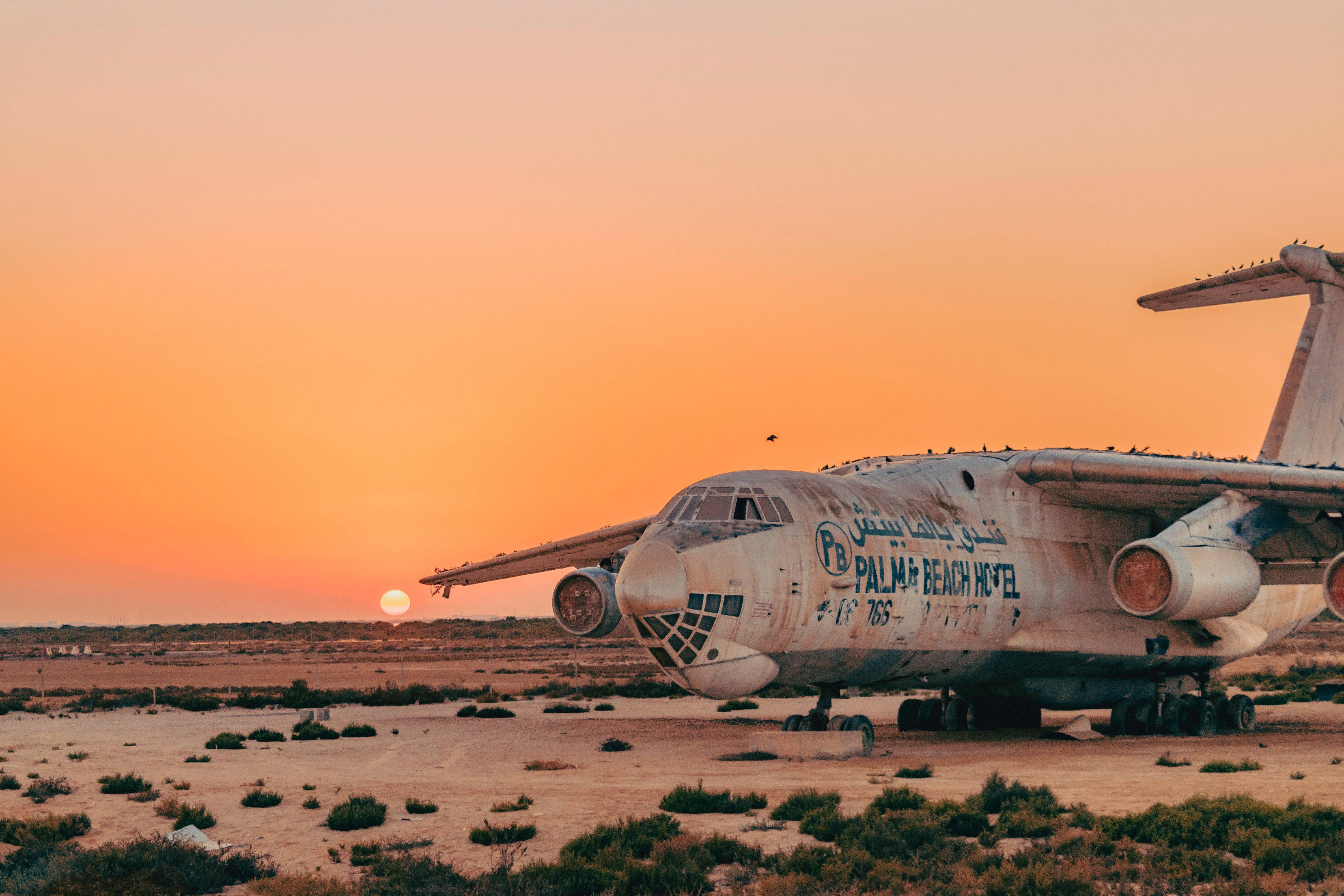
Ajman is the smallest of the seven emirates, but despite its size, it attracts tourists with its beautiful sandy beaches and exceptionally peaceful atmosphere. The main city of the region retains its traditional charm, and its most important monument is the 18th-century Ajman Fort, which now houses a fascinating archaeological museum. Nature plays a key role here, especially in the Al Zorah Reserve, where pink flamingos can be found among the lagoons and mangrove forests. Although Ajman offers a respite from the hustle and bustle of the metropolis, it is a great base for visiting Dubai if you are only planning a few visits to the city. The region is famous for its traditional dhow boat building craft, which has been a symbol of the maritime power of these areas for centuries. It is also worth visiting the exclaves of Masfout and Manama, where the rugged landscape of the Hajar Mountains provides coolness and picturesque hiking trails. A big attraction for fans of local traditions are the camel races at the Al Tallah track, where the excitement reaches its peak thanks to robotic jockeys.
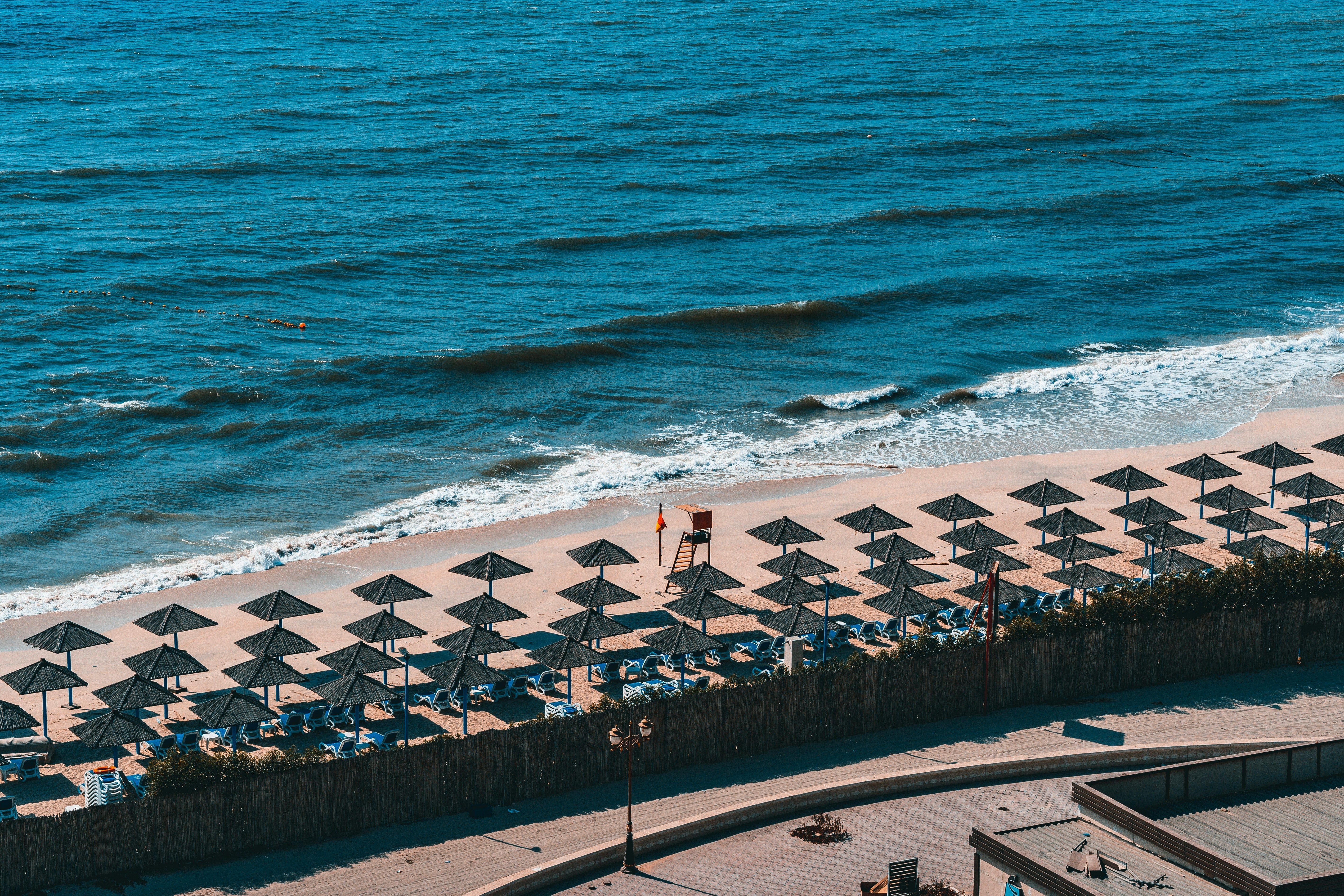
Ras al-Khaimah is the northernmost emirate of the UAE, which has become a regional centre for adventure tourism and extreme sports. It is here that Jebel Jais, the highest peak in the country, rises, where you can ride the longest zip line in the world, reaching speeds of up to 120 km/h. While in Dubai, it is worth complementing your holiday with a visit to the pearl farm in Ras al-Khaimah. The emirate's topography is extremely rich – from sandy beaches and red dunes to the majestic Hajar Mountains. The region's history dates back 7,000 years, as evidenced by numerous archaeological sites and the country's only hilltop fort, Dhayah Fort. The region is also an industrial powerhouse, known worldwide for producing the highest quality ceramics, RAK Ceramics. Thanks to its unique microclimate and diverse landscapes, Ras al-Khaimah is the perfect place for those who want to combine relaxation by the sea with active recreation.
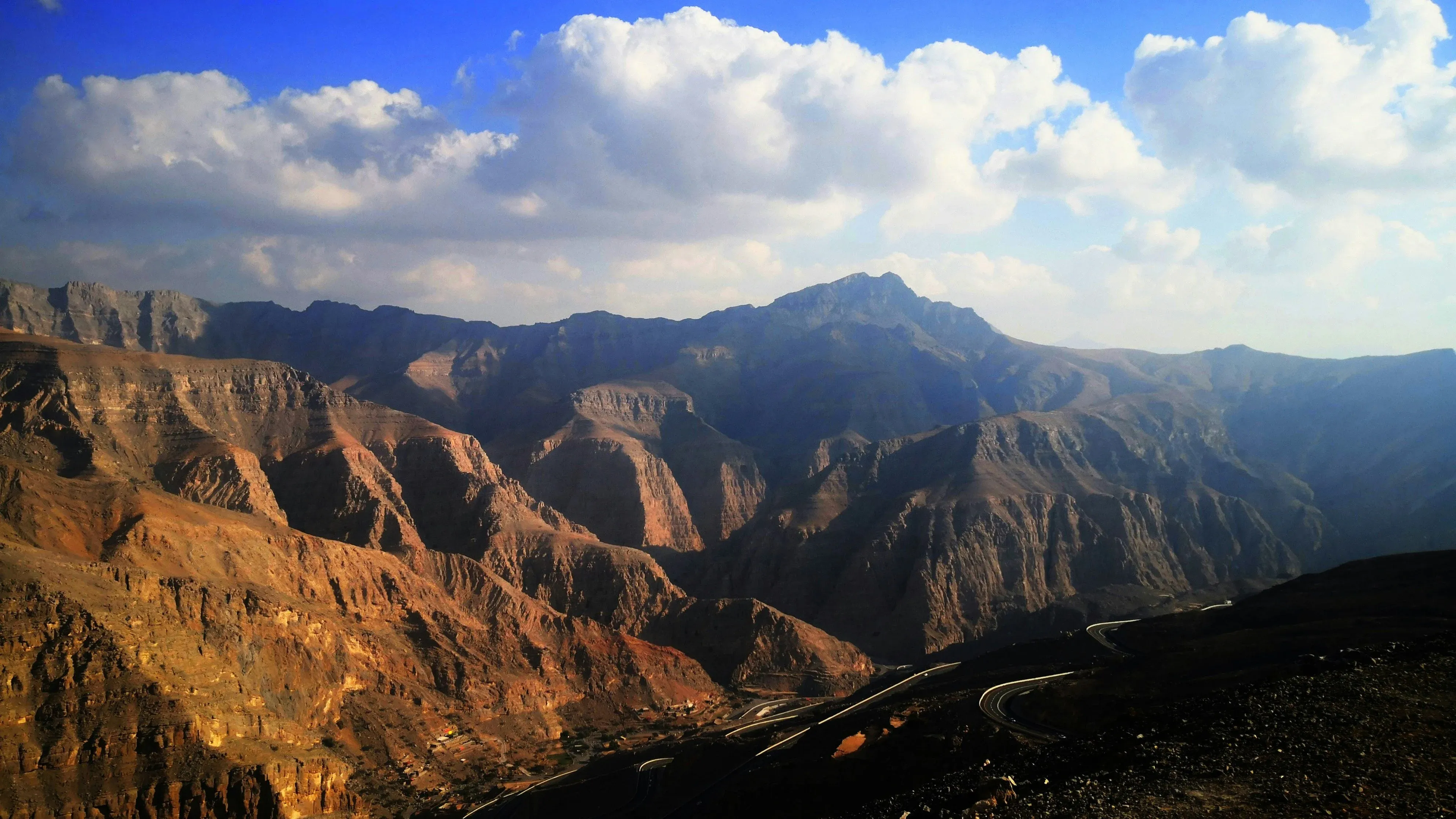
Fujairah is a unique place, as it is the only emirate located entirely on the Gulf of Oman, offering access to the crystal clear waters of the Indian Ocean. It is a mecca for scuba divers and snorkelling enthusiasts, who can admire some of the most beautiful coral reefs in the country at Snoopy's Island. The landscape of Fujairah, where the Hajar Mountains meet the blue ocean, is radically different from the flat and sandy terrain of the other emirates. History buffs should visit Fujairah Fort and Al Bidya Mosque, considered the oldest Muslim temple in the entire Emirates. Thanks to its location, the climate here is slightly milder, making the emirate of Fujairah a favourite weekend getaway for Dubai residents escaping the heat inland. The port of Fujairah plays a strategic role on the world map, being one of the largest logistics and transport centres for maritime trade.
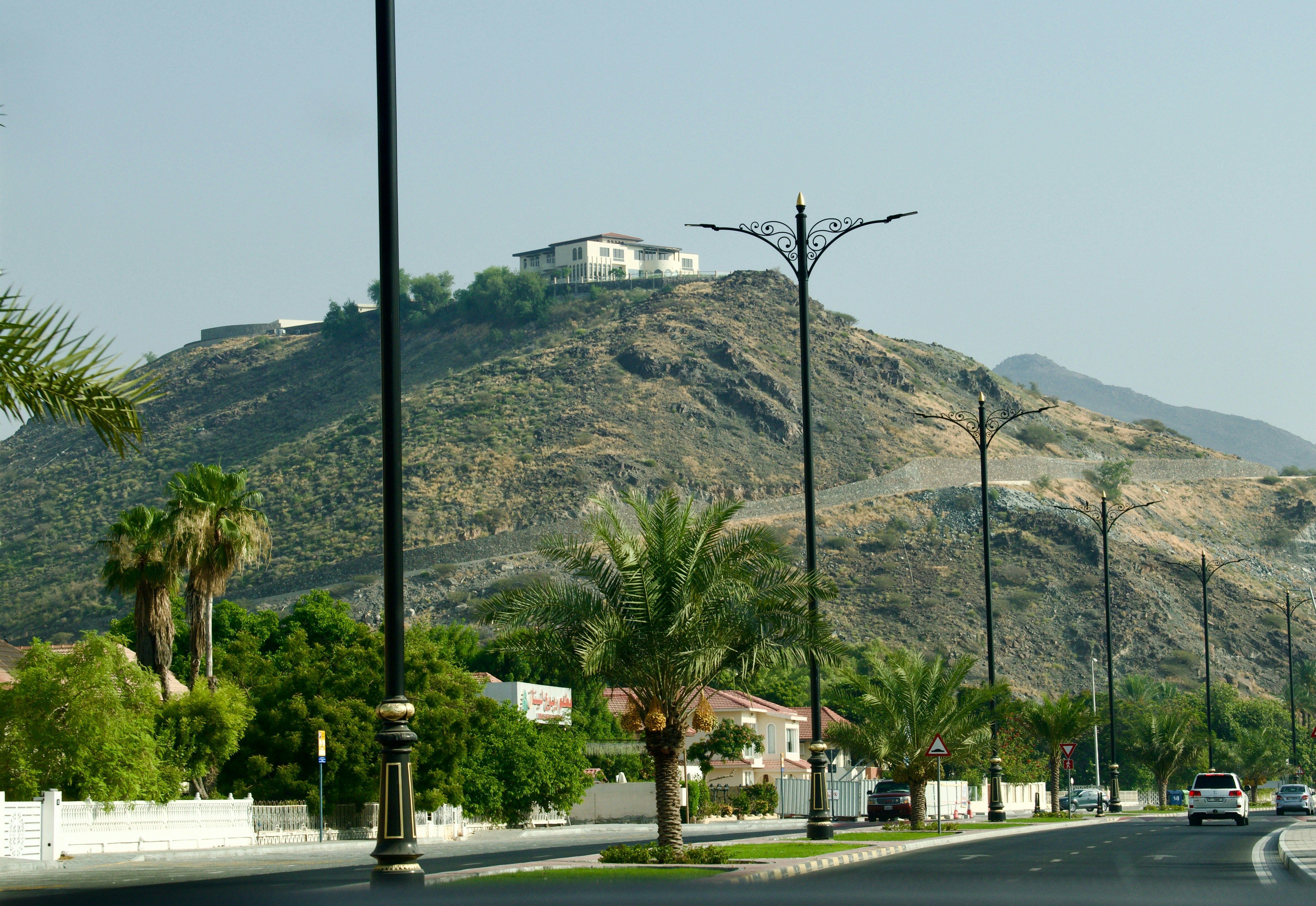
Now that we know the number of emirates in the UAE, it's time for some interesting facts! The United Arab Emirates is much more than just the futuristic skyline of Dubai that we love so much. It is a fascinating federation of seven regions, each telling a completely different story and offering a unique pace of life. Learning interesting facts about each of them will allow you to see the extraordinary contrast between traditional pearl fishing and ambitions reaching as far as a mission to Mars.
The state, as an international structure, is a collection of emirates, or ‘microstates’ with their own monarch (emir) and different laws. It follows that the state of the United Arab Emirates is a larger collection of emirates into one state entity.
The most populous emirate in the United Arab Emirates is Dubai, which attracts a huge number of migrants and is the main economic centre of the country, although the emirate of Abu Dhabi is the largest in terms of area and is the capital of the state, it also has a very large population. The emirate of Sharjah is in third place.
No, Dubai is not the capital of the United Arab Emirates. This is a common misconception and a frequently asked question on the internet. The capital of the UAE is Abu Dhabi, although Dubai is the largest city in terms of urban area. We explained this in the article: What is the capital of the United Arab Emirates?
See other news
24/06/2026
Meet Ski Dubai, or the ski slope in Dubai

24/06/2026
Deira Perfume Souk guide: where to find the best fragrances?

24/06/2026
Visiting Dubai with a child – what are the best attractions to choose?
24/06/2026
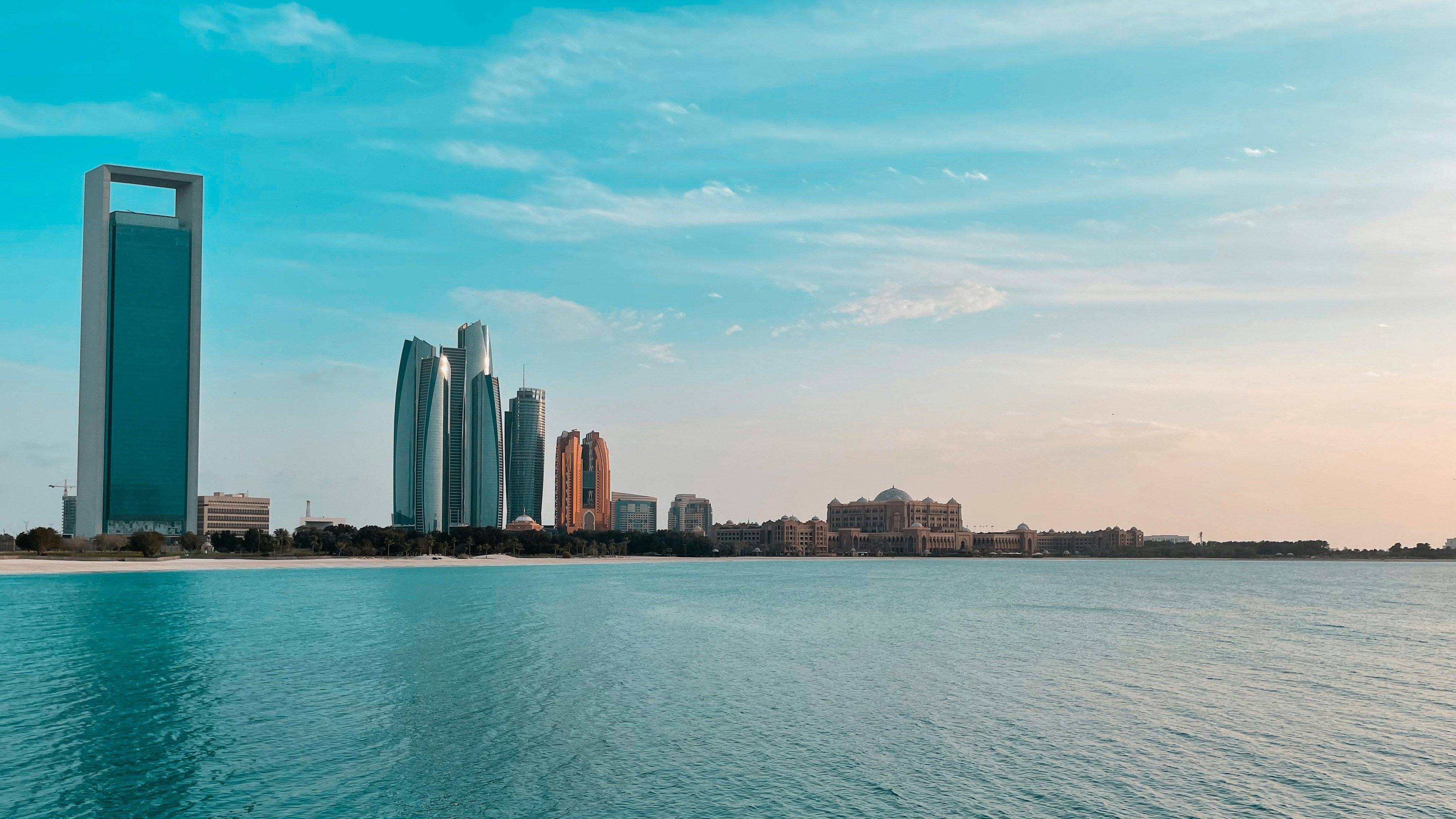
Abu Dhabi – the best attractions. TOP 30 places worth seeing in the UAE capital

24/06/2026
Mezze – what it is and how to order Arabic starters
24/06/2026
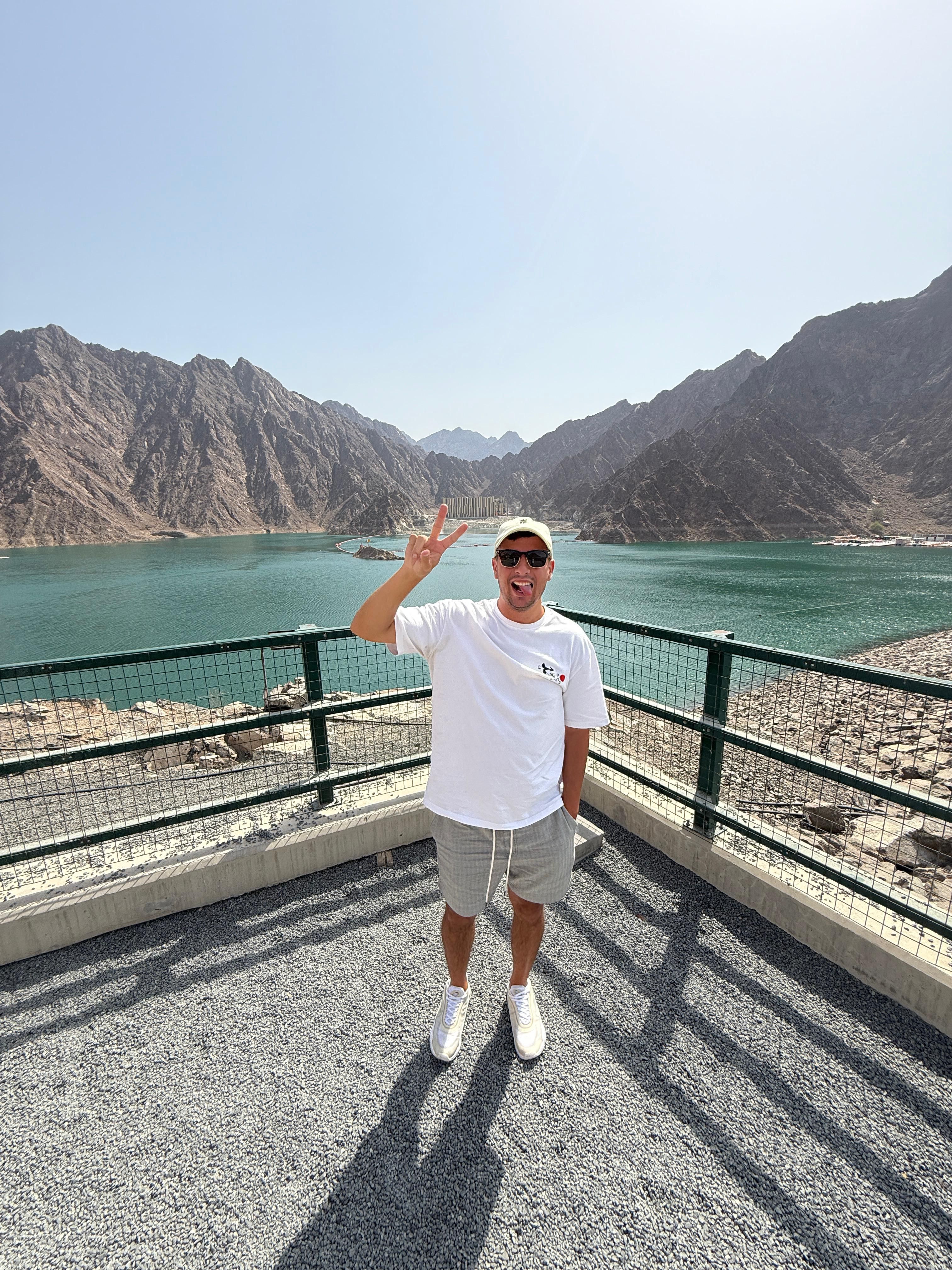
Hatta – a mountain retreat from the heat in the Emirate of Dubai

23/06/2026
KidZania Dubai – a career-themed town for children
23/06/2026
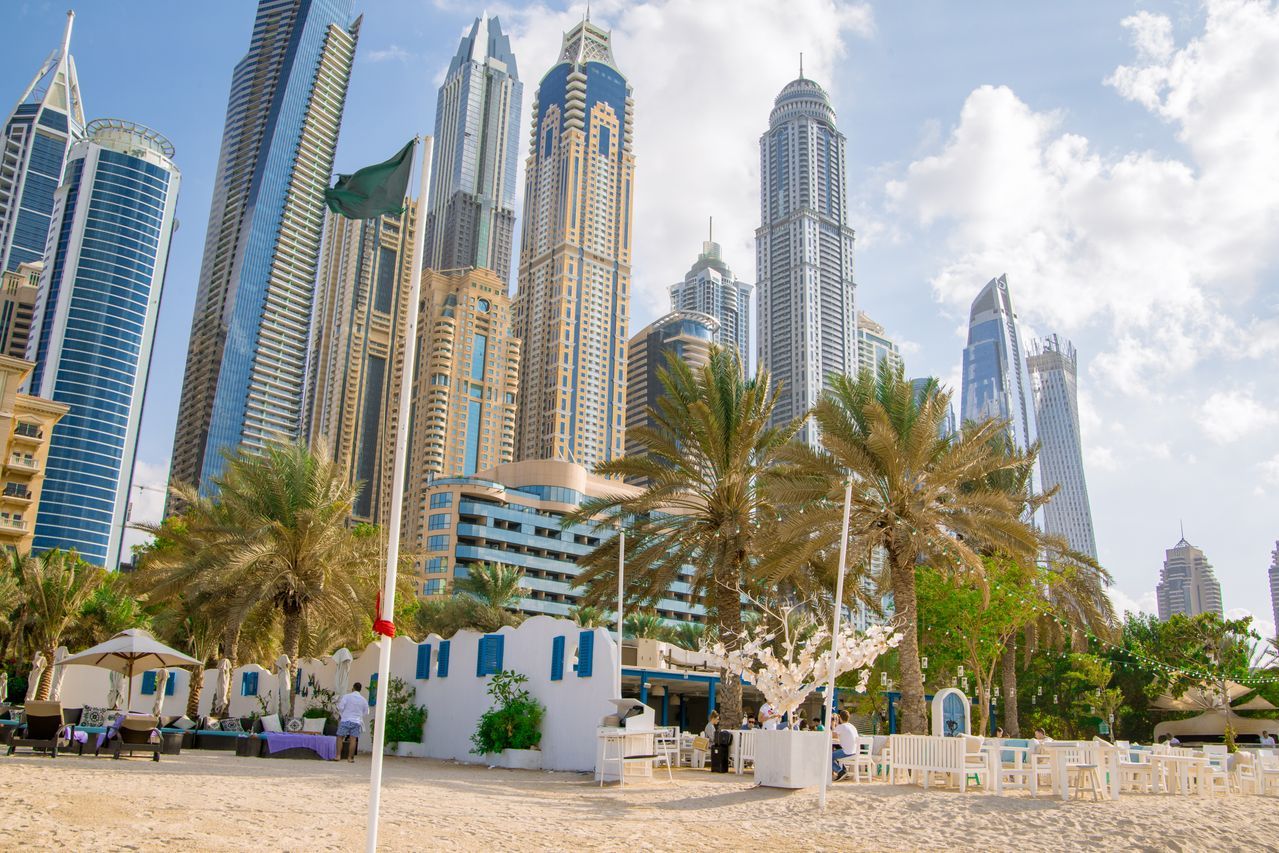
Dubai in summer – is it worth visiting in June, July and August?
23/06/2026
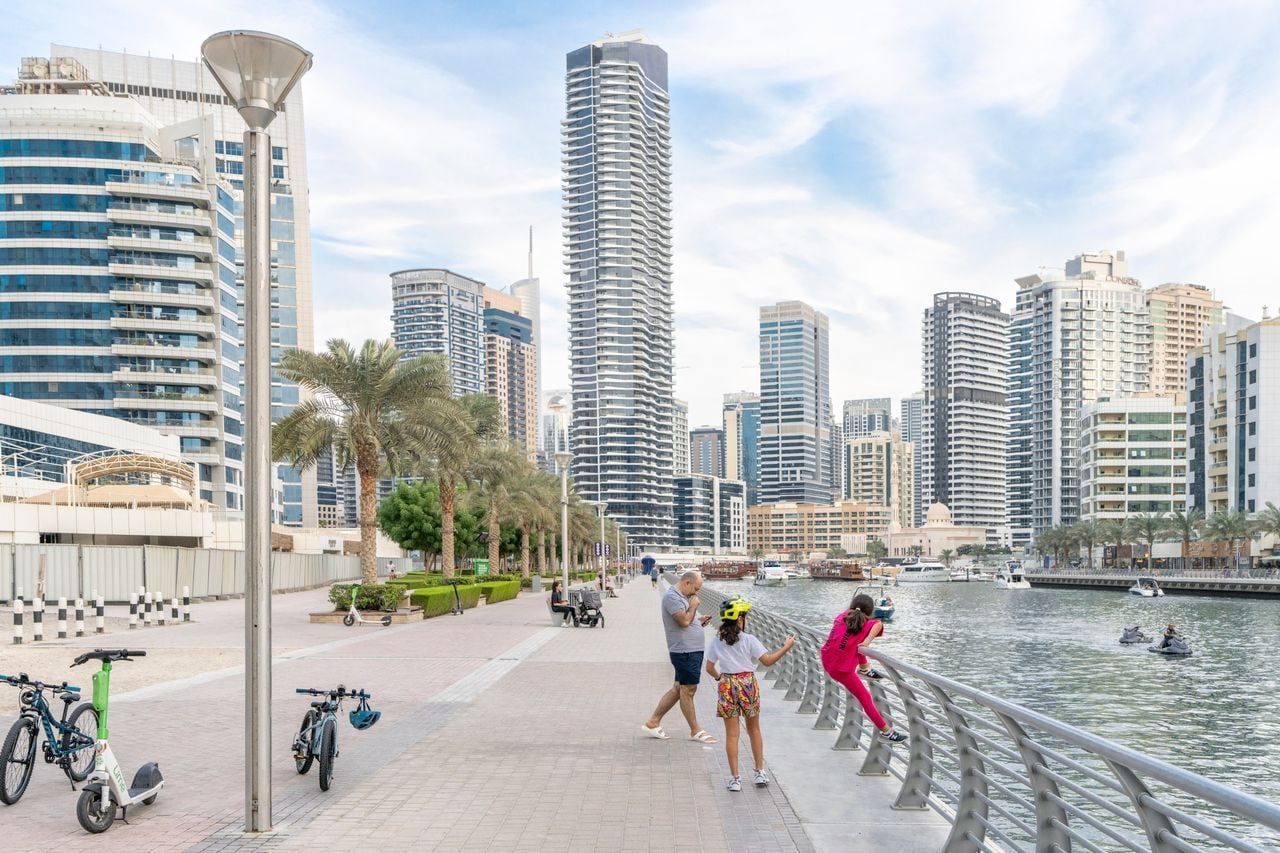
Dubai Marina Walk – a waterfront promenade
23/06/2026
Armaf – a review of the Arabic perfume brand