
Guide
01/03/2026
Dubai Mall – area
Copy link

Bartosz Jaglarz
10 December 2025

The weather and climate in Vietnam vary depending on the region and season. The climatic diversity makes it a year-round tourist destination. When is the best time to travel to Vietnam? When choosing Vietnam as a holiday destination, when to go north, when to go south, and when to choose the central part of the country? Read on to find out.
When to fly to Vietnam? This is a question many travelers ask themselves before boarding a plane to Southeast Asia. There is no clear answer to the question of when is the best time for a vacation in Vietnam, because planning a trip to this country depends on the part of the country you are visiting (north, center, south) and the season. Vietnam does not have a tropical climate everywhere, as one might think, and in the north of the country, winter jackets may be necessary in winter. Are there rainy seasons in Vietnam? When is the dry season in Vietnam? Let's answer the most important questions and determine when is the best time to go to Vietnam. Before your trip, you can use our other guides about Vietnam:
Temperatures in Vietnam vary throughout the year and differ depending on the region (North, Center, South) and month. To best answer the question of when to go to Vietnam, you need to analyze what weather will be best for your travel plans. Important, but often overlooked: the temperature does not always reflect the actual weather. Especially in the summer months, from June to September, high humidity can make the temperature feel up to 10 degrees higher than the actual reading on the thermometer.
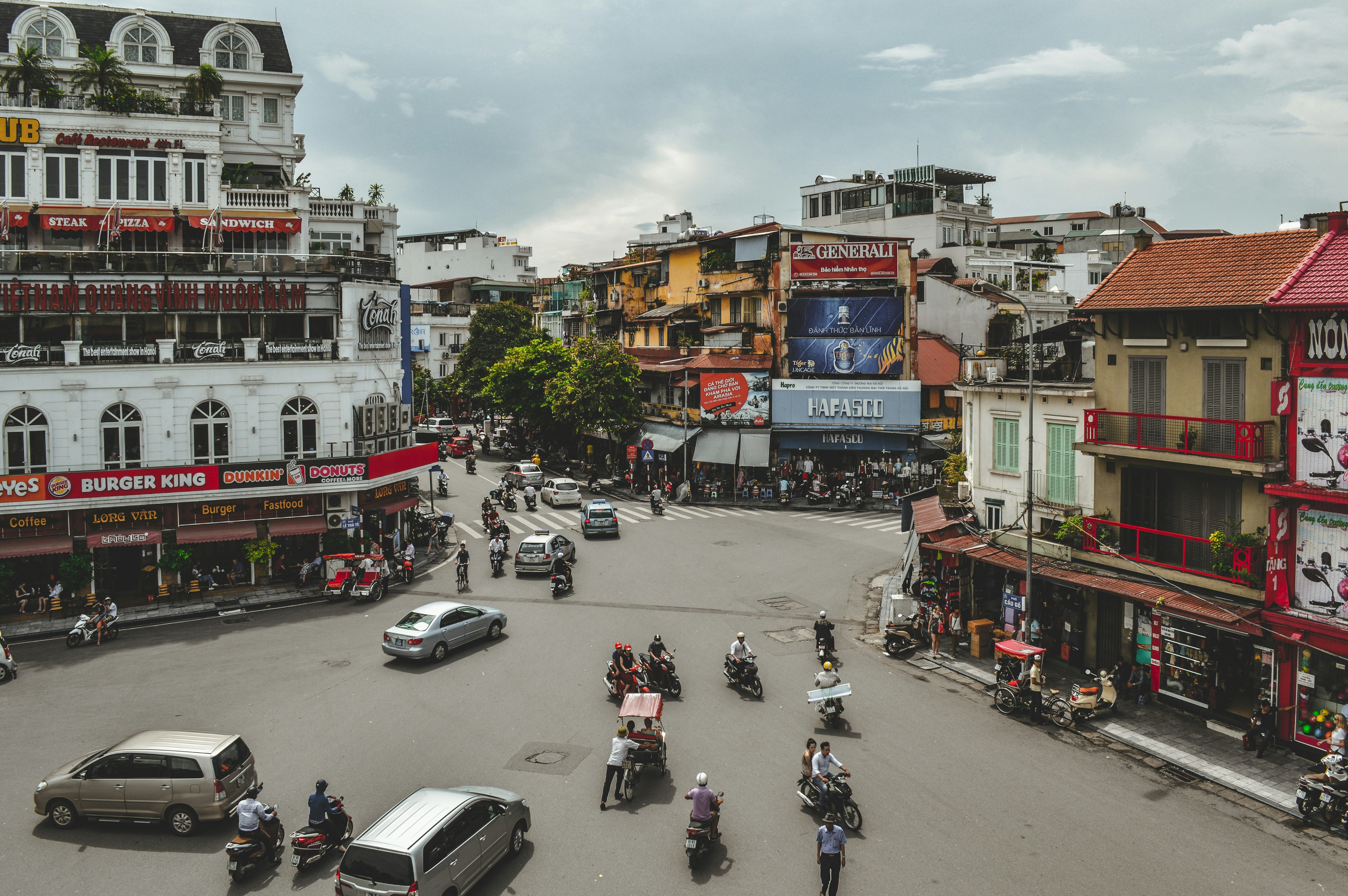
Want to decide when to fly to Vietnam? It's best to first learn about the climate in Vietnam. Vietnam's climate is extremely diverse, due to its long geographical length and complex terrain, where mountains and highlands account for about 75% of the country's area. Two main climate types dominate the country: tropical humid in the north and tropical humid (or equatorial humid) in the south. High air temperatures, significant rainfall, very high humidity, and periodic monsoons are characteristic of the whole of Vietnam. Northern Vietnam, including Hanoi, experiences four seasons, with a cool, humid winter, where temperatures can drop below 10°C, and a hot and humid summer. In the mountainous areas of the north, such as Sapa, there is even frost and snowfall in winter, from December to February, and fog makes trekking difficult.
In contrast, the south (e.g., Ho Chi Minh City) has only two distinct seasons: dry (November to April), characterized by heat and sunshine, and rainy (May to October) with violent but short-lived afternoon downpours. Central Vietnam, especially in the Hoi An area, has more complicated weather, enjoying a dry season from February to August but experiencing a rainy season and typhoon season from August to November. The most favorable weather conditions, allowing you to combine sightseeing in most regions of the country, are during the transitional months, such as March, April, October, and November. Due to these varied conditions, Vietnam is a destination that can be visited successfully throughout the year, with routes planned appropriately to suit the local weather.
Thanks to its diversity, Vietnam is an ideal tourist destination all year round. However, weather conditions vary, and personal preferences regarding the weather can be a very important factor when choosing a travel date. Temperatures in Hanoi and Ho Chi Minh City can be similar or drastically different depending on the month. Let's analyze the climatic differences between the north and south and choose the best time for sunbathing, sightseeing, and additional activities (such as motorcycling). Remember! If you are not afraid of the rainy season in Vietnam and you like a humid climate, I highly recommend the turn of August and September, when I made my last trip. Now let's move on to the analysis:
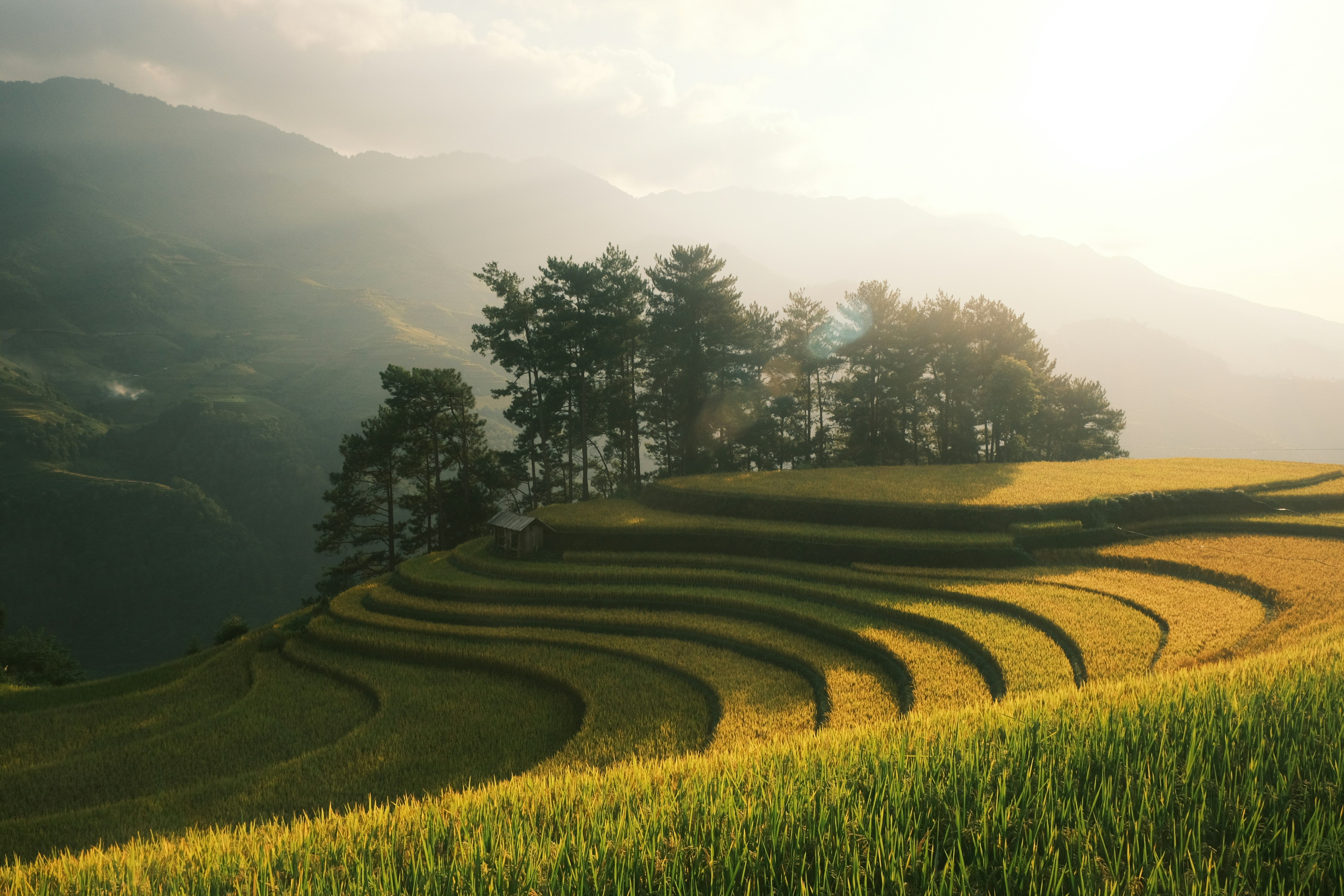
The tourist season in Vietnam is not uniform due to the large size of the country and its climatic diversity, which means that it can be visited practically all year round. However, the best time to visit Vietnam, combining favorable conditions in many regions, is from November to April, and this is usually the peak tourist season. During the transitional months, such as March and April, most regions enjoy particularly comfortable weather conditions, with pleasant temperatures and little rainfall in the north and center. Both the dry and rainy seasons are perfect times for a vacation in Southeast Asia, so don't hesitate, it's better to book your tickets before Vietnam becomes as touristy as Thailand!

When you ask online when not to go to Vietnam, the most common answer you will find is: during the rainy season. But what is the rainy season like in Vietnam? Should you really avoid vacationing during the rainy season and only go when it is dry in Vietnam? No, you don't have to avoid Vietnam during the rainy season, and yes, traveling in Vietnam during the rainy season is definitely possible – the rains are usually short but heavy downpours that occur mainly in the afternoons and rarely last all day. During the rainy season, which lasts from May to October in the south, you can easily plan your sightseeing, taking shelter in local restaurants during the downpours. In addition, the rainy season in the south makes the landscapes, especially the lush greenery of the Mekong Delta, particularly picturesque and beautiful.
Before traveling to Vietnam, you need to be aware of the diverse weather conditions in the country. Depending on the month, the weather can vary in the mountains of northern Vietnam, on the beaches of central Vietnam, and in the Mekong Delta in southern Vietnam. For most of the year, tourist destinations are characterized by high temperatures and high humidity, so you need to remember to protect yourself from the sun, overheating, and dehydration. It is best to bring light, breathable clothing and a cape or light rain jacket. If you are planning a trip to mountainous areas in winter, bring warm clothes and shoes, as it is difficult to buy such clothes in European sizes (for tall people) locally. Be sure to check what the weather should be like in the region in the month you plan to visit so that you can prepare well. Unfortunately, climate change is increasingly affecting weather anomalies, so even our article and similar blog or guide entries can sometimes be wrong.

Is it better to visit the north or south of Vietnam? It depends on your personal preferences and the season. If you want to sunbathe, choose the south and the dry season, from December to April. If you want to explore the north and ride a scooter or motorbike, avoid the wet season, when the temperature and humidity make sightseeing and riding a two-wheeler difficult. When to go to Vietnam, north or south, depends on your travel plans and it is best to tailor it to your individual needs and plans. What is the weather like in Vietnam during the winter season? This question is often asked due to school breaks and winter vacations. What is the weather like in Vietnam in January and February? The weather in Vietnam in January and February is very diverse: in the north (e.g., in Hanoi and Ha Long Bay) , the winter is humid and cool with temperatures around 10-14°C and the possibility of fog, while in the south (e.g., in Saigon and the Mekong Delta), the dry season is hot and sunny. If you are planning a vacation at that time, it is better to choose the south or Phu Quoc Island.
If you are planning a vacation in Asia, you cannot miss other interesting destinations on this continent. One of them is the United Arab Emirates, and in particular Dubai, which is very often a stopover city on the way to Vietnam. You can opt for a short sightseeing tour during your layover or a longer stay while traveling with the travel agency Two Continents, which offers the best attractions in Dubai, accommodation in Dubai in private apartments, and trip packages to Dubai, including accommodation, a package of attractions, travel insurance, and tour guide assistance throughout your stay. Combine Dubai with Vietnam and experience the unforgettable vacation of a lifetime!
Vietnam is usually warmest in spring (March-May) and summer (June-August), especially in the south and central parts of the country, with temperatures often exceeding 30°C and even 35°C, especially in April, which is sometimes the hottest month, although humidity and rainfall also begin to increase at this time, especially in June and July, when temperatures can exceed a perceived 40°C.
The best time to visit Vietnam and enjoy the beaches is during the dry season, i.e. from November to April, with spring (March-April) being the ideal time to combine sightseeing and beaches, with warm weather and less rainfall, especially in the central part (Da Nang, Hoi An). December and January are great for the south (Phu Quoc) and cruises on Ha Long Bay.
Yes, typhoons occur in Vietnam, especially between April and December, with the highest intensity between September and October, most often affecting the central and southern regions of the country, causing strong winds, heavy rains, floods, and landslides. However, these weather phenomena are not as dangerous as monsoons in other parts of Southeast Asia and rarely pose a threat to tourists.
See other news
01/03/2026
Dubai Mall – area

01/03/2026
Burj Khalifa – which floor to go to?
01/03/2026
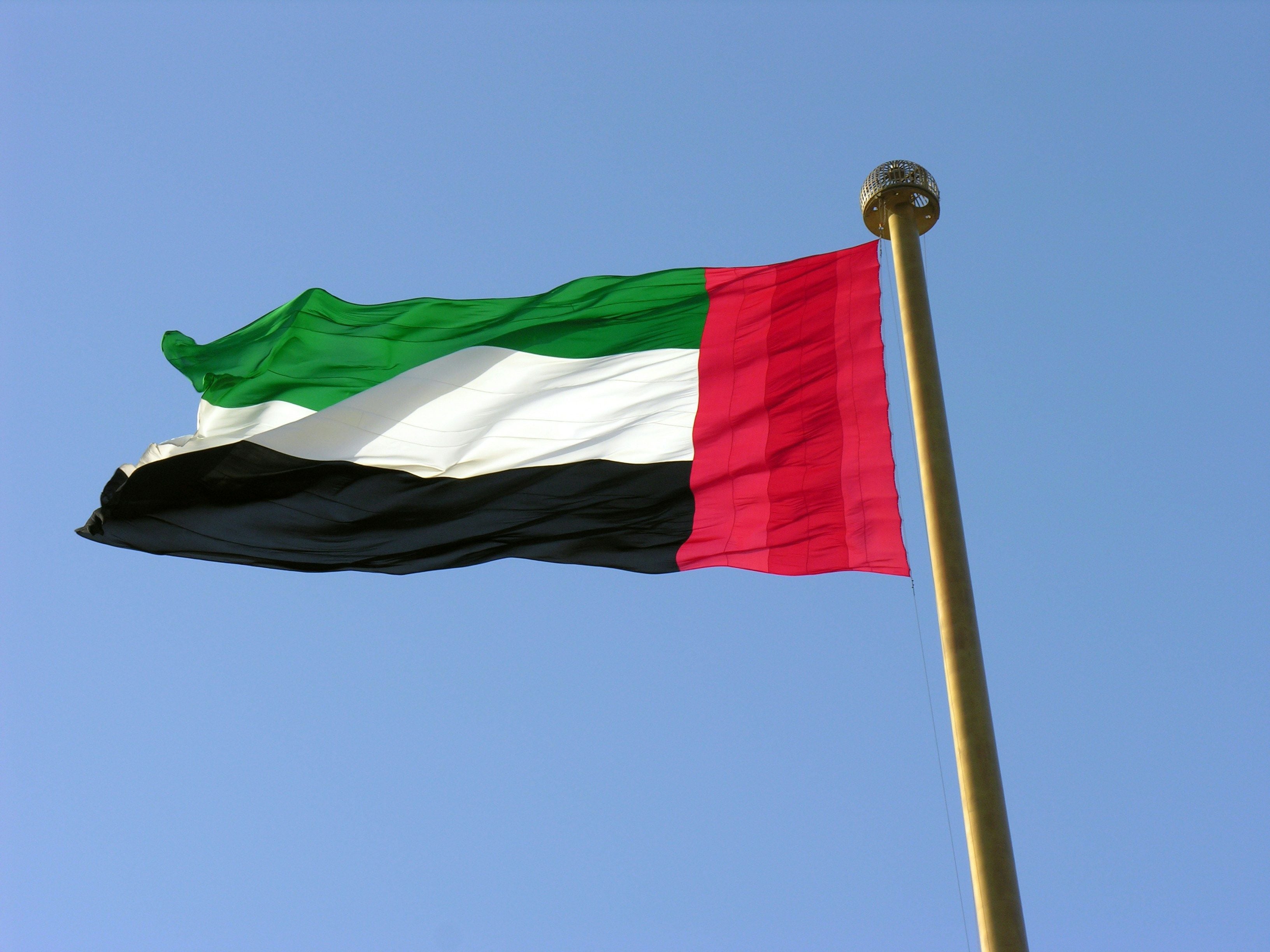
United Arab Emirates - a guide for tourists

28/02/2026
No more expensive internet in the Balkans? EU roaming on the way!
28/02/2026
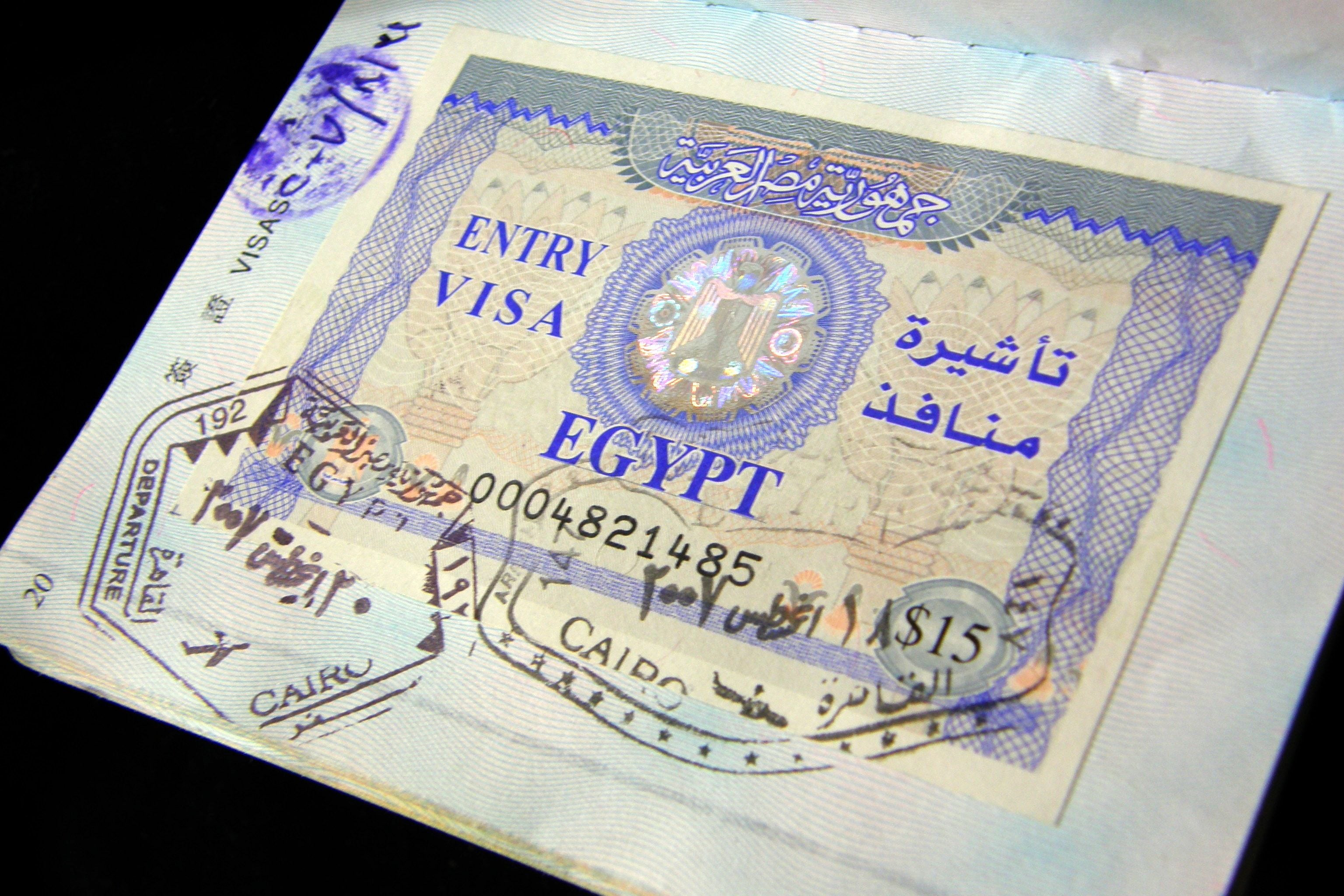
From March visas to Egypt will be $5 more expensive

28/02/2026
Krakow finally obtains environmental approval for the construction of a new runway
28/02/2026
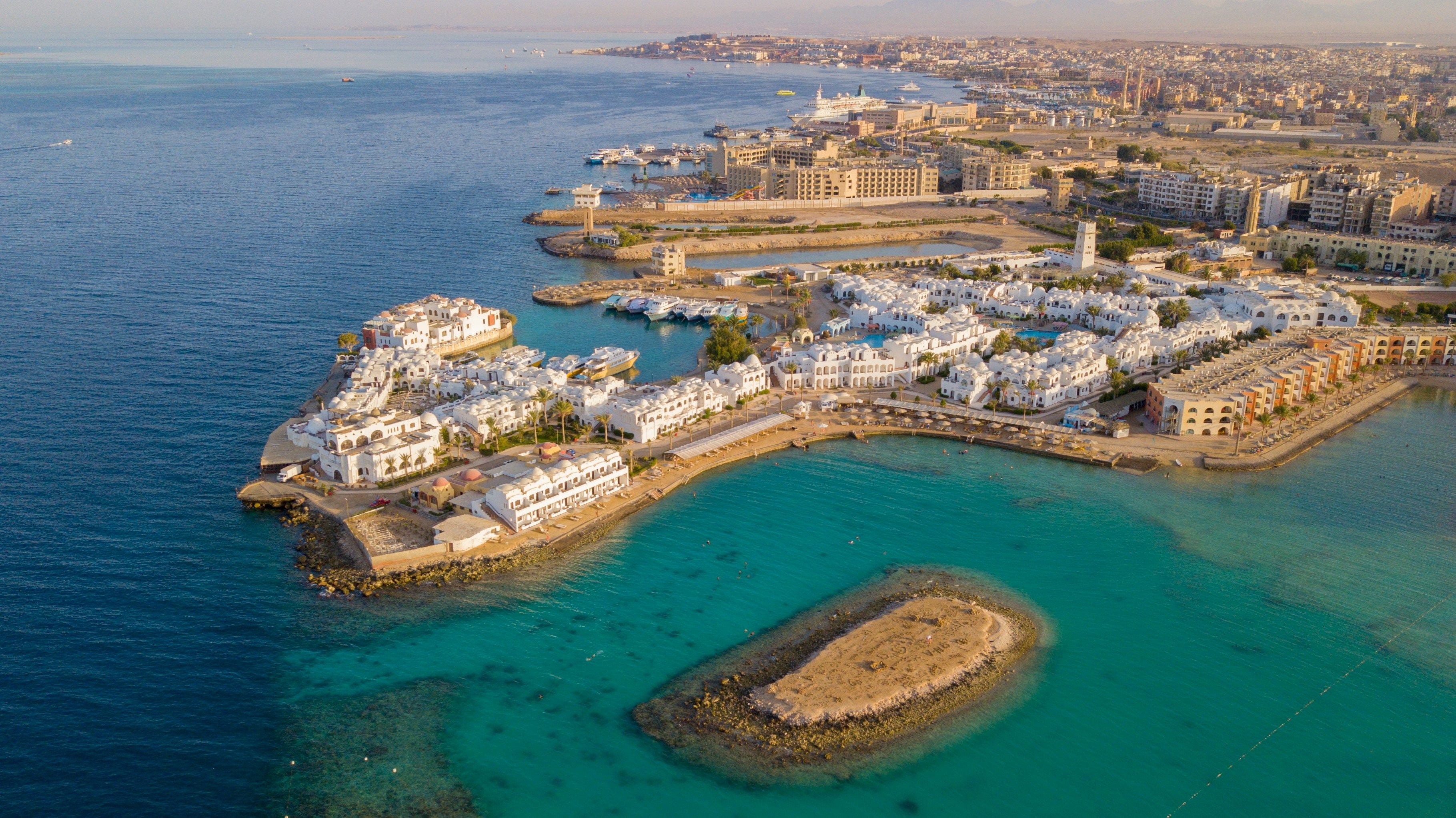
Corendon Airlines will fly from Warsaw and Katowice to Hurghada

28/02/2026
Wizz Air has announced the launch of a new route from Warsaw to Zadar

26/02/2026
Making money from short-term rentals in Dubai

26/02/2026
No more travelling around Iran on your own