Guide
01/03/2026
Dubai Mall – area
Copy link

Bartosz Jaglarz
10 December 2025
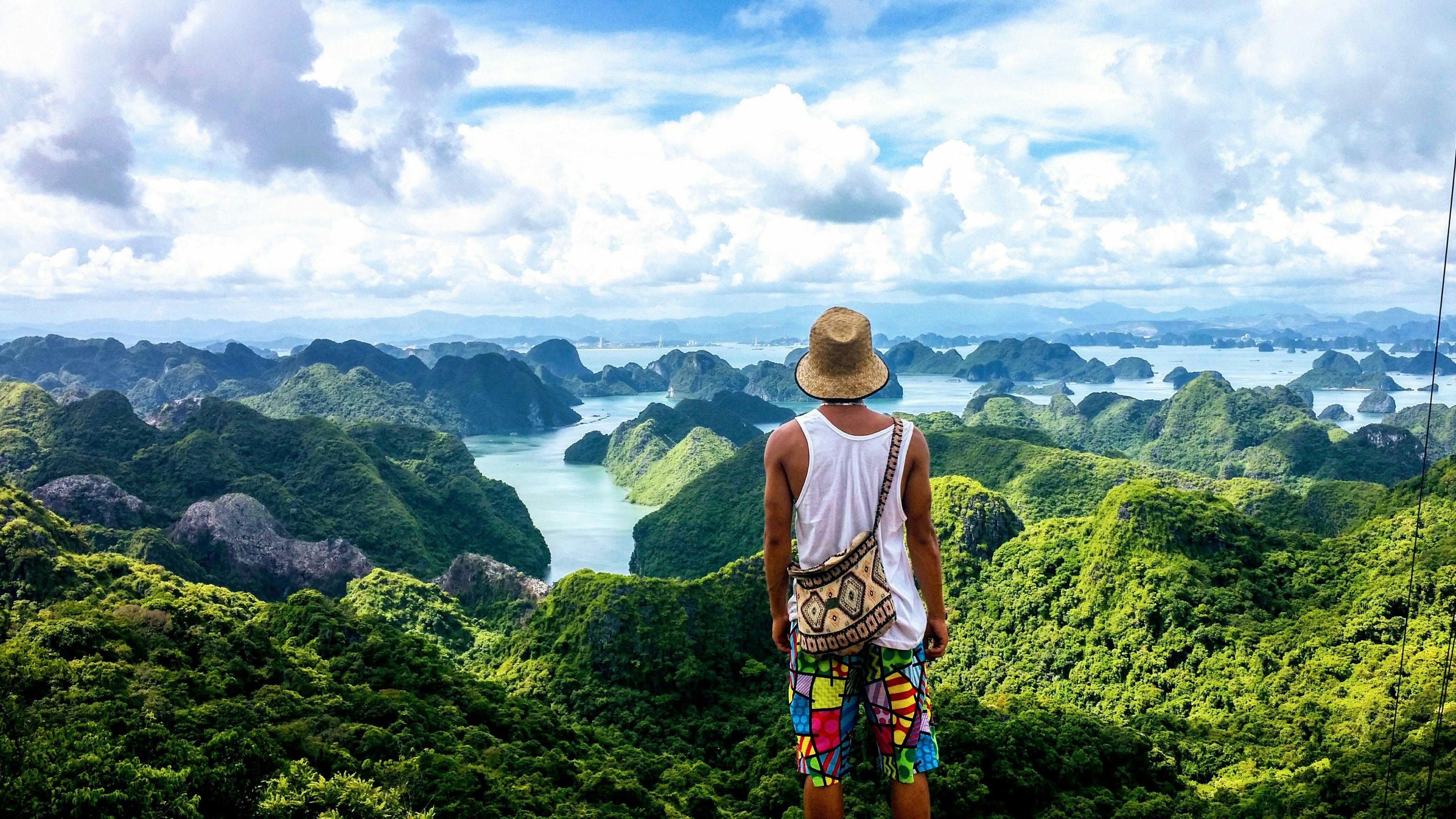
Vietnam is a paradise for travelers and an ideal place for backpackers. Here, you can have dinner on the street for €3 or in a luxury restaurant for €6, while admiring beautiful views and the country's most characteristic attractions during the day. Traveling around Vietnam can be difficult because it is a narrow and very long country, and the distance from Hanoi to Saigon is over 2,000 kilometers. Which places in Vietnam are a must-see? How to plan your trip so that you see as much as possible during your vacation? How to plan a trip around Vietnam from north to south? What to see in Vietnam – read on to find out!
If you dream of seeing beautiful views, phenomenal nature, and trying aromatic cuisine, Vietnam is definitely the destination for you. From the mountains on the border with China, through the sandy beaches in the central part of the country to the Mekong Delta in the south, Vietnam delights travelers from all over the world. You will find the most important tips before traveling to this country in our guide to Vietnam, and now it's time for more detailed information. Vietnam attractions guide – What to see in northern Vietnam? What are the best attractions in southern Vietnam? What can't you miss in central Vietnam? Let's go through all the most important attractions! But before that... I already mentioned Vietnamese cuisine, which is unmatched in the region. That's why you need to read about the 10 most interesting dishes to try in Vietnam.
Vietnam is famous for its many beautiful places. The local culture and temples are a real journey into the depths of spirituality, the museums are designed to be accessible to tourists, the cities combine Asian vibe and colonial architecture, and nature creates stunning landscapes that you will never forget. Are there any interesting beaches in Vietnam? Yes, Vietnam is a destination for both sightseeing and sunbathing. I have created a list of the most beautiful places Vietnam has to offer, so you will have no problem deciding what to see during your vacation.
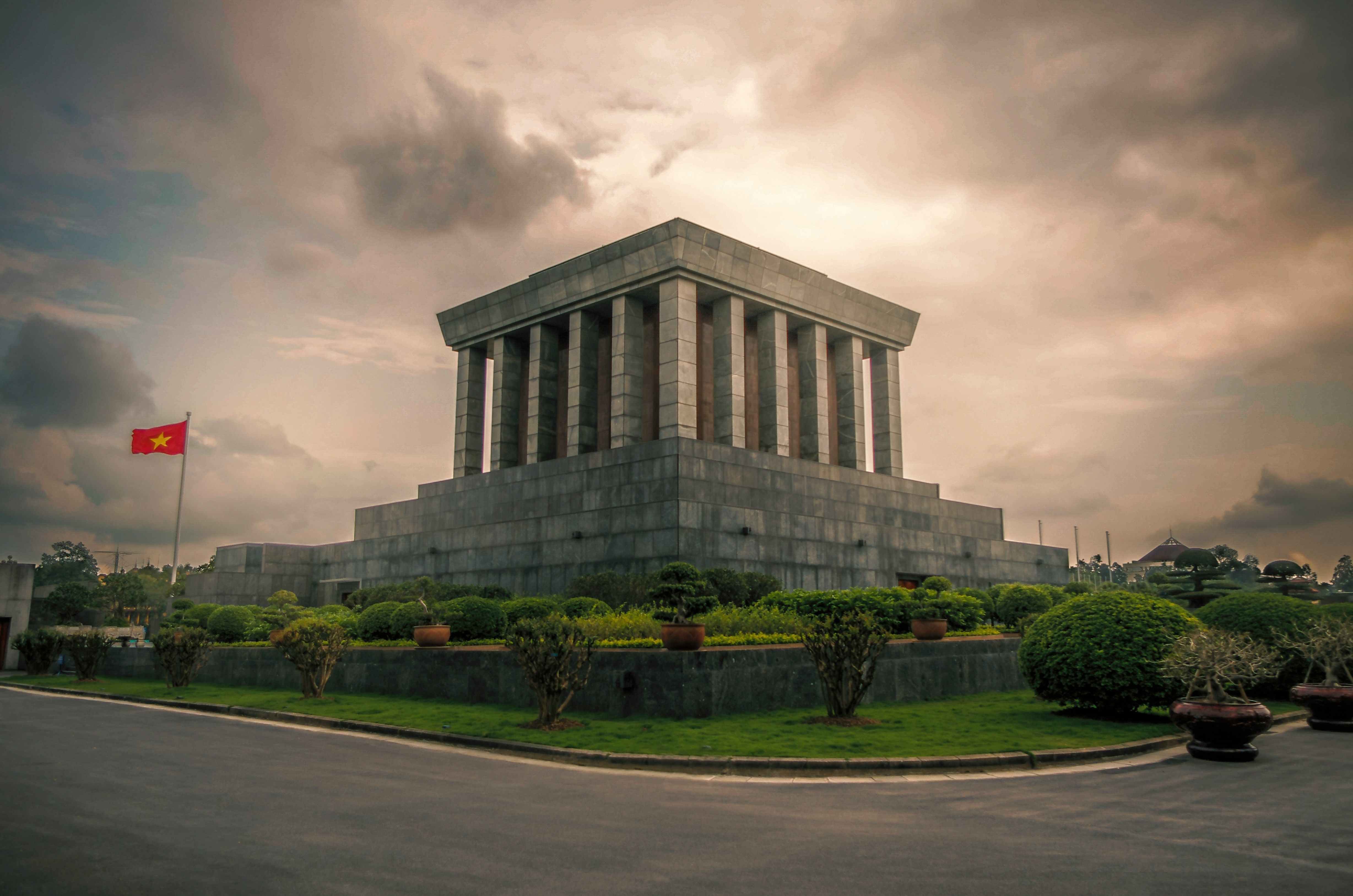
Hanoi, the capital of Vietnam, is a dynamic and vibrant city where history blends with culture in a fascinating way. You can start your tour with a walk through the Old Quarter, full of bustling streets, atmospheric temples, and traditional street food, where you can try the famous coffee with egg or pho soup. Be sure to visit Hoan Kiem Lake, where you will find the illuminated Ngoc Hon Temple with its distinctive red bridge. It is worth seeing the official part of the city, namely the Ho Chi Minh Mausoleum in Ba Dinh Square and the unique One Pillar Pagoda. Don't miss the Temple of Literature, which was once the imperial university. Hanoi is an excellent base for further exploration of the North.
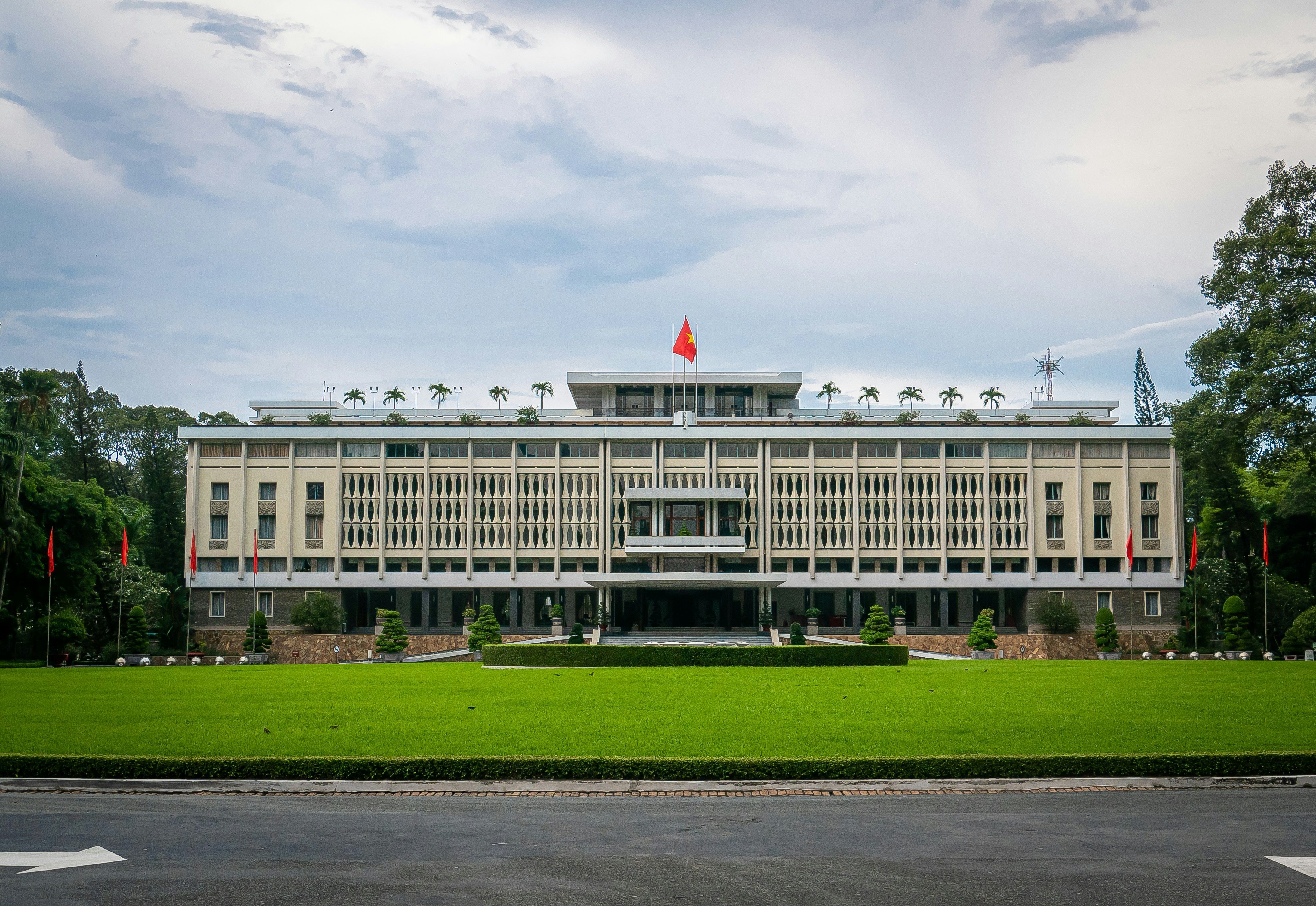
Ho Chi Minh City, formerly known as Saigon, is Vietnam's largest city and financial capital, a modern metropolis full of contrasts. The city is home to numerous traces of colonial history, such as Notre Dame Cathedral and the General Post Office, intertwined with modern architecture, such as the Bitexco skyscraper. Key sights include the historic Reunification Palace and the moving War Remnants Museum. Saigon is a great base for a day trip to the famous Cu Chi tunnels or the Mekong Delta region. Don't miss the Chinese quarter of Cholon with its Taoist Thien Hau Pagoda and the central Ben Thanh Market.
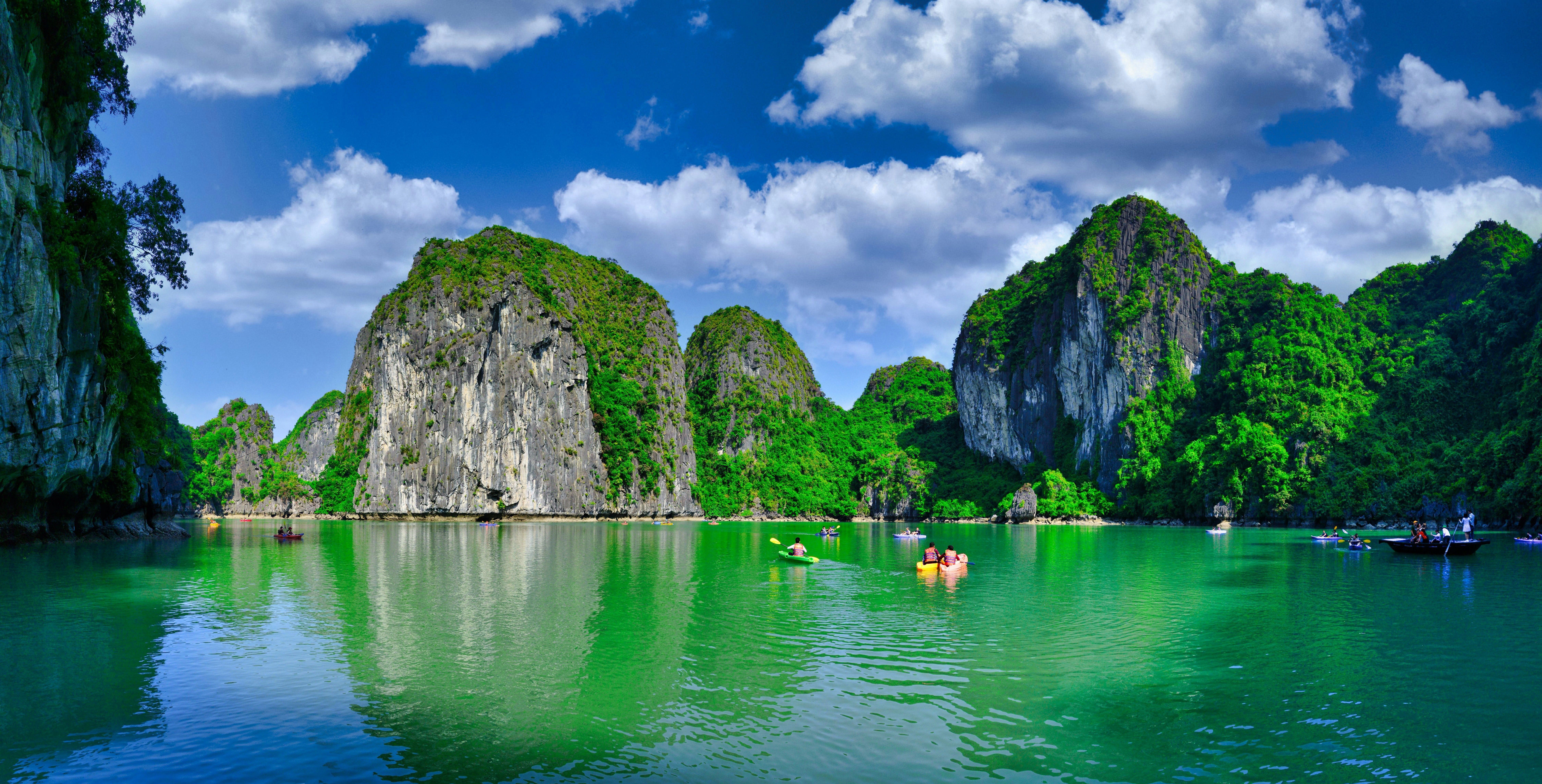
Ha Long Bay is undoubtedly a true masterpiece of nature, recognized as one of the wonders of the world and listed as a UNESCO World Heritage Site. It is famous for its more than 1,600 limestone islands and islets, which rise like dragon's backs straight out of the turquoise water, creating a breathtaking landscape. The best way to discover this place is on a two-day boat trip with overnight accommodation on board. During the cruise, you can go kayaking, taste local seafood, and explore caves hidden in the rocks, such as Sung Sot. The fog that often envelops the rock formations adds a mystical charm to this place.
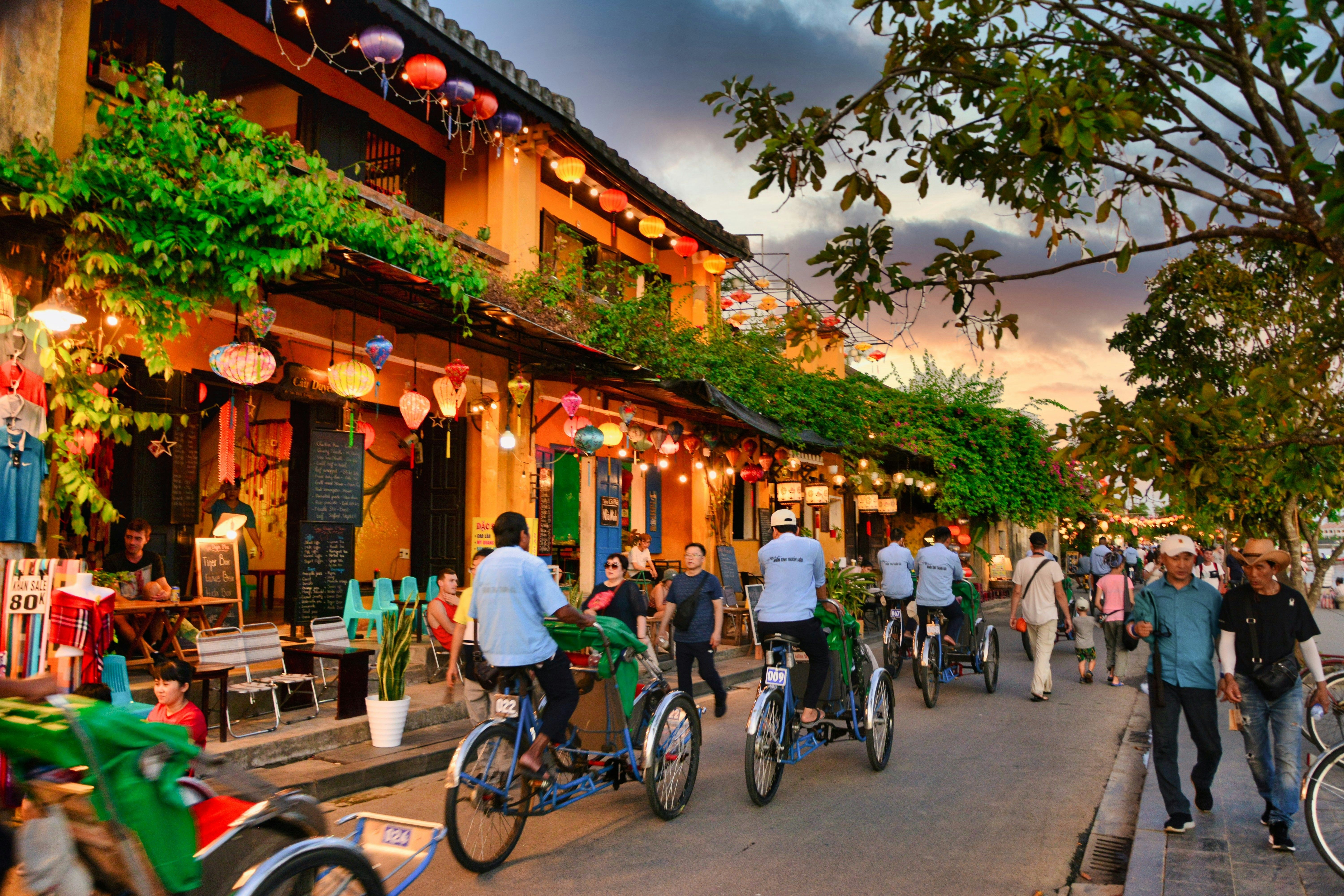
Hoi An is one of the prettiest and most romantic towns in Central Vietnam, famous for its charming historic architecture. What attracts visitors are the well-preserved centuries-old merchant houses and the charming streets of the Old Town, which is a UNESCO World Heritage Site. In the evenings, the city of lanterns is illuminated by a soft glow, creating a magical atmosphere. While walking around, be sure to see the Japanese Bridge and the former Phung Hung trading house. Hoi An is a mecca for fashion lovers, as the local tailors are famous for sewing tailor-made clothes in just one day. It is also worth trying local specialties such as cao lầu, as well as taking a cooking class or a bike tour through the rice fields.
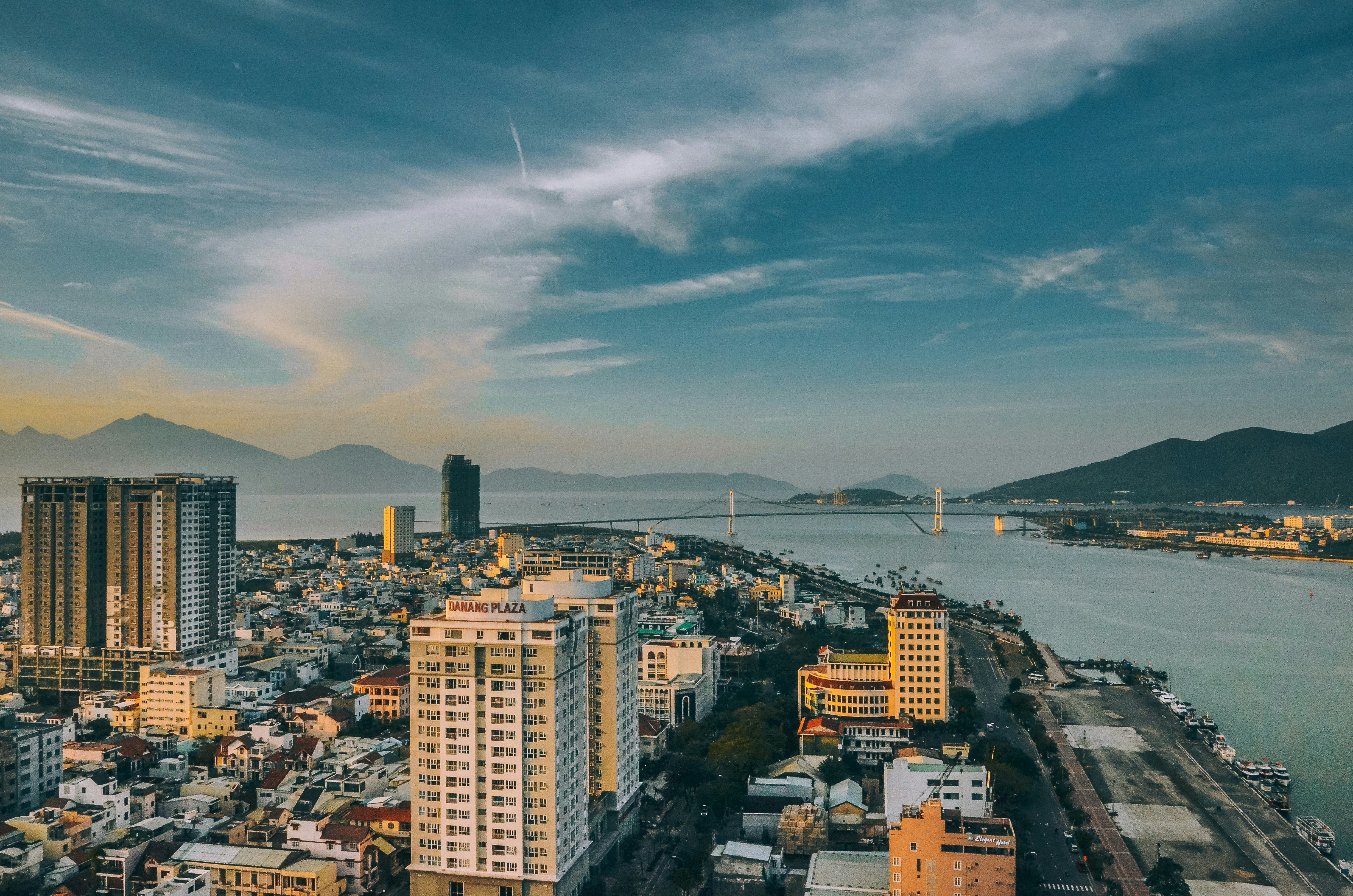
Da Nang combines modernity with natural beauty, while also being a great transit point and base in Central Vietnam. Here you will see gleaming skyscrapers, long beaches such as My Khe, and the Dragon Bridge, which lights up the city in the evenings. It is the perfect place to set off on a trip to Ba Na Hills, a complex that includes the famous Golden Bridge (Cau Vang). The bridge, supported by giant hands, rises above the clouds and offers stunning views, and you can reach it by cable car. Nearby, it is also worth visiting the Marble Mountains, five hills symbolizing the elements, which hide caves and ancient pagodas.
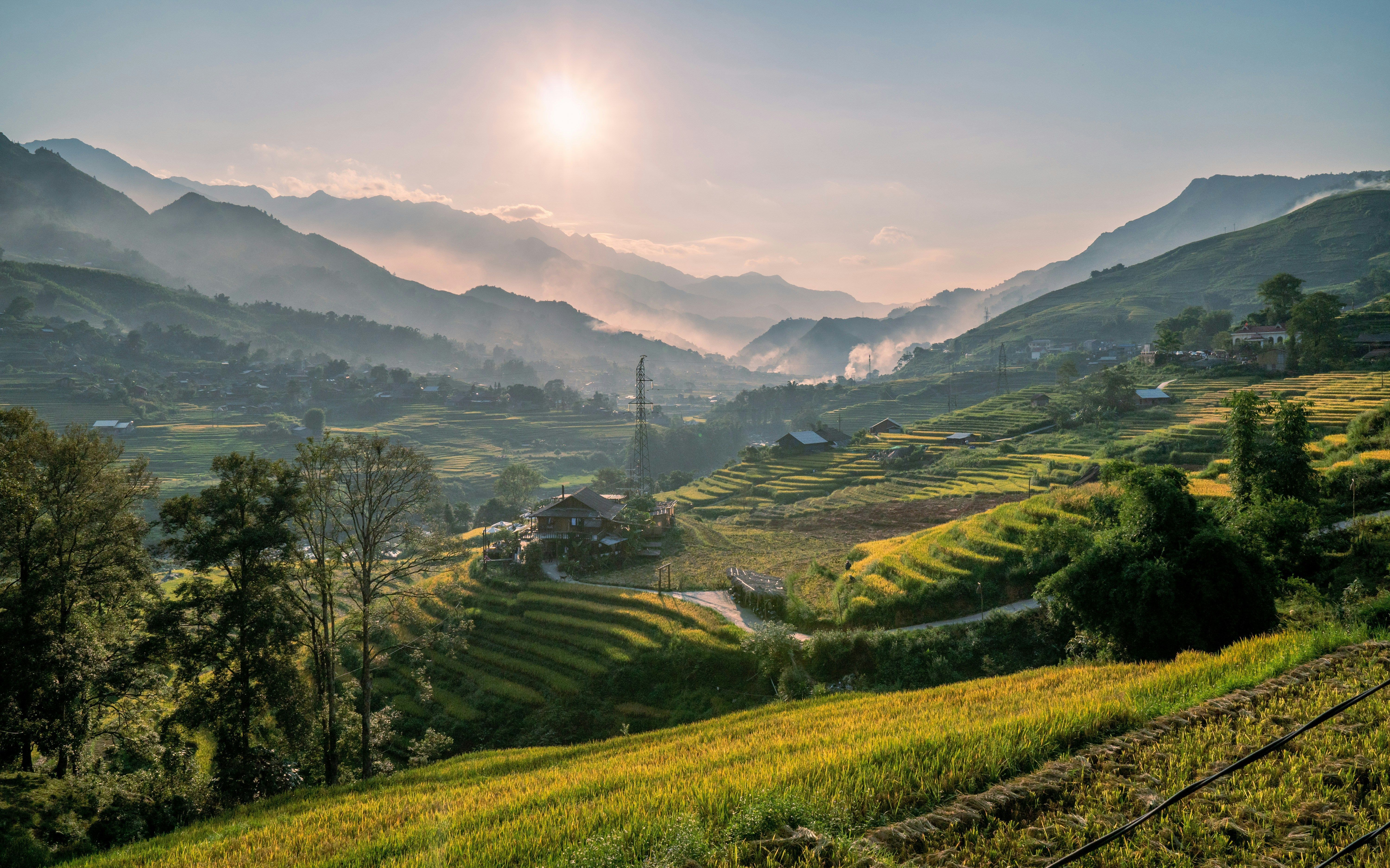
Sapa is a unique town hidden in the mountains of North Vietnam, located at an altitude of about 1,600 meters above sea level. The region delights with views of terraced rice fields winding like green stairs hugging the hills. It is an ideal place for hiking trails that allow you to feel close to nature and discover hidden waterfalls. In Sapa, you will meet representatives of ethnic minorities, such as the Hmong and Dao, wearing traditional, colorful costumes. From the city, you can set off for Fansipan, the highest peak in Indochina, which can be reached by cable car, admiring the panorama of mountains and terraces.
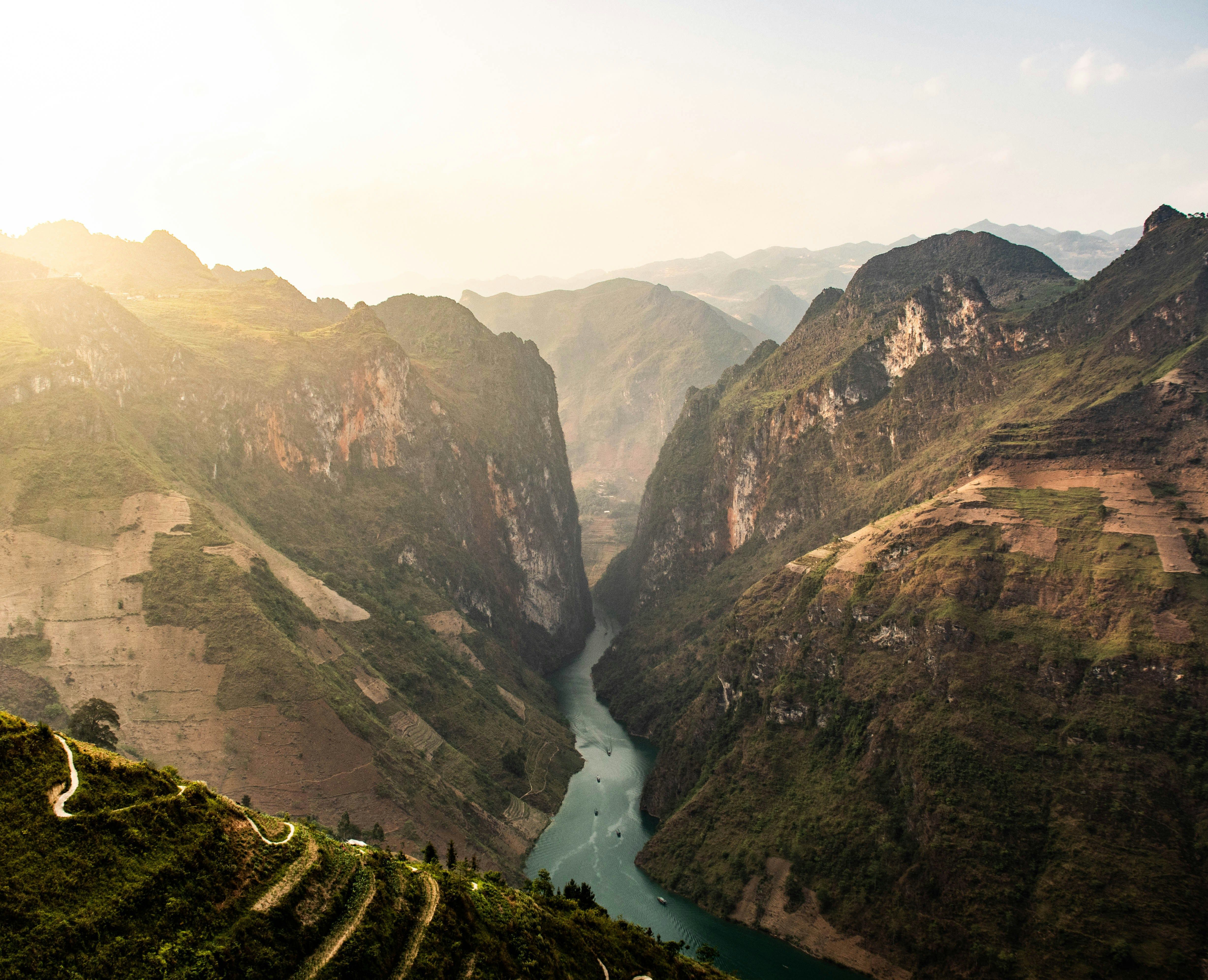
The Ha Giang Loop is a region full of rugged peaks and misty valleys in northern Vietnam. The main attraction is the legendary Ha Giang Loop motorcycle route, which is about 350 kilometers long and is considered the adventure of a lifetime. The route winds through picturesque landscapes, including the majestic Ma Pi Leng Gorge and numerous rice terraces. It usually takes 3 to 5 days to complete the loop, giving you time to explore and get to know the traditional villages of ethnic minorities. Although the road is uneven and full of sharp turns on steep slopes, it guarantees incredible, movie-like views.
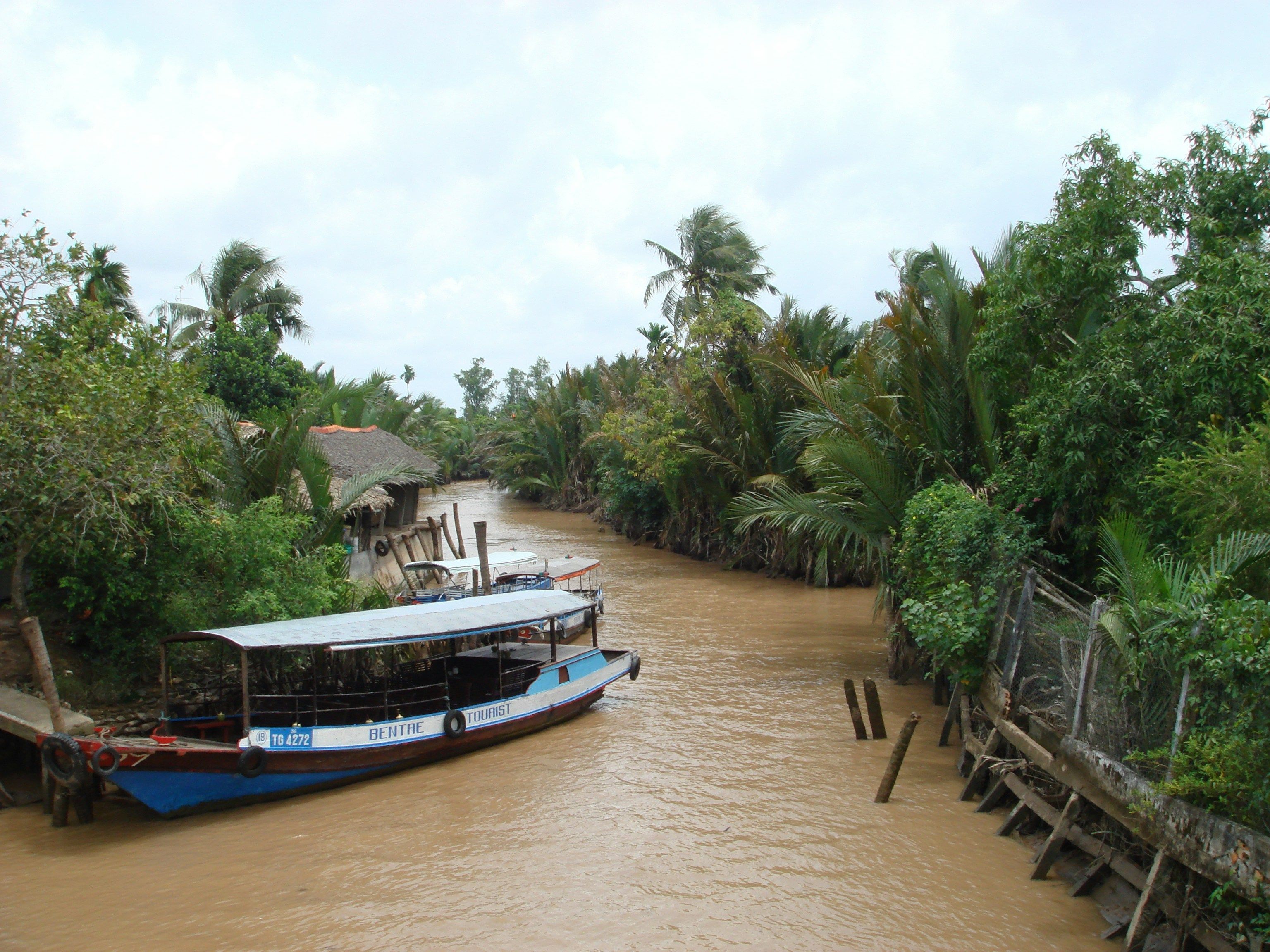
The Mekong Delta, known as the “breadbasket of Vietnam,” is a unique region in the south where the river splits into a maze of waterways surrounded by coconut palms and banana trees. During a boat trip along the network of waterways, you can observe picturesque landscapes, villages nestled on the banks, and work in the rice fields. A characteristic feature are the floating markets, such as Cai Rang, where boats are filled with fruit, vegetables, and flowers. Here you can visit coconut processing plants, taste local coconut candies, and try bananas fried in batter. It is the perfect place to discover the authentic life of the region's inhabitants and go on bike trips.
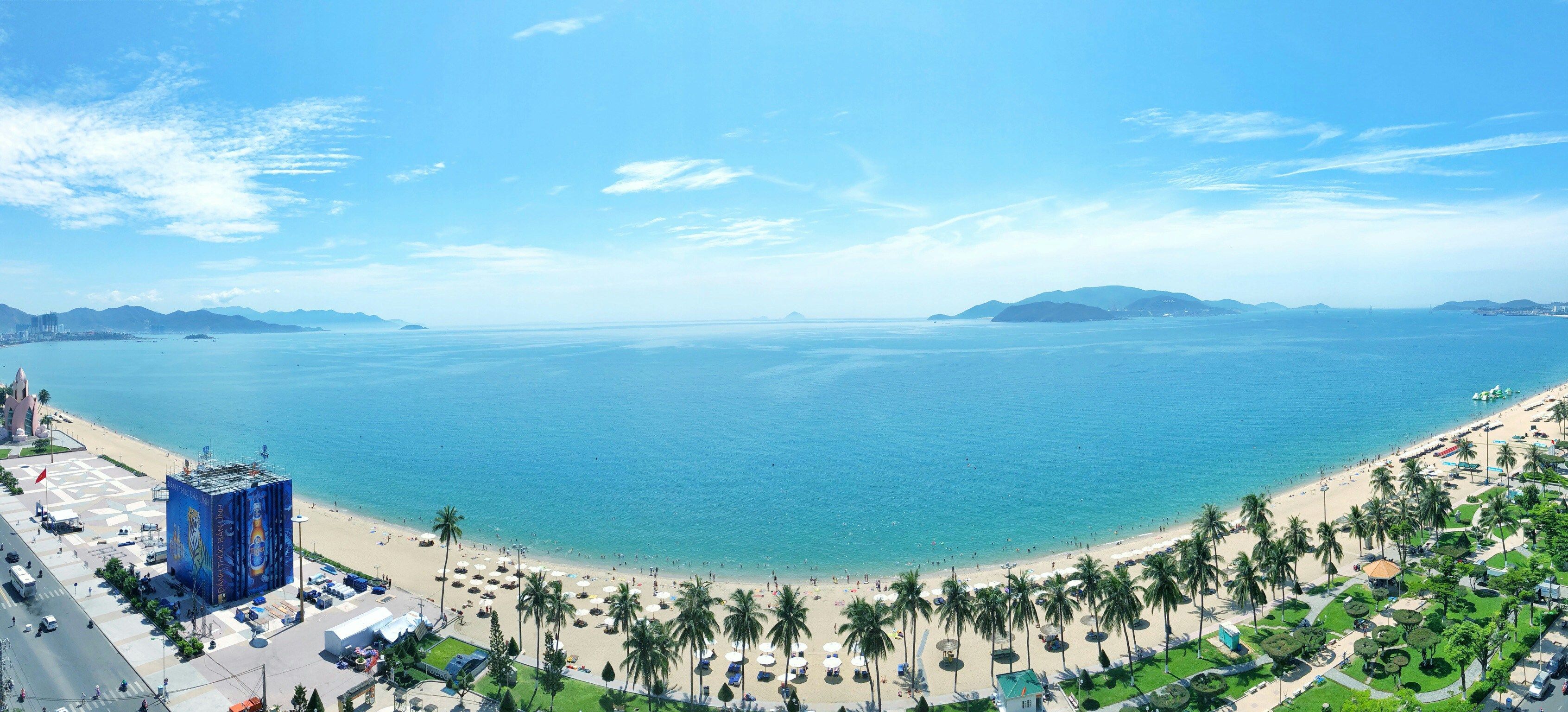
Nha Trang is a well-known seaside resort that delights with its long sandy beaches and blue waters, offering the perfect balance between relaxation and activity. At My Khe Beach, you can feel the soft sand and the sound of the waves, ideal for relaxation. If you are looking for activities, dive into the warm waters of the South China Sea for snorkeling or diving, especially around the Hon Mun and Hon Tam Islands. The city also offers thermal springs and mud baths to help you rejuvenate. The Po Nagar Cham temples, which rise majestically above the city, are also worth a visit.
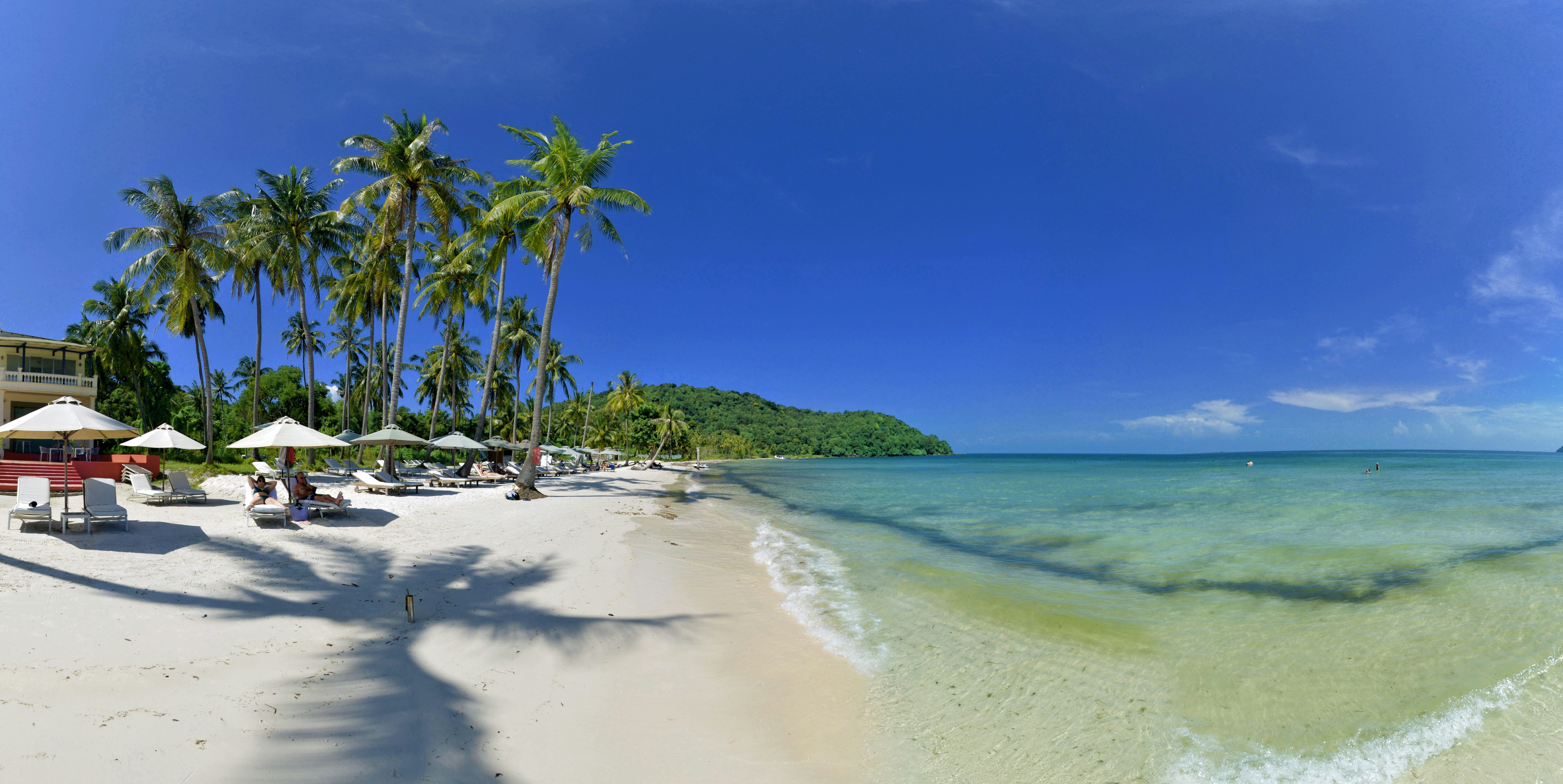
Phu Quoc Island is Vietnam's largest island, located in the Gulf of Thailand, often described as a paradise on earth and a great place for sunbathing. Relax on golden or white sand beaches such as Long Beach or Sao Beach, surrounded by the rustling of palm trees. You can take a cruise around the An Thoi archipelago to swim in turquoise waters and explore coral reefs. Other attractions include a ride on the An Thoi Cable Car, which is the longest over the sea, and hiking in Phu Quoc National Park. Discover the local culture by visiting pearl farms or traditional fish sauce factories.
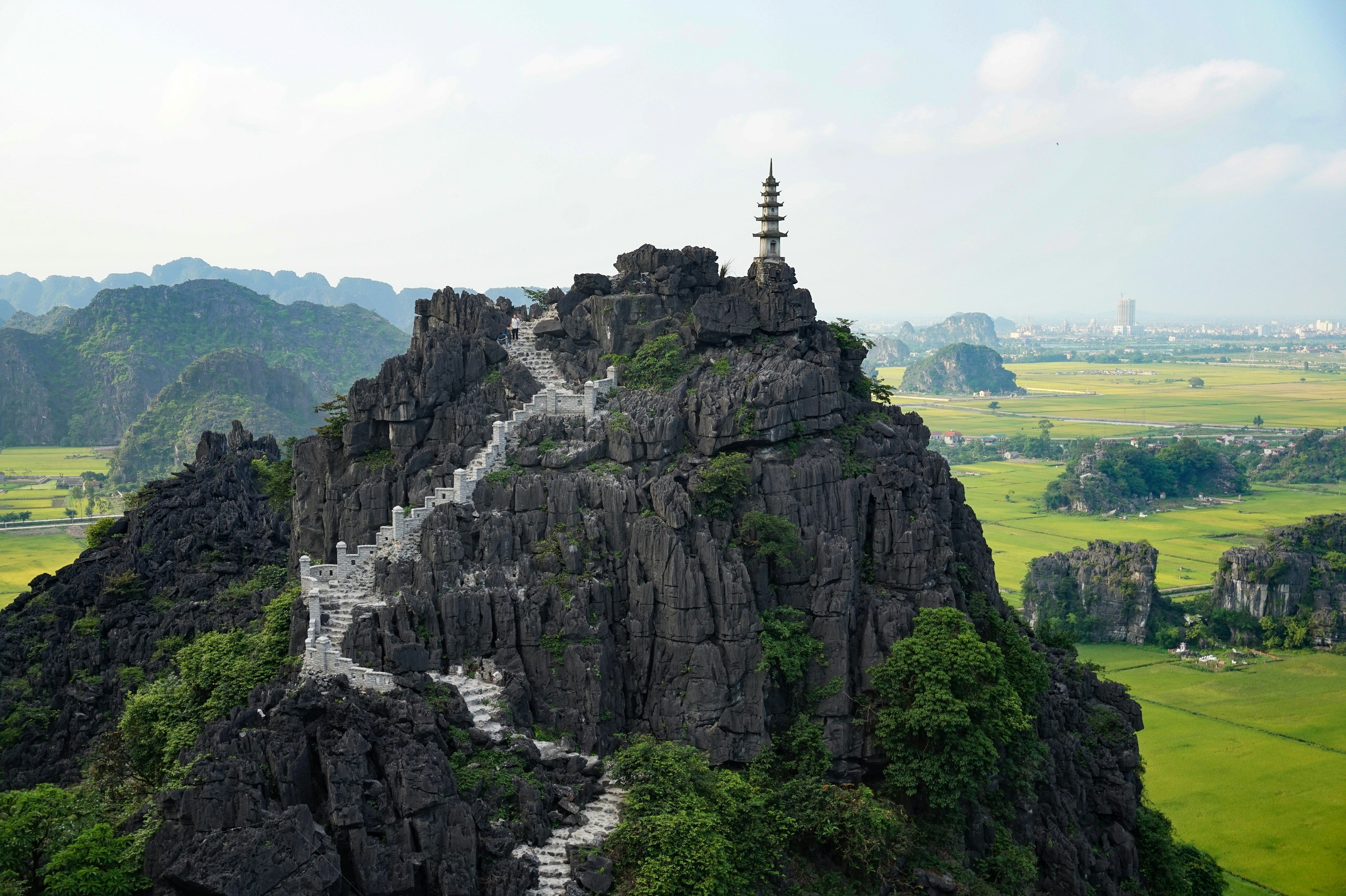
Ninh Binh is a magical province in the north, where history blends with nature in a spectacular way, and the landscapes are often referred to as “Ha Long on land.” It is a UNESCO-listed complex, famous for its limestone hills rising from rice fields. The main attractions include a traditional boat trip in the Tam Coc or Trang An area, during which you pass through caves and admire picturesque rocks. Be sure to climb up to the Mua Cave viewpoint to see the panorama of rocky mountains and the winding river. In the region, you can also visit the ancient capital of Hoa Lu and the majestic Bai Dinh Pagoda.
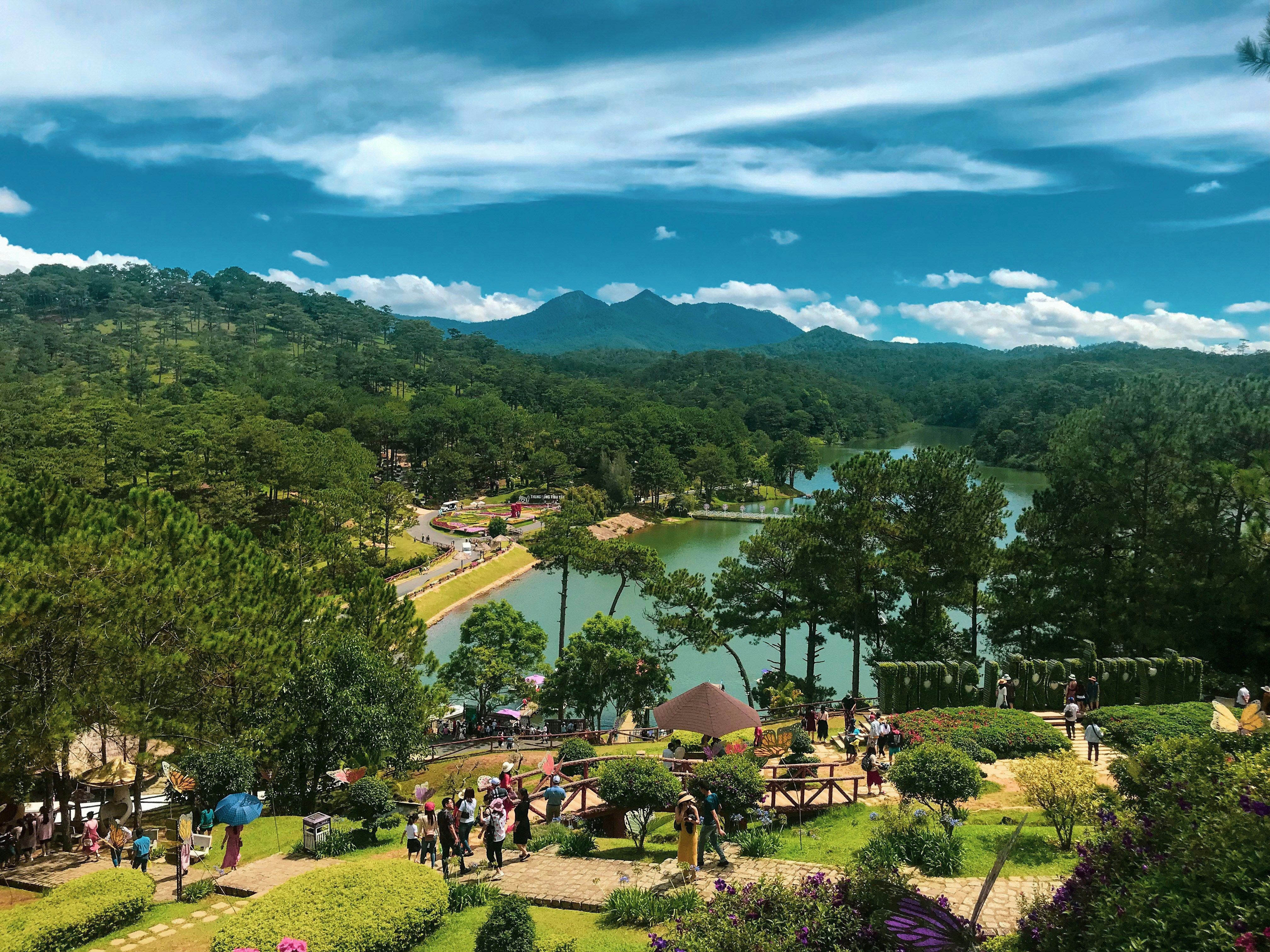
Da Lat is a mountain town that delights with its cool climate and picturesque landscape, known as the City of Eternal Spring. The region is famous for its beautiful waterfalls, such as Datanla and Pongour, as well as its flower fields that bloom all year round. You can start your tour at Xuan Huong Lake, surrounded by pine forests, or visit the romantic Valley of Love. Be sure to see the Crazy House, a surreal building resembling a fairy-tale house, and take the cable car to Truc Lam Monastery. For thrill seekers, there is canyoning, which involves abseiling down waterfalls. This is where the French settled when they colonized Vietnam, because the local climate reminded them most of Europe.
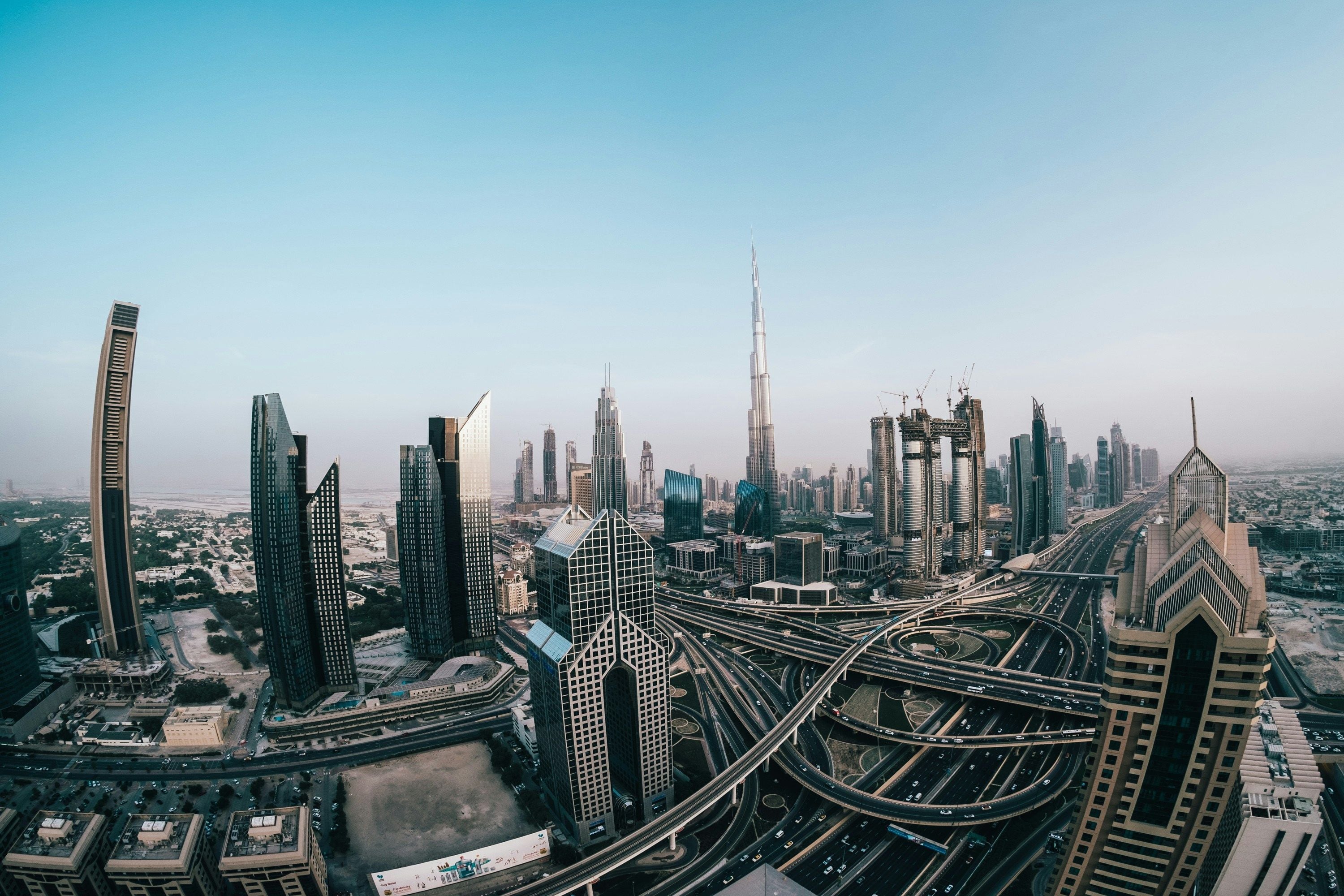
These were the best places to visit in Vietnam in my opinion. Of course, I have missed out on many interesting places and attractions, but Vietnam is such an interesting and large country that it is impossible to visit everything in one trip. It is worth returning to Vietnam to get to know the country from every angle. In my opinion, the same is true of Dubai. Although the largest city in the UAE offers a completely different experience to Vietnam, true travelers will love both places for their atmosphere, excellent food, and fascinating attractions. If you are interested in traveling to the UAE, check out the Dubai tour offers on the Two Continents website.
Vietnam boasts as many as 8 UNESCO World Heritage Sites. What are these sites and where are they located? This is something worth considering when making a list of attractions to see!
Usually, Vietnam is visited along the north-south or south-north route. This is the best way to see as many attractions as possible. But what is the best way to travel from one end of Vietnam to the other? There are several options: plane, if you are pressed for time and want to see as much as possible, buses or trains, if you have more time and want to reach more places that are not accessible from airports, or a rented scooter/motorcycle, if you know how to ride a two-wheeler and value freedom in exploring while traveling. The choice of the best means of transport depends on individual preferences, finances, and time constraints.
In a country like Vietnam, an itinerary is essential due to the country's geographical location and length. That is why I have prepared a short 2-week sample itinerary that can serve as inspiration for further planning. I have included what I consider to be the top places in Vietnam, although it is impossible to include everything in a 14-day stay. Vietnam 2-week itinerary: Days 1 and 2: landing and sightseeing in Hanoi, Days 3 and 4: cruise with overnight stay in Ha Long Bay, Days 5 and 6: Ha Giang loop on scooters or trip to Sa Pa, Days 7 and 8: flight to Da Nang and sunbathing, Day 9: sightseeing in Hoi An, Day 10: the mountain town of Da Lat and tea plantations, Days 11 and 12: arrival in Ho Chi Minh City (Saigon) and sightseeing, Day 13: Mekong Delta tour, Day 14: return.
This is an important question that can be answered unequivocally. In a country like Vietnam, tourist attractions often do not require the assistance of a travel agency, and what you can visit in Vietnam on your own definitely includes most of the most important sites in the country. As a rule, Vietnam is recommended as a destination for independent travel, especially if you value adventure, although it is also a good destination for relaxing on the beach. Local travel agencies can be helpful, as their guides can help you discover lesser-known places and learn more about Vietnam. If you want to use the services of a travel agency, we recommend agencies such as Two Continents, which give you freedom in sightseeing and free time, and you can buy the attractions in Dubai of your choice and book accommodation in Dubai for your stay.
During your first trip to Vietnam, you must see the gems of North Vietnam: Ha Long Bay with its limestone islands, the picturesque rice terraces in Sa Pa, the capital Hanoi, and the magical landscapes of Ninh Binh. It is also worth visiting the historical treasures of Central Vietnam, such as the atmospheric Hoi An and the former imperial capital of Hue, to learn about the rich history and diversity of flavors. If you are looking for relaxation and a paradise atmosphere, Vietnam also offers great beach holidays, especially on the island of Phu Quoc.
Travelers usually spend two to three weeks visiting the most important attractions in Vietnam. The optimal length of stay in Vietnam is 14 days, but you can easily spend an interesting month here.
Vietnam delights with its wealth of natural and cultural gems, and the most beautiful places include Ha Long Bay with its limestone islands and the landscapes of Ninh Binh. Charming Hoi An, known as the city of lanterns, is often mentioned as one of the prettiest and most romantic cities in the country, while Sa Pa attracts visitors with its spectacular terraced rice fields in the mountains.
See other news
01/03/2026
Dubai Mall – area
01/03/2026
Burj Khalifa – which floor to go to?
01/03/2026
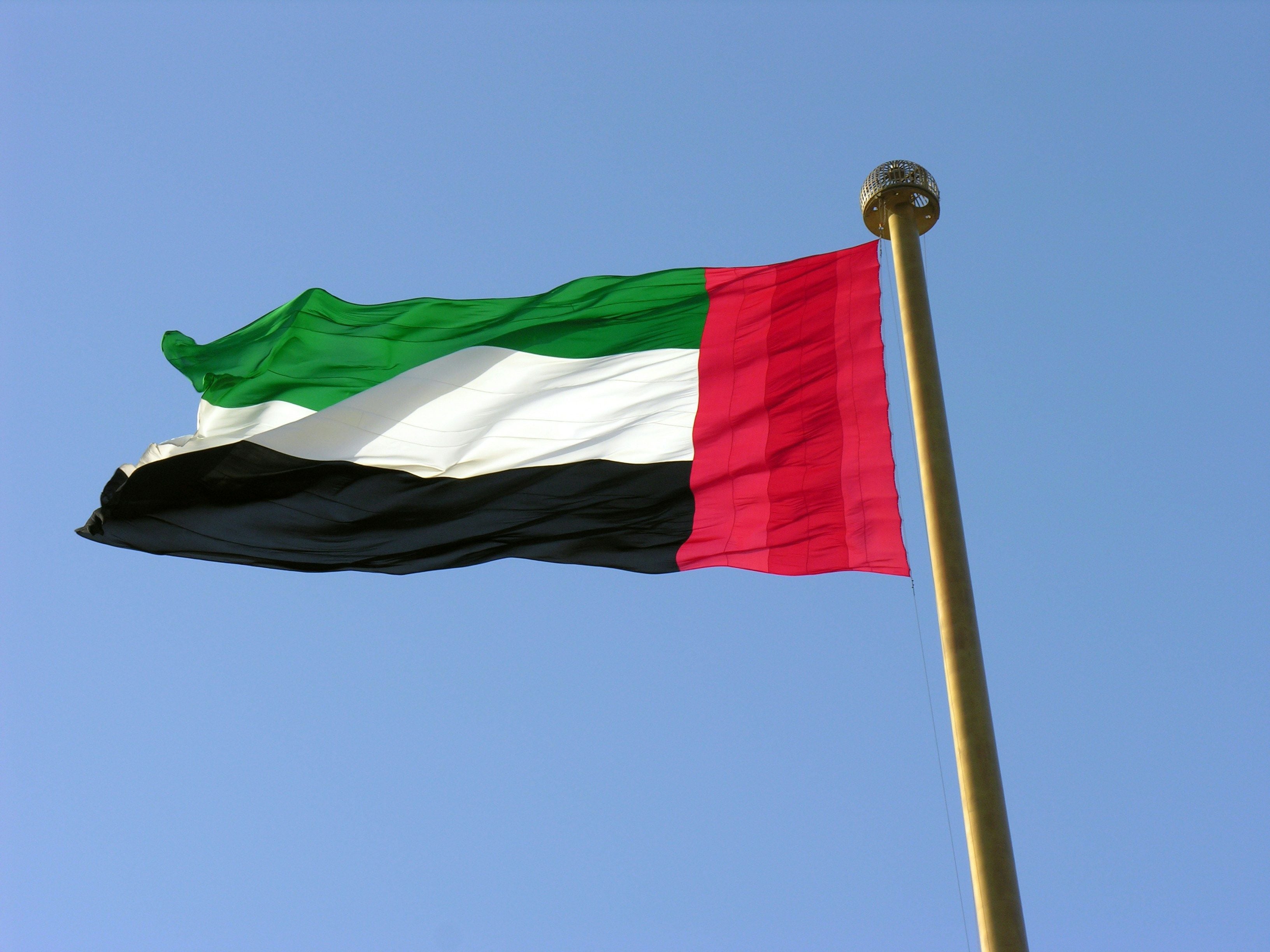
United Arab Emirates - a guide for tourists
28/02/2026
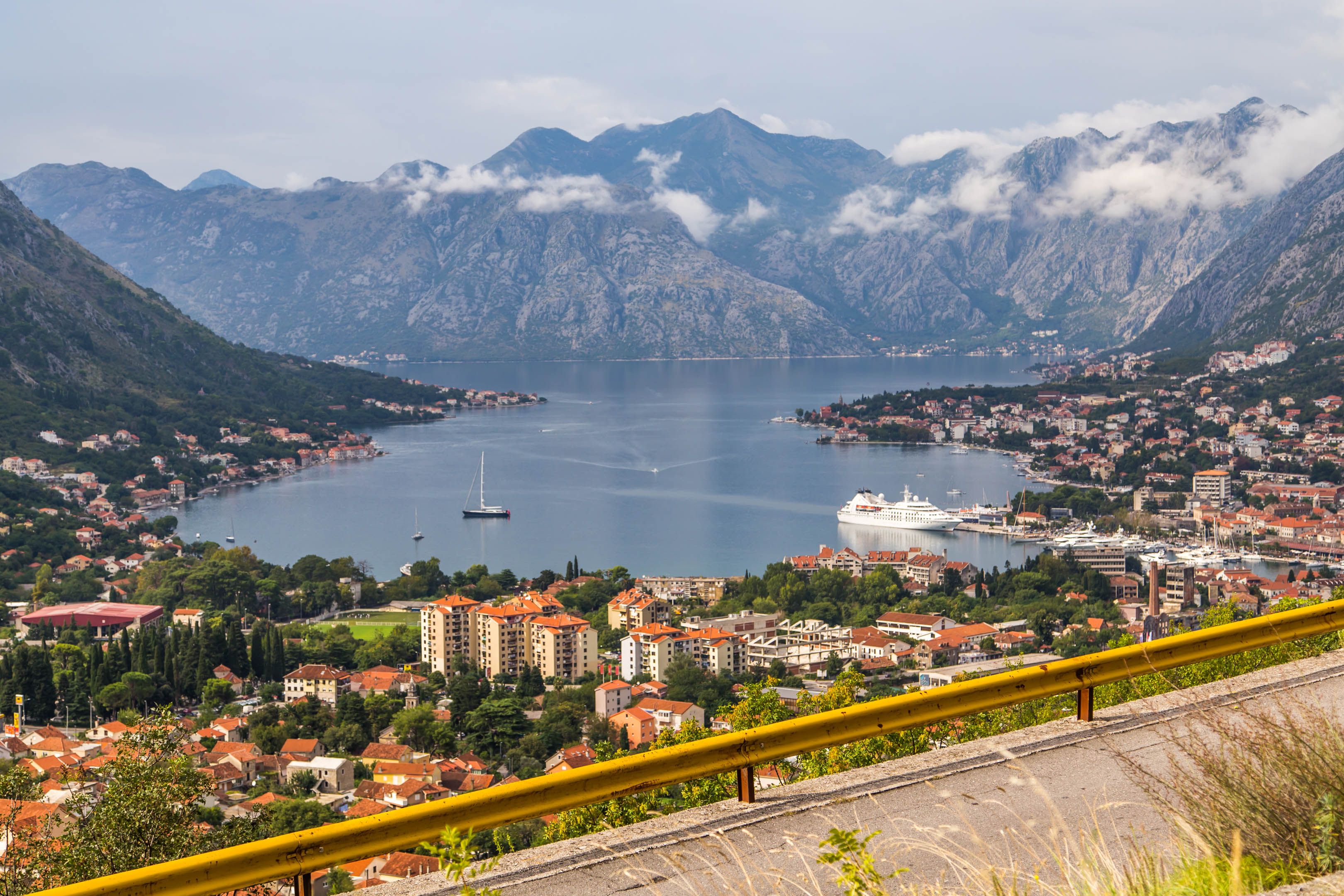
No more expensive internet in the Balkans? EU roaming on the way!
28/02/2026
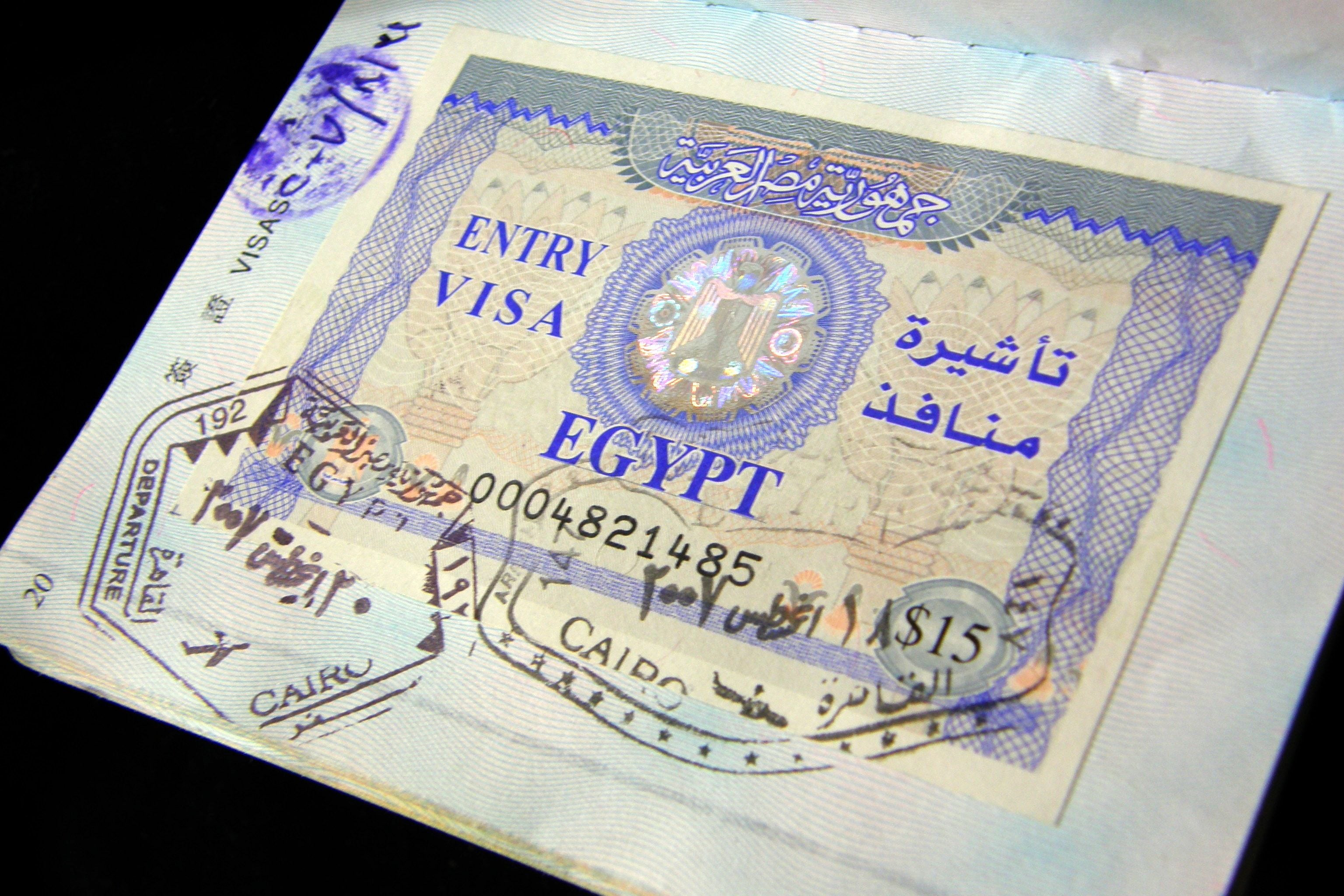
From March visas to Egypt will be $5 more expensive
28/02/2026
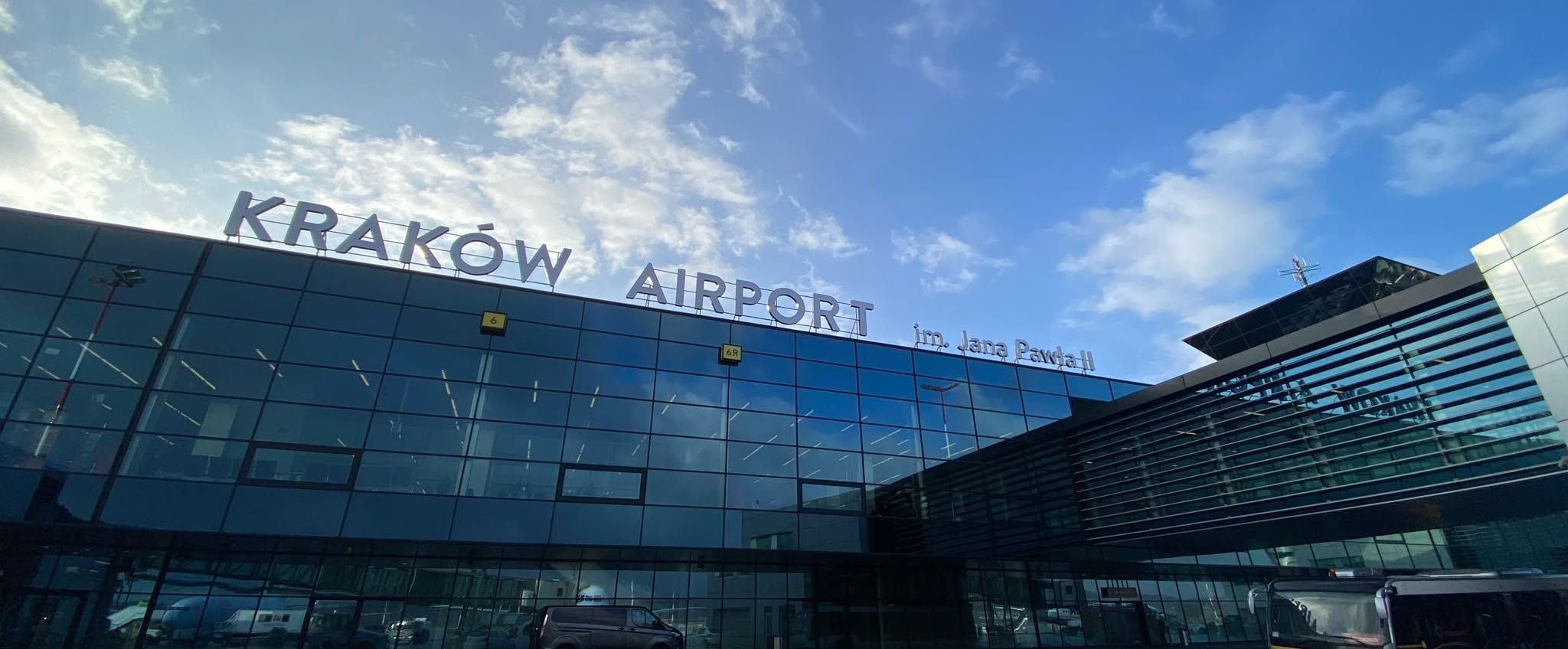
Krakow finally obtains environmental approval for the construction of a new runway
28/02/2026
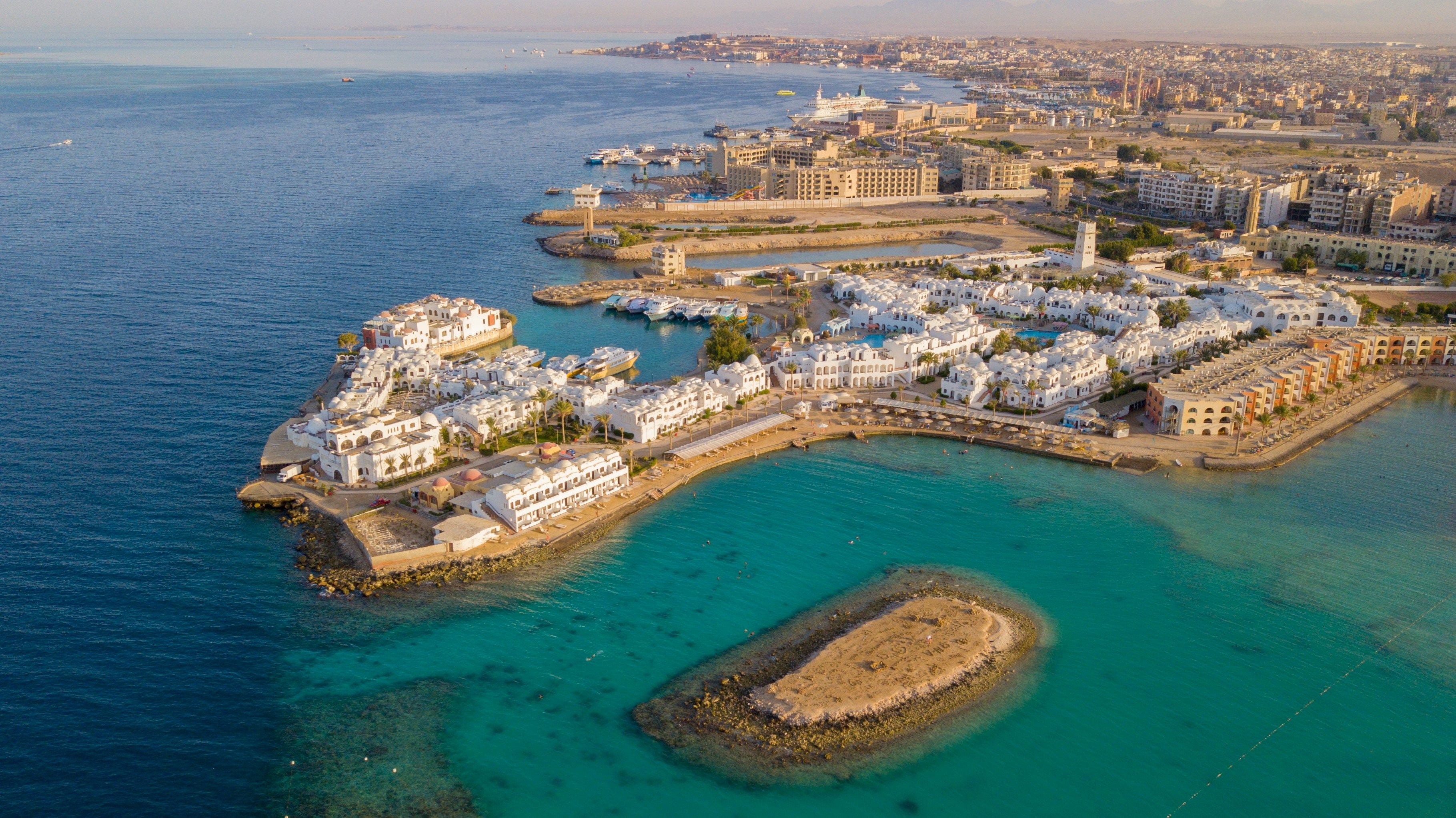
Corendon Airlines will fly from Warsaw and Katowice to Hurghada
28/02/2026
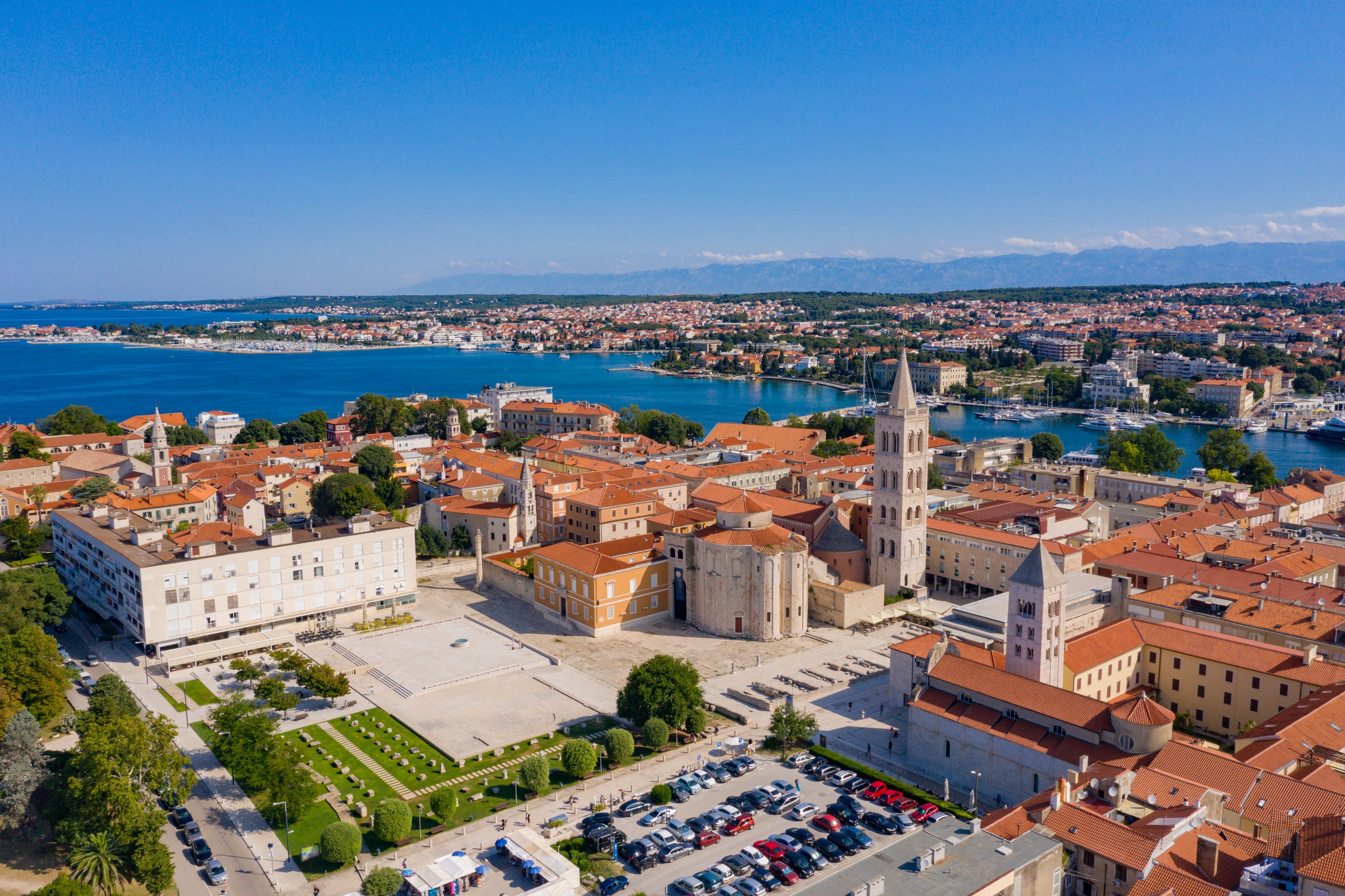
Wizz Air has announced the launch of a new route from Warsaw to Zadar

26/02/2026
Making money from short-term rentals in Dubai
26/02/2026
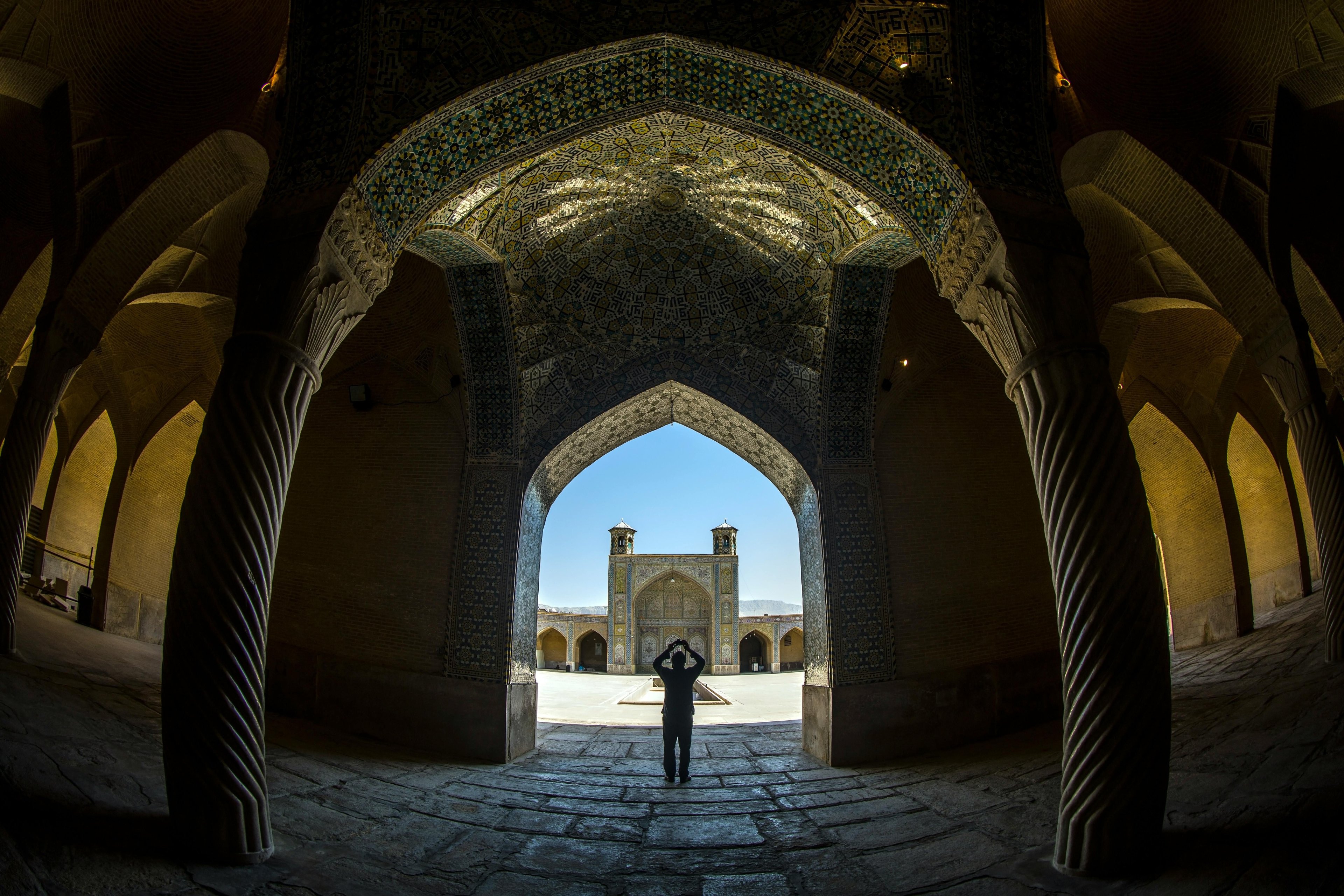
No more travelling around Iran on your own