Guide
01/03/2026
Dubai Mall – area
Copy link

Bartosz Jaglarz
10 December 2025

Are you dreaming of a vacation in Vietnam? Is Vietnam practical information the target of your search? You've come to the right place! Before organizing such a trip, it is worth preparing well to make the most of your vacation in this amazing country. We have prepared a guide for you that contains all the most important tips for travelers to Vietnam: where to buy airline tickets, how to book accommodation, how to get around the country, what to eat, what tourist attractions in Vietnam you must see, and how to plan your stay. Before such a trip and a country like Vietnam, a guide will be indispensable. Free guide to Vietnam 2025/26 - Vietnam Guide, we invite you to read it!
Do I need a visa to visit Vietnam? How to obtain a visa to Vietnam in 2025? Citizens of most European Union countries are exempt from the requirement to obtain a Vietnamese visa for tourist stays of up to 45 days. It is best to check your country's government website to see if you are exempt from the visa requirement for Vietnam. Do I need a visa for Vietnam if I am staying in Vietnam for longer? If you exceed this time, you must purchase a Vietnamese visa, preferably only on the official government website. Vietnam visa 2025: everything you need to know. As for your passport, it must be valid for at least 6 months. You do not need any other necessary documents.
Do I need to get any mandatory vaccinations before traveling to Vietnam? What vaccinations are recommended for Vietnam? There are no mandatory vaccinations for travelers from Europe in Vietnam (this may vary depending on the country). However, it is recommended that you consult a travel medicine doctor about recommended vaccinations, such as those against hepatitis A and B, typhoid, and tetanus. If you plan to stay in rural areas for a longer period of time, also consider vaccination against Japanese encephalitis.
Is Vietnam a safe country for tourists? Vietnam is generally a safe country, but in large cities such as Hanoi and Saigon, you need to be aware of common crimes, including pickpocketing and theft of bags or phones by thieves on motorbikes. Always keep your valuables close to you and carry a copy of your passport with you. Be especially careful when crossing streets due to chaotic motorcycle traffic; this is perhaps the most important point when it comes to safety in Vietnam. Traffic is not like in Europe, so it is even more difficult to get used to.
Is there any way to increase your safety on the streets and sidewalks? It is best to walk calmly and decisively, allowing scooters and motorbikes to pass you. Always use the Grab app or other ride-hailing apps to avoid taxi scams. Also, remember that travel insurance is very important when vacationing in Vietnam. Different bacteria and random accidents can always happen, so it's better to be prepared.
Depending on your departure point, you can fly either directly to Vietnam or with transfers. Vietnam Airlines flies directly from several other European countries, while flights from other countries require transfers. Popular airlines for connecting flights include Qatar Airways, Lufthansa, Emirates, Air China, and Turkish Airlines. The total travel time is usually between 12 and 16 hours, although cheaper flights may take longer. Return ticket prices range from €600 to €1,000, but if you hunt for special offers, you can find flights for as little as €550.
The official language is Vietnamese, which is a tonal language, meaning that intonation changes the meaning of a word. It is a very interesting experience to listen to this language, as its pattern is completely unknown to Europeans. In major cities and tourist areas, you can communicate in basic English, but outside of these areas, knowledge of the language is rare. Remember to download the Google Translate app or other translators that have built-in translation options to facilitate communication. It is better to have the Vietnamese language downloaded online so that you can communicate without any problems in case of no internet connection, and translation is most effective from English to Vietnamese.
Vietnam has a very diverse climate, as it stretches over 1,600 km, and the weather and climate in a given month depends on the region. The north (Hanoi, Ha Long) has four seasons; the best months are March-May and September-November. The center (Hoi An, Hue) is ideal from February to August, avoid the rainy season from September to December. The south (Saigon, Phu Quoc) has a dry season from December to April. You can find out exactly what the weather is like in Vietnam here: When to go to Vietnam? Weather and climate.
Vietnam is located in the GMT+7 time zone, the time difference with most of Europe (France, Germany, Poland) is +5 hours in summer and +6 hours in winter (in London +6 hours in summer and +7 hours in winter, and in Romania +4 hours in summer and +5 hours in winter). There is no change to winter and summer time in Vietnam, and the whole country is in one time zone.
What currency is used in Vietnam? The official currency is the Vietnamese dong (VND), one of the weakest currencies in the world, with banknotes with many zeros. It's easy to become a millionaire here! At the moment, 10,000 Vietnamese dongs is about 0.33 euros. It is best to take US dollars (USD) with you in new, undamaged banknotes, preferably in larger denominations (50 or 100 USD), and exchange them on the spot. The currency in Vietnam may be confusing at first, but after a few days you will have no problem converting prices into your own currency.
Although digital payments such as MoMo (the most popular e-wallet), bank card payments, and QR codes are becoming more common in large cities, cash is still essential, especially for street vendors and local markets. Always carry small denominations, as you may have trouble getting change when paying with large bills. For international payments and ATM withdrawals, you can use a multi-currency card, such as Revolut or ZEN.
Vietnam is a very affordable country for tourists. The average budget for a 3-week trip “on your own” is usually between €700 and €1,500 (excluding airfare). For the budget-conscious traveler, the daily cost of living is around VND 600,000 (approx. €20).
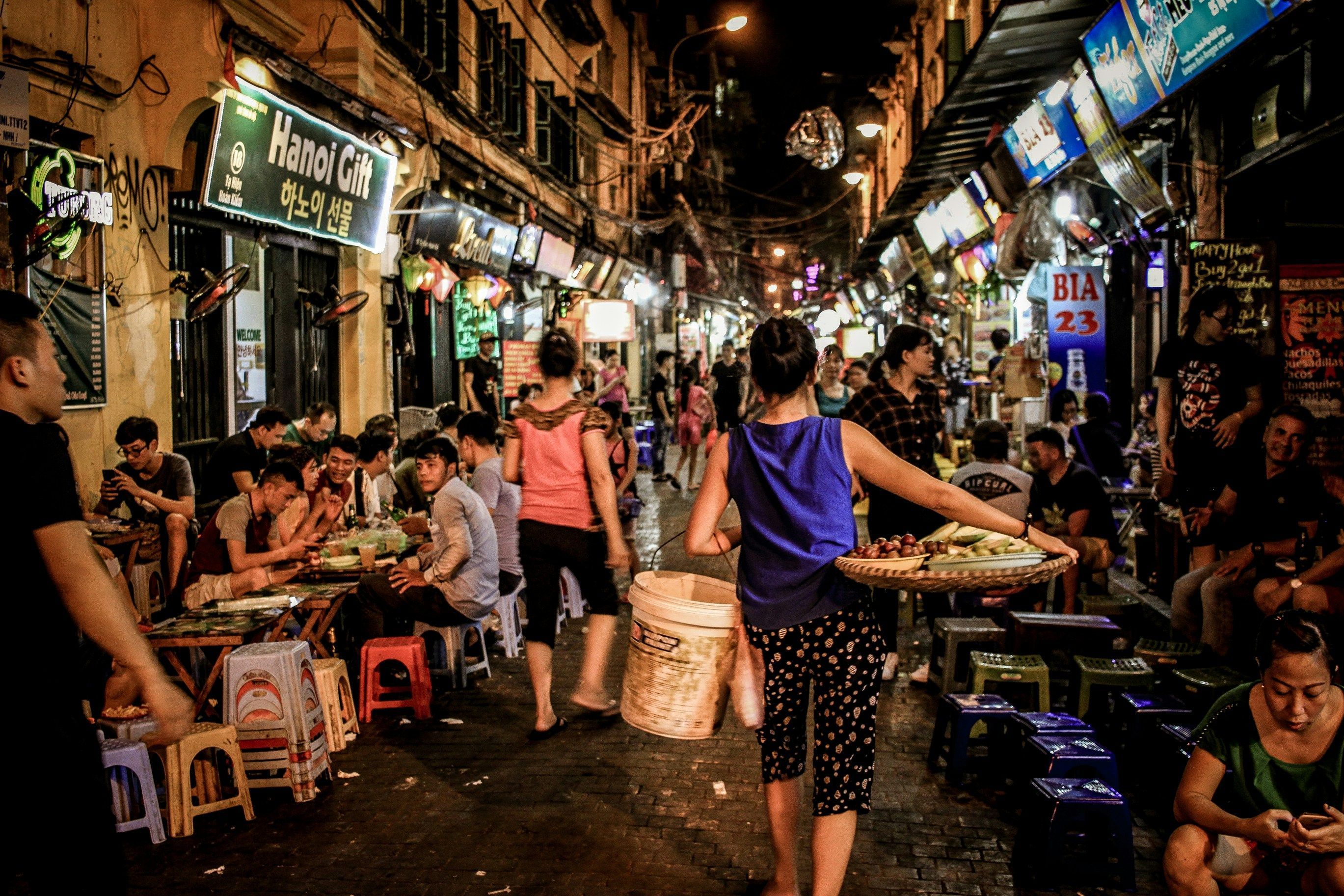
Vietnamese cuisine is considered one of the best and healthiest in the world. Be sure to try phở soup, bánh mì (Vietnamese baguettes), fresh spring rolls, and coffee, including the iconic egg coffee (Cà Phê Trứng). Street food is the cheapest and often the best, so head to places where the locals eat. We have described the local cuisine in the article 10 most interesting dishes to try in Vietnam.
There is a wide range of accommodation available: from very cheap hostels (a bed in a dormitory from around 100,000 VND/night) to luxury hotels, which can cost less than standard accommodation in Europe. Where is the best place to look for accommodation in Vietnam? Use apps and websites such as Agoda or Booking.com (Agoda is very popular in Southeast Asia) to find the best deals. When booking a hotel, try to check reviews and don't be swayed solely by photos, which can be heavily embellished. Accommodation in Vietnam tips: In Vietnam, you can also successfully book accommodation on site at the hotel reception.
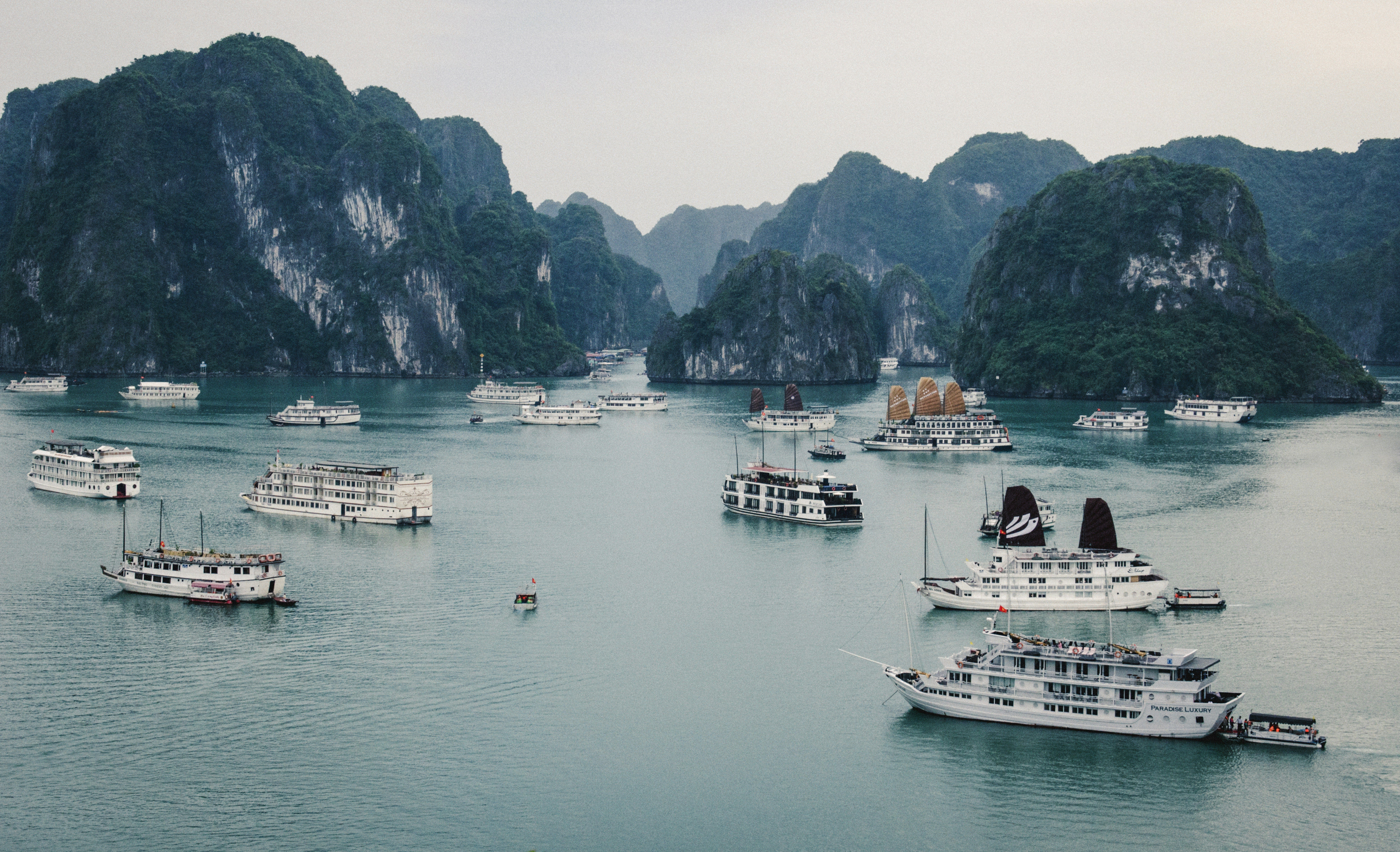
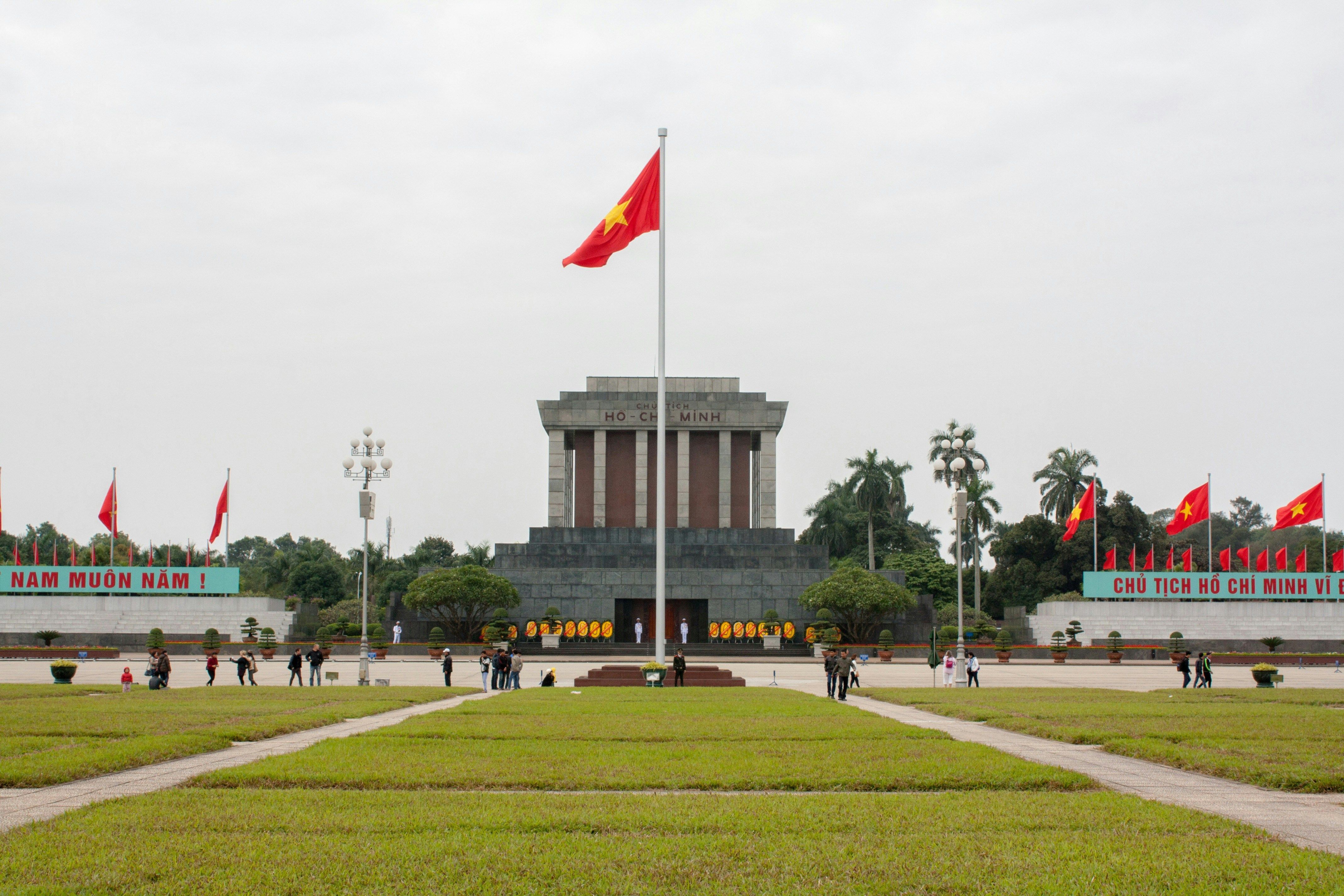
What are the most beautiful attractions in Vietnam? The key attractions are the majestic Ha Long Bay (a cruise with overnight accommodation is a good idea), magical Ninh Binh (known as “Ha Long on land”), the cultural gem of Hoi An (the city of lanterns and tailors), and mountainous Sa Pa with its rice terraces. It is worth taking the time to visit dynamic Hanoi and contrasting Ho Chi Minh City (Saigon), from where you can easily reach the Cu Chi Tunnels. The Mekong Delta is also a good idea as a 1-day trip from Saigon. There are also temples and pagodas scattered throughout the country, which you can often admire off the beaten track. You need at least 2-3 weeks to see the most important places in Vietnam. Discover all the most important attractions in Vietnam in our article – Vietnam what to see sightseeing plan.

There are several smartphone apps that will definitely come in handy during your trip to Vietnam. These essential apps include: Grab (car/motorcycle taxis, food delivery, equivalent to Uber), Google Maps or Mapy.com (formerly mapy.cz, remember to download offline maps), Google Translate (necessary for communicating with Vietnamese people, offers live text translation), and Zalo or Whatsapp (Zalo is a local messenger used by many Vietnamese people and companies, and on Whatsapp you can even book accommodation or rent scooters). It is also worth having a currency converter, e.g. XE Currency.
Free Wi-Fi is available in most hotels and cafes, but you need your own data connection to use transport apps. SIM cards are very cheap (e.g., 150 GB for 30 days for about €10) and can be purchased right at the airport. The most popular operators are Viettel, Vinaphone, and Mobifone, of which, in my experience, Viettel is the best. If your phone is compatible, consider the convenient eSIM option (e.g., Airalo), which you can activate before departure.
How to get around Vietnam – train, bus, or plane? For long distances, sleeper buses are the best option, allowing you to save on accommodation, or cheap domestic flights with airlines such as VietJet Air, which are the fastest on North-South routes. Trains are an alternative for traveling between larger cities. Motorcycle and car taxis ordered through the Grab app are the best way to get around the city. Remember that to legally drive a scooter or motorcycle, you need an international category A driver's license for engines over 50 cc. Public transport is used by tourists mainly in Ho Chi Minh City and Saigon, but buses are usually stuck in traffic jams and the metro network is not extensive.
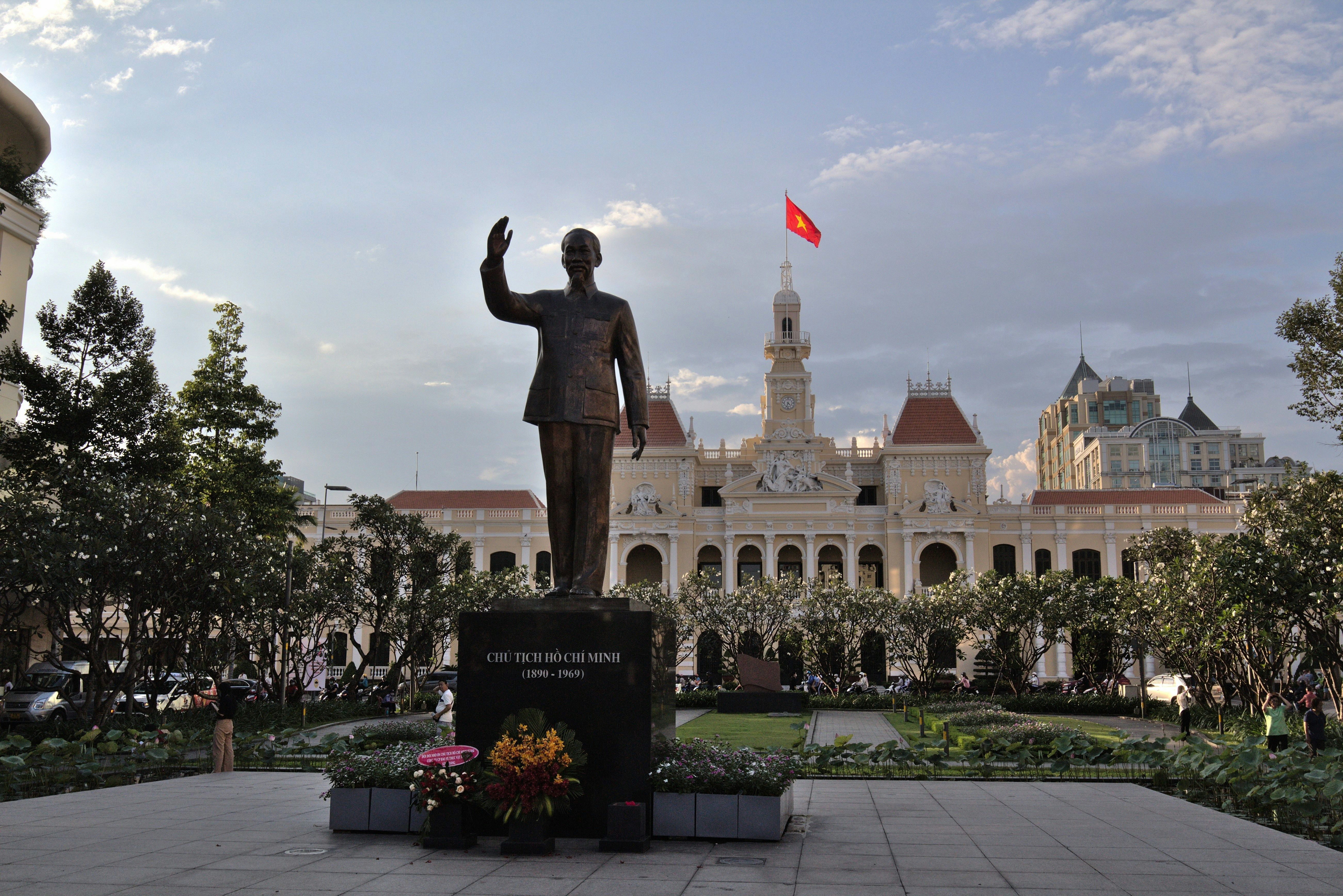
Tết Nguyên Đán (Lunar New Year) is the most important holiday in Vietnam, celebrated with great enthusiasm. During this period, Vietnamese people take vacations en masse, which results in significantly inflated prices for accommodation and transport, and finding available places can be difficult. Therefore, when planning a trip to Vietnam, it is worth avoiding the Tet holiday dates, for example, February 17, 2026, if you do not want to overpay and encounter crowds. However, traveling at that time is possible, and Vietnam during Tet is an extremely atmospheric place!
The cost of traveling to Vietnam depends on your style; international flights are the biggest expense. The estimated cost of a 3-week trip on your own (excluding flights) is between €700 and €1,500.
That's the whole Vietnam guide! Thanks to this guide, you know what you need to know before traveling to Vietnam and how to plan your trip to Vietnam step by step. Also, remember a few things; always bargain for prices at local markets and street vendors. To avoid paying “tourist prices,” ask hotels or locals for estimated costs of transportation and services. Be open and smile; Vietnamese openness will help you solve most problems. Always have small VND bills on hand. Have fun!
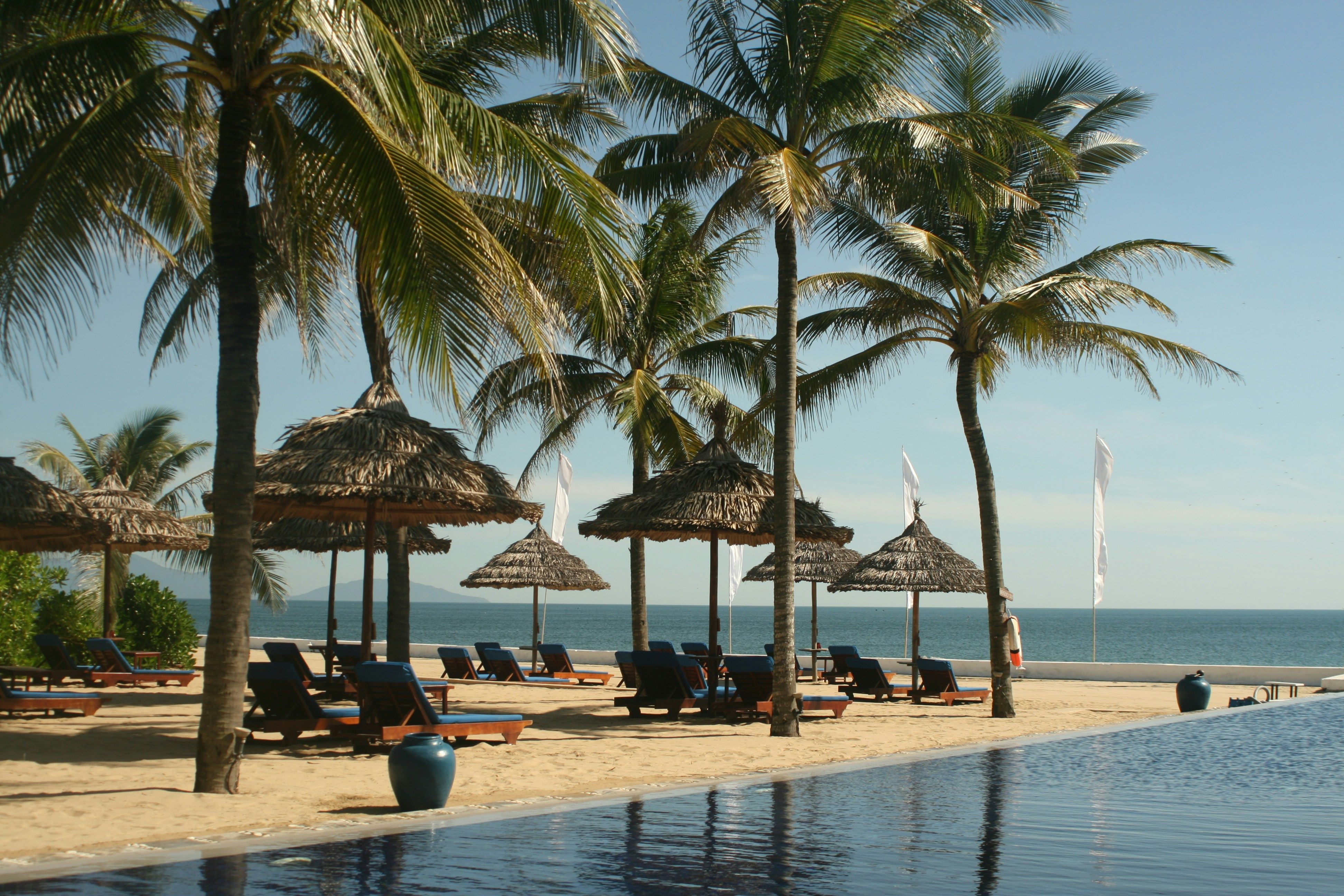
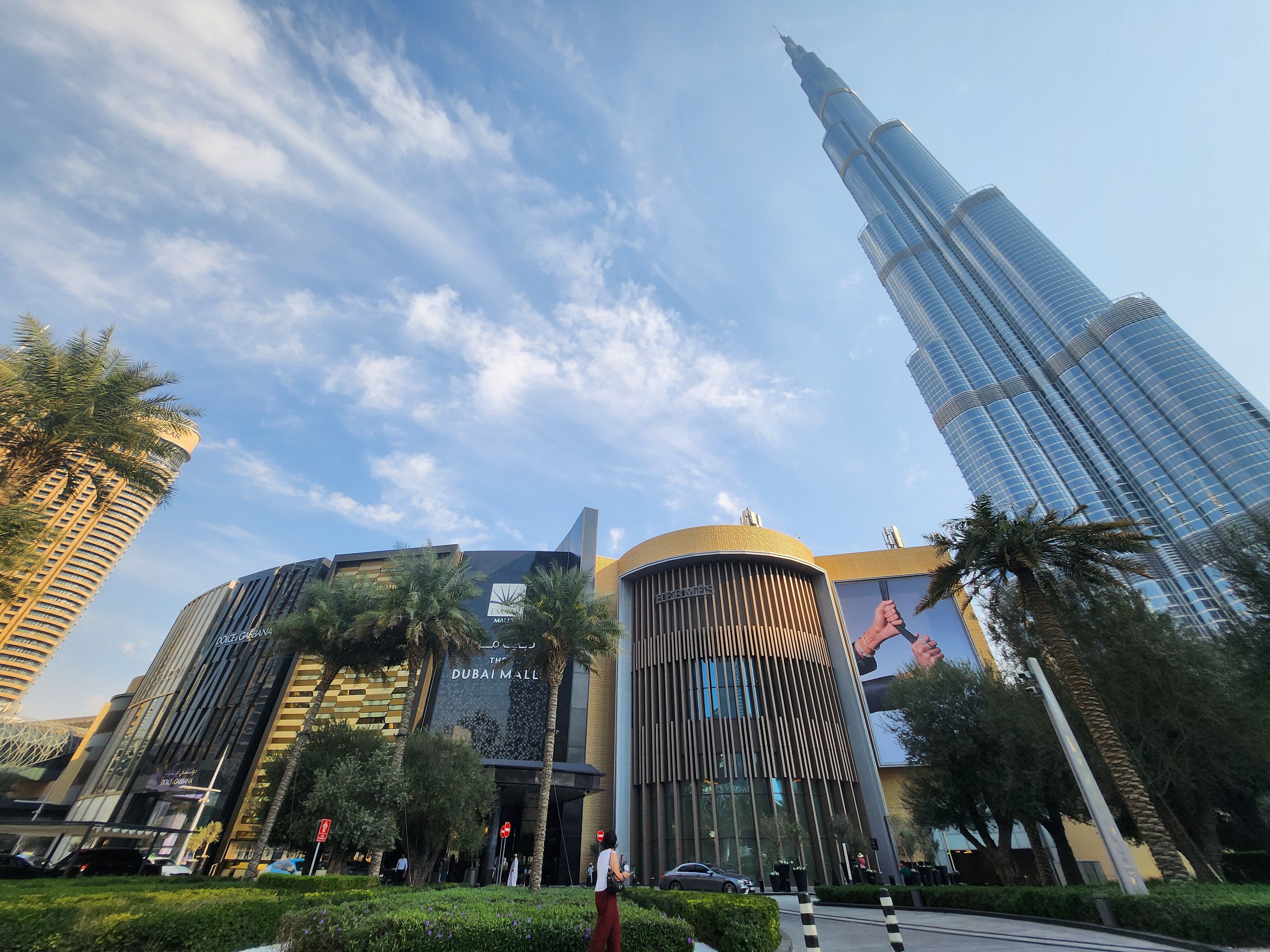
If you are planning a vacation in Vietnam, you cannot miss other interesting destinations on this continent. One of them is the United Arab Emirates, and in particular Dubai, which is often a stopover city on the way to Vietnam. You can opt for a short sightseeing tour during your layover or a longer stay while traveling with the Two Continents travel agency, which offers the best attractions in Dubai, accommodation in Dubai in private apartments, and trip packages to Dubai, including accommodation, a package of attractions, travel insurance, and tour guide assistance throughout your stay. Combine Dubai with Vietnam and experience the unforgettable vacation of a lifetime!
Vietnam is a relatively affordable country, and the biggest expense of the trip is usually airfare. The average cost of a 3-week trip to Vietnam, organized on your own, ranges from $750 to $1,500.
If you plan to explore all of Vietnam, the best time to visit and stay is from December to April, when the weather is cooler and it is the dry season. Spring (March-May) is ideal for hiking in the rice terraces in the north. If you are not afraid of the hot, humid climate and do not mind short, intense rains during the day, you can visit Vietnam during the rainy season (I especially recommend the period from August to September).
An absolute must-try in Vietnam is the aromatic phở soup (preferably straight from a street stall), crispy bánh mì, fresh spring rolls, as well as regional delicacies such as the spicy bún bò Huế soup (from Hue) and cao lầu noodles (from Hoi An). Don't forget Vietnamese coffee with condensed milk or coffee with egg.
How to prepare for a trip to Vietnam? Read our guide on how to plan your trip to Vietnam and what to take with you.
See other news
01/03/2026
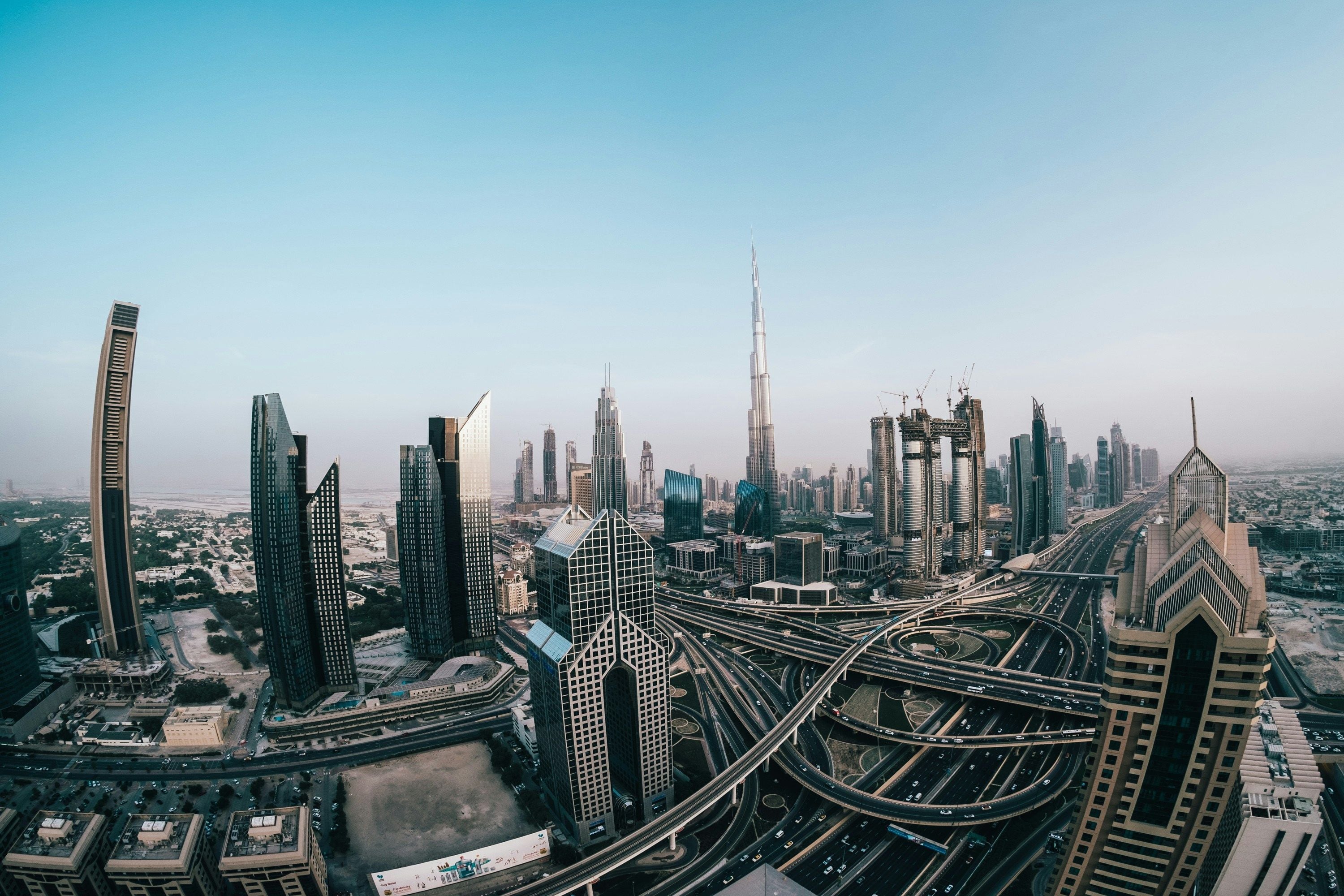
Dubai Mall – area
01/03/2026
Burj Khalifa – which floor to go to?
01/03/2026
United Arab Emirates - a guide for tourists

28/02/2026
No more expensive internet in the Balkans? EU roaming on the way!
28/02/2026
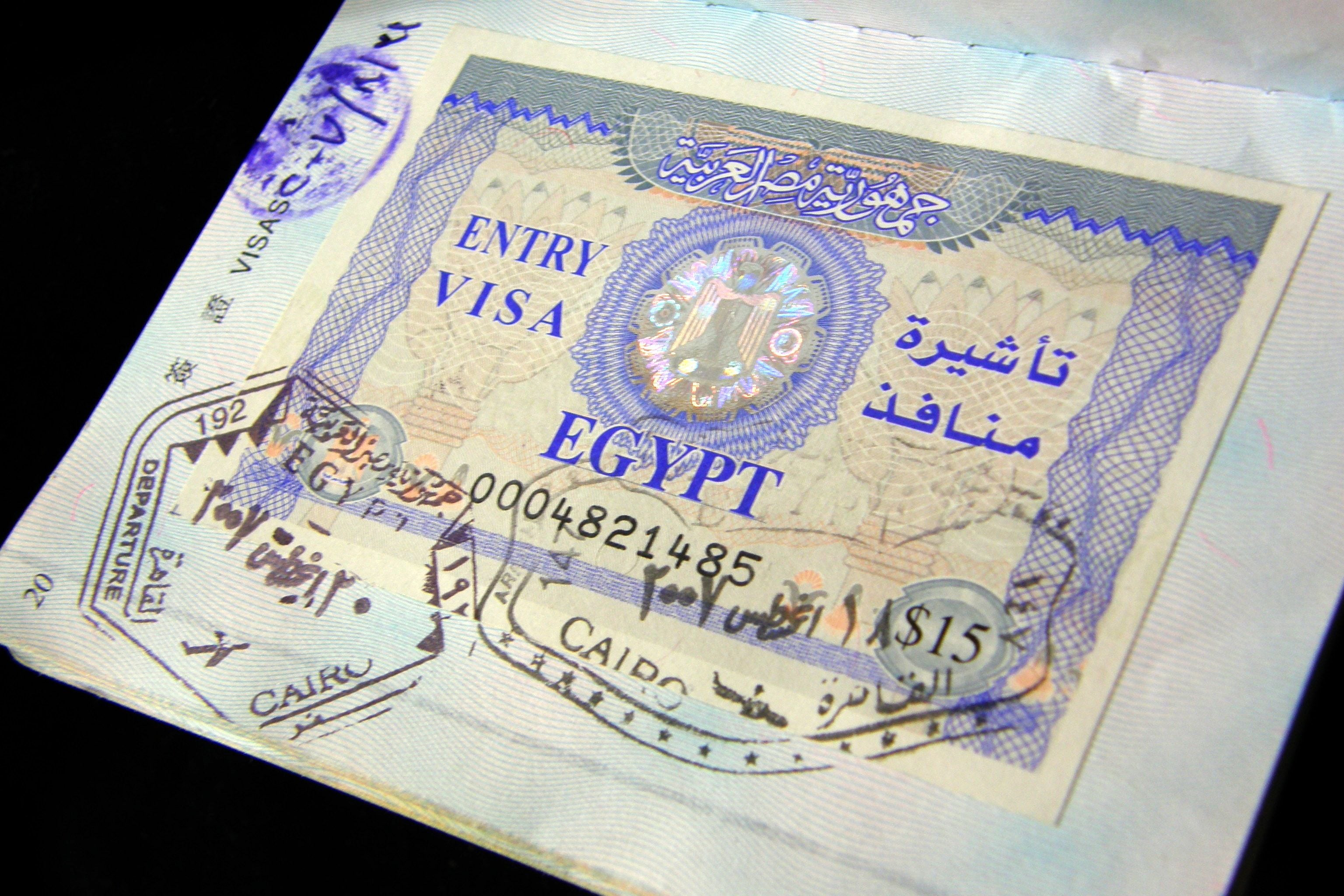
From March visas to Egypt will be $5 more expensive
28/02/2026
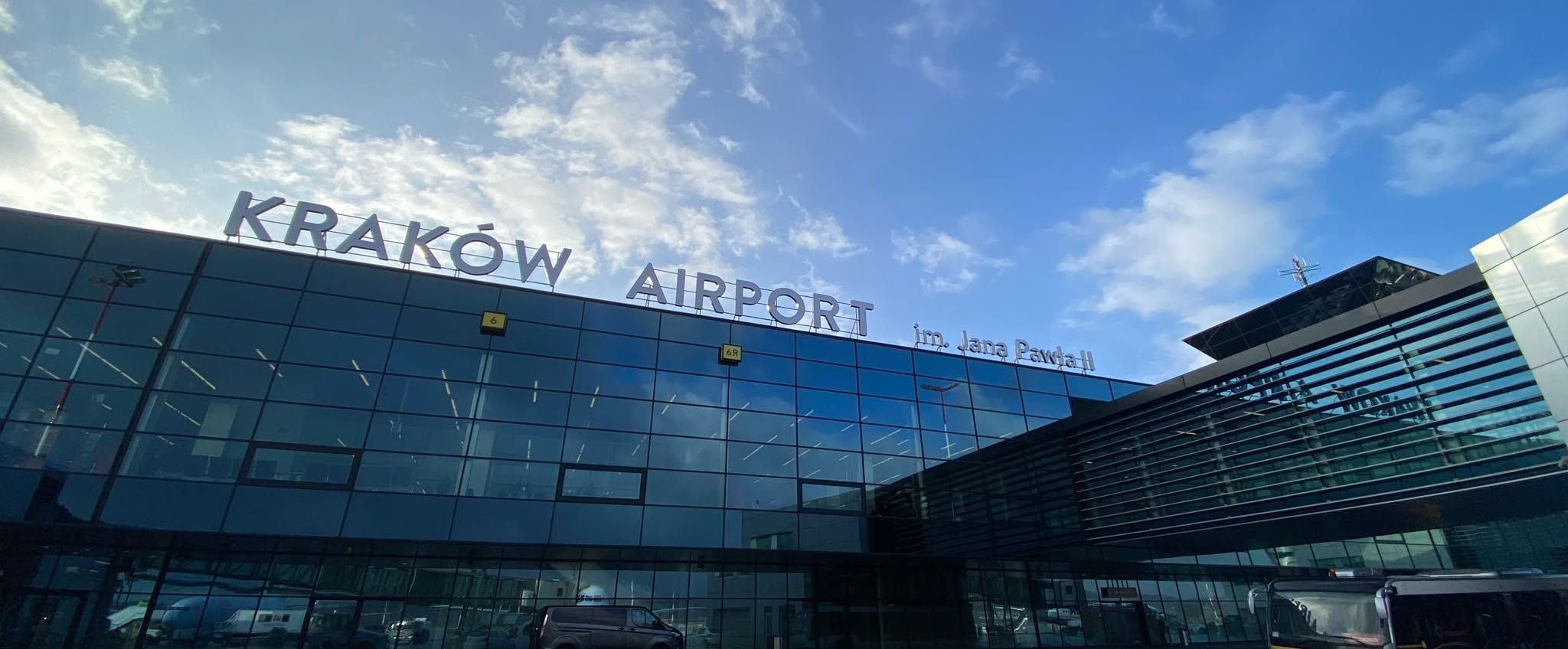
Krakow finally obtains environmental approval for the construction of a new runway
28/02/2026
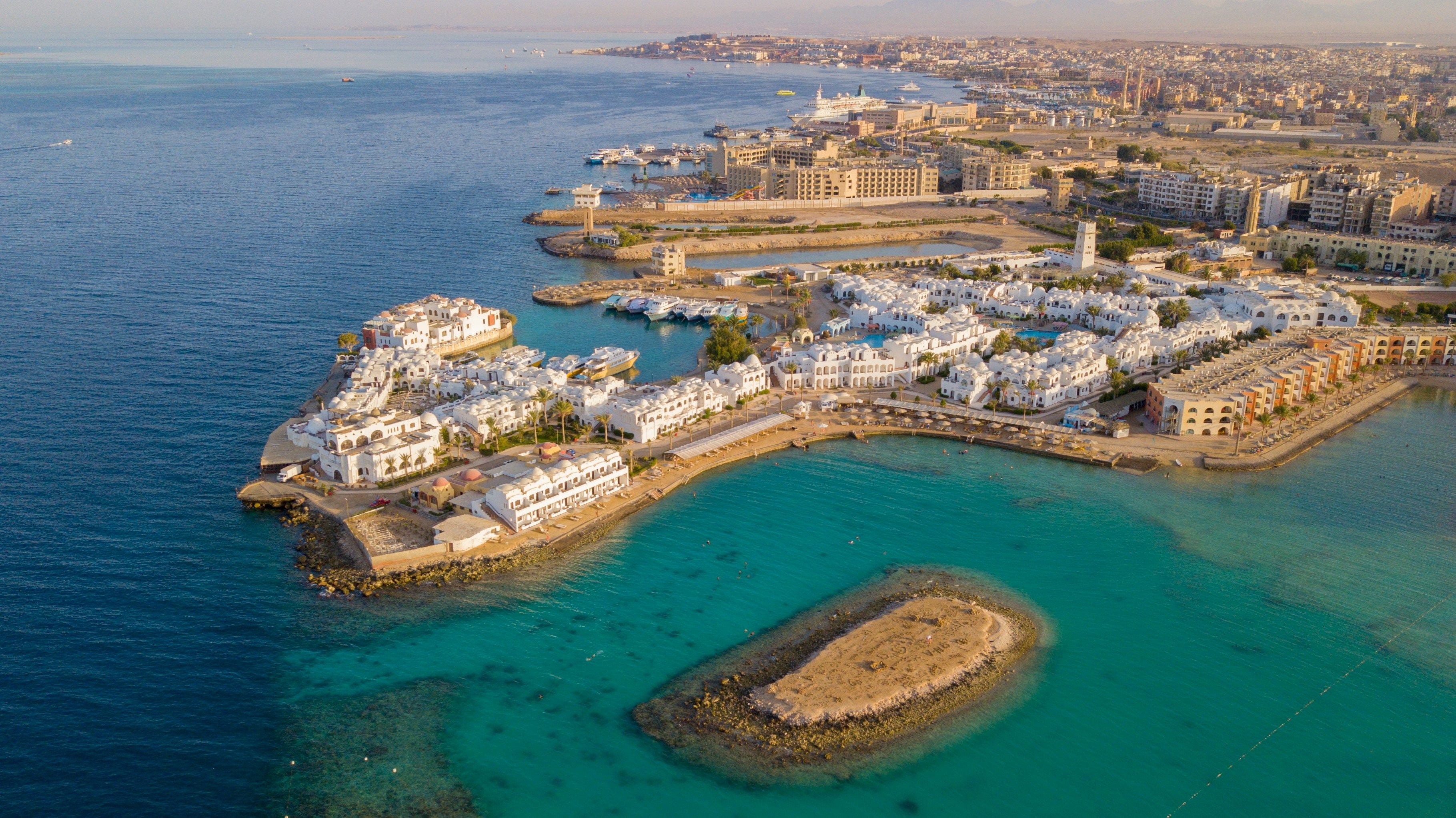
Corendon Airlines will fly from Warsaw and Katowice to Hurghada
28/02/2026
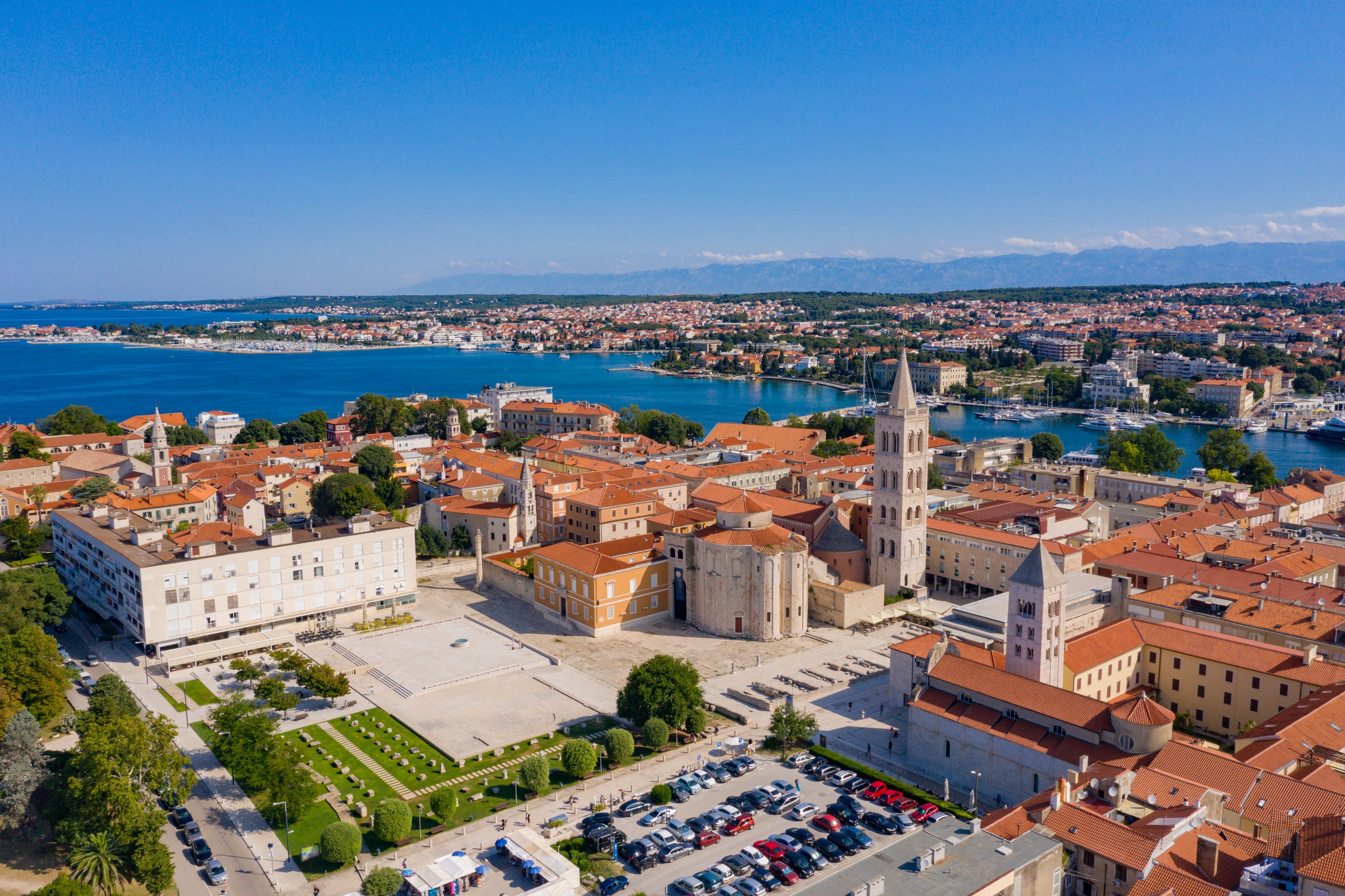
Wizz Air has announced the launch of a new route from Warsaw to Zadar

26/02/2026
Making money from short-term rentals in Dubai
26/02/2026
No more travelling around Iran on your own