
Guide
19/06/2026
Oman or the UAE—which destination should you choose?
Copy link

TwoContinents
12 December 2025
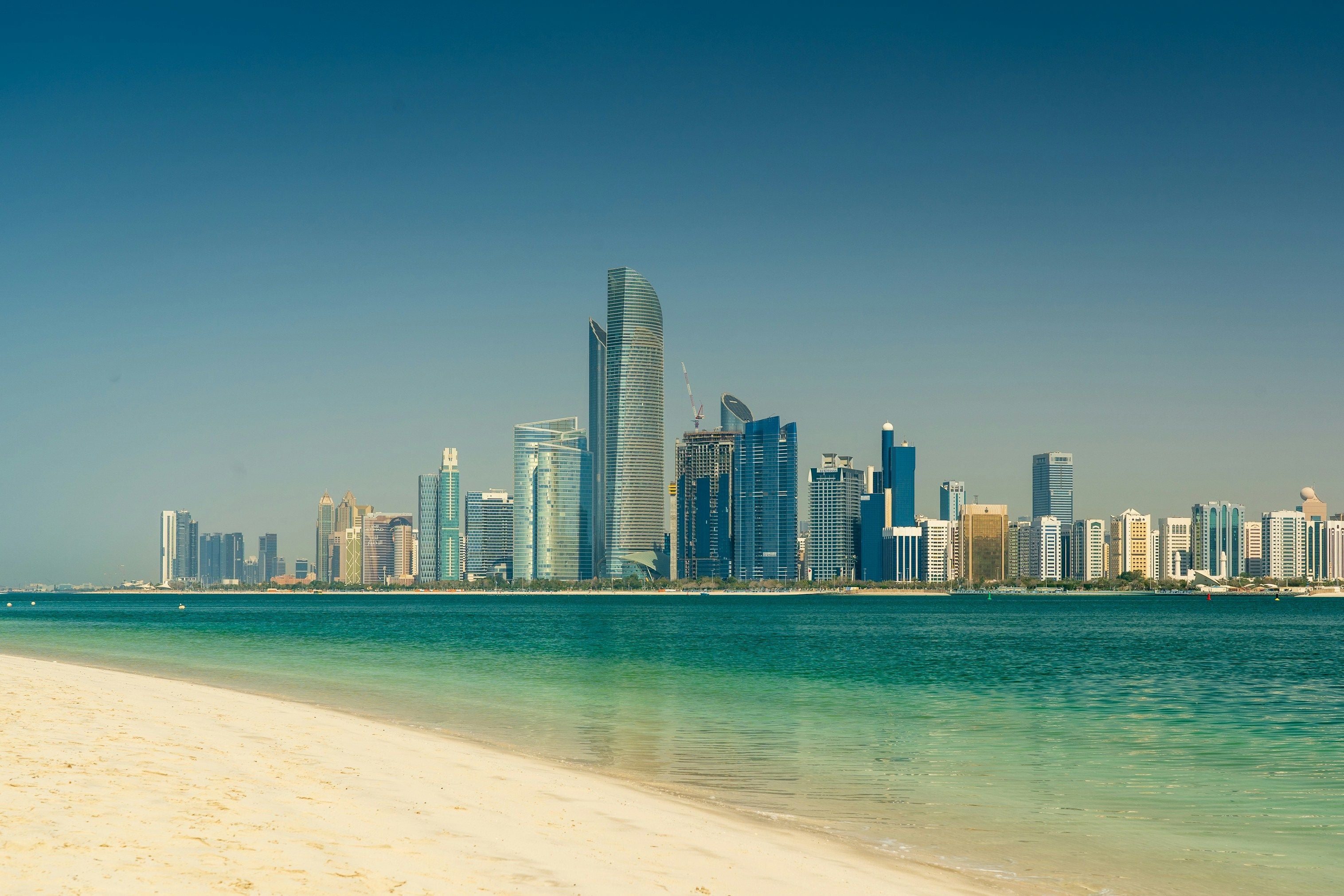
If you are planning a trip to the capital of the UAE, checking the weather in Abu Dhabi is one of the most important steps before starting your vacation. The city is famous for its warm climate and large number of sunny days. When is the best time to visit Abu Dhabi in terms of weather?
The weather in Abu Dhabi is characterized by a very large number of sunny days, high temperatures, and minimal rainfall, which makes the city attractive to tourists all year round. Winter offers comfortable conditions, ideal for sightseeing and relaxation. Spring and fall are warmer but still conducive to outdoor activities, especially near the Persian Gulf.
Are there extreme heat waves in Abu Dhabi? Yes, they occur especially in summer, accompanied by high humidity, which makes the temperatures feel even higher. The same situation occurs in Dubai, where high temperatures prevail during the summer months. For more information on this topic, see our Dubai Guide, which also includes accommodation in Dubai and trips to Dubai.
Abu Dhabi's specific climatic conditions result from its location on the Arabian Peninsula, where the dry and hot desert climate of Abu Dhabi prevails. The city remains almost completely rainless for most of the year, and rainfall and sunshine in Abu Dhabi are typical for desert regions - there are definitely more sunny days than cloudy ones.
What are the precipitation and humidity levels in Abu Dhabi? Precipitation occurs only in January, February, and occasionally in March, usually with a probability of only a few percent, which makes rain a rare occurrence here. In turn, air humidity increases significantly from April to September, reaching as high as 90% in July. The windiest months are January, February, and March, when the average wind speed exceeds 14.1 km/h.
When analyzing temperatures and humidity in Abu Dhabi, it is easy to see that the city is characterized by high temperatures for most of the year. What are the average temperatures in Abu Dhabi throughout the year? The lowest temperatures are recorded in December, January, and February – they usually range between 20 and 25°C, which provides the most comfortable conditions for tourists. In contrast, high temperatures occur in the remaining months. From March onwards, thermometers show 25-30°C, and at the peak of summer - in July and August - air temperatures reach up to around 40°C.
The water temperature is also high for most of the year. In the summer months, it often exceeds 30°C, while in winter it remains at 22-24°C, which is conducive to swimming and water sports at any time.

What is the current weather in Abu Dhabi? The weather in the Emirates, characteristic of the region, means that Abu Dhabi offers warm, sunny days almost all year round. During the peak tourist season, the conditions are similar to those known from the European summer – it is warm, sunny, and conducive to sightseeing and relaxing on the beach.
How does the weather in Abu Dhabi change throughout the seasons? Contrary to appearances, there are no drastic differences here; the temperature and sunshine remain stable, and the fluctuations mainly concern the level of humidity and wind strength.
In practice, this means that you can expect very similar weather conditions throughout the month – there are many hours of sunshine every day, and rainfall is rare.
When planning a trip to the Emirates, it is worth remembering that the weekly weather forecast is usually the most detailed and helpful when organizing your trip. In practice, it is best to check the current conditions on well-known meteorological platforms or simply on Google. This is particularly useful because the tourist seasons and the weather in Abu Dhabi are closely linked - sunny conditions encourage tourists to explore and relax outdoors.
How does Abu Dhabi's climate affect tourism? The dry, predictable climate means that most popular tourist attractions, such as the mosque and Qasr Al Watan, are accessible all year round without the risk of sudden weather changes.
1. Does Abu Dhabi experience extreme heat?
Yes, especially in summer, accompanied by high humidity, which makes the temperatures feel even higher.
2. What are the rainfall and humidity levels in Abu Dhabi?
Rainfall occurs only in January, February, and occasionally in March, usually with a probability of only a few percent, which makes rain a rare occurrence here. On the other hand, humidity increases significantly from April to September, reaching as high as 90% in July.
3. What are the average temperatures in Abu Dhabi throughout the year?
The lowest temperatures are recorded in December, January, and February, usually between 20 and 25°C. High temperatures occur in the remaining months. From March onwards, thermometers show 25-30°C, and at the peak of summer, in July and August, air temperatures reach around 40°C.
See other news
19/06/2026
Oman or the UAE—which destination should you choose?
19/06/2026
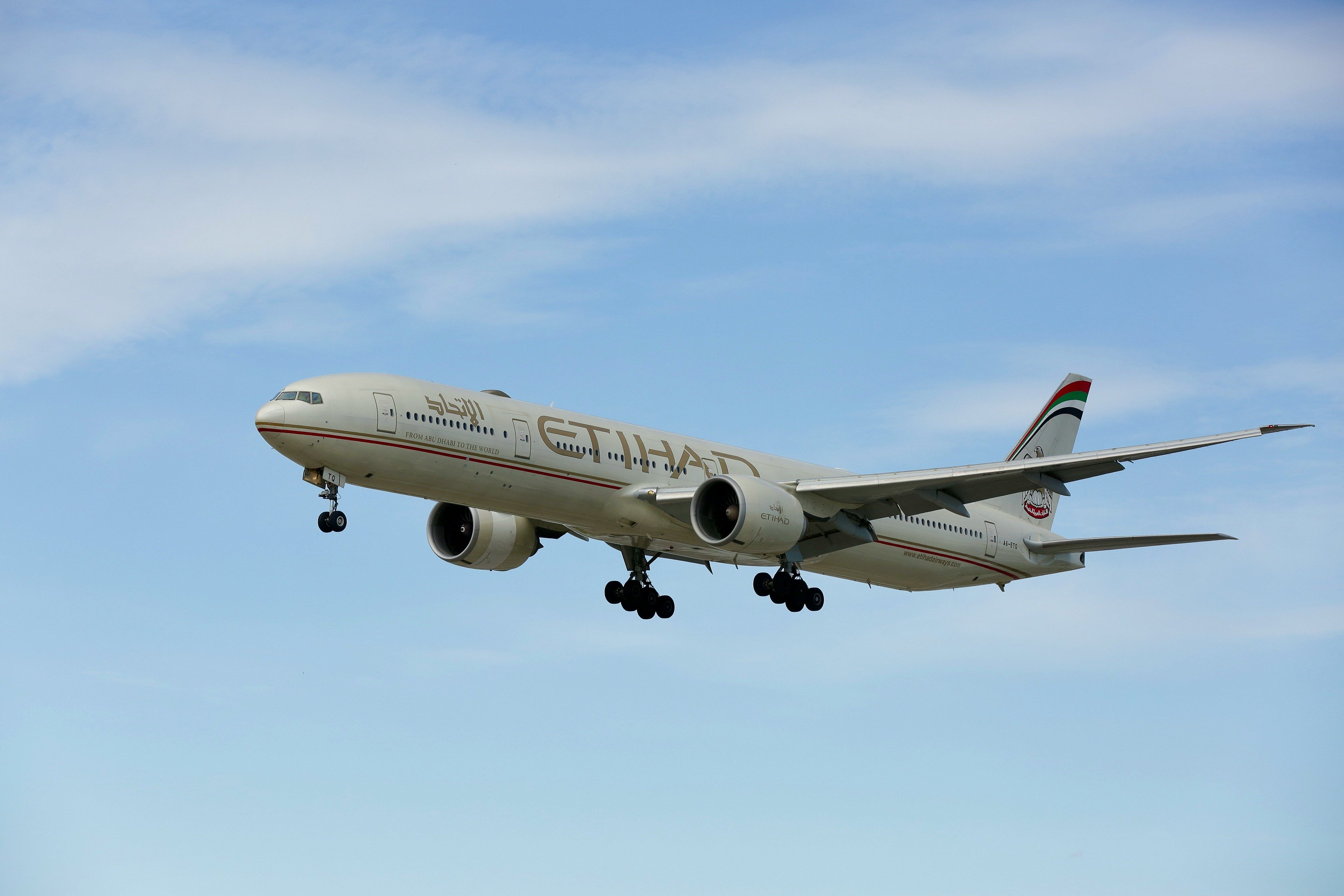
Etihad Airways – a guide to the Abu Dhabi-Based Airline

19/06/2026
How long does the flight from Gdańsk to Dubai take?

19/06/2026
How long is the flight from Wrocław to Dubai?
17/06/2026
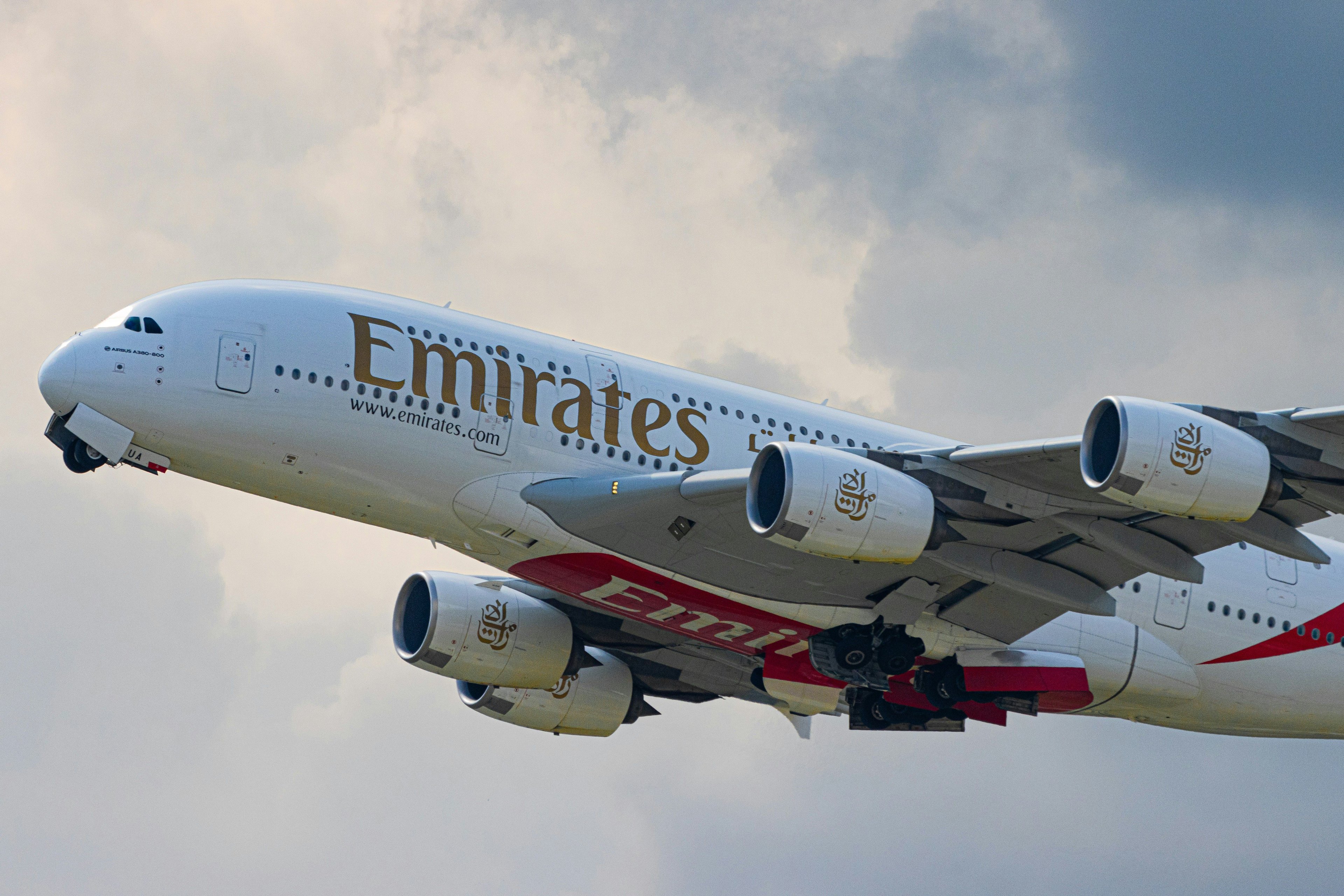
Emirates launches travel insurance offering cover in the event of conflict

17/06/2026
The popular Barasti Beach Club in Dubai has been temporarily closed

17/06/2026
LOT Polish Airlines to launch flights to Tromsø

17/06/2026
KLM increases the number of flights to Poznań

16/06/2026
How to beat the heat in Dubai 2026 and have fun?

16/06/2026
Holidays in Dubai in August 2026 - is it too hot?