Guide
01/03/2026
Dubai Mall – area
Copy link

TwoContinents
12 December 2025
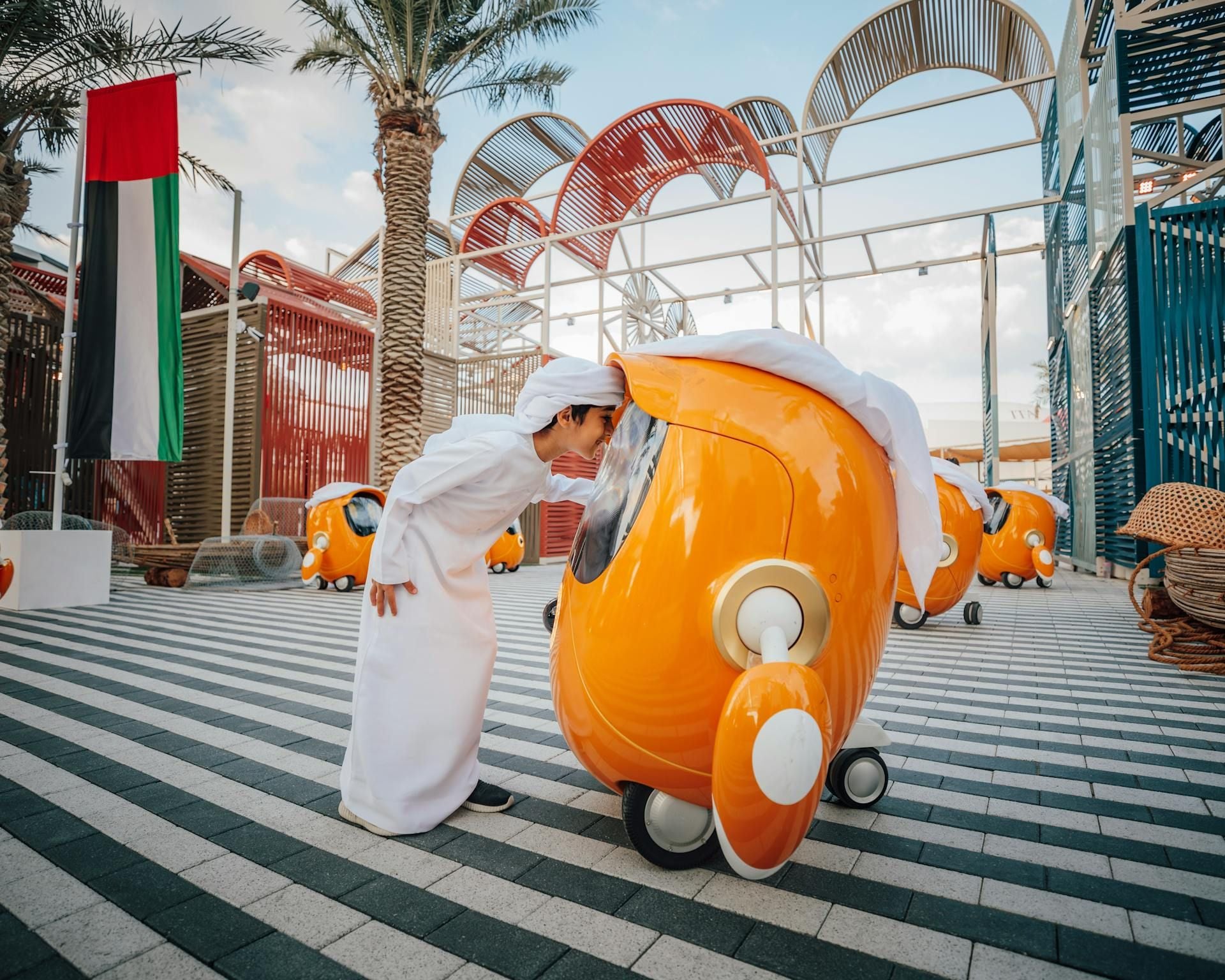
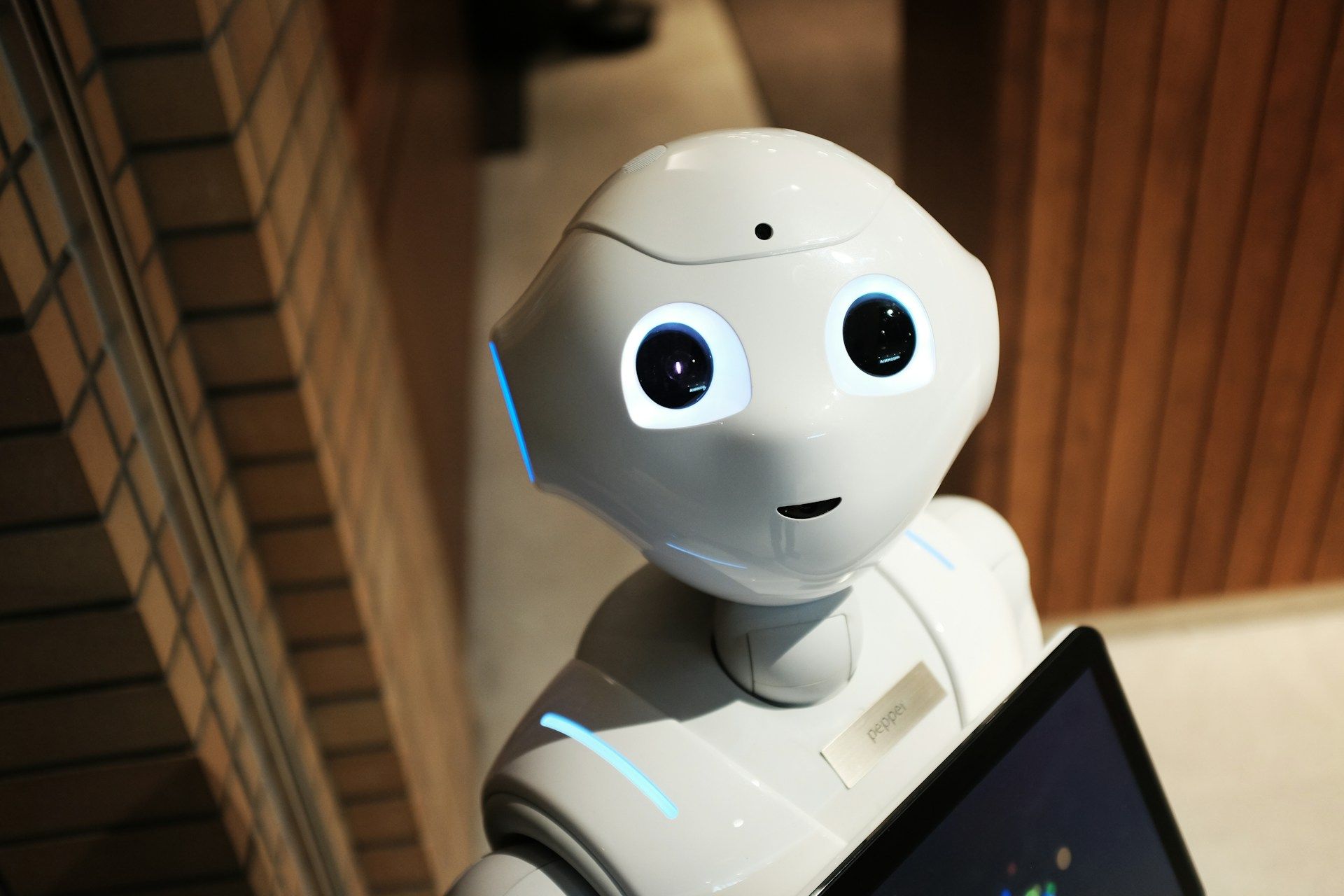
Artificial intelligence in Dubai's economy is currently one of the most important pillars of development and the key to the city's global competitiveness. This innovative technology plays a crucial role as the driving force behind the ambitious plan to transform the city into a global centre of innovation. The use of modern AI technologies in the UAE is a priority for realising the vision of Dubai's future economy.
The United Arab Emirates (UAE), with centres such as Dubai, is focusing its economic strategy on the intensive expansion of the digital economy and the implementation of future technologies across a wide range of sectors. The Emirati government is actively pursuing initiatives and programmes to support the AI ecosystem and raise public awareness of both the potential and challenges of this technology.
The Emirati authorities actively encourage the growth and development of start-ups and small and medium-sized enterprises (SMEs) involved in artificial intelligence and other advanced methods, recognising them as a driver of innovation.
Dubai is investing heavily in technological innovation in the Emirates, seeing AI as a strategic tool to support the efficiency of the state. How does artificial intelligence affect Dubai's economy? First and foremost, it significantly accelerates the digitalisation of Dubai's economy at the administrative and commercial levels. The implementation of advanced AI-based systems allows for mass automation in business, which increases operational efficiency and optimises resource management regardless of the size of the enterprise. In addition, AI significantly reduces costs in many sectors compared to traditional methods of operation. This, in turn, directly affects how attractive the city is to foreign investors.
You can learn more about the economic plans in the article: Dubai Economic Agenda D33
The United Arab Emirates (UAE) is actively adapting its legal framework to the dynamic requirements of artificial intelligence (AI) development. The Emirati government is systematically introducing new regulations that aim to both support innovation in the AI sector and ensure the protection of citizens' rights in the digital context, while clarifying issues of liability.
The UAE Ministry of Justice is responsible for developing and implementing legislation related to AI models and their use, including the supervision of new projects and applications. This legislation is being developed in close cooperation with leading experts and specialists in the field of artificial intelligence. This is crucial to ensure that the new regulations are both effective and closely aligned with the needs of society and the economy.
In addition, the UAE government is engaged in international cooperation in the field of AI technology and digital transformation, which allows the Emirates to maintain its leading position and keep track of global development trends in this strategic area.
The introduction of AI systems is a strategic priority, and the use of artificial intelligence in Dubai's business sector is extremely widespread. It is not limited to administrative support, but focuses on the sectors that generate the most growth for Dubai's economy, which is crucial for realising the region's vision for the future.
Currently, AI technologies in the UAE are widely used in:
Such widespread use of artificial intelligence in Dubai's business sector is proof of how dynamically AI is influencing Dubai's economic development, transforming it into a global leader in Industry 4.0 in Dubai.
Two sectors of key importance to Dubai's economy – finance and real estate – are pioneers in the implementation of AI technology. The effective use of artificial intelligence in Dubai's business in these areas translates directly into the region's global competitiveness.
So, does AI support financial and real estate development in Dubai? Yes, fundamentally. These technologies provide advanced analytical tools that enable faster and more precise investment and operational decisions, which is a direct driver of growth in these key market segments.
Check out the article: The impact of immigration on Dubai's economic development - there you will learn more about the economic boom of the city in the desert.
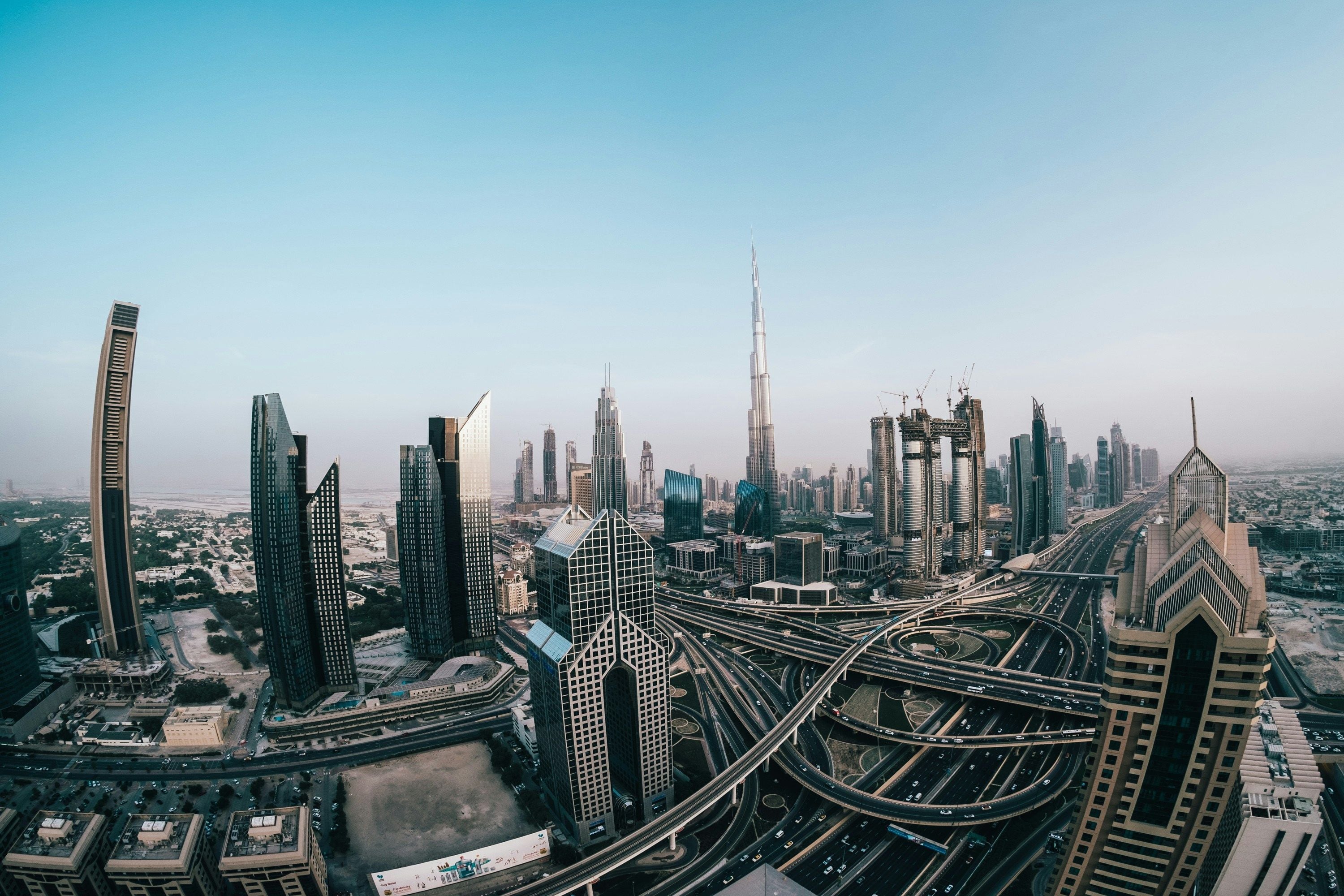
Dubai is actively striving to be the world's leading smart city model, which is key to Dubai's Industry 4.0 strategy. The use of AI models includes traffic optimisation (smart traffic lights), real-time energy and water management, and improved public safety through advanced monitoring. AI technologies in the UAE are being integrated with government services (Smart Government Services) to make them fully digital, unattended and efficient for residents and businesses.
See also: Maritime economy and the role of Jebel Ali Port.
What are the benefits of AI for businesses in Dubai? These benefits primarily include a significant increase in productivity and speed of operation, optimisation of decision-making processes and improvement of customer experience. What are the latest AI innovations in the Emirates? Dubai often tests pioneering solutions such as autonomous flying taxis, drones for infrastructure inspection and advanced diagnostic systems in hospitals.
In this context, an important question arises: Will artificial intelligence change the job market in Dubai? Certainly yes. While automation in Dubai's business sector may reduce some repetitive jobs, it will also create a huge demand for new, highly specialised professionals in the fields of AI programming, robotics and data analysis.
Artificial intelligence is widely used in various sectors of the UAE economy, including public administration, healthcare, finance and trade. It is used for process automation, data analysis and real-time decision-making. In healthcare, AI supports disease diagnosis, patient monitoring and therapy optimisation. In the financial sector, it is used to assess risk, supervise transactions and support investment decisions. In commerce, AI technologies enable the personalisation of customer experiences, the streamlining of supply chains and the forecasting of demand.
If you are planning a trip to see this technological progress for yourself, check out which attractions in Dubai are the most advanced. For a comfortable city tour, choose accommodation in Dubai with convenient access to innovation zones and the city centre. For more useful information and advice on travelling and living in the Emirates, visit our blog: TwoContinents.
AI is used in the financial (FinTech), real estate, logistics, transport, healthcare and energy sectors, which is part of the application of artificial intelligence in Dubai's business.
For example, to create smart cities and AI by optimising traffic, managing resources (water, energy) and integrating AI technologies in the UAE with government services.
Yes. Automation in Dubai's business sector will reduce some jobs, but at the same time it will create new, highly specialised jobs requiring skills in technology and data research.
See other news
01/03/2026
Dubai Mall – area
01/03/2026
Burj Khalifa – which floor to go to?
01/03/2026
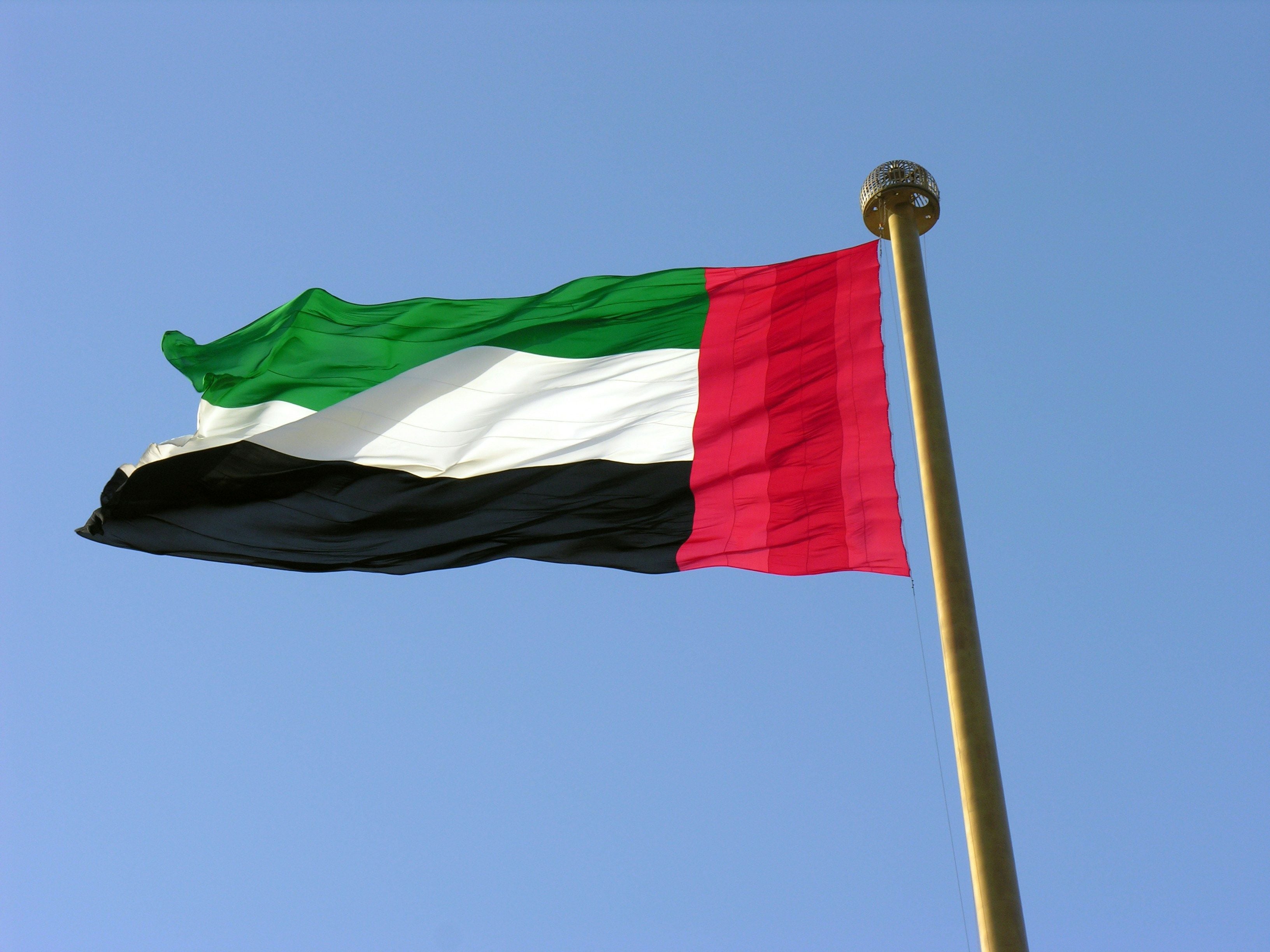
United Arab Emirates - a guide for tourists
28/02/2026
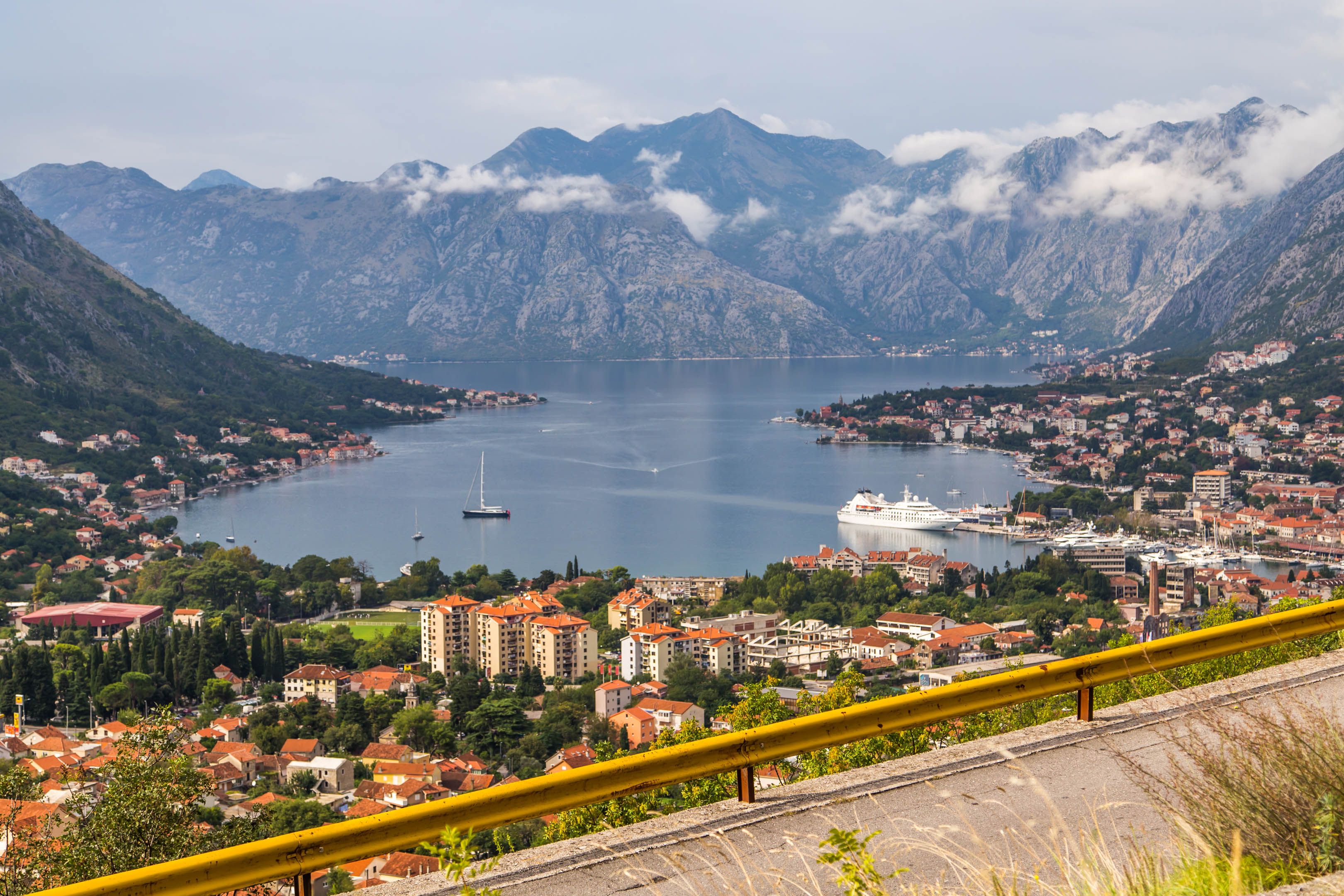
No more expensive internet in the Balkans? EU roaming on the way!
28/02/2026
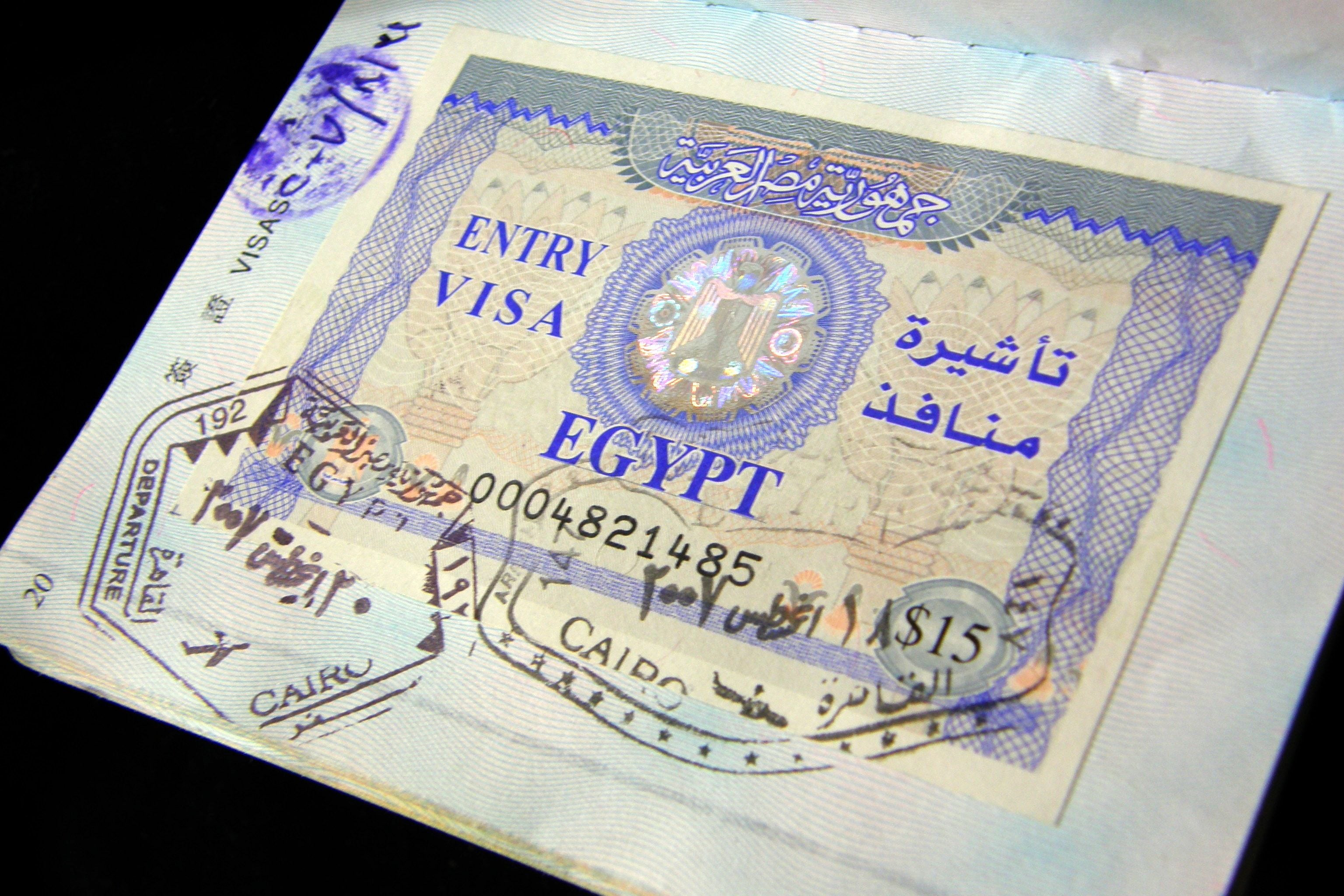
From March visas to Egypt will be $5 more expensive
28/02/2026
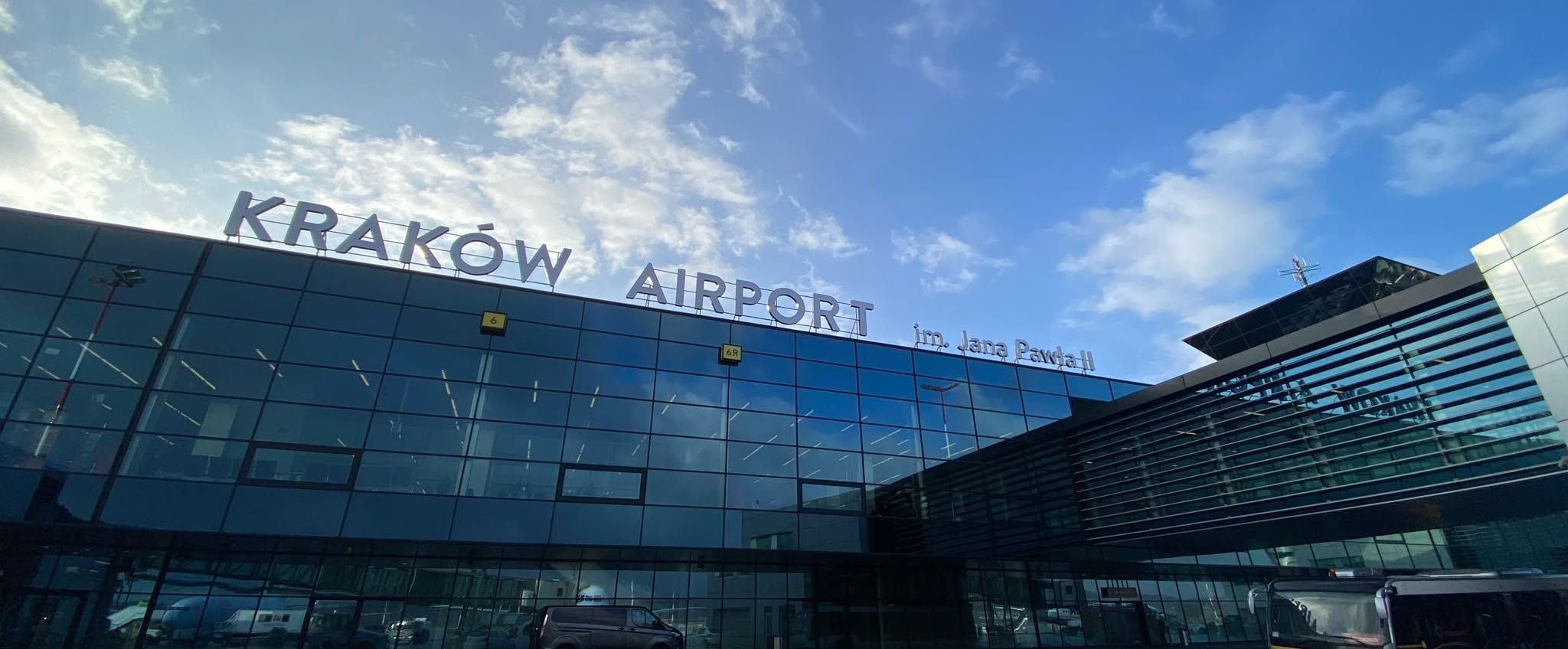
Krakow finally obtains environmental approval for the construction of a new runway

28/02/2026
Corendon Airlines will fly from Warsaw and Katowice to Hurghada

28/02/2026
Wizz Air has announced the launch of a new route from Warsaw to Zadar

26/02/2026
Making money from short-term rentals in Dubai

26/02/2026
No more travelling around Iran on your own