Guide
01/03/2026
Dubai Mall – area
Copy link

TwoContinents
12 December 2025
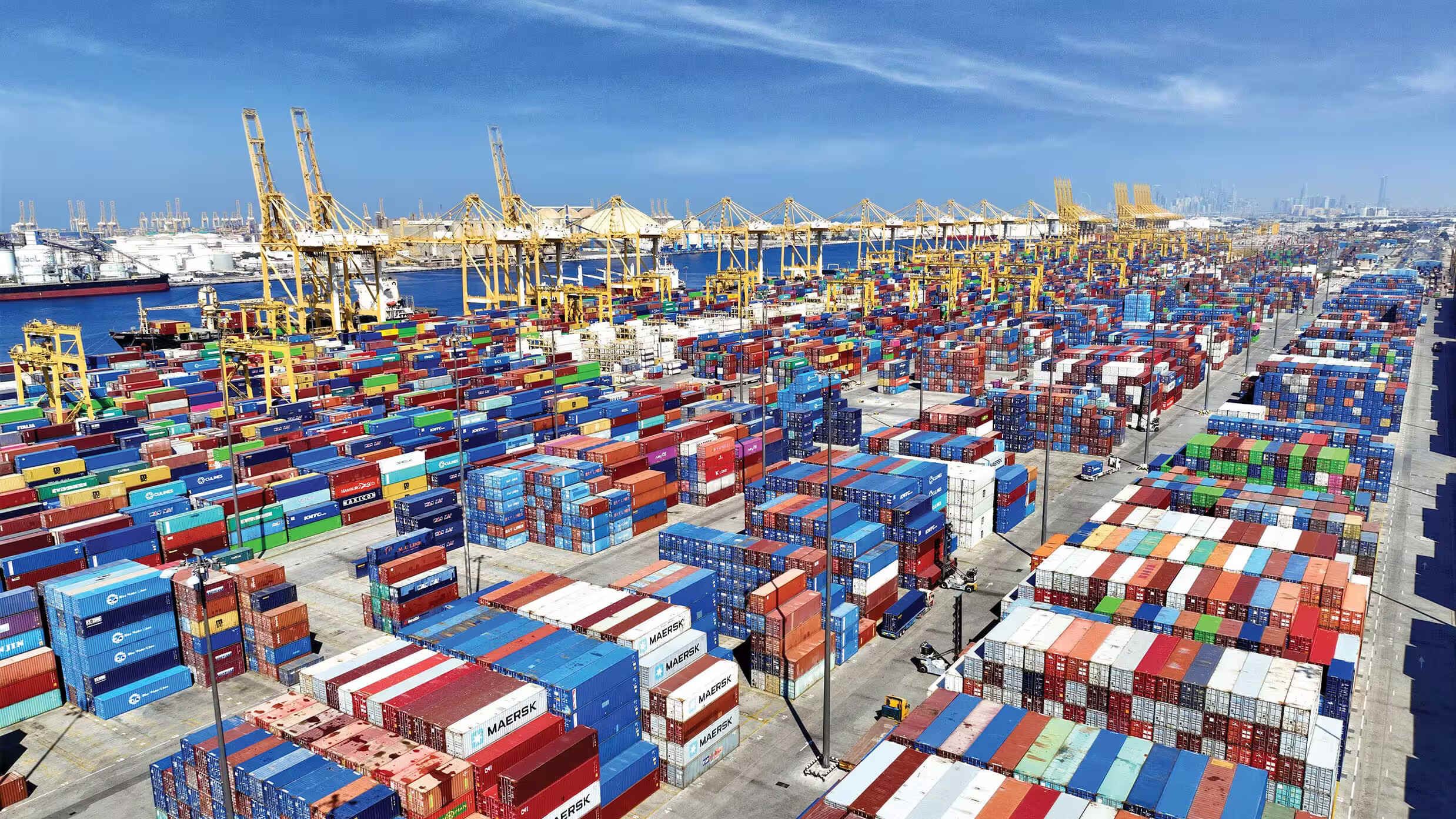
Dubai's maritime economy is one of the pillars of its position as a global centre for trade and logistics. Of particular importance is the port of Jebel Ali, which is not only the largest port in the Middle East, but also one of the most important in the world in terms of throughput. Its operations play a key role in Dubai's transport and logistics system, enabling the efficient flow of goods and strengthening the competitiveness of the entire United Arab Emirates.
The history of Dubai is inextricably linked to the transformation that took place after the discovery of oil. Before this pivotal moment, Dubai was one of the smaller cities in the Middle East, whose development was based mainly on the pearl trade and its strategic location. The decisive discoveries took place in the late 1960s and early 1970s, when exploitation of resources from both the southern and outer basins began. The visionary policy of the then ruler of Dubai allowed for the rapid and effective use of this income to invest in infrastructure. Instead of basing the entire future on raw materials, a decision was made to build ports such as Jebel Ali Port, which became the foundation of the modern economy. Jebel Ali, together with the neighbouring largest industrial complex in the region, quickly transformed the city into one of the world's largest trading centres, accepting every bill of lading and enabling Dubai's economic diversification beyond the oil sector.
How important is the maritime economy to Dubai? It is fundamental and strategic. Dubai's maritime economy generates a significant, measurable share of GDP, underscoring its role as the backbone of the economy. This sector determines Dubai's position as a key logistics hub connecting the markets of Southeast Asia, Europe and Africa. The main engine and heart of this sector is undoubtedly the Port of Jebel Ali. It is the largest man-made port in the world and also the most important container port in the region.
To learn about Dubai's transformation since the 1990s, read the article: Dubai's GDP - historical changes
The role of Jebel Ali Port in Dubai's economy cannot be overestimated. Opened in 1979, the port has been a catalyst for change since its inception. It enables Dubai's mass imports and exports, which are essential to maintaining the dynamism of Dubai's maritime economy. The port acts as a key gateway to global markets, with goods destined for more than 180 ports worldwide passing through its terminals.
Supporting the Emirates' international trade, Jebel Ali not only serves the needs of the local market, but above all acts as a giant redistribution centre. A large proportion of the goods that arrive in Dubai are then re-exported to countries in the Persian Gulf region and Africa. This transit and redistribution function is crucial as it generates significant revenue for the state budget while strengthening the port of Jebel Ali itself.
You can learn more about the Emirates' economy here: The impact of immigration on Dubai's economic development.
The port acts as a transhipment hub for over 180 shipping lines, handling millions of TEUs (twenty-foot equivalent units) annually. Jebel Ali's modern port infrastructure includes four container terminals, extensive dry docks and adjacent free trade zones (Jafza). This means that the importance of maritime transport for Dubai is constantly growing, cementing its position in the UAE port sector.
Dubai continues to invest in Dubai's maritime industry, striving to maintain its technological and competitive advantage. What investments are being made in the Port of Jebel Ali? Investments are focused on the automation of Terminal 4, the implementation of AI-based intelligent container management systems, and the deepening of fairways to accommodate the world's largest ULCV (Ultra Large Container Vessels). These are key investments in Dubai's maritime sector, designed to ensure efficient handling of over 22 million TEU.
And if you are interested in how the region is developing in terms of modern technologies, check out our publication: The importance of artificial intelligence in Dubai's economy.
What goods are most commonly handled at the Port of Jebel Ali? Due to the global nature of Dubai, these are primarily containers with electronics, machinery, car parts and textiles. The port is also key to the distribution of food and consumer products, serving as a gateway for redistribution to markets in the Middle East and Africa.
Does the Port of Jebel Ali support the development of Dubai's logistics sector? Yes, directly. Its enormous capacity and advanced port infrastructure, combined with the Jafza zone, create an ideal environment for logistics, freight forwarding and warehousing companies. How is Dubai developing maritime transport and international trade? Through continuous modernisation and digitisation of customs processes and the integration of land, sea and air services, ensuring fast and reliable supply chains.
How does the Port of Jebel Ali contribute to Dubai's economic growth? The port generates significant revenue from port fees, freight handling and support for free trade zones, which directly drives the Port of Jebel Ali and Dubai's economic development.
Dubai's maritime economy is an example of success in leveraging its strategic geographical location and investing in modern technology. It is thanks to the efficiency of Jebel Ali Port that the Emirates' international trade can grow dynamically, strengthening the country's global position.
If you are planning a visit to see this giant logistics hub, you can check out what attractions Dubai has to offer with its modern infrastructure. For a comfortable city tour, choose accommodation in Dubai with good access to the port and commercial areas. For more practical advice and detailed information, visit TwoContinents.
It does so by enabling Dubai's mass imports and exports, which supports the Emirates' international trade and cements the role of the Port of Jebel Ali in Dubai's economy.
Investments are being made in Dubai's maritime sector to automate Terminal 4, implement intelligent container management systems and deepen waterways.
It contributes by generating revenue from port fees and freight charges and supporting free trade zones, which directly drives the Port of Jebel Ali and Dubai's economic development.
See other news
01/03/2026
Dubai Mall – area
01/03/2026
Burj Khalifa – which floor to go to?
01/03/2026
United Arab Emirates - a guide for tourists
28/02/2026
No more expensive internet in the Balkans? EU roaming on the way!
28/02/2026
From March visas to Egypt will be $5 more expensive
28/02/2026
Krakow finally obtains environmental approval for the construction of a new runway
28/02/2026
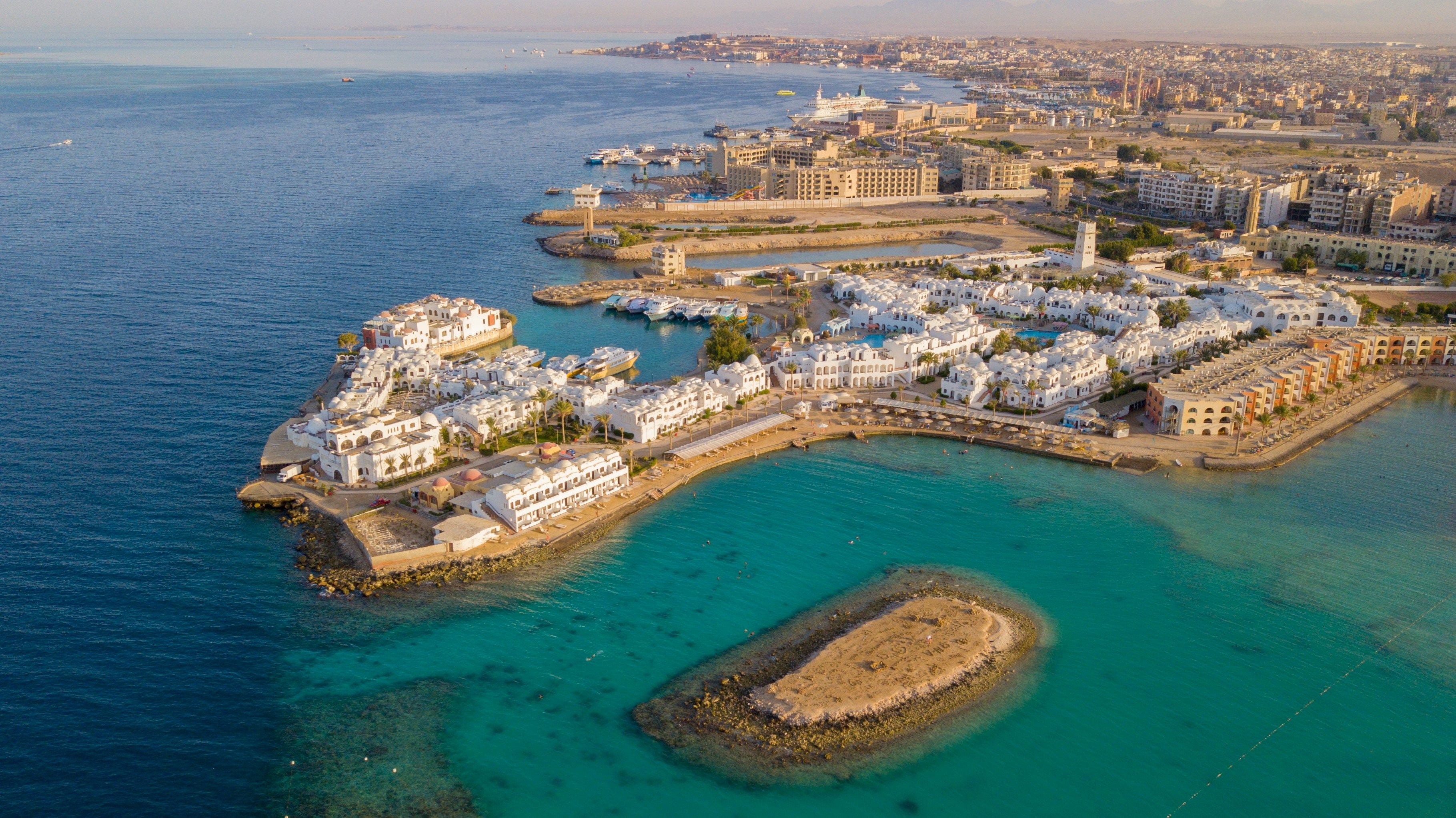
Corendon Airlines will fly from Warsaw and Katowice to Hurghada
28/02/2026
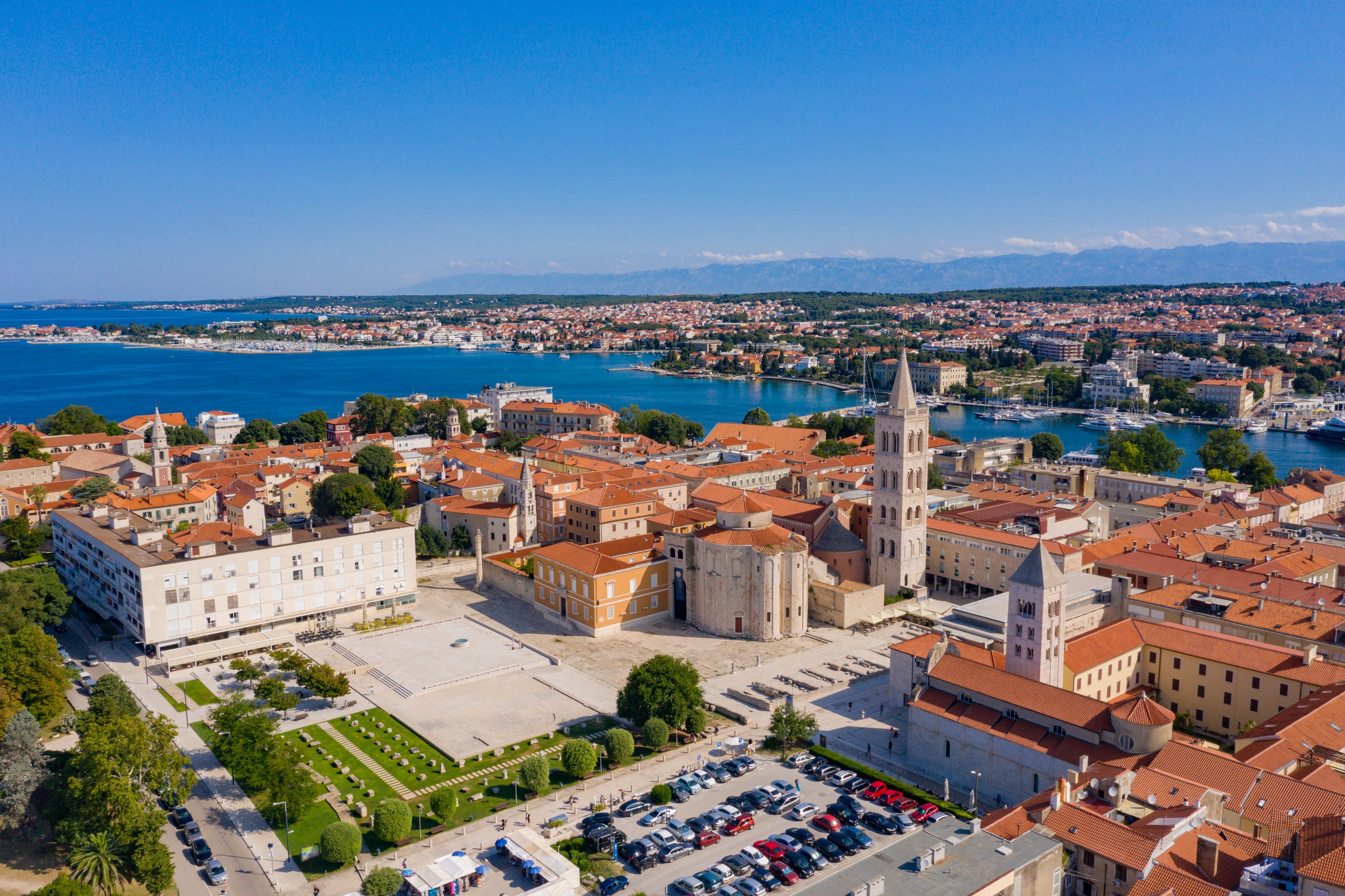
Wizz Air has announced the launch of a new route from Warsaw to Zadar

26/02/2026
Making money from short-term rentals in Dubai
26/02/2026
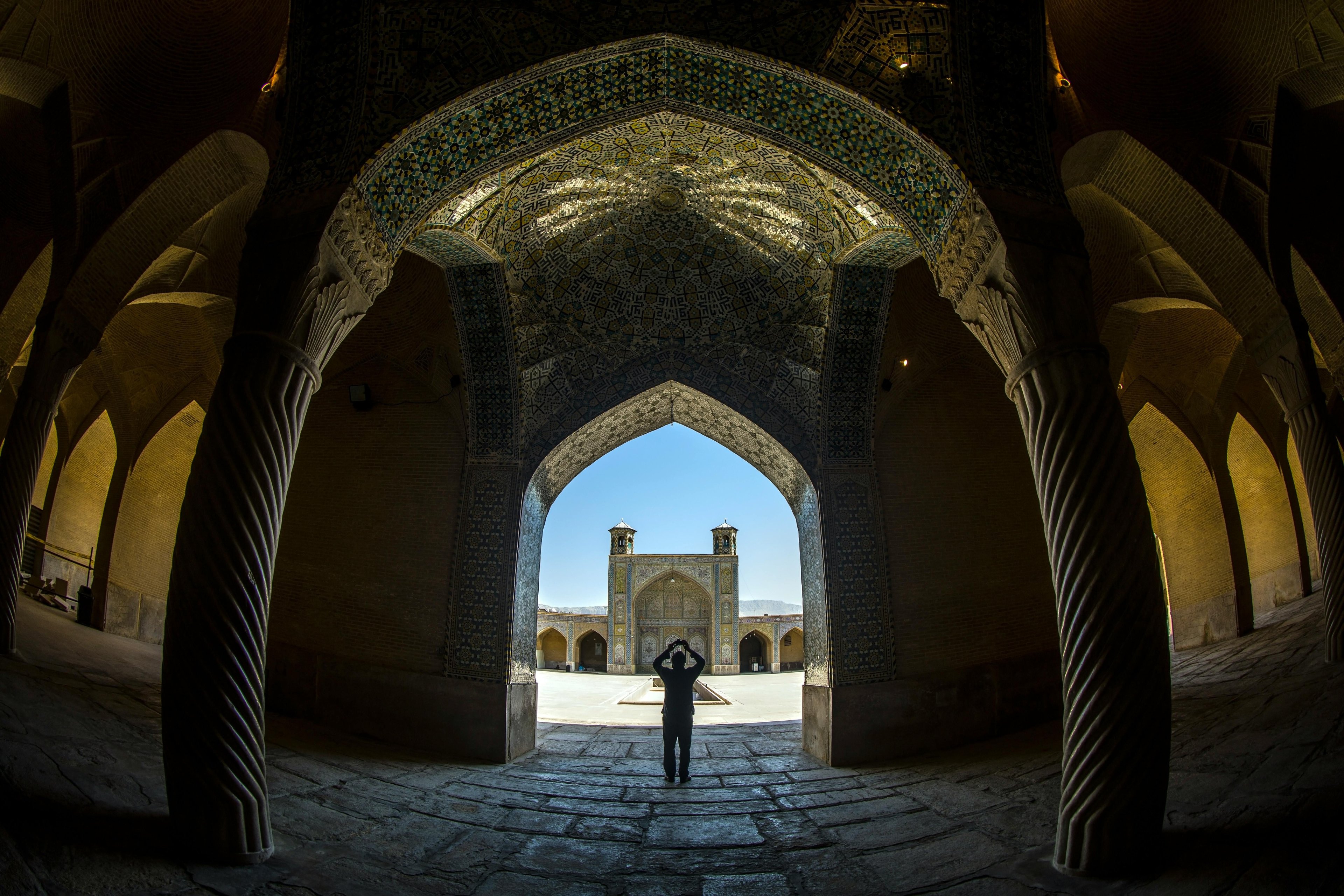
No more travelling around Iran on your own