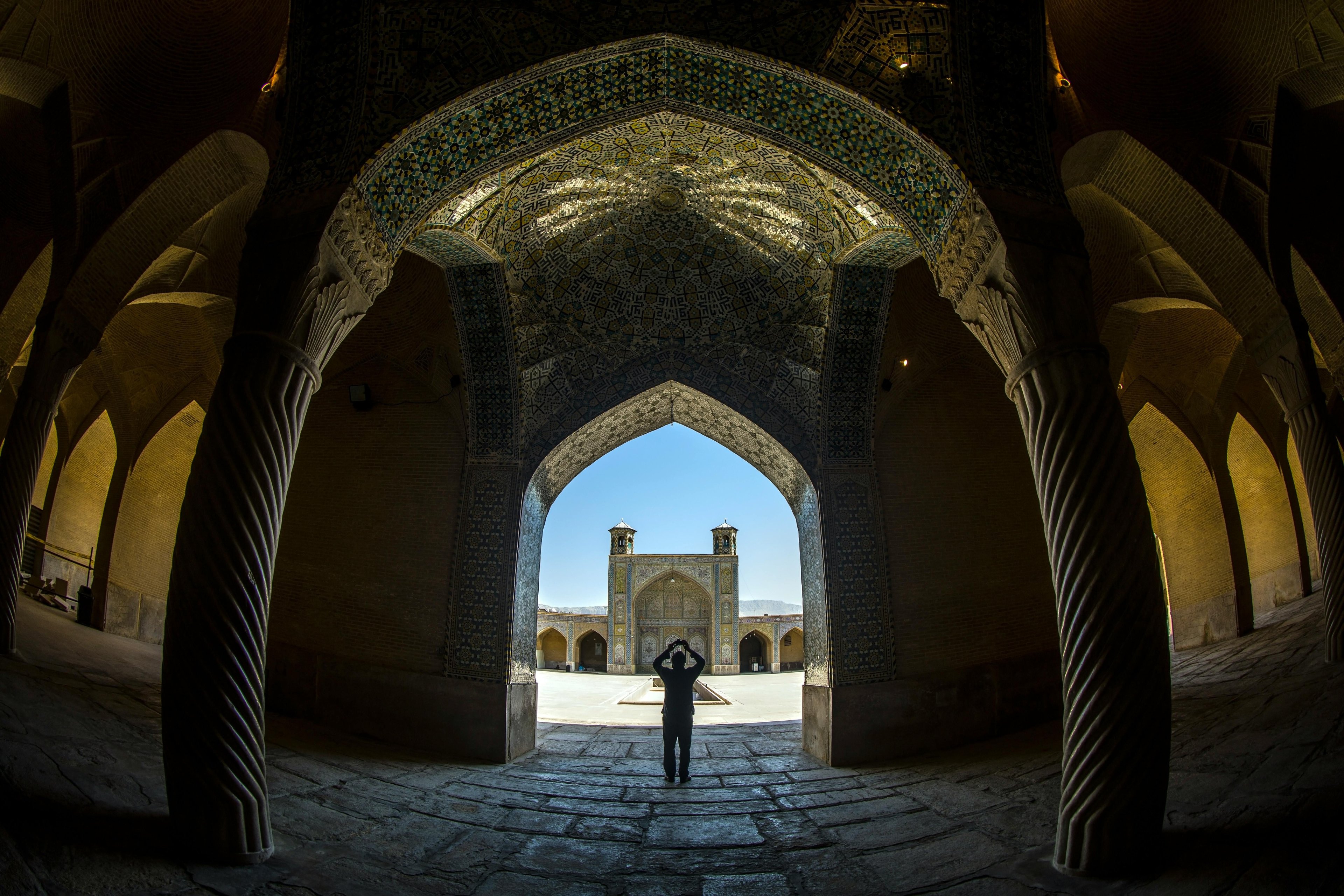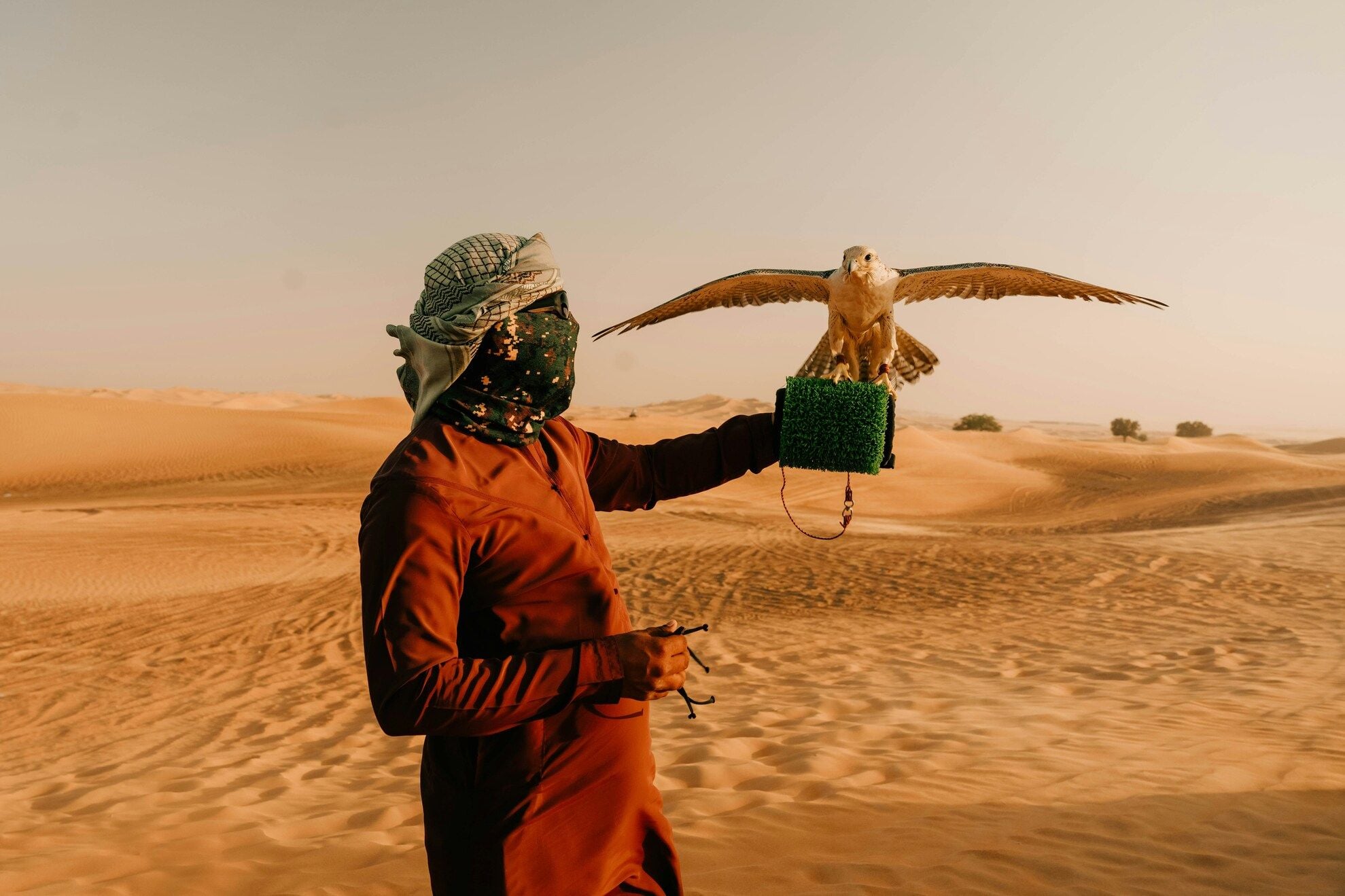
The sight of a falcon sitting calmly on a handler’s glove at sunrise in the desert is one of the most iconic experiences during a stay in the Emirates. Traditional falconry in Dubai is not a “show for tourists”, but a living part of the country’s history and identity – from Bedouin times to today’s skyscrapers.
In this article, you’ll learn about the history of falconry in the United Arab Emirates, the meaning of this tradition, and also some practical information: where to see falconry in Dubai and camel races, what falcon training looks like, and what to pay attention to when choosing a tour.
After reading, it will be easier to combine desert shows with other attractions in Dubai, choose the right accommodation in Dubai and – if you like – fit everything into an organized trip to Dubai.
What is falconry in Dubai?
Falconry is the art of training birds of prey – mainly falcons – to hunt and work together with humans. In the UAE it is treated as something close to a national sport of Dubai, but also as part of everyday life: from décor to motifs in airline logos.
In the past it was a matter of survival: thanks to hunting with a falcon, Bedouins could obtain meat in the middle of the endless desert. Today, falconry in Arab culture, rooted in Bedouin life, is above all a symbol of honour, freedom and a close bond with nature.
It is no coincidence that people say the falcon is a symbol of the Emirates – you’ll find the image of this bird on the national emblem, on coins and even in the names of hotels.
History of falconry in the United Arab Emirates
The history of falconry in the United Arab Emirates goes back hundreds of years. For the old Bedouin tribes on the Arabian Peninsula, it was a way to provide food for the family and proof of resourcefulness and courage. It is a classic Bedouin tradition, born from life in the harsh conditions of the desert.
Falconers would set out to hunt at dawn, when the conditions for the falcons’ flight were best.
The birds helped hunt houbara bustards, hares and other steppe animals.
Over time, an entire set of norms, stories and legends grew around falconry – a true heritage of the desert.
Today, as the Emirates have become a modern state, the authorities strongly emphasise that the Emirates and their cultural heritage are not only about new skyscrapers, but also about practices such as falconry, the majlis and traditional dances.
Falconry as UNESCO heritage and bird protection
Is falconry protected by UNESCO?
Yes – falconry as UNESCO heritage has been inscribed on the List of the Intangible Cultural Heritage of Humanity as a shared tradition of several countries, including the United Arab Emirates. It is an official recognition that this is not just a sport, but an important cultural symbol appreciated around the world.
At the same time, programmes connected with the protection of birds of prey are being developed:
specialist centres rescue injured birds,
breeding and reintroduction programmes for endangered species are carried out,
illegal trade in wild birds is being restricted.
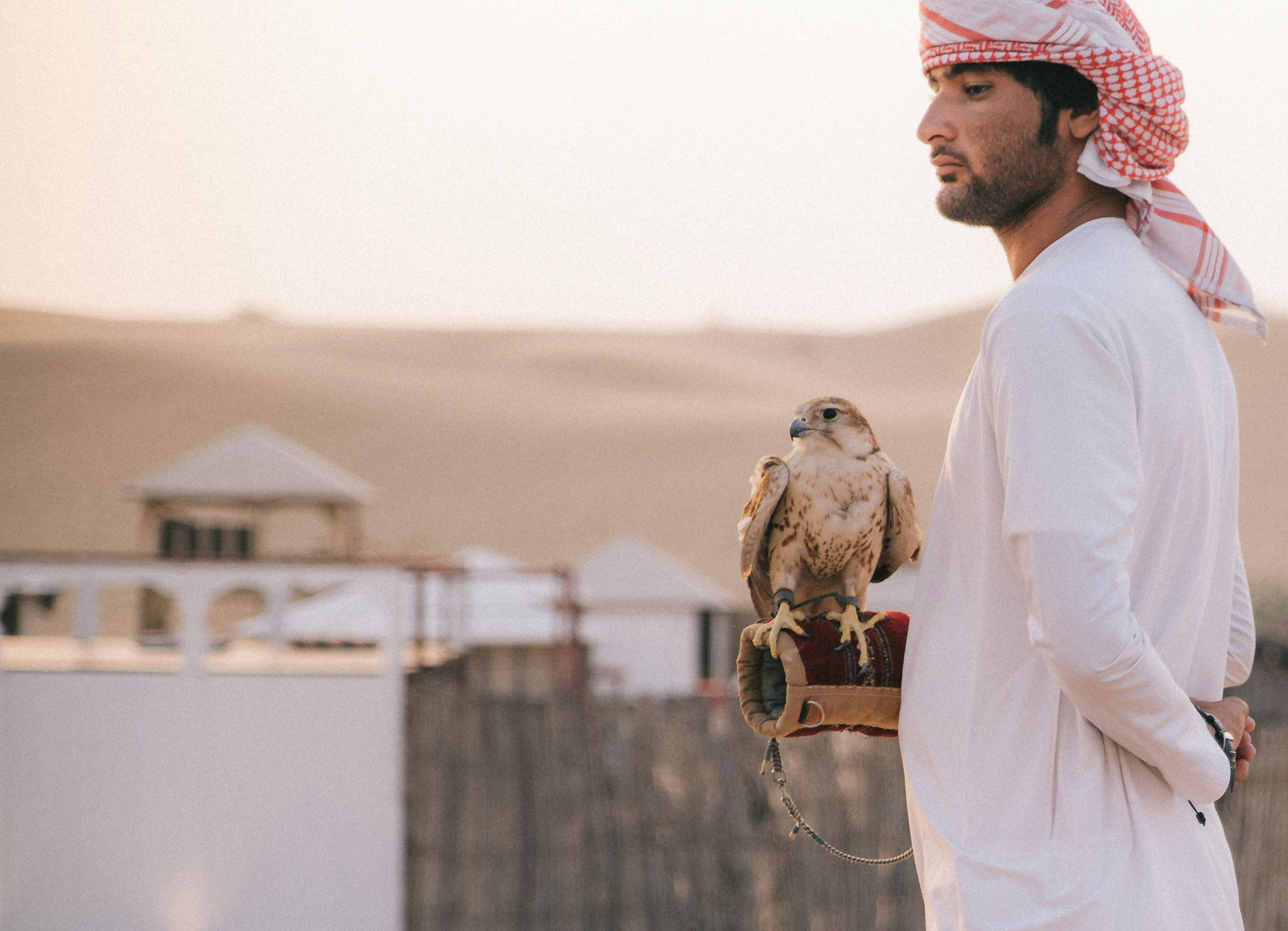
In many places you’ll visit as a tourist, the show centre also functions a bit like a small falconry museum – you’ll see equipment, traditional hoods (burqa), gloves and old photographs.
Falcons in the Emirates today – from desert to luxury hotels
Today, the phrase “falcons United Arab Emirates” is associated with three things at once: tradition, luxury and modernity.
For many locals, it is still an important part of their identity – a falcon as a “luxury bird” can be worth hundreds of thousands of dollars.
In Dubai, competitions are held in which the speed and precision of the birds’ flight are measured.
Falcons even have… their own documents.
Why do falcons have passports in the United Arab Emirates?
Because they often travel by plane to competitions and specialist clinics. A passport makes veterinary checks easier and proves the bird’s legal origin.
From a visitor’s point of view, falcons in Dubai mostly mean the chance to see up close something we usually only see in photos – and sometimes even a short, controlled “meeting” with a bird on a handler’s glove.
Where to see falconry in Dubai?
Where can you see falconry shows in Dubai?
If you type the phrase “falconry shows Dubai” into a search engine, you’ll most often come across:
Morning desert tours – often combined with dune bashing, breakfast and a visit to a traditional camp.
Luxury desert resorts – they organise intimate shows for their guests at sunrise or sunset.
Special falconry centres in Dubai – specialised educational centres where you can learn about the equipment, watch training flights and talk with falconers.
On many tours, organisers combine falconry with other desert experiences – for example, with a visit to a camp where you can meet camels. If you’re interested in the topic of animals while travelling, be sure to also check the article Where to see camels in Dubai.
To build a fuller plan, you can match a falconry trip with other attractions in Dubai – from Burj Khalifa to cruises around the Marina.
What does falcon training look like in Dubai?
What does falcon training look like in Dubai?
Professional falcon training in Dubai is a process that requires time, patience and a huge amount of trust between the bird and the falconer.
In simple terms, it looks like this:
the young bird learns that the human is a source of safety and food,
equipment is introduced step by step: hoods, glove, lure on a cord,
the bird practises returning to the glove and flying to a lure on a line,
over time – in controlled conditions – elements of hunting with a falcon are introduced.
The most commonly used species include the peregrine falcon, saker falcon and hybrids of these species – all of them are very well suited to flying over the desert.
For tourists, training is shown in a shortened, safe form – as an educational show, during which the guide explains Arab customs connected with the birds and the falcon performs a few spectacular flights.
Falconry in Arab culture – more than just a hobby
Why is falconry so important in Arab culture?
For people in the Emirates, it is not just a sport, but part of who they are as a nation:
it recalls the times when life depended on nature and human skills,
it symbolises qualities valued in a person: loyalty, courage, quick reactions,
it acts as a bridge between the modern city and the heritage of the desert.
That is why many schools and educational centres teach children about the role of falconry in the country’s history. The authorities emphasise that the Emirates and their cultural heritage go hand in hand with economic development.
Falcons and tourists – can you take part in shows?
Can tourists take part in falconry shows?
Yes – most desert tours include short falconry shows in Dubai, during which:
the guide talks about the history and meaning of the tradition,
the falcon demonstrates a few flight manoeuvres,
you can often put on the glove for a moment and take a photo with the bird.
It’s worth choosing operators who highlight animal welfare and work with specialists in birds of prey. If you’re interested in a responsible approach to animals, read the article Transporting animals to Dubai – you’ll find lots of practical rules there.
Well-organised tours show that falcons in Dubai can go hand in hand with education and nature conservation.
Falconry and other desert attractions
A falconry show combines perfectly with other activities:
dune bashing in a 4x4,
meeting camels,
dinner in a camp with traditional music,
stargazing away from the city lights.
This way, in a single evening you can touch several important elements of the culture – from falconry to Bedouin traditions of hospitality.
Frequently Asked Questions (FAQ)
1. What is falconry in Dubai?
It is the traditional art of training birds of prey to work with humans, originating from life in the desert. In Dubai it combines Bedouin tradition, a modern sport and a tourist attraction that you can mainly see on desert tours.
2. Why is falconry so important in Arab culture?
Because for centuries it helped people survive in the harsh conditions of the desert and became a symbol of qualities valued in Arab culture – courage, loyalty and honour. Today it is part of the national identity and an officially recognised element of heritage.
3. Where can you see falconry shows in Dubai?
The easiest places are desert excursions (morning or evening), luxury desert resorts and specialised educational centres that function like small falconry museums. Programmes often combine the show with dinner, dune bashing or a visit to camels.
4. What does the falcon symbolise in the culture of the United Arab Emirates?
The falcon is a symbol of the Emirates – it appears on the national emblem, on coins and in the names of institutions. It stands for strength, freedom and alertness. Many families treat owning a falcon as a matter of prestige, and the best-trained birds are extremely valuable.
5. Is falconry protected by UNESCO?
Yes, the practice of falconry – including that in the Emirates – has been inscribed on UNESCO’s Intangible Cultural Heritage list. This means that the states involved have committed to preserving this tradition, promoting education and protecting the birds themselves.
6. Why do falcons have passports in the United Arab Emirates?
Because they often travel by plane to competitions, training centres or clinics. Special “passports” confirm the bird’s identity, health status and legal origin, making it easier to cross borders and protecting the birds from illegal trade.