
Guide
24/06/2026
Mezze – what it is and how to order Arabic starters
Copy link

Ewelina Winiarczyk
26 May 2026
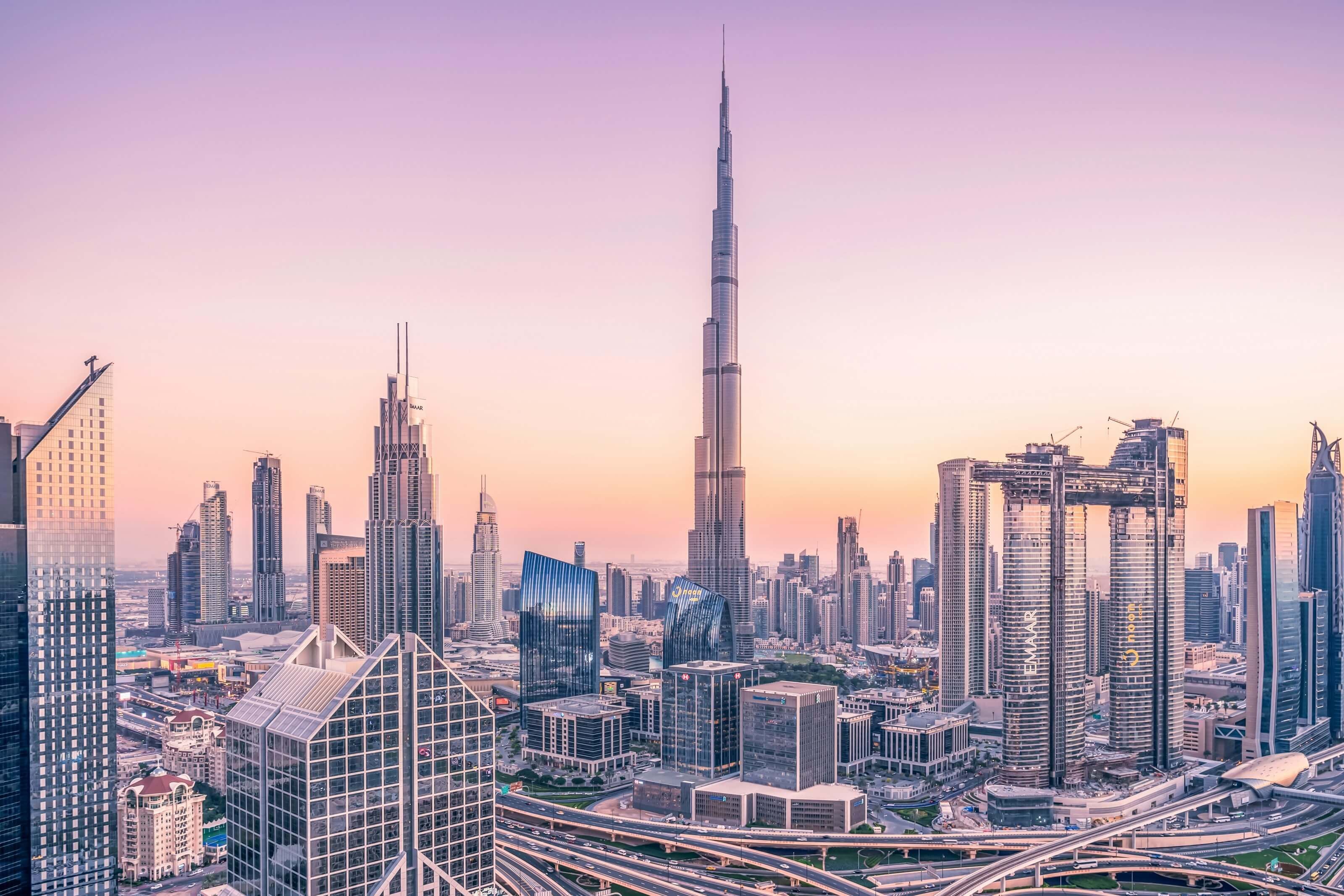
Just a few years ago, many investors viewed Dubai primarily as a tourist destination. Today, the Dubai real estate market is one of the most closely analyzed segments of the global investment market. This is driven by local factors such as the absence of personal income tax and stable economic policies. As a result, Dubai is increasingly mentioned by investors as a safe haven for capital from around the world.
Looking at the Dubai real estate market as a whole, it is clear that recent years have brought dynamic growth. In 2023 and 2024, we observed record transaction volumes, and real estate prices rose at a rate that exceeded 15-20% annually in some districts.
However, 2026 brings a shift in dynamics. Data published by the Dubai Land Department shows that while demand remains high, the growth rate is beginning to stabilize. In some market segments, there has even been a slight decline in the number of transactions, which does not signal a collapse but rather a natural cooling-off period following a period of intense expansion.
Forecasting real estate prices in Dubai in 2026 requires considering several scenarios. The most realistic one assumes moderate price growth or stabilization, particularly in prime locations.
An analysis of prices per square meter shows that:
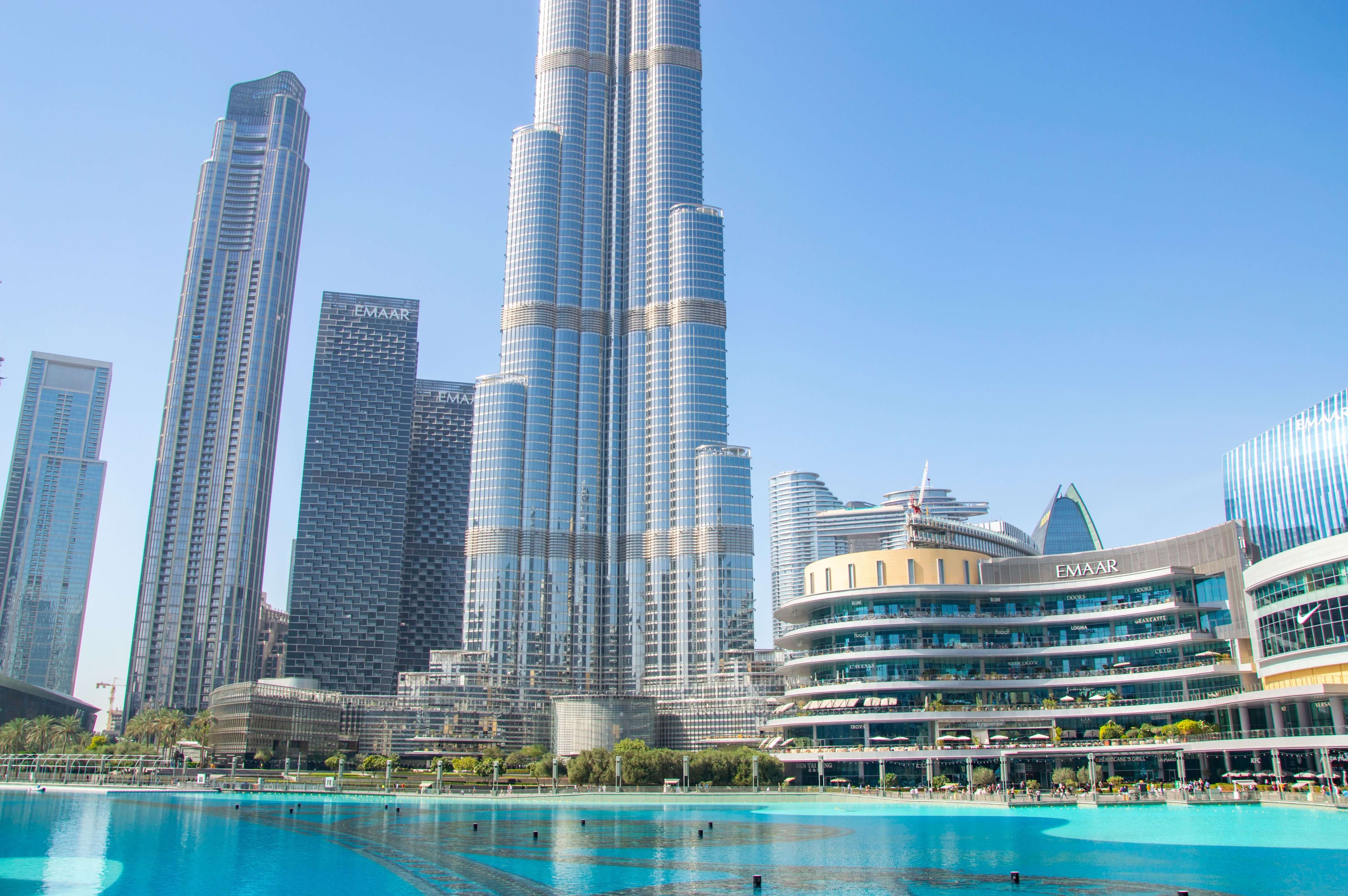
When comparing prices in Palm vs. Downtown vs. JVC, the differences are significant. Palm Jumeirah remains a symbol of luxury and limited supply, which protects prices from declines. Downtown and Business Bay offer a balance between prestige and affordability, while JVC attracts investors seeking a lower entry threshold and higher rental yields.
The pessimistic scenario assumes that the prolonged conflict in the region and airspace restrictions could lead to a decline in tourist numbers and thus reduce the profitability of short-term rentals. In such a case, a short-term price decline in selected market segments is possible.
On the other hand, the base-case scenario indicates that Dubai will remain one of the world’s most important investment hubs, and real estate prices will grow at a rate of several percent annually.
Choosing a location is a key element of any investment. In 2026, investors will most often focus on several areas:
Palm Jumeirah - limited supply, high standards, and strong demand among affluent investors. This is a market for those seeking prestigious assets and long-term value appreciation.
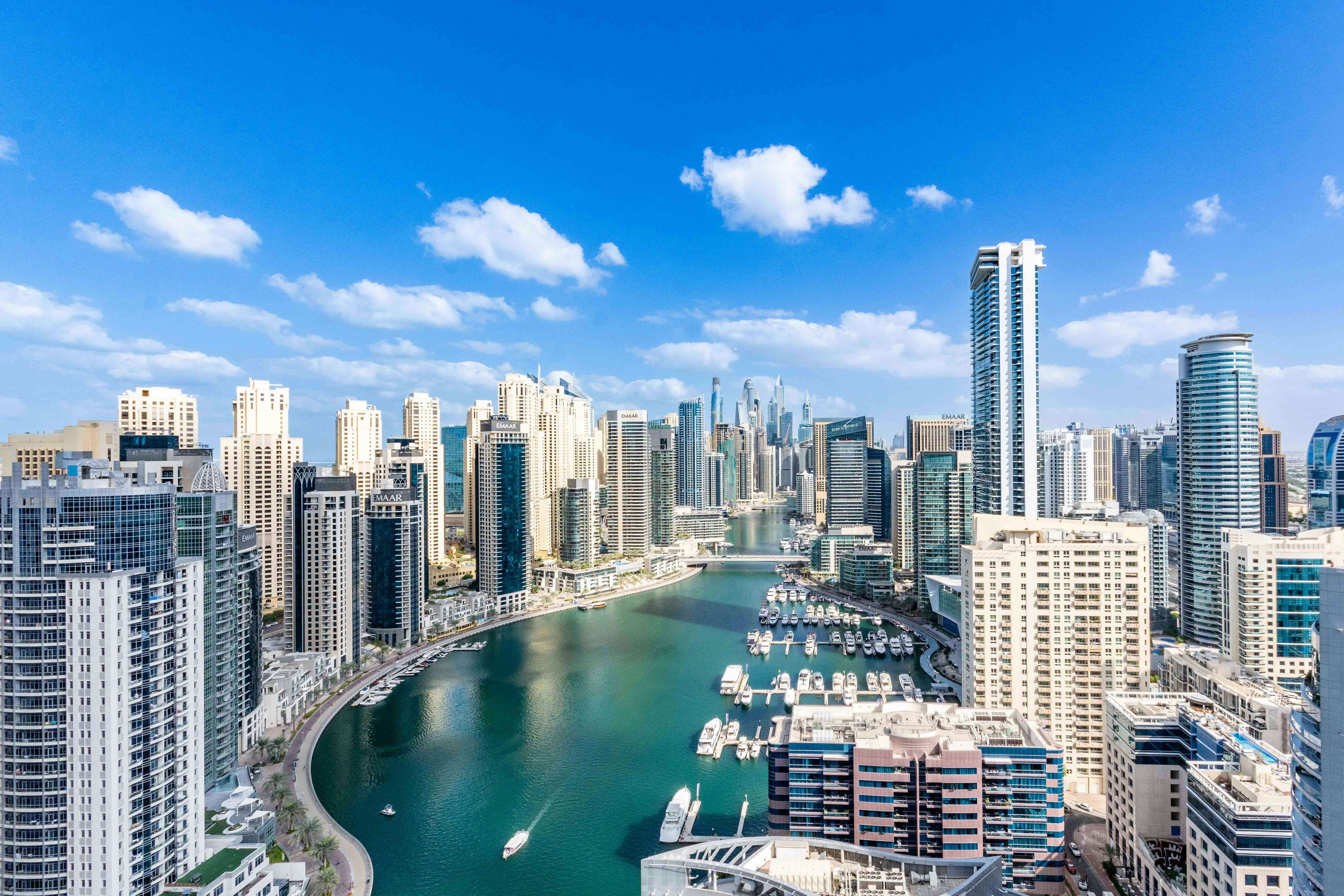
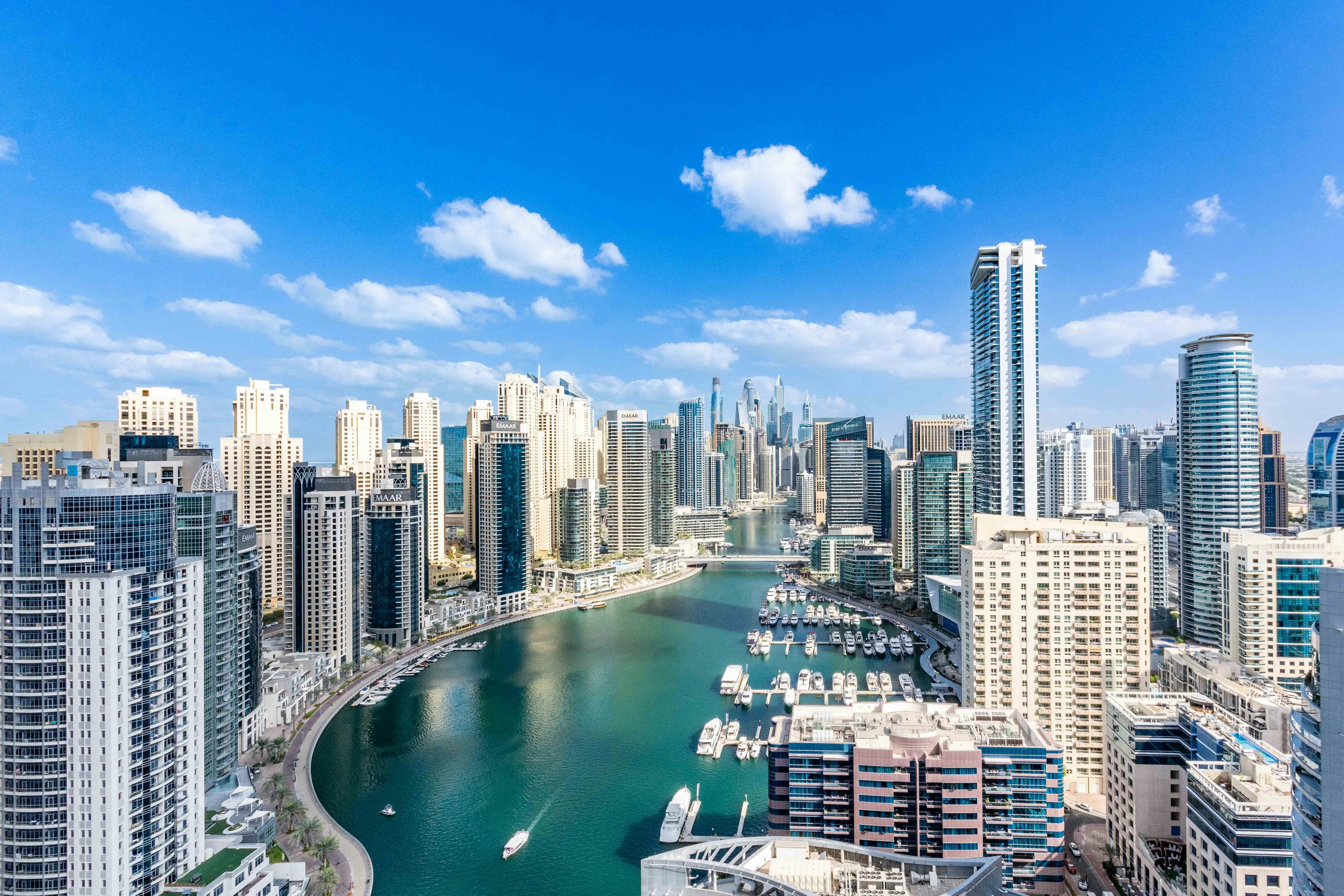
Dubai Marina - one of the most recognizable locations in Dubai, particularly popular among expats and tourists. It offers excellent infrastructure, beach access, and very high demand for short-term rentals, making it attractive to investors focused on regular returns.
Downtown Dubai - the city center, close to attractions and with high demand for short-term rentals. An ideal place for investors focused on quick returns.
Business Bay - a rapidly developing business district offering a wide range of property types and a good price-to-potential ratio.
Jumeirah Village Circle (JVC) - one of the fastest-growing areas, where property prices are more affordable and rental demand is rising alongside the influx of expats.
It’s also worth paying attention to new development projects, which often offer attractive purchase terms directly from the developer, including flexible payment schedules.
The secondary and primary markets differ not only in price but also in investment strategy.
The primary market attracts investors with the opportunity to purchase properties during the construction phase, often at a lower price and with the potential for value appreciation even before the project is completed.
In contrast, the secondary market provides access to ready-to-move-in apartments that can be rented out immediately to generate income. In the current climate, many owners are choosing to sell their properties at a profit, which increases the availability of listings and drives price competitiveness.
Data on demand for UAE real estate clearly indicates that interest in the market remains high. Investors from Europe, Asia, and the Americas view Dubai as an alternative to unstable financial markets or stock exchanges.
The growing number of residents, infrastructure development, and investments in new technologies, including mobility and transportation solutions (e.g., autonomous vehicles and flying taxis) - further enhance the city’s appeal.
This is one of the most important questions investors ask themselves.
On the one hand, Dubai offers:
On the other hand, one must consider the risks associated with the geopolitical situation, possible price fluctuations, and the growing supply of new investments.
The decision to purchase real estate should be preceded by a thorough analysis of the location, property type, and investment strategy, whether the goal is rental income or long-term asset appreciation.
The Dubai real estate market in 2026 is entering a phase of greater maturity. Following a period of dynamic growth, we are seeing stabilization, which is a positive sign for many investors. Despite geopolitical tensions in the Middle East, Dubai remains one of the most attractive places in the world to invest in real estate. Security, market transparency, and the inflow of global capital are key factors here.
Is this a good time to invest? Yes, but only with a well-informed approach, risk analysis, and the selection of the right location. In the current climate, the highest returns are achieved not by those who act on emotion, but by those who understand the market structure and can adapt their strategy to changing conditions.
1. Is 2026 a good time to buy real estate in Dubai?
Yes, but under certain conditions. The real estate market in Dubai is in a stabilization phase following the dynamic growth of recent years. This means more opportunities for negotiation and a wider selection of offers, especially in the secondary market. At the same time, the geopolitical situation in the region introduces an element of uncertainty, so the decision to purchase real estate should be based on an analysis of the specific location, property type, and strategy (rental vs. long-term investment).
2. Could real estate prices in Dubai fall in 2026?
A local decline in prices is possible in selected market segments, particularly where the supply of new projects is highest. However, overall, the baseline scenario assumes rather stabilization or moderate growth in real estate prices in Dubai. Any declines are likely to be short-term and result mainly from external factors, such as regional tensions or changes in tourist traffic.
3. Which is more profitable in 2026 - short-term or long-term rentals?
Short-term rentals may still generate higher returns, particularly in central locations and near tourist attractions. However, given the current situation (including airspace restrictions and potential fluctuations in tourist numbers), an increasing number of investors are considering long-term rentals as a more stable and less risky option.
The choice therefore depends on your risk tolerance and investment model.
See other news
24/06/2026
Mezze – what it is and how to order Arabic starters

24/06/2026
Hatta – a mountain retreat from the heat in the Emirate of Dubai

23/06/2026
KidZania Dubai – a career-themed town for children
23/06/2026
Dubai in summer – is it worth visiting in June, July and August?
23/06/2026
Dubai Marina Walk – a waterfront promenade
23/06/2026
Armaf – a review of the Arabic perfume brand

20/06/2026
Luqaimat - sweet balls, a traditional UAE dessert you have to try
20/06/2026
What to do in Dubai during a heat wave? Top air-conditioned attractions
19/06/2026
Oman or the UAE—which destination should you choose?
19/06/2026
Etihad Airways – a guide to the Abu Dhabi-Based Airline