
Guide
24/06/2026
Meet Ski Dubai, or the ski slope in Dubai
Copy link

TwoContinents
26 May 2026
Until recently, a trip to Dubai was synonymous with luxury, stability, and a sense of complete safety. Today, however, amid growing geopolitical tensions in the Middle East, more and more people are asking themselves one key question: does travel insurance covering armed conflict in Dubai actually work and provide real protection?
Standard travel insurance very rarely covers damages resulting from acts of war or armed conflicts. In most cases, the general terms and conditions of insurance include a provision stating that the insurer’s liability is excluded if the damage resulted from armed conflict or other extraordinary circumstances.
This means that if a conflict in the United Arab Emirates were to escalate during your stay, standard travel insurance policies may not provide full coverage.
But there are exceptions.
Some companies offer extensions that include so-called war coverage.
In such cases:
The key factor is the time the policy was purchased. If the conflict was already foreseeable (e.g., there was a Ministry of Foreign Affairs alert), the insurer may refuse to pay.
Extended Middle East assistance insurance is one of the most important elements of a policy today.
In practice, this means that:
Importantly, for those staying in a region affected by unrest, special liability limits and a specific limit on the indicated benefit often apply.
The second key issue concerns compensation for a canceled trip to Dubai, and here the situation becomes much more complicated. Many people wonder if they can get their money back if they cancel their trip. In practice, standard travel insurance covers trip cancellation costs only in strictly defined cases, such as illness, an accident, or the death of a loved one. Unfortunately, armed conflict is not always considered a sufficient reason to cancel a trip.
For this reason, policy extensions covering extraordinary circumstances including situations such as airport closures, airspace closures, or major disruptions to air traffic are becoming increasingly important. This means that if the airline itself cancels the flight, the passenger is entitled to a refund or a rebooking. The situation is similar with travel agencies: if a tour is canceled, the customer is entitled to a refund. However, in a scenario where you cancel the trip yourself “just in case,” insurance will very often not cover the costs incurred.
Given the current situation in the Middle East, air traffic disruptions such as flight cancellations or rescheduling, travel delays, or sudden changes in airspace resulting from operational decisions and safety considerations are becoming increasingly common. For travelers, this means greater unpredictability and the need to prepare for various scenarios even before departure.
A well-structured travel insurance policy can provide real help in such cases - primarily by covering the costs of additional accommodation if the trip is extended, reimbursing expenses for basic necessities such as food and hygiene products, and providing support for transit passengers stranded at a connecting airport. In practice, it is these elements that determine the comfort and safety of travel in crisis situations.
However, it is worth carefully checking the scope of coverage, as not every policy covers all possible events. Particular attention should be paid to provisions regarding flight postponements due to military actions, significant travel delays caused by cancellations or operational disruptions, as well as situations where a flight cannot take place precisely because of a conflict. These details often determine whether the insurance will actually work in practice.
The significance of Ministry of Foreign Affairs advisories in the context of travel insurance is immense. If an official warning regarding a threat in a given region is issued before departure, the insurer may limit the scope of coverage or deem that the trip was undertaken despite awareness of the risk. This means that any claims may be rejected or significantly reduced. Therefore, before every trip, it’s worth regularly checking the latest announcements, especially if Dubai is your destination
If you’re planning a trip to Dubai under the current circumstances, it’s crucial to:
Travel insurance may cover you if you have an extended policy and the armed conflict began only after you purchased it. Similarly, in situations such as delays, the need for medical treatment, or evacuation - here, coverage typically includes practical support.
However, a problem arises when you voluntarily cancel your trip without a clear basis specified in the General Terms and Conditions; in such a case, the insurance may not always apply. An even greater risk exists if you decide to travel despite official warnings and without the appropriate coverage extensions; in that case, the coverage may not apply at all.
In practice, this means that travel insurance covering armed conflict in Dubai can be effective, but only if it was carefully selected and purchased with full awareness. In today’s reality, where the geopolitical situation can change very rapidly, a policy ceases to be merely a formality and becomes real protection against costs that can reach tens of thousands of zlotys. In a region like the Middle East, it is often this very factor that determines whether a trip will remain a peaceful experience or turn into a serious financial problem.
The Two Continents website offers many other useful articles to help you organize your trip to Dubai.
1. Does standard travel insurance cover armed conflict in Dubai?
No, most standard policies do not cover damages resulting from acts of war. To have real protection, it is necessary to add so-called war insurance or choose a plan that includes armed conflict in the general terms and conditions of coverage.
2. Will I get a refund if I cancel my trip to Dubai due to a tense situation?
It depends on the reason for the cancellation. If you cancel “as a precaution,” the insurance will usually not cover the costs. A refund is possible when specific conditions outlined in the policy apply, such as illness, an accident, or an official flight cancellation by the airline or travel agency.
3. What happens if I get stuck in Dubai due to airspace closure?
In many cases, insurance coverage is automatically extended until you return to your country of residence. A good policy can cover additional costs, such as lodging, groceries, or basic necessities during a travel delay.
See other news
24/06/2026
Meet Ski Dubai, or the ski slope in Dubai

24/06/2026
Deira Perfume Souk guide: where to find the best fragrances?

24/06/2026
Visiting Dubai with a child – what are the best attractions to choose?
24/06/2026
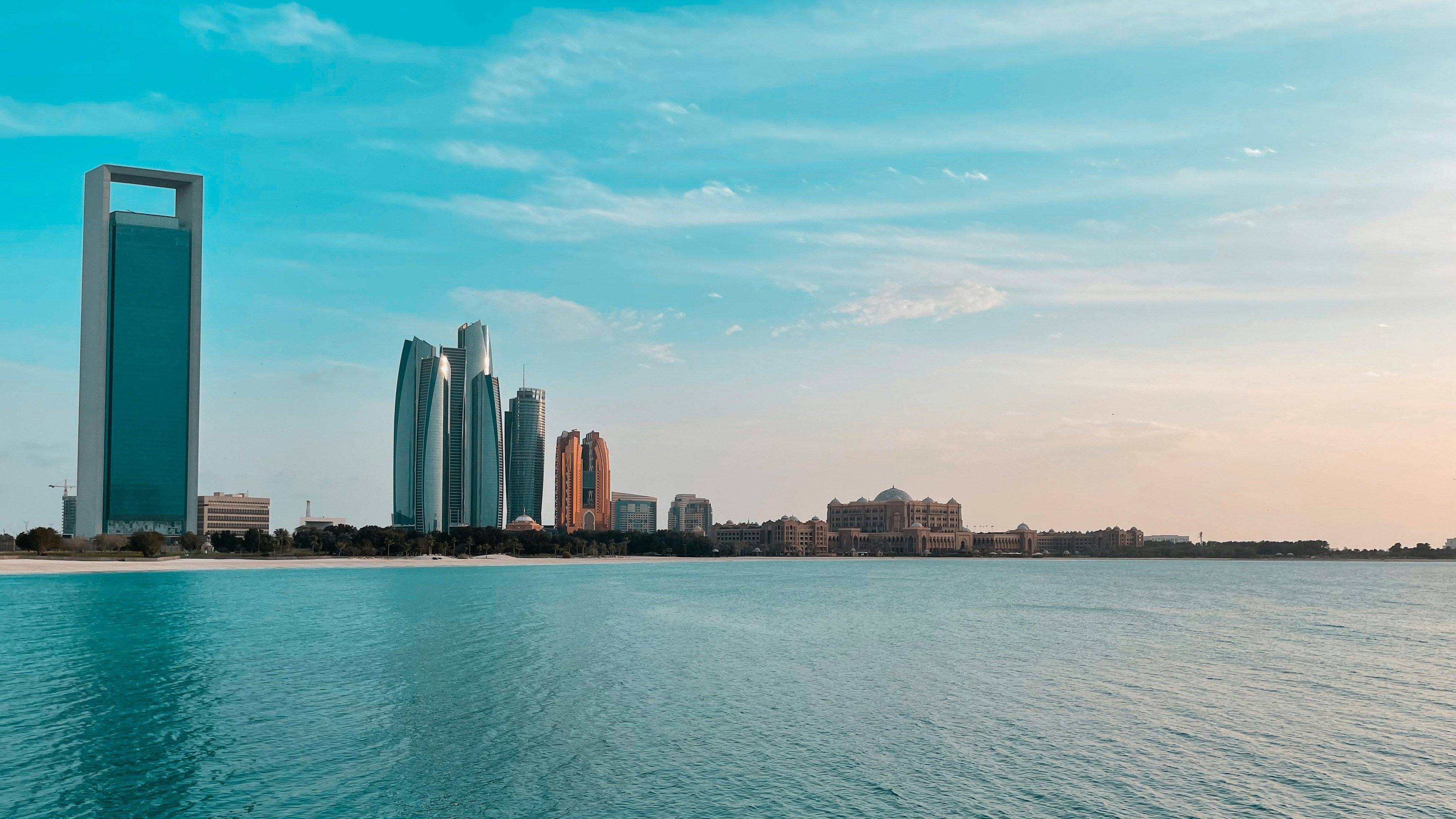
Abu Dhabi – the best attractions. TOP 30 places worth seeing in the UAE capital

24/06/2026
Mezze – what it is and how to order Arabic starters

24/06/2026
Hatta – a mountain retreat from the heat in the Emirate of Dubai

23/06/2026
KidZania Dubai – a career-themed town for children

23/06/2026
Dubai in summer – is it worth visiting in June, July and August?
23/06/2026
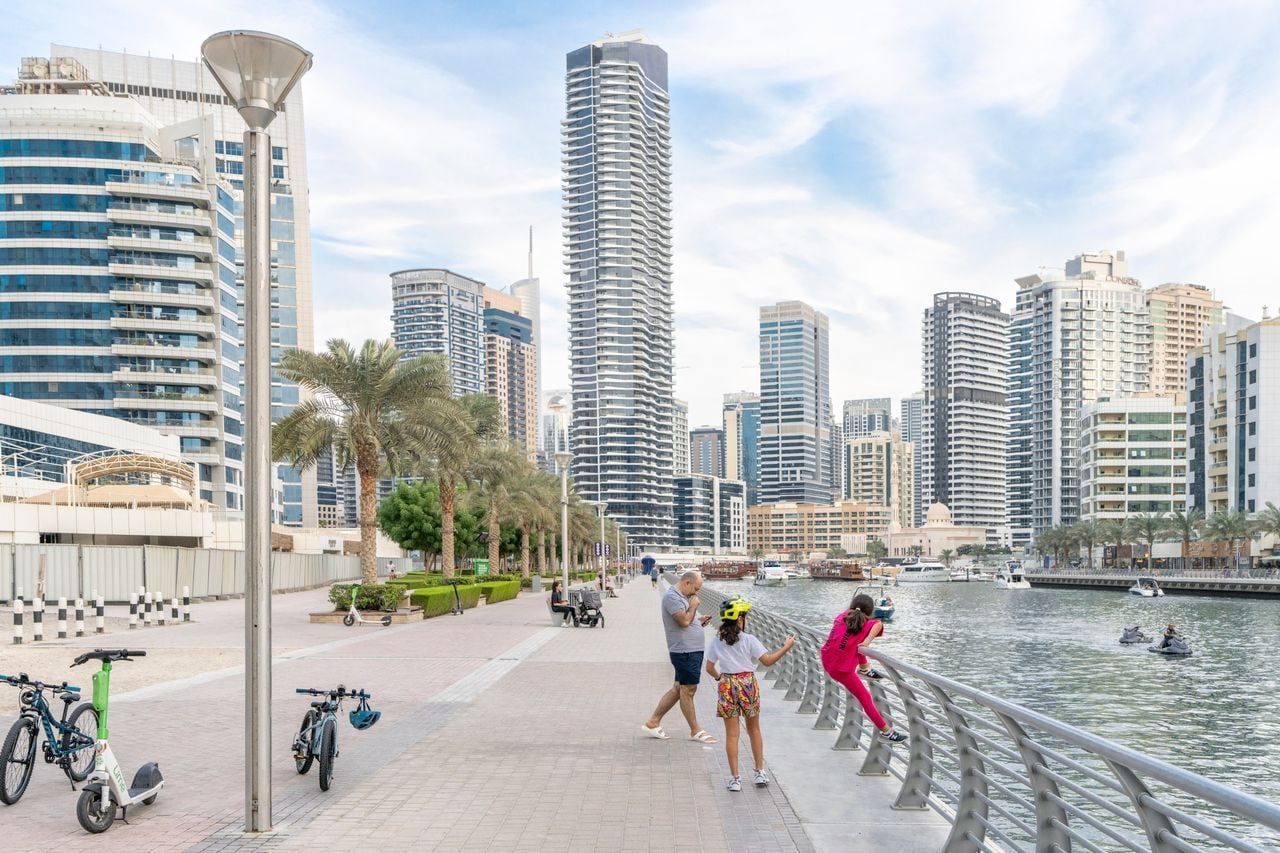
Dubai Marina Walk – a waterfront promenade

23/06/2026
Armaf – a review of the Arabic perfume brand