
Guide
24/06/2026
Mezze – what it is and how to order Arabic starters
Copy link

Ewelina Winiarczyk
26 May 2026
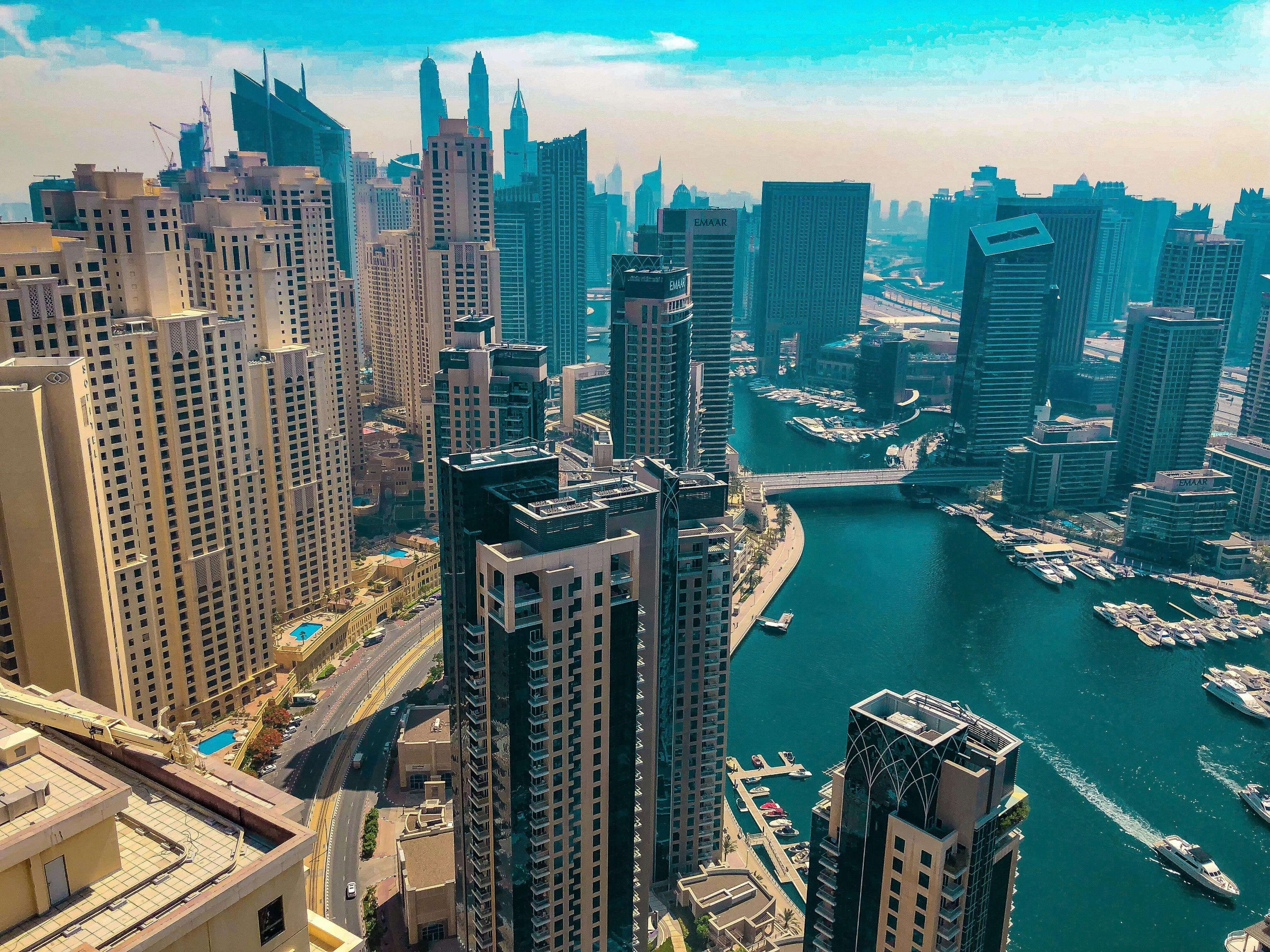
Dubai’s real estate market has been attracting investors from around the world for years. The city’s dynamic growth, the absence of personal income tax, and its high growth potential mean that more and more people are choosing to buy property here. However, before you decide to invest, one thing is crucial: verifying the developer in Dubai. It’s not just about formalities. It’s about the safety of your money, avoiding legal issues, and realistically assessing potential returns.
The process of verifying a developer in Dubai is not complicated, but it requires knowledge of several key institutions and mechanisms that protect investors. The first step should be to check whether the project in question has been registered with the Dubai Land Department. This institution is responsible for registering all investments, maintaining the land registry, and formally transferring property ownership. If the project does not appear in the system, you should exercise extreme caution, as this may indicate potential legal issues.
The next step is verification with the Real Estate Regulatory Agency, a unit operating under the Dubai Land Department that is responsible for overseeing the real estate market. The Real Estate Regulatory Agency monitors developers’ activities, oversees the payment schedule, and ensures that investors’ funds are deposited into escrow accounts. It is precisely this mechanism that effectively protects buyers, especially in the case of off-plan investments.
In practice, an increasing number of investors are also using tools such as RAKEED, which allows for the analysis of a specific project, its status, and the progress of work. This is an extremely useful solution, especially if you are interested in properties in Dubai on the primary market. It is worth remembering that verifying a developer should not be limited to a single source; the more information you gather, the better.
The developer’s own experience is also significant. Developers in Dubai vary in the scale of their operations, reputation, and the quality of their projects. Companies with many years of experience and an established market position typically offer greater investment security, which is particularly important for foreign investors who are unfamiliar with local conditions. It is worth analyzing previous projects, checking whether they were completed on time, and assessing their quality after the property is handed over.
Although Dubai is considered a safe market, you can never be too careful. One of the main reasons for investors’ problems is a lack of thorough document review and placing too much trust in agents. You should ensure that the developer in Dubai is legitimate, operates in accordance with applicable regulations, and that the project is located in designated zones where foreigners are permitted to purchase real estate.
Particular attention should be paid to the sales contract, which outlines the obligations of both parties, the payment schedule, and any potential contractual penalties.
In many cases, investors overlook the details of the terms, which later leads to unpleasant surprises, especially in the event of delays or changes to the project. Therefore, working with a lawyer specializing in real estate in the UAE is often the best solution.
It is also worth checking whether the property is encumbered by a mortgage and whether all payments are deposited into escrow accounts. This is one of the most important elements of investor protection, significantly reducing the risk of abuse by the developer.
One of the greatest strengths of the real estate market in Dubai is its transparency and well-developed buyer protection system. Thanks to regulations introduced by the Real Estate Regulatory Agency, investors have access to tools that genuinely enhance the security of their investments.
Every project must have an escrow account, which means that funds paid by buyers are used exclusively for the implementation of a specific project. The developer cannot freely dispose of these funds, which significantly reduces the risk of default on the investment.
In the event of disputes, investors can count on the support of government institutions and a legal system tailored to the specifics of the real estate market. This is particularly important for individuals outside the UAE who lack experience with local procedures.
RERA guarantees are not just a formality, but a real tool for investor protection. The Regulatory Agency monitors every stage of the investment process, from project registration, through property sales, to the handover of keys. This makes it possible to monitor the progress of work on an ongoing basis and respond to any irregularities.
In practice, this means that investors have access to information about the project’s status, can check the payment schedule, and ensure that all of the developer’s actions comply with local regulations. This is particularly important for off-plan investments, where the risk is naturally higher.
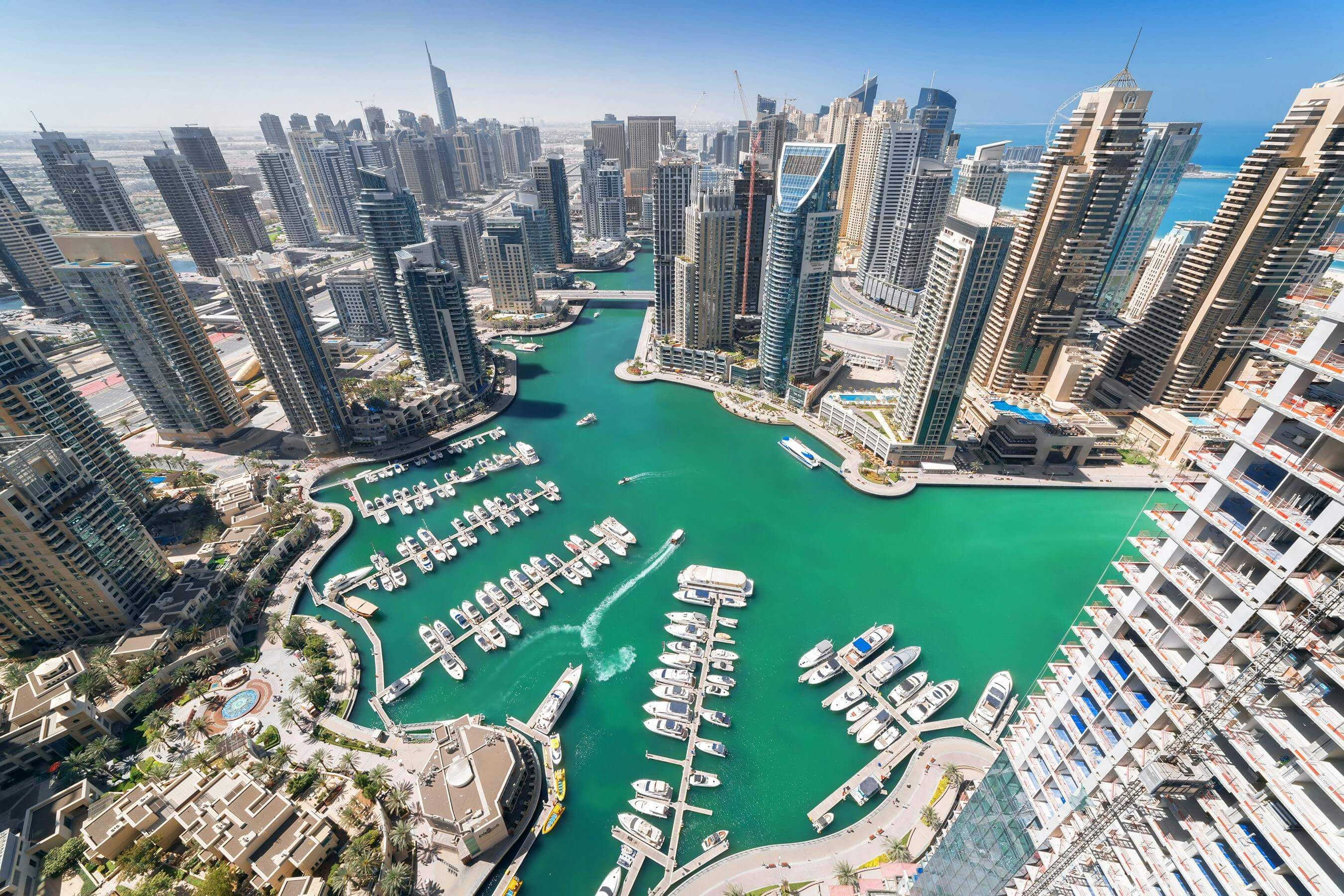
The process of purchasing property in Dubai is relatively straightforward, but requires familiarity with a few key steps. It all starts with selecting a developer and a specific project that meets your expectations in terms of location, property type, and potential returns. Popular areas, such as Dubai Marina or Business Bay, attract investors due to their high potential for property value appreciation and appeal to tenants.
The next step is the reservation fee, which typically ranges from 5 to 10 percent of the property’s value. This is followed by the signing of the contract, i.e., the formal conclusion of the purchase and sale agreement. This document specifies all terms of the transaction, including the payment schedule, administrative fees, and rules regarding the transfer of ownership.
During the project’s implementation, the investor makes subsequent payments according to the agreed schedule. Upon completion of construction, the property is handed over and the keys are received, which should be preceded by a thorough inspection of the property’s technical condition. The final stage is the registration of ownership with the Dubai Land Department, which formally confirms the owner’s rights.
When deciding to purchase real estate in Dubai, one must consider not only the price of the property itself but also additional costs. Among the most important are registration fees, which amount to approximately 4 percent of the property’s value, as well as maintenance fees related to the upkeep of the building and common areas.
It is also worth considering financing options, such as a mortgage, which is available to foreigners in the UAE. Depending on your investment strategy, the property can be used for short-term or long-term rentals, which affects potential returns and how the property is managed.
Purchasing real estate in Dubai can be one of the best investment decisions, provided it is preceded by thorough analysis and proper preparation. The developer and their verification are of key importance here, as this helps avoid legal issues, unforeseen costs, and failed investments.
An informed investor is one who does not act on emotion but bases their decisions on reliable data, market knowledge, and collaboration with experienced specialists. If you approach the process with due diligence, Dubai may prove to be a place not only to live but, above all, to build a stable and profitable investment portfolio.
1. How can I verify if a developer in Dubai is reliable?
It’s best to start by checking with the Dubai Land Department and the Real Estate Regulatory Agency, where you can verify the developer’s license and the project’s status. It’s also worth analyzing previous projects, customer reviews, and ensuring that the investment has an escrow account.
2. Is buying real estate in Dubai safe for foreigners?
Yes, provided you invest in a property located in designated zones and thoroughly verify all aspects of the investment beforehand. The market is strictly regulated, and institutions such as RERA provide effective investor protection mechanisms.
3. What should you be most careful about when buying property in Dubai?
The most common mistakes include failing to thoroughly review the purchase agreement, overlooking additional costs, and trusting unvetted agents. It is always advisable to consult a lawyer and thoroughly vet the developer before signing the contract.
See other news
24/06/2026
Mezze – what it is and how to order Arabic starters
24/06/2026
Hatta – a mountain retreat from the heat in the Emirate of Dubai

23/06/2026
KidZania Dubai – a career-themed town for children
23/06/2026
Dubai in summer – is it worth visiting in June, July and August?
23/06/2026
Dubai Marina Walk – a waterfront promenade

23/06/2026
Armaf – a review of the Arabic perfume brand

20/06/2026
Luqaimat - sweet balls, a traditional UAE dessert you have to try
20/06/2026
What to do in Dubai during a heat wave? Top air-conditioned attractions
19/06/2026
Oman or the UAE—which destination should you choose?

19/06/2026
Etihad Airways – a guide to the Abu Dhabi-Based Airline