
News
15/06/2026
Największy hotel w Polsce w końcu się otworzył
Kopiuj link

Ewelina Winiarczyk
26 marca 2026
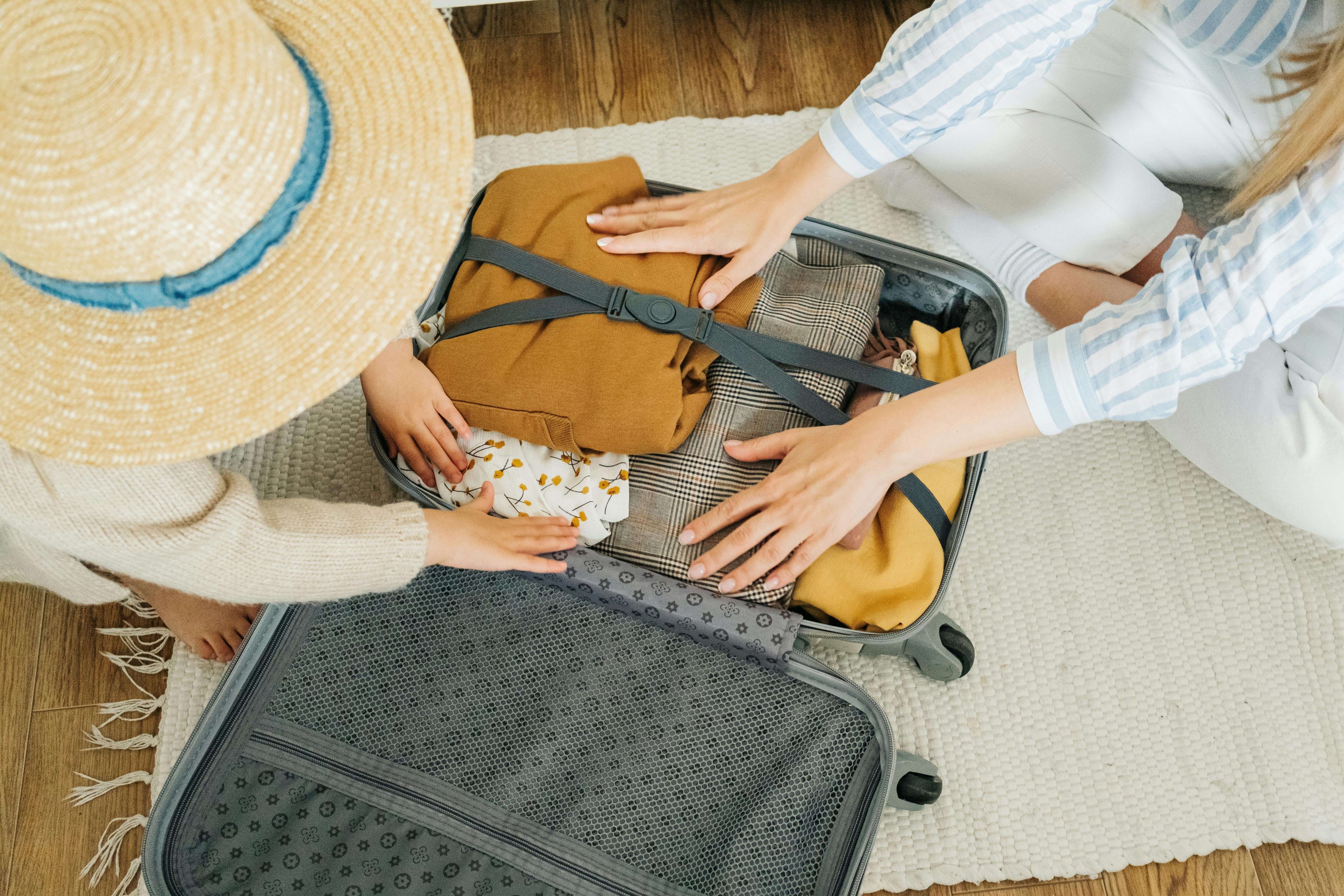
Podróż samolotem może być wygodna i szybka, ale wielu pasażerów dopiero na lotnisku odkrywa, że ich walizka waży zbyt dużo. W efekcie pojawia się nadbagaż, a wraz z nim wysokie opłaty. W praktyce oznacza to konieczność zapłacenia dodatkowych pieniędzy już przy odprawie lub przy bramce. Na szczęście istnieje kilka sprawdzonych sposobów, dzięki którym można uniknąć dopłaty za nadbagaż na lotnisku. Wystarczy dobrze zrozumieć limity bagażowe, sprawdzić zasady przewozu bagażu danego przewoźnika oraz odpowiednio przygotować się do pakowania przed podróżą.
Najczęstszą przyczyną dodatkowych kosztów jest przekroczenie dopuszczalnego limitu wagi lub wymiarów bagażu podręcznego. Warto wiedzieć, że w różnych liniach lotniczych obowiązują inne limity bagażowe, dlatego przed podróżą trzeba sprawdzić dokładne wymagania.
W przypadku tanich linii lotniczych zasady są zwykle bardziej restrykcyjne niż u tradycyjnych przewoźników. Na przykład w liniach takich jak Ryanair czy Wizz Air podstawowa taryfa często obejmuje jedynie niewielki plecak, który musi zmieścić się pod siedzeniem. Dopiero większy bagaż podręczny czy bagaż rejestrowany oznacza dodatkową opłatę.
Aby uniknąć dodatkowych kosztów, warto pamiętać o kilku zasadach:
W wielu przypadkach dopłata przy check-in może być nawet kilkukrotnie wyższa niż wcześniejsze dokupienie bagażu online.
Jednym z najważniejszych elementów jest efektywne pakowanie. Właściwa organizacja walizki pozwala zmieścić wszystkie niezbędne rzeczy, a jednocześnie nie przekroczyć standardowego limitu.
Najlepiej zważyć bagaż jeszcze w domu. Waga walizki przed lotem pozwala uniknąć stresu podczas kontroli wagi na lotnisku. Wystarczy prosta waga, aby upewnić się, że bagaż nie przekracza dopuszczalnego poziomu.
Należy pamiętać, że nawet jeden dodatkowy kilogram może spowodować konieczność zapłaty.
Dobrze zaplanowany proces pakowania pozwala znacząco ograniczyć wagę bagażu. Pomagają w tym między innymi:
Podczas pakowania warto też zwrócić szczególną uwagę na to, co faktycznie będzie potrzebne w czasie wyjazdu.
To jedna z najprostszych metod, aby zmniejszyć wagę walizki. Jeśli zabierasz grube kurtki, bluzy czy ciężkie buty, możesz je założyć na pokład samolotu. Dzięki temu nie zwiększają one wagi bagażu. Część drobnych przedmiotów można również schować do kieszeni.
Tak i jest to jeden z najprostszych oraz najskuteczniejszych sposobów na uniknięcie dodatkowych opłat na lotnisku. Większość linii lotniczych umożliwia dokupienie dodatkowego bagażu za pomocą strony internetowej przewoźnika lub jego aplikacji mobilnej. Warto skorzystać z tej opcji, ponieważ ceny bagażu kupionego z wyprzedzeniem są zazwyczaj niższe niż opłaty naliczane już na lotnisku.
Dlatego jeśli masz jakiekolwiek wątpliwości co do wagi lub liczby swoich walizek, znacznie bezpieczniejszym rozwiązaniem jest wcześniejsze dokupienie dodatkowego miejsca w luku bagażowym. Dzięki temu unikniesz stresu na lotnisku, nieprzyjemnych niespodzianek podczas odprawy oraz znacznie wyższych opłat za nadbagaż.
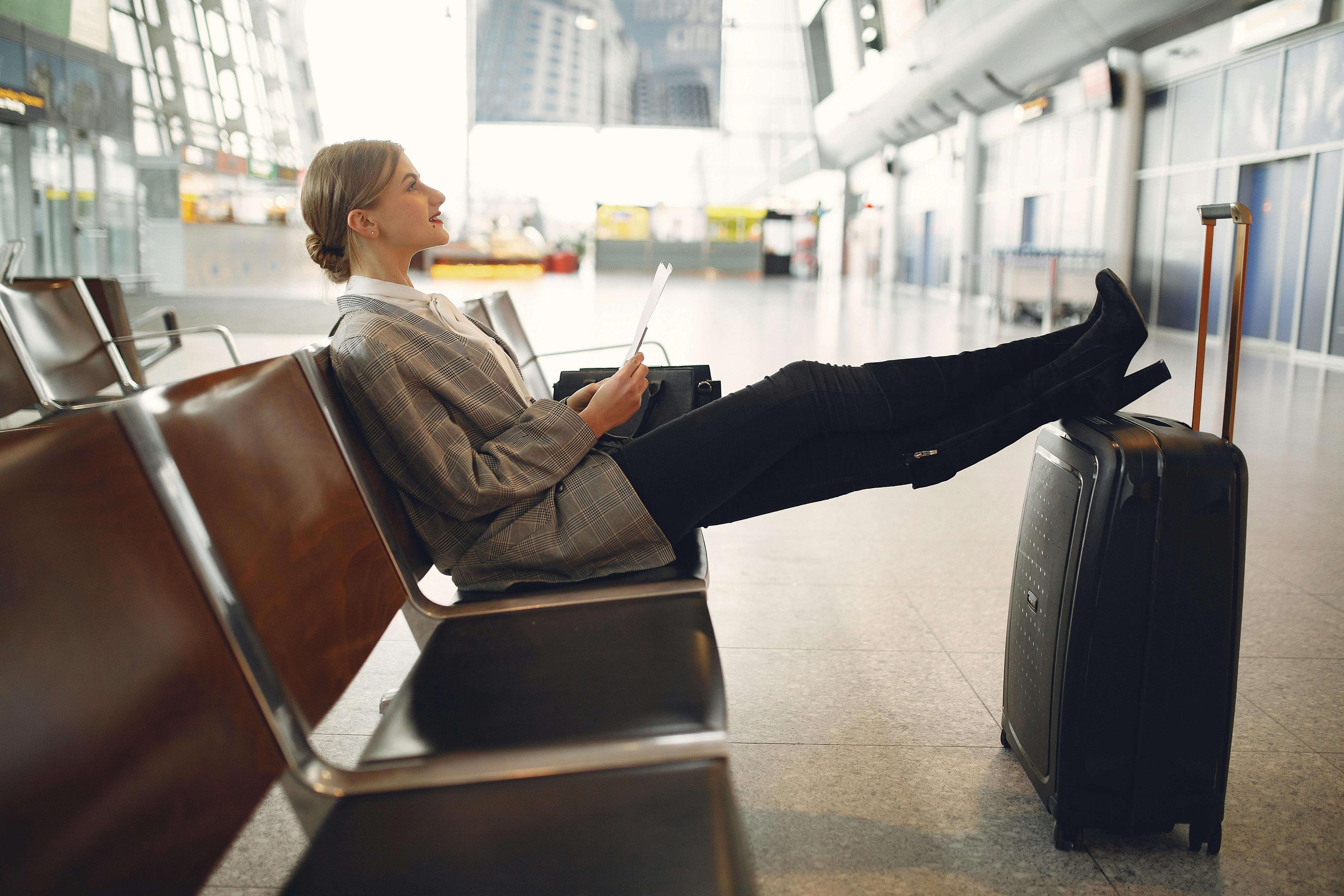
Podczas planowania lotu trzeba rozróżnić dwa podstawowe typy bagażu.
Bagaż podręczny
To bagaż, który zabierasz na pokład i trzymasz nad głową w schowku lub pod siedzeniem. W przypadku bagażu podręcznego obowiązują określone:
Zwykle można w nim przewozić dokumenty, paszport, ładowarki, elektronikę czy inne wartościowe przedmioty, które chcesz mieć w zasięgu ręki podczas czasu lotu.
Bagaż rejestrowany
To większa walizka oddawana przy odprawie i przewożona w luku bagażowego. W klasie ekonomicznej często obowiązuje:
Warto sprawdzić szczegóły u danego przewoźnika, ponieważ limity bagażowe mogą się znacząco różnić.
Na lotnisku pasażerowie bardzo często muszą dopłacać za bagaż, ponieważ nie zawsze dokładnie sprawdzają zasady obowiązujące w danej linii lotniczej. Regulaminy przewoźników mogą się między sobą różnić, a nawet niewielkie odstępstwo od określonych limitów potrafi skutkować dodatkowymi kosztami. Najczęściej dopłaty pojawiają się z kilku podstawowych powodów.
Przekroczenie wagi bagażu
Najczęstszym problemem jest przekroczenie dopuszczalnego limitu wagowego. Linie lotnicze bardzo dokładnie kontrolują wagę walizek podczas odprawy, a nawet niewielka różnica, na przykład jeden czy dwa kilogramy ponad limit, może oznaczać konieczność uiszczenia dodatkowej opłaty. W wielu przypadkach dopłaty naliczane są za każdy kolejny kilogram, co sprawia, że nadbagaż może okazać się kosztowny. Dlatego przed wyjazdem warto zważyć walizkę w domu i upewnić się, że mieści się ona w określonych limitach.
Zbyt duże wymiary torby
Kolejnym częstym powodem dopłat są zbyt duże wymiary torby lub walizki. Dotyczy to szczególnie bagażu podręcznego, który musi spełniać konkretne wymagania dotyczące długości, szerokości i wysokości. Jeśli torba okaże się zbyt duża i nie zmieści się w specjalnej ramce kontrolnej przy bramce, personel lotniska może nakazać nadanie jej jako bagażu rejestrowanego. W takiej sytuacji pasażer zazwyczaj musi zapłacić dodatkową opłatę, która bywa znacznie wyższa niż wcześniejsze wykupienie bagażu.
Dodatkowy bagaż
W przypadku tanich linii lotniczych zasady dotyczące bagażu są szczególnie restrykcyjne. W wielu taryfach pasażer może zabrać na pokład jedynie niewielki plecak lub małą torbę mieszczącą się pod siedzeniem. Każdy dodatkowy element, na przykład walizka kabinowa czy torba podróżna, oznacza konieczność wykupienia dodatkowej opcji bagażowej. Jeśli pasażer nie zrobi tego wcześniej online, opłata może zostać naliczona dopiero na lotnisku i być znacznie wyższa.
Specjalny sprzęt
Dodatkowe opłaty mogą pojawić się również wtedy, gdy podróżujemy ze specjalnym sprzętem. Wiele linii lotniczych pobiera osobne opłaty za bagaż sportowy lub niestandardowy. Dotyczy to między innymi nart, desek snowboardowych, sprzętu do nurkowania, rowerów czy dużych instrumentów muzycznych. Taki bagaż wymaga często specjalnego transportu oraz odpowiedniego zabezpieczenia, dlatego przewoźnicy traktują go jako oddzielną kategorię i naliczają dodatkowe koszty.
Na koniec warto zebrać najważniejsze praktyczne porady, które pomagają uniknąć dopłaty za nadbagaż na lotnisku:
Dzięki tym wskazówkom możesz znacząco ograniczyć ryzyko nadbagażu i uniknąć niepotrzebnych kosztów podczas podróży samolotem. Wystarczy odrobina planowania, znajomość zasad różnych linii lotniczych oraz rozsądne podejście do pakowania, aby podróż przebiegła bez stresu i bez dodatkowych opłat.
Wybierając się do Dubaju, najlepiej wcześniej zarezerwować nocleg oraz bilety do najbardziej popularnych miejsc.
1. Jak sprawdzić limit bagażu w mojej lini lotniczej?
Aby sprawdzić limit bagażu w swojej linii lotniczej, najlepiej wejść na oficjalną stronę przewoźnika i znaleźć zakładkę dotyczącą zasad bagażu. Informacje o dopuszczalnej wadze, wymiarach oraz liczbie sztuk bagażu można też znaleźć w szczegółach rezerwacji lub w potwierdzeniu biletu otrzymanym e-mailem. W razie wątpliwości warto również sprawdzić te dane w aplikacji mobilnej linii lotniczej lub skontaktować się z obsługą klienta.
2. Czy można przepakować walizkę na lotnisku?
Tak, na lotnisku można przepakować walizkę, jeśli okaże się, że przekracza ona dopuszczalny limit wagi. W takiej sytuacji pasażerowie często przekładają część rzeczy do bagażu podręcznego jeszcze przed odprawą.
3. Czy taniej jest dokupić bagaż online czy na lotnisku?
Zazwyczaj znacznie taniej jest dokupić bagaż online przed podróżą niż bezpośrednio na lotnisku. Linie lotnicze często naliczają wyższe opłaty podczas odprawy lub przy bramce, dlatego wcześniejszy zakup pozwala sporo zaoszczędzić.
4. Czy plecak liczy się jako bagaż podręczny?
W wielu liniach lotniczych plecak traktowany jest jako bagaż podręczny lub tzw. przedmiot osobisty, który można zabrać na pokład samolotu. Wszystko zależy jednak od jego rozmiaru oraz zasad obowiązujących u danego przewoźnika.
Zobacz inne newsy
15/06/2026
Największy hotel w Polsce w końcu się otworzył

15/06/2026
Budowa najwyższej wieży Sagrada Familia została ukończona

15/06/2026
Na plaży Punta Molentis na Sardynii zakazano korzystania z parasoli
15/06/2026
Największy sezon letni w historii Enter Air

15/06/2026
Z unijnej „czarnej listy” zniknął Kirgistan

15/06/2026
Podatek lotniczy w Belgii coraz większy

14/06/2026
Dubai Outlet Mall - co kupić na outlecie w Dubaju?

14/06/2026
Perfumy arabskie - odpowiedniki znanych zapachów

13/06/2026
Top 30 karnetów na plażę i basen – gdzie warto kupić day pass?

12/06/2026
Elektroniczna deklaracja obowiązkowa na kolejnych lotniskach w Wietnamie