
Guide
23/06/2026
KidZania Dubai – a career-themed town for children
Copy link

Ewelina Winiarczyk
31 May 2026
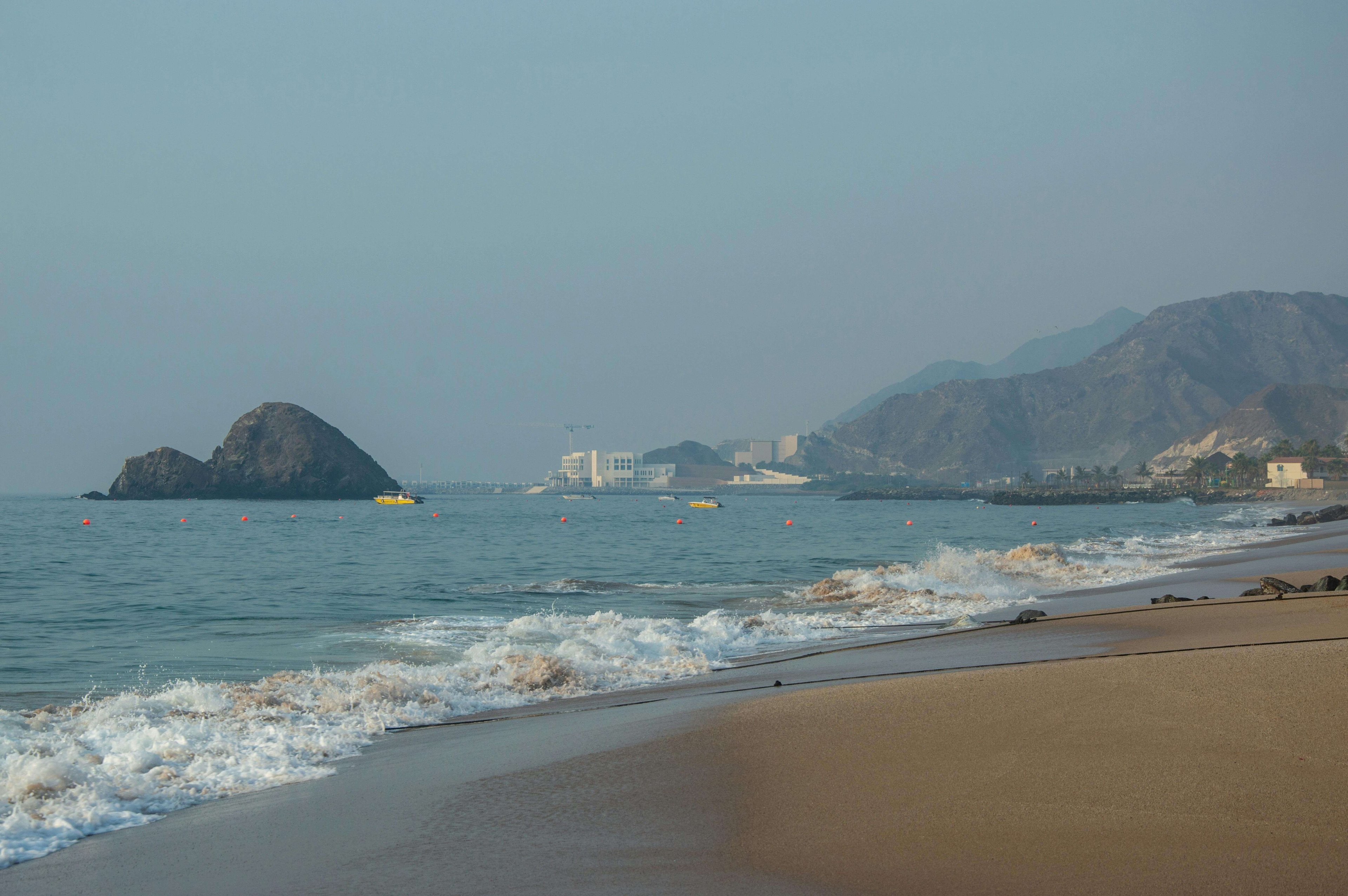
Just a dozen or so years ago, most tourists visiting the United Arab Emirates focused almost exclusively on Dubai and Abu Dhabi. Today, however, more and more people are discovering a completely different side of the Emirates - one that is calmer, more natural, and more authentic. Fujairah is undoubtedly one such place an Emirati gem situated on the waters of the Gulf of Oman. It is here that you can see the monumental Al-Hajar Mountains, wild wadi valleys, historic forts, ancient mosques, and some of the best snorkeling spots in the entire country.
Fujairah differs from the other emirates in practically every way. The emirate’s coastline lies on the Gulf of Oman, which influences both the landscape and climate.
Fujairah’s location on the Gulf of Oman gives it a different climate than the other emirates. Temperatures in Fujairah are often a few degrees lower than inland, and the air tends to be more humid and pleasant, especially in winter. This makes the region a popular weekend getaway for Dubai residents.
Fujairah has a hot, typically desert climate, with average annual temperatures of around 33 degrees Celsius, and in summer the temperature often exceeds 50 degrees. The best time to visit Fujairah is winter, when temperatures are lower and more comfortable for tourists. Rainfall is rare in Fujairah, but it can occur more frequently than in other emirates, particularly due to the influence of the Al-Hajar Mountains.
It is also one of the greenest emirates in the country. The Al-Hajar Mountains are the highest in the UAE, and it is here that they create spectacular landscapes that contrast with the desert terrain of the western emirates.
Importantly, Fujairah is much less crowded and commercial than Dubai. It’s a great destination for those who want a break from huge shopping malls and futuristic skyscrapers. Fujairah is the perfect place for people seeking a peaceful getaway and a connection with nature.
The most convenient option is by car. The drive from Dubai to Fujairah usually takes about 1.5–2 hours, depending on your starting point and traffic conditions. The most popular route passes through the desert landscapes of the Emirate of Sharjah and then crosses the Al-Hajar Mountains.
Along the way, you can stop at picturesque viewpoints or visit towns such as Dibba Al Fujairah or Khor Fakkan.
An alternative is taking a bus from Dubai to Fujairah, though the journey takes longer and offers less freedom to explore the region.
Many people visit Fujairah for just a day trip. Fortunately, even during a short stay, you can see the emirate’s top attractions.
If you’re wondering what to see in Fujairah in one day, it’s worth planning an itinerary that includes:
This combination of history, nature, and relaxation allows you to get to know the character of the emirate well, even during a short trip.
One of the city’s biggest attractions is the monumental Sheikh Zayed Mosque in Fujairah. It is an impressive structure inspired by Ottoman architecture and one of the emirate’s most iconic landmarks.
The Sheikh Zayed Mosque in Fujairah is one of the largest mosques in the United Arab Emirates, capable of accommodating approximately 28,000 worshippers and covering an area of 22 hectares. The mosque stands out with its massive white domes and elegant minarets visible from many parts of the city.
The Sheikh Zayed Mosque in Fujairah, with six minarets and 65 domes, is modeled after the Blue Mosque in Istanbul and is intended to be a symbol of the city. The interiors delight with rich decorations, enormous chandeliers, and intricately crafted architectural details.
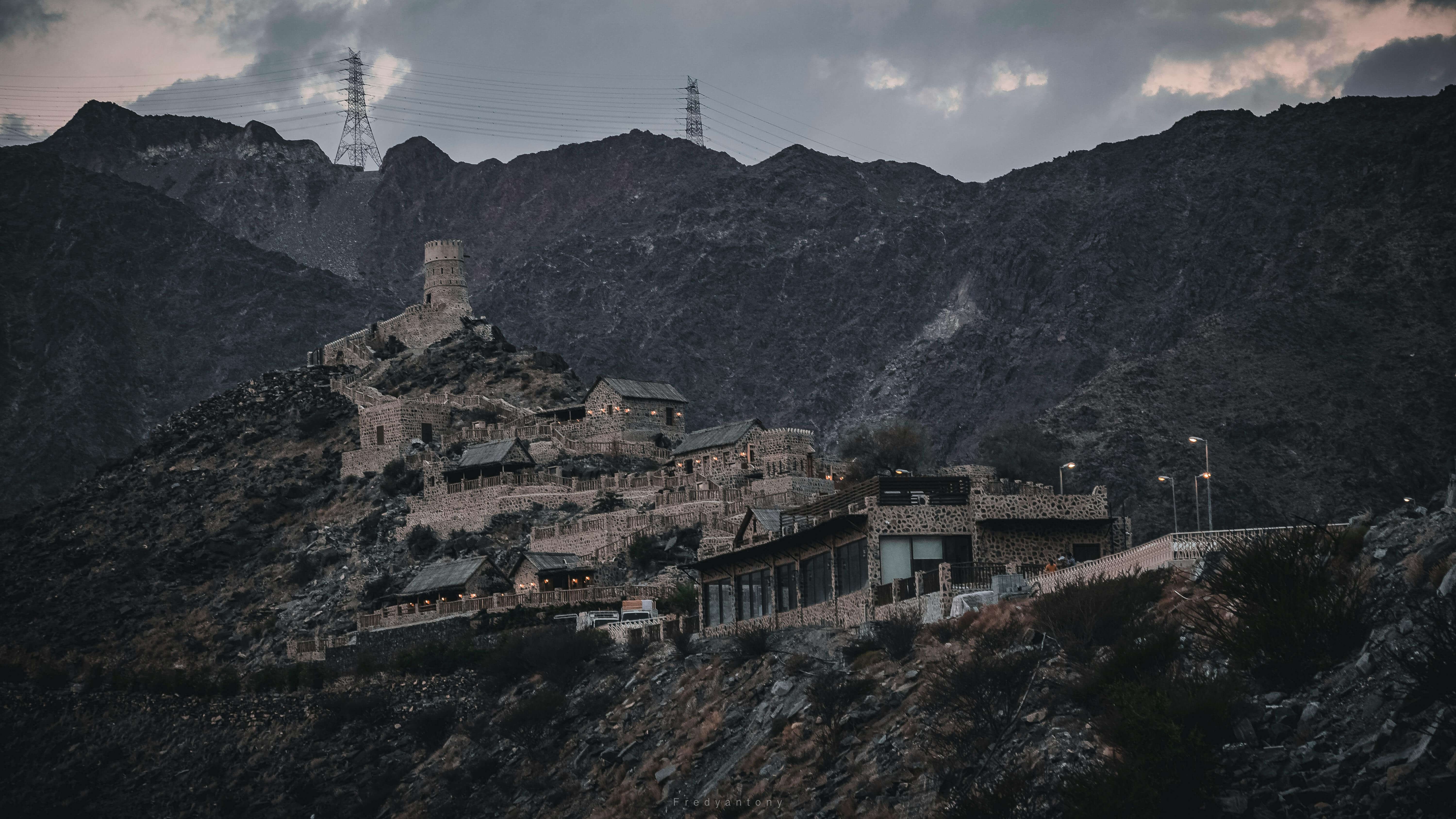
Among the historical sites, Fujairah Fort holds special significance. It is one of the most important fortifications in the country and a symbol of the emirate’s ancient history.
Fujairah Fort, built in the 16th century, is considered the oldest fort in the United Arab Emirates and was used to protect residents and control the coastline.
The fortress was built on a hill overlooking the surrounding area and served a defensive function for centuries. Today, it is one of the emirate’s most popular tourist attractions and an excellent place to explore the region’s ancient architecture.
Nearby, there is also a traditional old village reconstructed in Emirati style.
Right next to the fort, the Fujairah Museum is well worth a visit. This is a particularly interesting place for those wishing to learn more about the region’s history.
Opened in 1991, the Fujairah Museum displays over two thousand exhibits related to the region’s history and culture, including tools, jewelry, and everyday objects.
The museum also features artifacts from archaeological excavations and traditional furnishings from the homes of the emirate’s residents.
One of the most remarkable sites in the emirate is the Al Bidya Mosque, also known as the Al Badiyah Mosque.
Located in Fujairah, Al Badiyah Mosque is the oldest mosque in the United Arab Emirates, built in the 15th century, and serves as an example of traditional construction techniques. This historic structure is made of stone and mud brick, and its distinctive four domes set it apart from other mosques in the region.
The area around the mosque is very peaceful and picturesque, and the nearby hills with watchtowers offer great views of the coast.
The beaches in Fujairah are considered some of the most beautiful in the entire UAE. The region offers over 90 km of sandy beaches stretching along the coast of the Gulf of Oman.
Fujairah is the only emirate in the United Arab Emirates that does not share a coastline with the Arabian Gulf; its beaches are located on the Gulf of Oman, making them an ideal spot for water sports.
Unlike the beaches of Dubai, the coast of Fujairah is quieter, more natural, and less developed.
The most popular beaches are located in the areas of:
One of the region’s biggest attractions is Snoopy Island. The island’s name comes from its distinctive shape, which resembles the cartoon character Snoopy.
Snoopy Island is a popular spot for snorkeling and diving, known for its sea turtles and colorful reefs. The crystal-clear water and rich marine life attract both beginners and experienced divers.
Water sports such as windsurfing, diving, and snorkeling are popular in Fujairah, thanks to the clear waters and abundant marine life.
Many hotels offer snorkeling equipment rentals or organize diving trips in the area.
Nature lovers should definitely visit Wadi Wurayah.
The Wadi Wurayah waterfalls are one of the most extraordinary natural spots in the Emirates. Wadi Wurayah is an area with waterfalls, recommended for trekking. The reserve is famous for its mountainous landscapes, natural pools, and unique vegetation.
During the trek, you can see spectacular canyons, steep slopes, and small waterfalls that appear after rainfall.
Near Fujairah are the Ain Al-Madhab hot springs, a popular spot for relaxation and bathing in mineral waters.
The complex is located at the foot of the Al-Hajar Mountains and is a popular destination for both locals and tourists.
The tourist attractions in Fujairah are quite different from those found in Dubai. You won’t find the world’s tallest building or massive shopping malls here. However, the emirate offers something far more authentic - nature, history, and a more peaceful atmosphere.
It’s the perfect destination for those who want to see a different side of the Emirates, take a break from the crowds, and discover the beautiful landscapes of the mountains and coastline.
Fujairah is particularly appealing to:
1. How do I get from Dubai to Fujairah?
The most convenient way to get from Dubai to Fujairah is by rental car. The trip takes about 1.5-2 hours and passes through the picturesque Al-Hajar Mountains. Alternatively, you can take intercity buses, which run regularly, though the journey takes a bit longer.
2. Is Fujairah more expensive than Dubai?
No, in most cases Fujairah is cheaper than Dubai. Prices for restaurants, attractions, and some hotels are usually more affordable, though luxury beachfront resorts can cost about the same as those in Dubai.
3. When is the best time to visit Fujairah?
The best time to visit is from November to March, when temperatures are pleasant and ideal for sightseeing and relaxing on the beach. Summers can be very hot, with temperatures often exceeding 40°C.
4. Are there good beaches in Fujairah?
Yes, Fujairah is famous for having some of the most beautiful beaches in the UAE. The coastline along the Gulf of Oman offers over 90 km of sandy beaches, clear water, and excellent conditions for snorkeling, diving, and other water sports.
See other news
23/06/2026
KidZania Dubai – a career-themed town for children
23/06/2026
Dubai in summer – is it worth visiting in June, July and August?
23/06/2026
Dubai Marina Walk – a waterfront promenade

23/06/2026
Armaf – a review of the Arabic perfume brand

20/06/2026
Luqaimat - sweet balls, a traditional UAE dessert you have to try
20/06/2026
What to do in Dubai during a heat wave? Top air-conditioned attractions
19/06/2026
Oman or the UAE—which destination should you choose?
19/06/2026
Etihad Airways – a guide to the Abu Dhabi-Based Airline

19/06/2026
How long does the flight from Gdańsk to Dubai take?

19/06/2026
How long is the flight from Wrocław to Dubai?