Guide
20/06/2026
Luqaimat - sweet balls, a traditional UAE dessert you have to try
Copy link

Ewelina Winiarczyk
26 May 2026
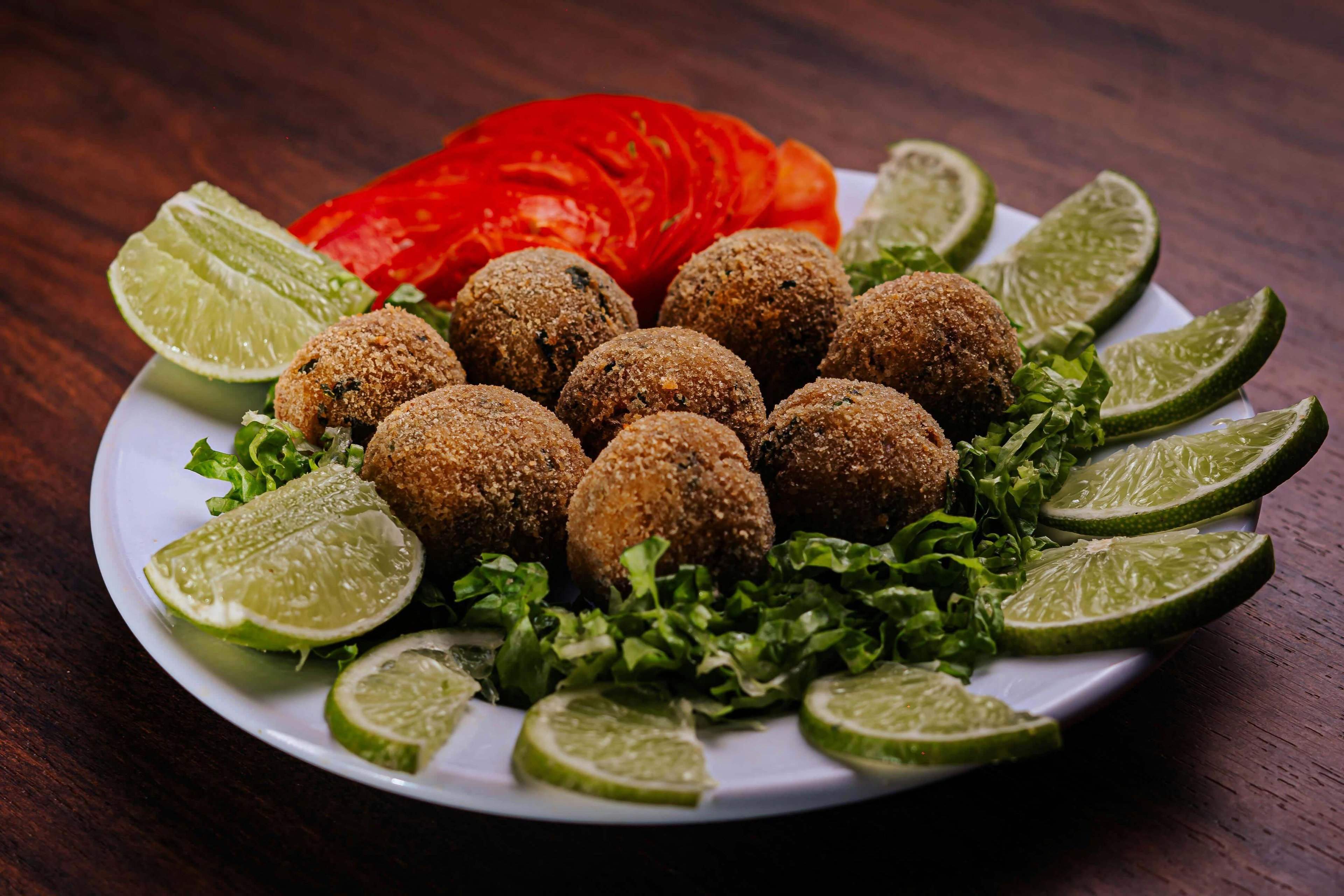
In the world of Arab street food, no other dish has achieved such immense popularity as falafel. These small, golden, fried balls made from chickpeas or fava beans have become a symbol of Middle Eastern cuisine - from Egypt to the Levant and today are also an icon of the vegan diet. You can find this dish both at markets in Cairo and in elegant restaurants in Dubai. But what exactly makes falafel so special?
Falafel consists of deep-fried balls or small patties made from soaked but uncooked chickpeas or fava beans. This mixture resembles ground meat in texture, but instead of animal protein, it features a plant-protein-rich duo: chickpeas and herbs. It is the combination of aromatic spices - mainly cumin, ground coriander, garlic, and onion - that gives them their characteristic herbaceous, nutty flavor.
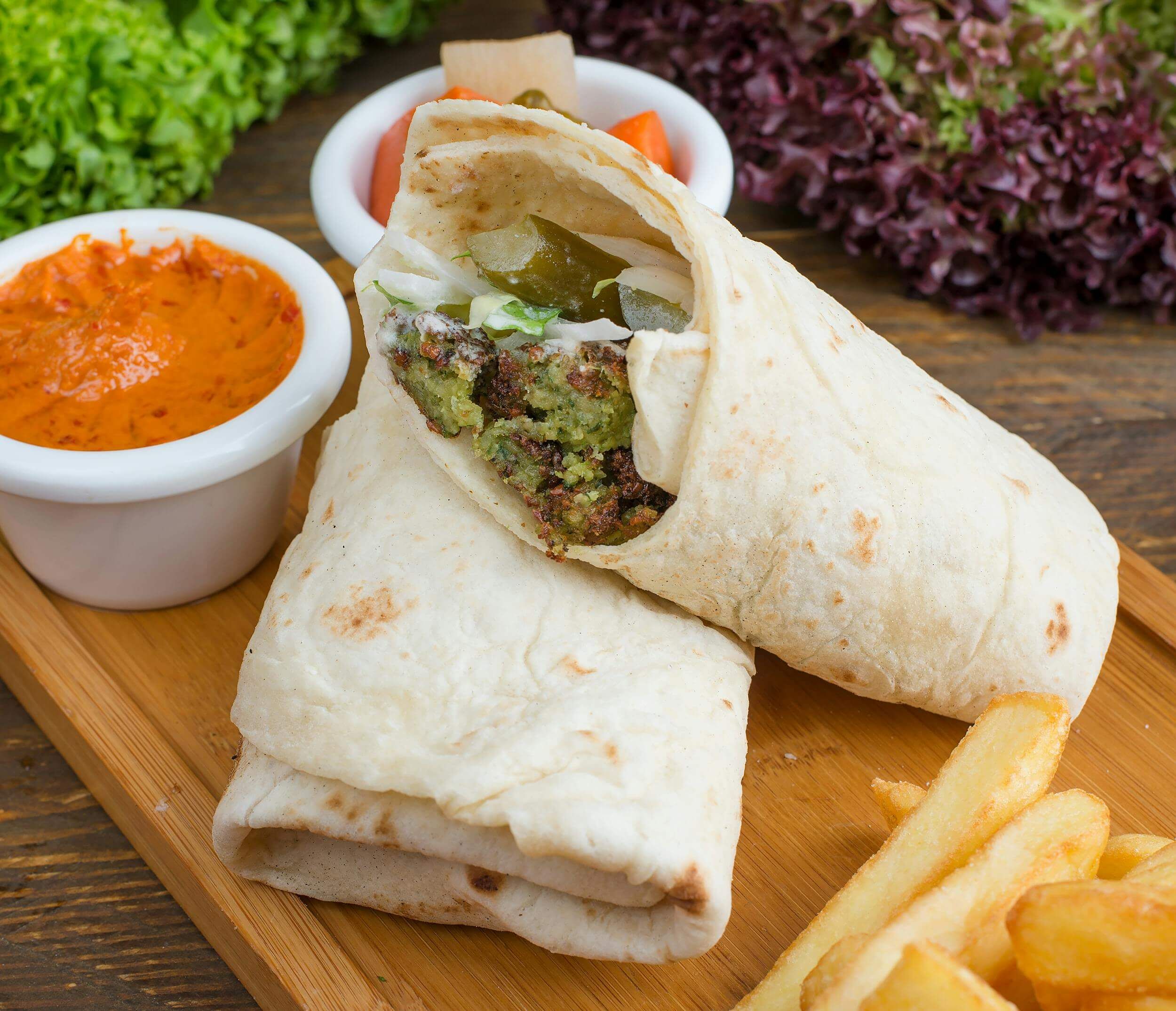
In Arab countries, falafel has served for centuries as a standalone dish or a side to other meals. In Israel and Lebanon, you’ll find it in pita bread, while in Egypt it’s served in a version called ta’amia, made with fava beans. In the Middle East, falafel often competes with shawarma - the meat-based counterpart to this dish. However, comparing falafel to shawarma doesn’t make sense: one is a nutritious plant-based patty, the other a classic meat feast.
Real, perfect falafel starts with simple, natural ingredients. And while the list may seem short, the devil is in the details. Here are the most important ingredients of the classic recipe:
All these ingredients are tossed into a food processor or kneaded until a smooth mixture forms, but not a paste - the texture should be slightly grainy so that the patties are soft on the inside and crispy on the outside after frying.
The secret to successful falafel also lies in proper frying: you need heat-resistant frying oil, such as canola or grapeseed oil. After shaping the mixture into balls, fry them in hot oil for a few minutes on each side until they turn golden brown. Then drain them on paper towels to remove excess oil.
The taste of well-prepared falafel is a combination of the best of Egyptian and Levantine cuisine: the deep aroma of spices, the freshness of herbs, and the light nutty note of chickpeas. Every bite is filling but not heavy; this dish gives a pleasant feeling of fullness without the post-lunch drowsiness.
In your mouth, the crispy crust combines with a soft, moist center and a filling fragrant with cumin, garlic, and parsley. If you’re wondering what the difference is between falafel and vegetable cutlets - the former has a much more intense flavor, and its texture is plump, not dry.
Dubai is a true paradise for lovers of Middle Eastern flavors. You’ll find the best falafel in small, family-run spots scattered among the modern skyscrapers. Be sure to check out:
If you’re wondering where to buy falafel in Dubai, choose places where the chickpeas are dried and ground on-site - this guarantees freshness and the absence of pre-made ingredients.
Absolutely. Although many believe that falafel requires secret knowledge, it is actually one of the simplest dishes in Middle Eastern cuisine. With a little patience, you can create the perfect falafel in your own kitchen.
Serve the finished patties as a standalone dish with a salad, bulgur, and tahini sauce, or wrap them in pita bread with fresh vegetables and hummus.
If you prefer a lighter version, try baked falafel. Simply preheat the oven to 200°C, lightly brush the balls with oil, and bake for about 20 minutes, flipping them halfway through. They won’t be as crispy as the fried version, but they’ll remain an exceptionally healthy option suitable for vegans and vegetarians.
There are plenty of options. Falafel pairs perfectly with:
It’s a dish that tastes great both hot and cold. No wonder falafel is often considered one of the most versatile plant-based dishes in the world.
On the Two Continents website, you’ll find more articles on similar topics and other valuable publications.
1. Is falafel healthy?
Yes, falafel is healthy because it contains plenty of plant-based protein, fiber, and minerals from chickpeas and fresh herbs. It is also a source of healthy fats, especially if fried in canola or grapeseed oil. However, it’s best to avoid using too much oil when frying to preserve its lightness and nutritional value.
2. Is falafel vegan?
Yes, falafel is fully vegan because it is made from plant-based ingredients mainly chickpeas, herbs, and spices without the use of animal products. It is one of the most popular plant-based dishes in the Middle East, prized for its flavor and nutritional value.
3. Where does falafel come from?
Falafel originates from the Middle East, and its roots trace back to Egypt, where it was known as ta’amia and made from fava beans. Over time, the dish spread throughout the Levant region - to Lebanon, Israel, Syria, and Jordan becoming a symbol of Arab street food.
4. Can you make falafel at home?
Yes, you can easily make falafel at home. You’ll need dried chickpeas, fresh herbs, and aromatic spices. After grinding the ingredients and shaping them into balls, simply deep-fry them until they’re golden and crispy.
Homemade falafel tastes great both in pita bread and with tahini sauce or fresh vegetables.
See other news
20/06/2026
Luqaimat - sweet balls, a traditional UAE dessert you have to try
20/06/2026
What to do in Dubai during a heat wave? Top air-conditioned attractions
19/06/2026
Oman or the UAE—which destination should you choose?

19/06/2026
Etihad Airways – a guide to the Abu Dhabi-Based Airline

19/06/2026
How long does the flight from Gdańsk to Dubai take?

19/06/2026
How long is the flight from Wrocław to Dubai?

17/06/2026
Emirates launches travel insurance offering cover in the event of conflict

17/06/2026
The popular Barasti Beach Club in Dubai has been temporarily closed

17/06/2026
LOT Polish Airlines to launch flights to Tromsø

17/06/2026
KLM increases the number of flights to Poznań