
Ghid
24/06/2026
Faceți cunoștință cu Ski Dubai, pârtia de schi din Dubai?
Copiază link

TwoContinents
14 Mai 2026
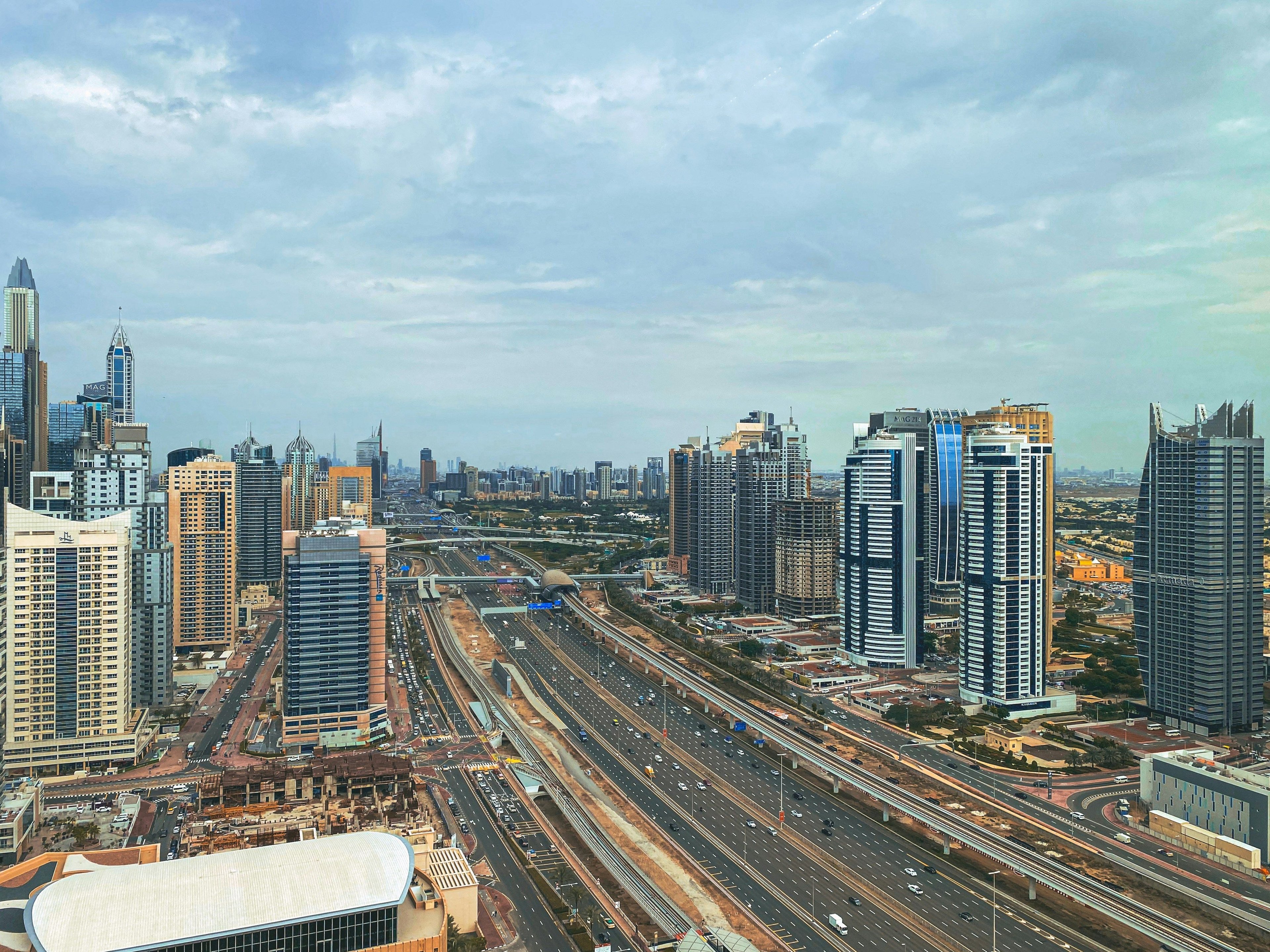
Dubai este unul dintre cele mai bune locuri din lume pentru dezvoltarea afacerilor internaționale, iar înființarea unei companii în această regiune devine din ce în ce mai populară în rândul antreprenorilor din întreaga lume. O opțiune deosebit de atractivă este desfășurarea activității în așa-numita Free Zone, adică în zona liberă, unde puteți beneficia de numeroase facilități. Aflați cum să începeți pas cu pas o afacere în Dubai și care sunt avantajele de a conduce o companie într-una dintre zonele libere.
Emiratele Arabe Unite oferă o gamă largă de zone de liber schimb, care atrag antreprenori din întreaga lume. Este esențial să înțelegeți care sunt diferențele dintre Free Zone și Mainland - în zonele libere, companiile pot fi deținute în totalitate de proprietari străini și pot beneficia de condiții fiscale preferențiale, în timp ce activitatea pe Mainland oferă un acces mai mare la piața locală. Alegerea locației potrivite depinde de natura afacerii și de strategia de dezvoltare pe scena internațională.
În Dubai, cele mai cunoscute zone libere sunt Dubai Multi Commodities Centre (DMCC), Jebel Ali Free Zone (JAFZA) și Dubai Airport Free Zone (DAFZA). Fiecare dintre acestea este specializată în deservirea diferitelor industrii și sprijină dezvoltarea companiilor care activează în sectoare precum comerțul, logistica sau noile tehnologii. În funcție de zona liberă aleasă, antreprenorii pot desfășura activități adaptate nevoilor specifice – de la comerț internațional, la servicii, până la firme specializate în sectoare concrete, precum clinici medicale, firme de consultanță sau magazine de vânzare cu amănuntul.
Mulți antreprenori se întreabă, de asemenea, care este cea mai bună zonă liberă pentru un român. Răspunsul depinde de profilul de activitate planificat și de amploarea afacerii, însă, datorită ofertei variate a zonelor libere, este posibilă adaptarea condițiilor la diferite tipuri de activități. Aceste zone sunt unul dintre principalii motoare ale investițiilor străine în Emiratele Arabe Unite.
Procesul de înființare a unei companii în zona liberă din Dubai este relativ simplu și transparent, mai ales în comparație cu multe țări europene. Primul pas este alegerea zonei potrivite și a tipului de activitate, urmată de înregistrarea companiei în conformitate cu reglementările locale. În funcție de forma juridică, este posibil să desfășurați activitatea ca întreprindere individuală sau sub forma diferitelor tipuri de societăți, cum ar fi societatea pe acțiuni publică, societatea pe acțiuni privată, societatea civilă cu răspundere limitată sau societatea în nume colectiv. De asemenea, este important de reținut că capitalul social minim în anumite zone comerciale este de 1 milion AED.
Un element important al desfășurării activității îl reprezintă, de asemenea, problema șederii și a formalităților administrative. Antreprenorii pot solicita o viză din zona liberă a EAU, care le permite să locuiască și să lucreze legal în Dubai. Un aspect important îl reprezintă, de asemenea, zona liberă și înregistrarea în scopuri de TVA – în funcție de tipul de activitate și de nivelul veniturilor, compania poate fi obligată să se înregistreze ca contribuabil TVA în EAU.
Atunci când decid să desfășoare activități în Dubai, mulți antreprenori analizează costurile înființării unei companii în zona liberă din Dubai. Totuși, merită reținut faptul că, pe lângă lipsa obligației de a plăti impozitul pe profit, funcționarea companiei în zonele libere implică anumite costuri suplimentare. Printre cele mai importante se numără taxele de licență, costurile de înregistrare a societății, închirierea unui birou și eliberarea vizelor de rezidență pentru proprietari și angajați.
Unul dintre cele mai mari avantaje ale desfășurării activității într-o zonă liberă este faptul că, în anumite cazuri, impozitele în zonele libere din EAU sunt de 0% (CIT), ceea ce influențează semnificativ rentabilitatea afacerii.
Mulți antreprenori se întreabă dacă activitatea în zona liberă este o soluție bună pentru afacerea lor. Unul dintre cele mai mari avantaje este deținerea a 100% din companie de către un străin în zona liberă, ceea ce înseamnă control deplin asupra companiei fără a fi necesar un partener local. Astfel, investitorii străini pot deține 100% din compania lor, ceea ce facilitează semnificativ gestionarea și luarea deciziilor de afaceri. Acest lucru este deosebit de important pentru persoanele care intenționează să-și extindă activitatea pe piețele internaționale.
Companiile înregistrate în zonele libere beneficiază, de asemenea, de numeroase facilități, precum proceduri administrative simplificate, înregistrarea rapidă a activității și acces la o infrastructură de afaceri modernă.
Dacă plănuiești o călătorie în Emiratele Arabe Unite și în Dubai, merită să consulți Ghidul Dubai, precum și oferta noastră, care include excursii în Dubai, precum și atracții în Dubai, cum ar fi croaziere cu iahtul.
1. Cum se deschide o companie într-o zonă liberă din Dubai?
Primul pas este alegerea zonei potrivite și a tipului de activitate, urmată de înregistrarea societății în conformitate cu reglementările locale. Un element important al desfășurării activității îl reprezintă și problema șederii și a formalităților administrative.
2. Care sunt cele mai populare zone libere de comerț din Dubai?
În Dubai, cele mai cunoscute zone libere sunt Dubai Multi Commodities Centre (DMCC), Jebel Ali Free Zone (JAFZA) și Dubai Airport Free Zone (DAFZA).
3. Care este capitalul minim în zonele comerciale din Dubai?
De asemenea, este important de reținut că capitalul social minim în unele zone comerciale este de 1 milion de AED.
Vezi alte știrile
24/06/2026
Faceți cunoștință cu Ski Dubai, pârtia de schi din Dubai?

24/06/2026
Ghidul Deira Perfume Souk: unde găsiți cele mai bune parfumuri?

24/06/2026
Vizitarea Dubaiului cu un copil – care sunt cele mai bune atracții de ales?
24/06/2026
Abu Dhabi – cele mai bune atracții. TOP 30 de locuri care merită vizitate în capitala Emiratelor Arabe Unite

20/06/2026
Luqaimat - bile dulci, un desert tradițional din Emiratele Arabe Unite pe care trebuie neapărat să-l încerci
20/06/2026
Ce poți face în Dubai pe vremea caniculară? Cele mai bune atracții cu aer condiționat
19/06/2026
Oman sau Emiratele Arabe Unite – ce destinație să alegi?
19/06/2026
Etihad Airways – ghid despre compania aeriană din Abu Dhabi
19/06/2026
Cât durează zborul spre Dubai din Gdańsk?

19/06/2026
Cât durează zborul spre Dubai din Wrocław?